Search
Invitrogen
F4/80 Monoclonal Antibody (BM8), Functional Grade, eBioscience™
{{$productOrderCtrl.translations['antibody.pdp.commerceCard.promotion.promotions']}}
{{$productOrderCtrl.translations['antibody.pdp.commerceCard.promotion.promocode']}}: {{promo.promoCode}} {{promo.promoTitle}} {{promo.promoDescription}}. {{$productOrderCtrl.translations['antibody.pdp.commerceCard.promotion.learnmore']}}
{{$ctrl.translations['antibody.pdp.skuNotes.additionalInformation']}}:
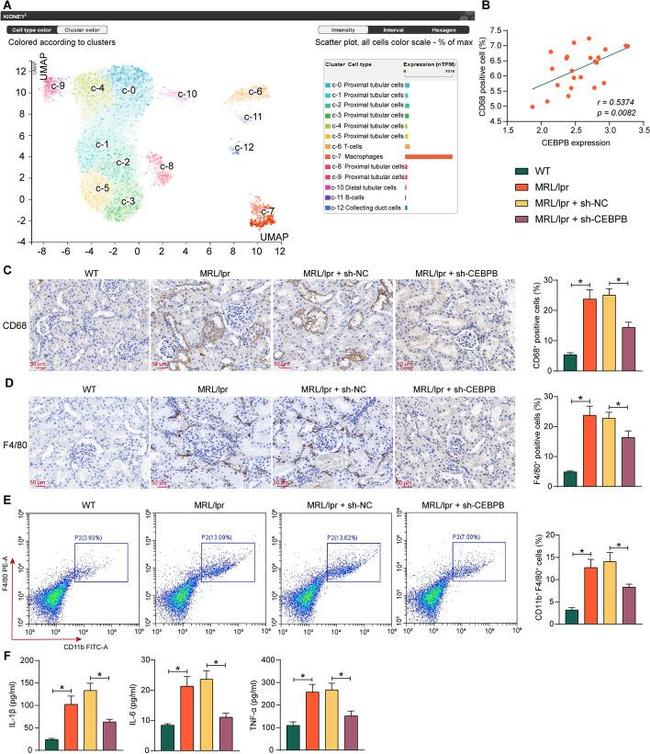
图: 1 / 98
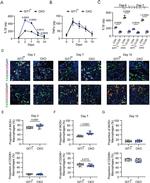
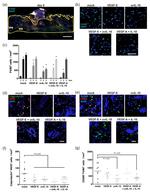
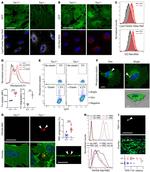
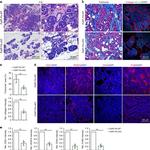
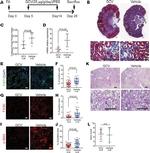
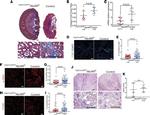
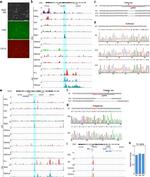
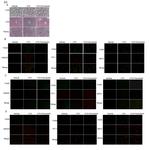
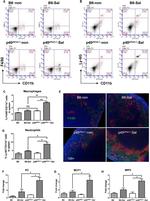
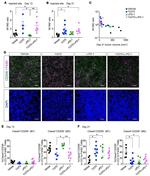
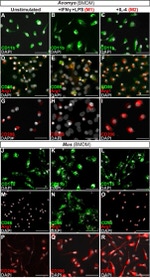
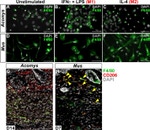
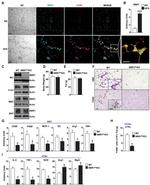
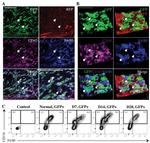
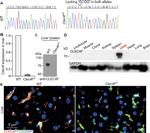
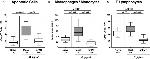
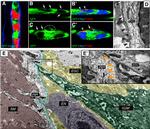
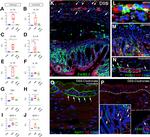
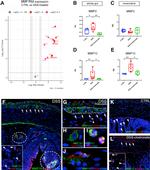
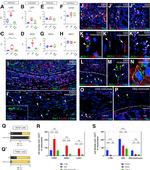
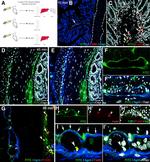
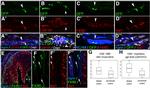
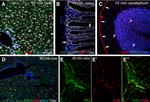
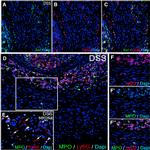
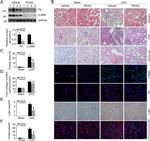
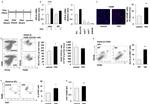
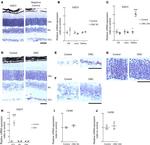
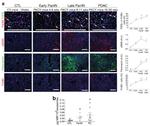
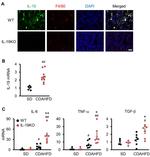
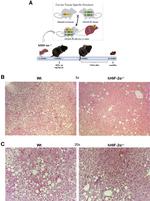
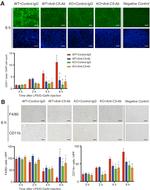
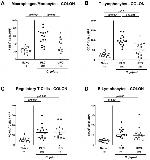
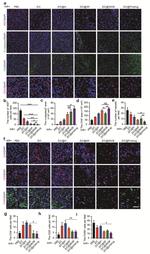
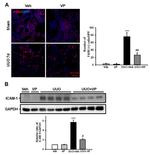
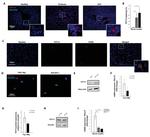
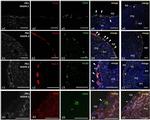
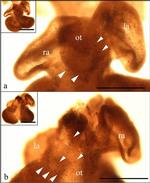
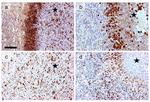
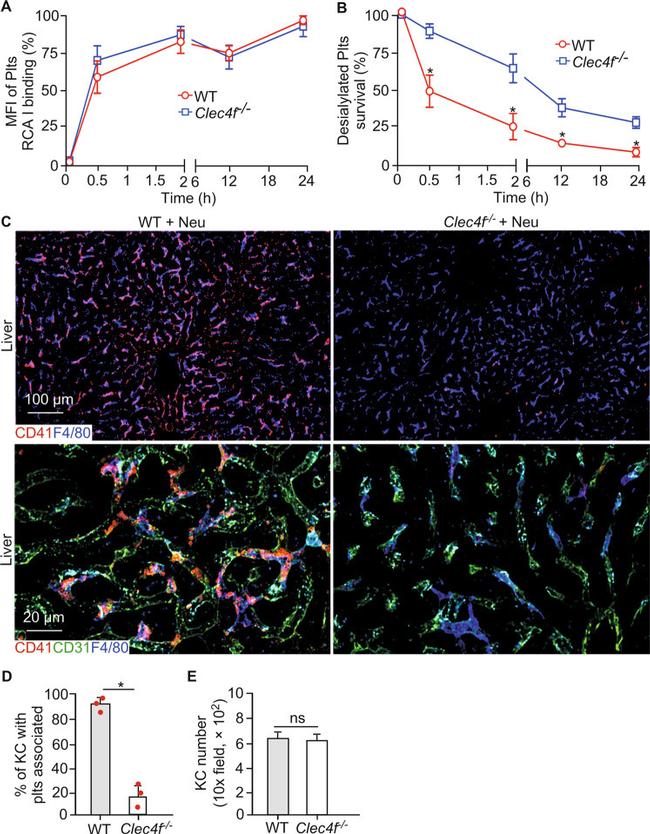
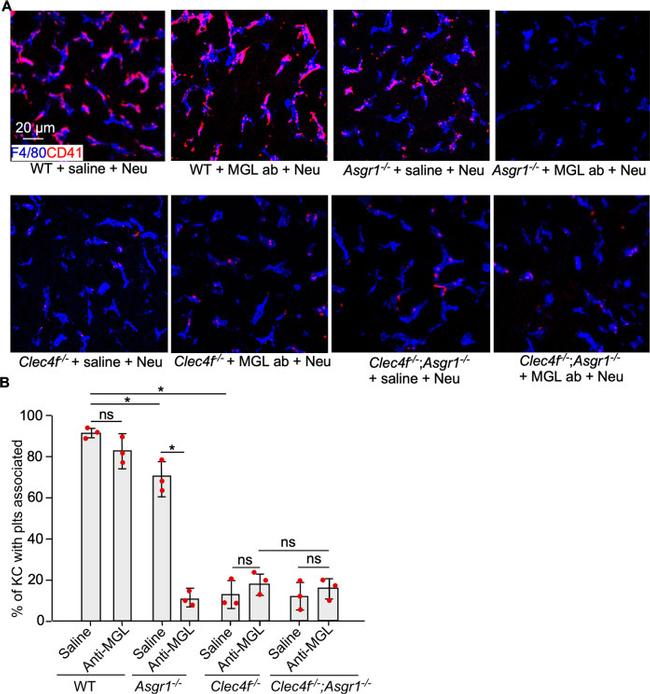
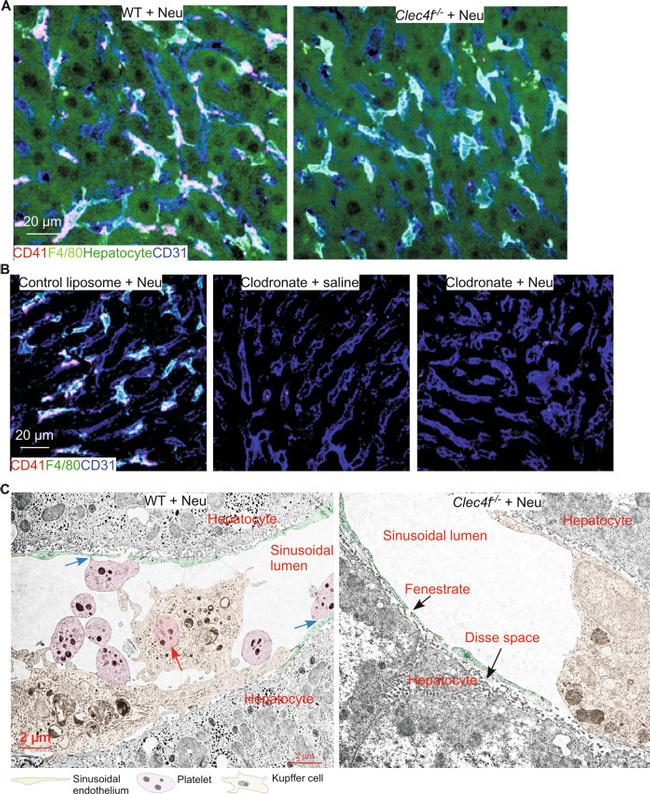
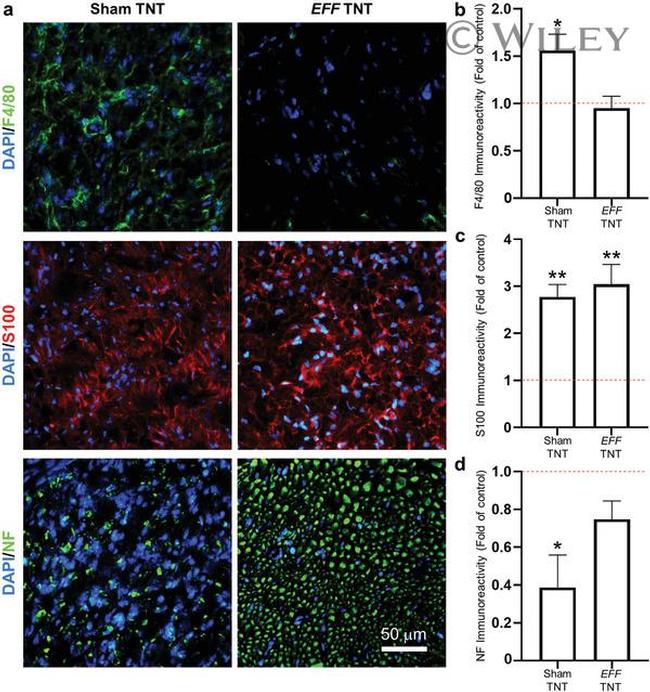
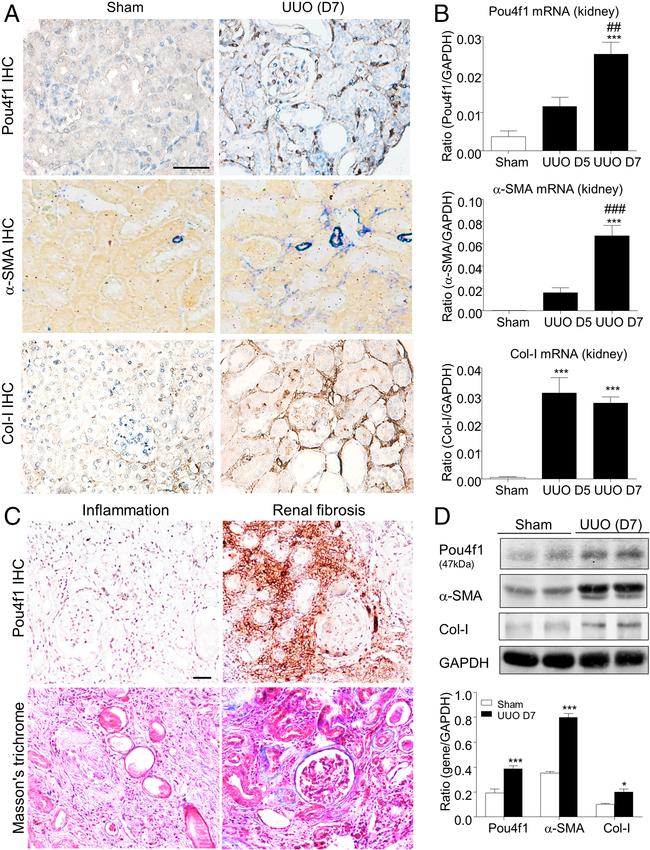
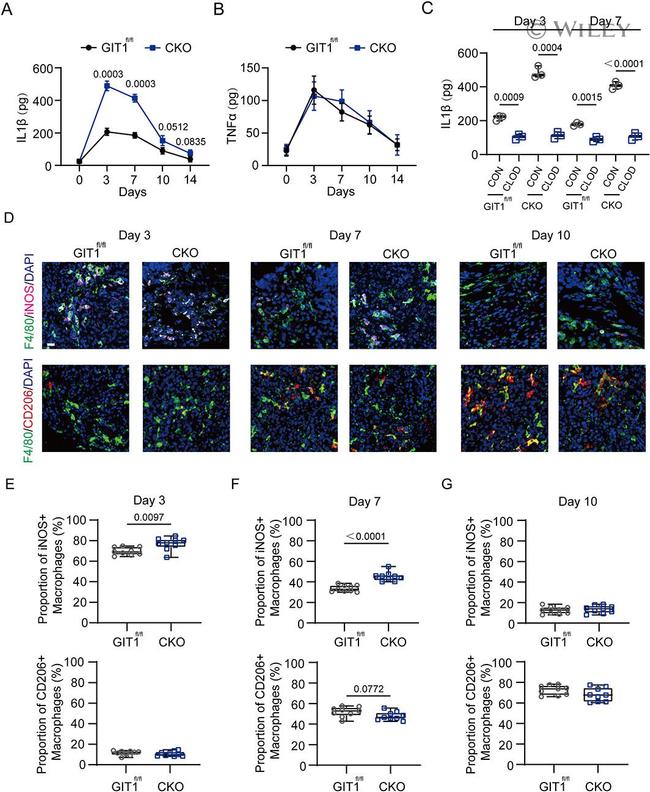
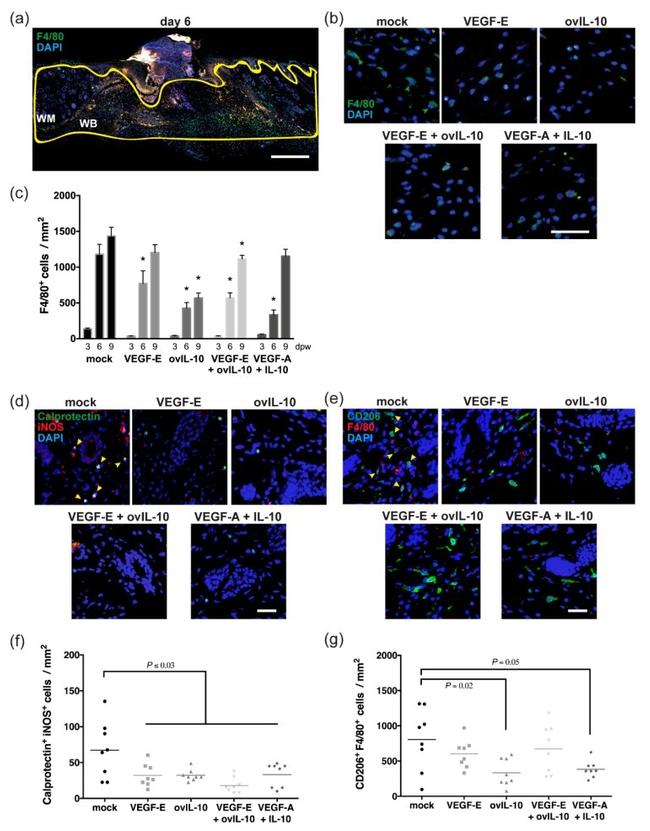
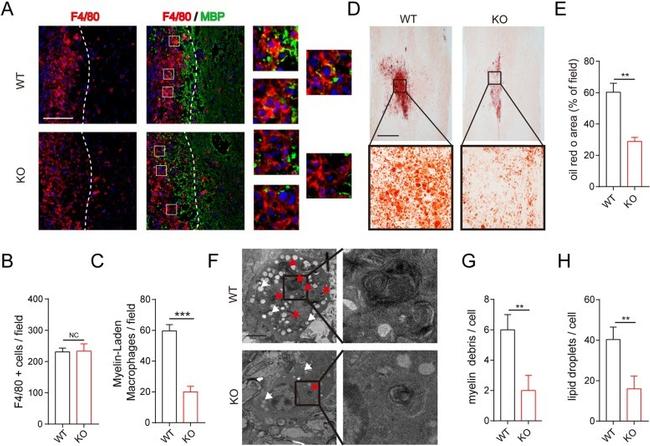
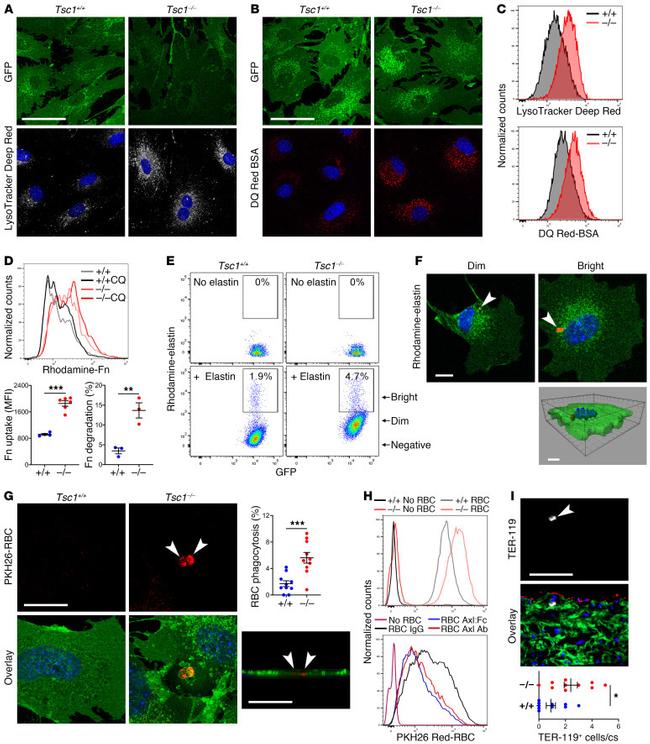
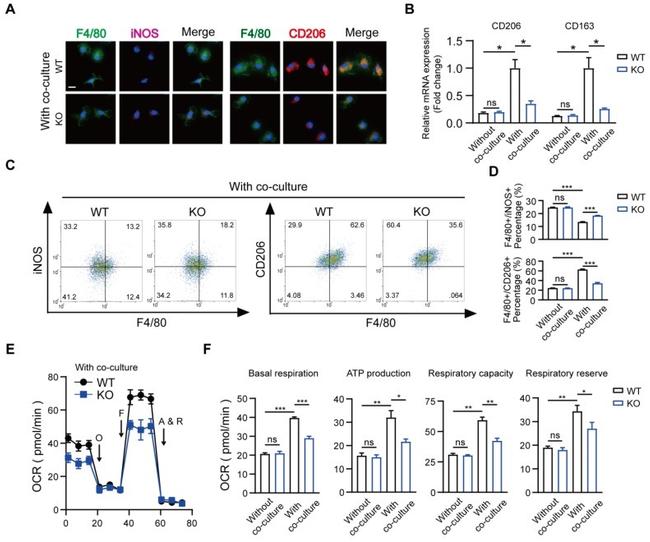
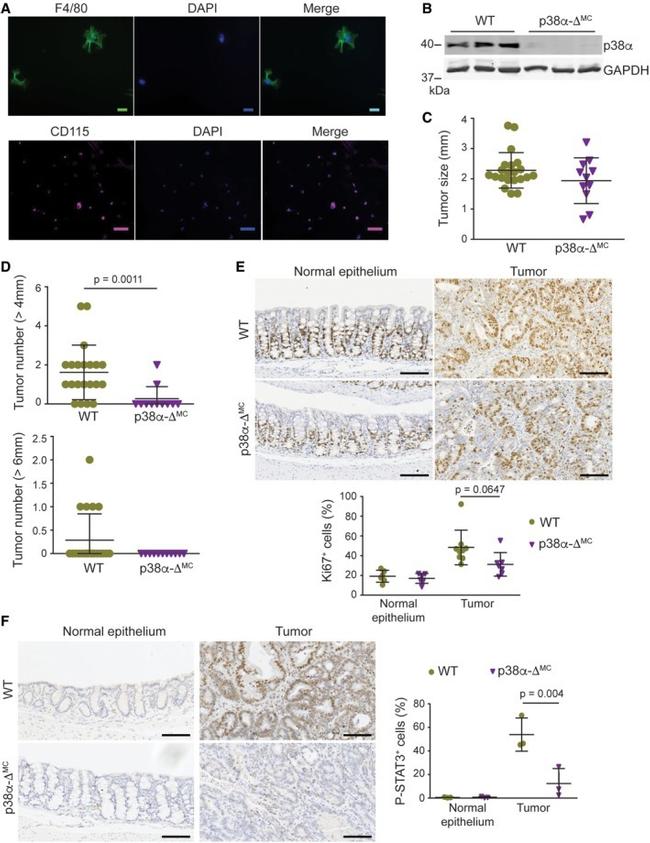
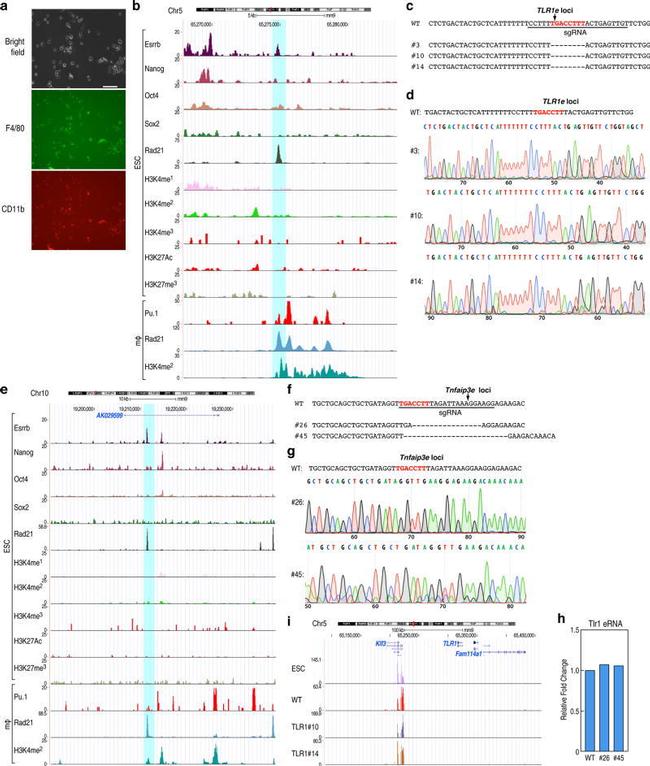
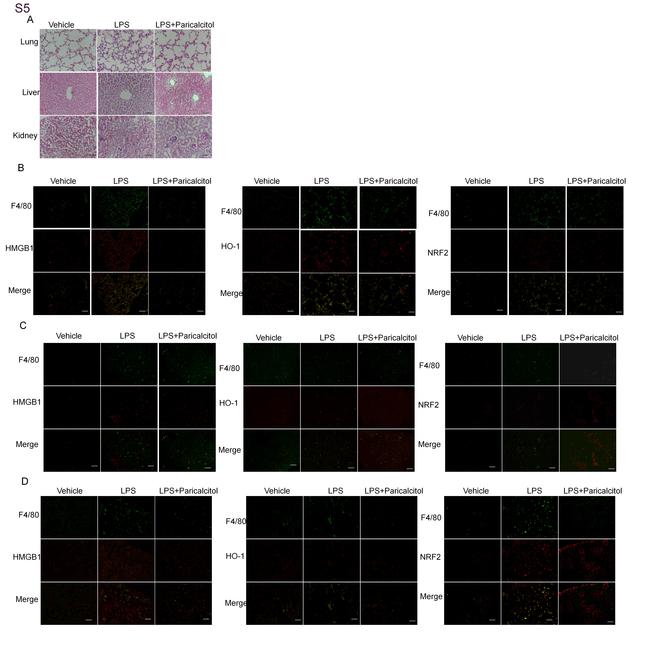
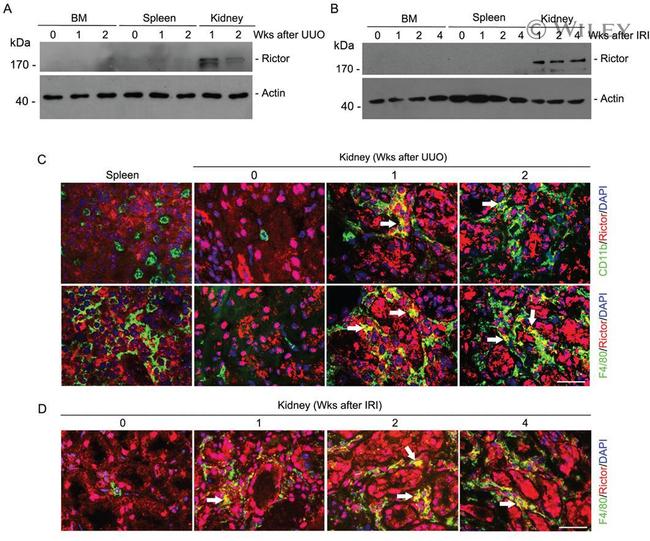
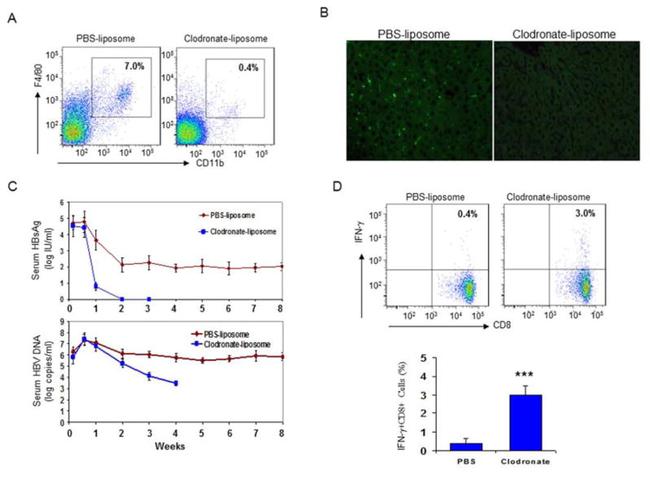
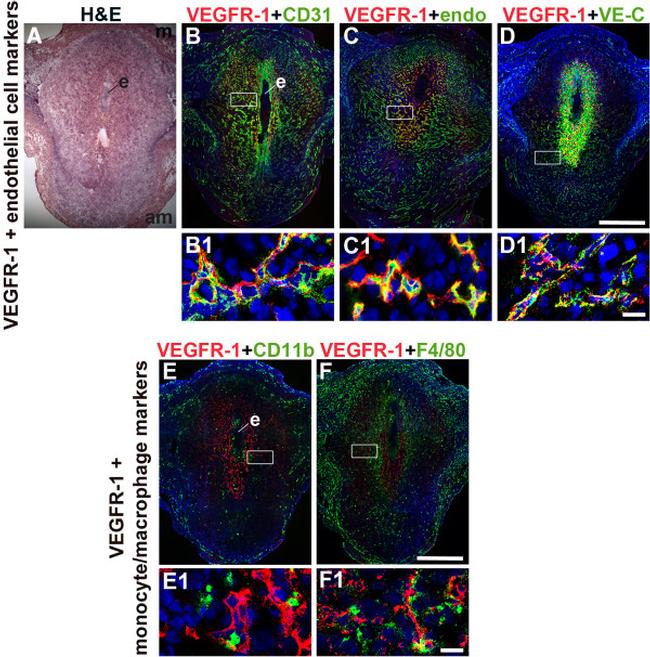
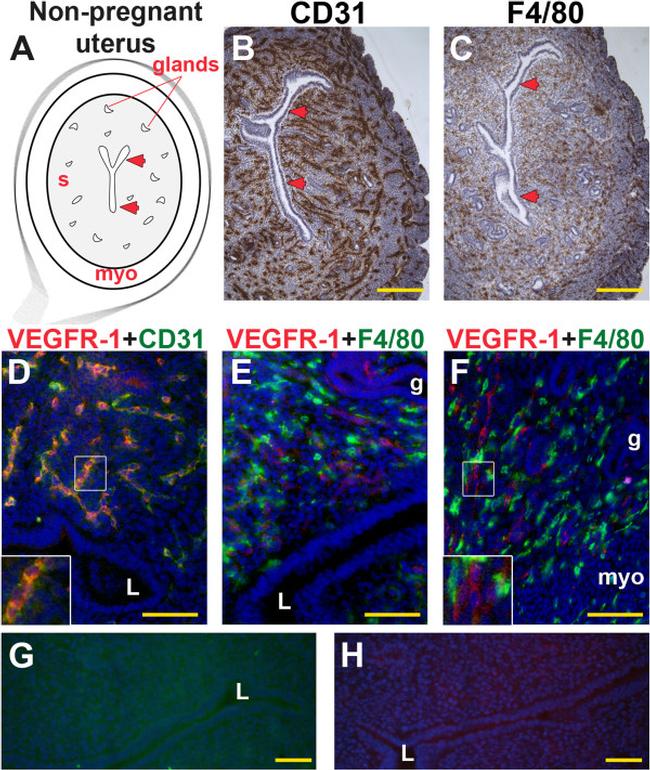
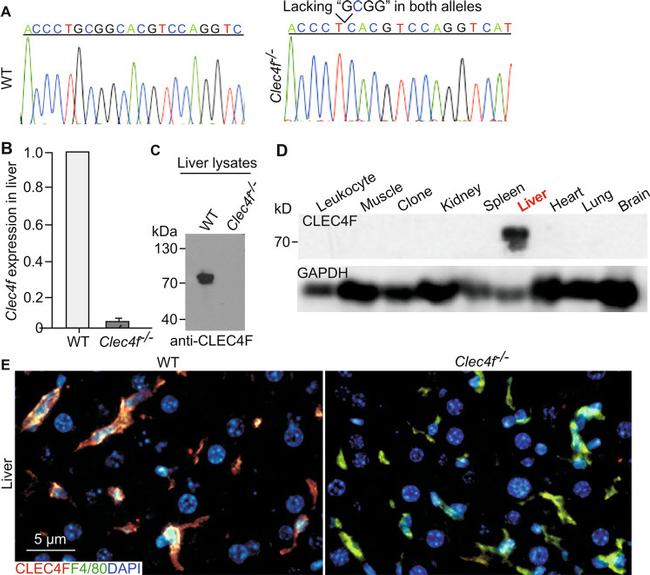
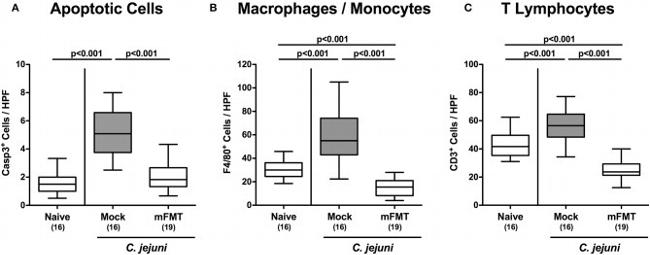
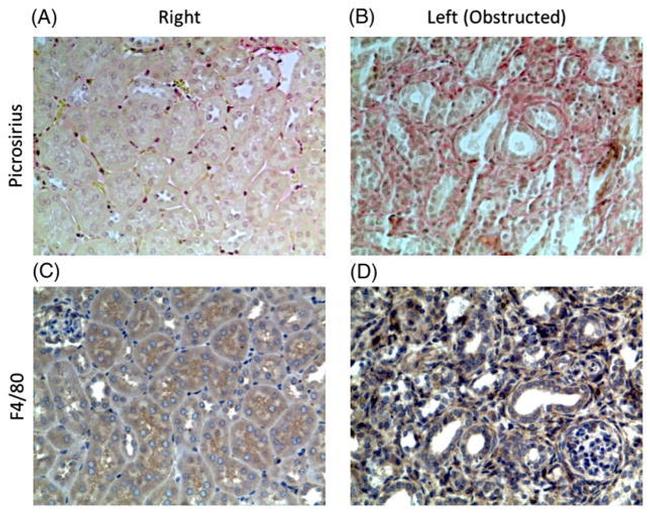
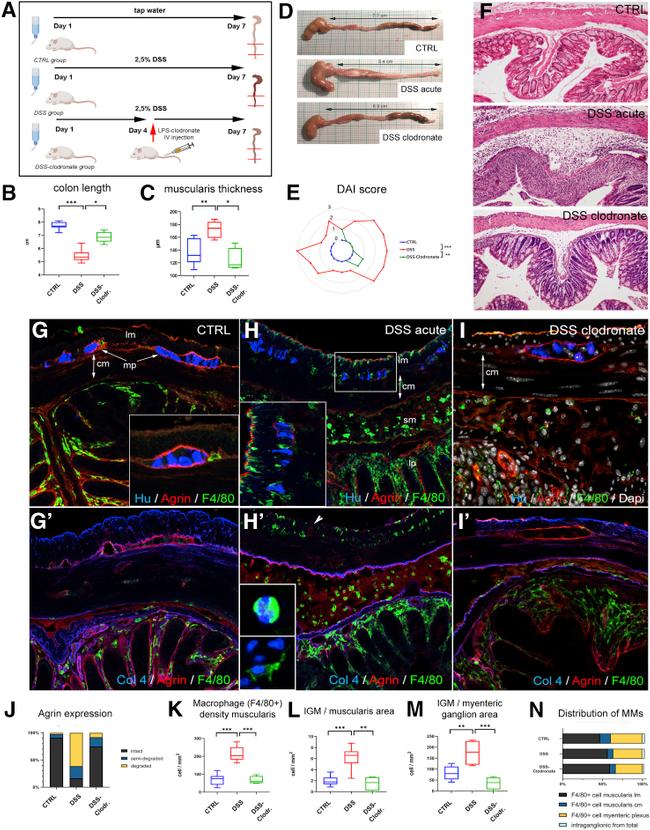
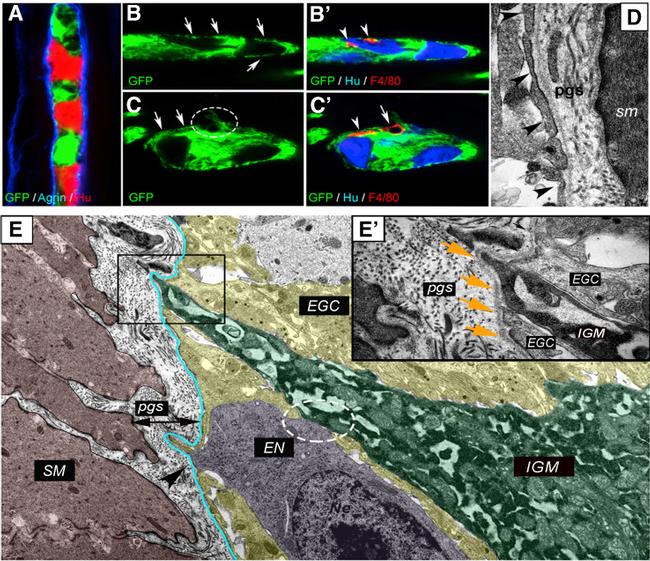
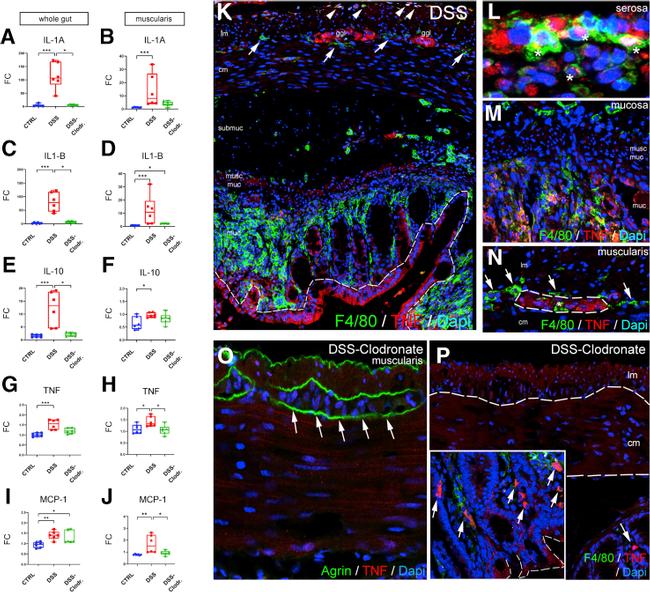
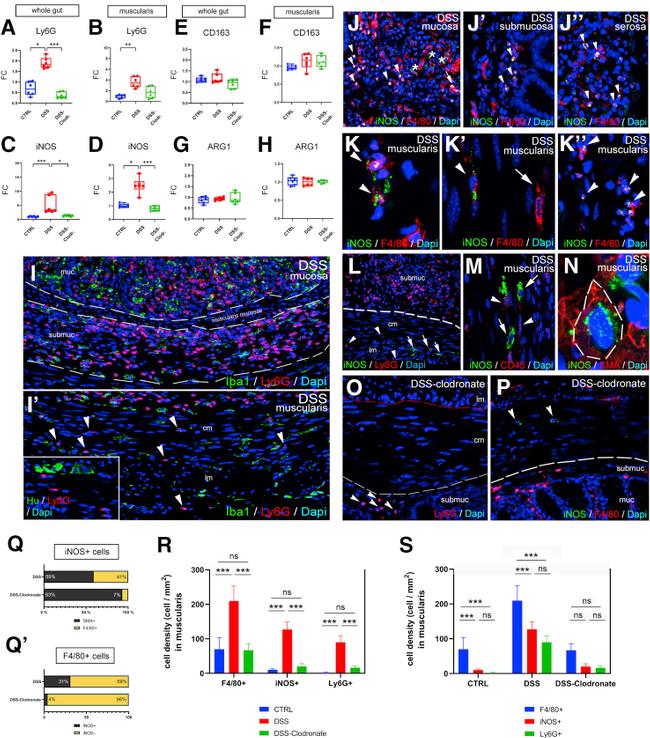
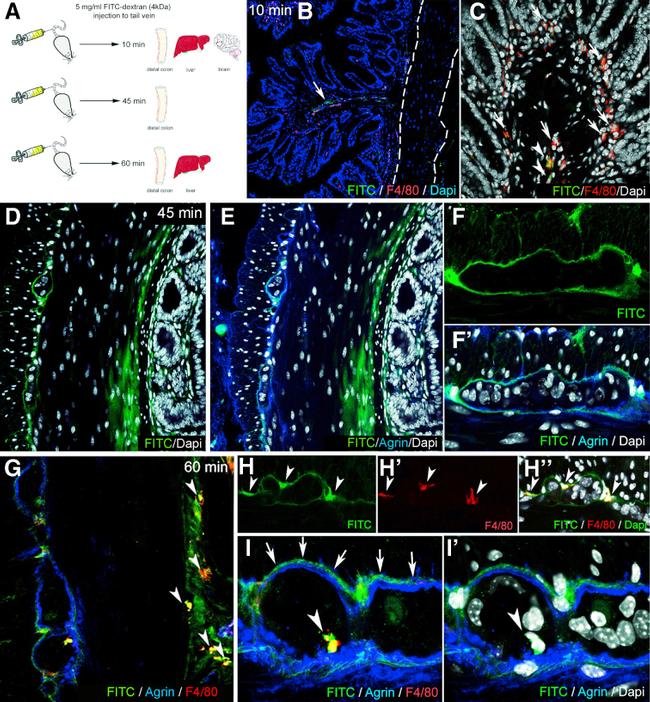
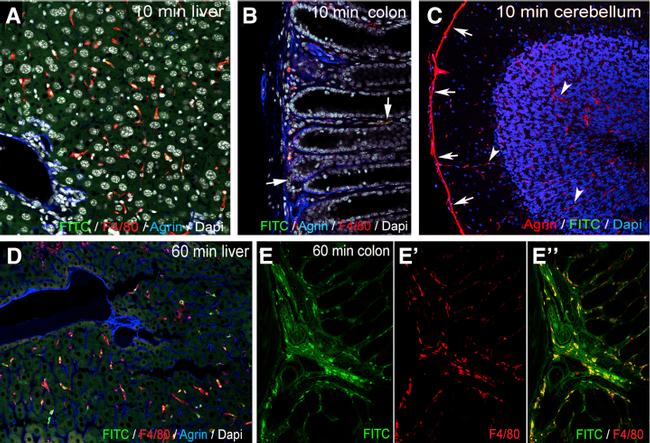
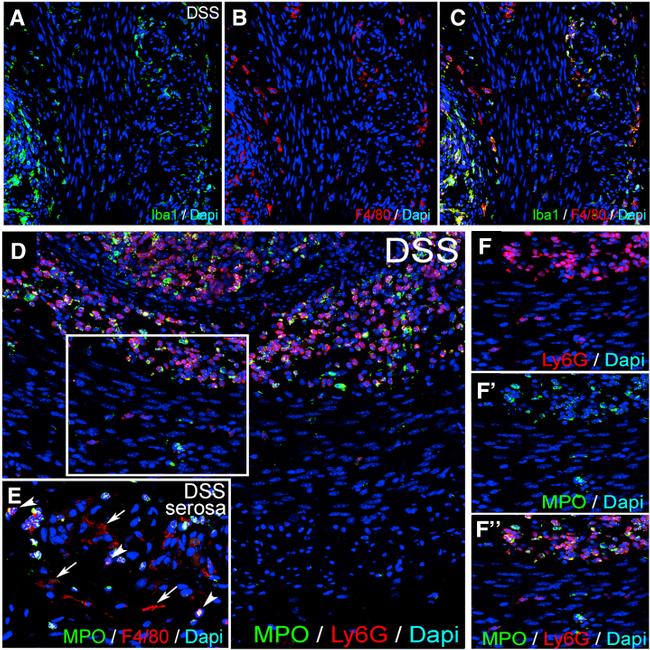
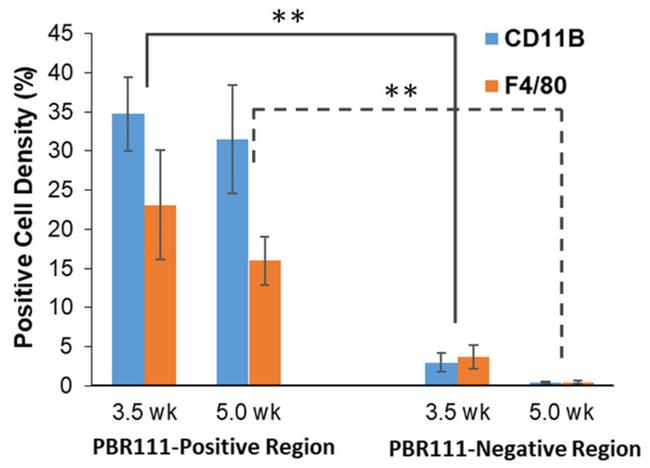
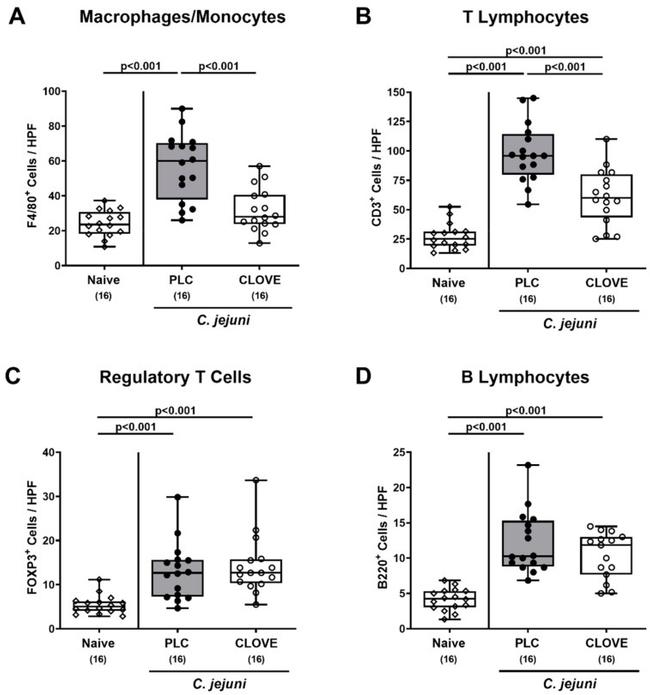
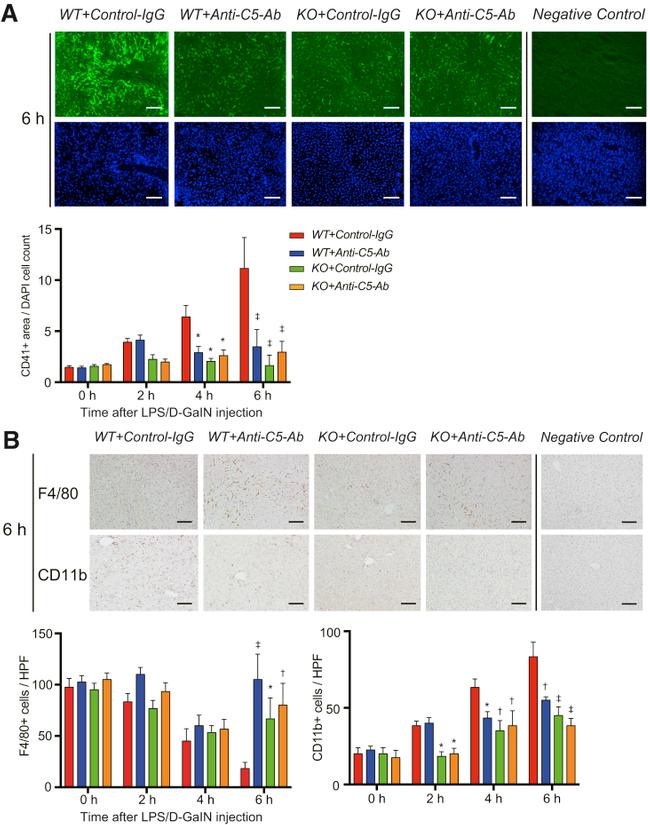
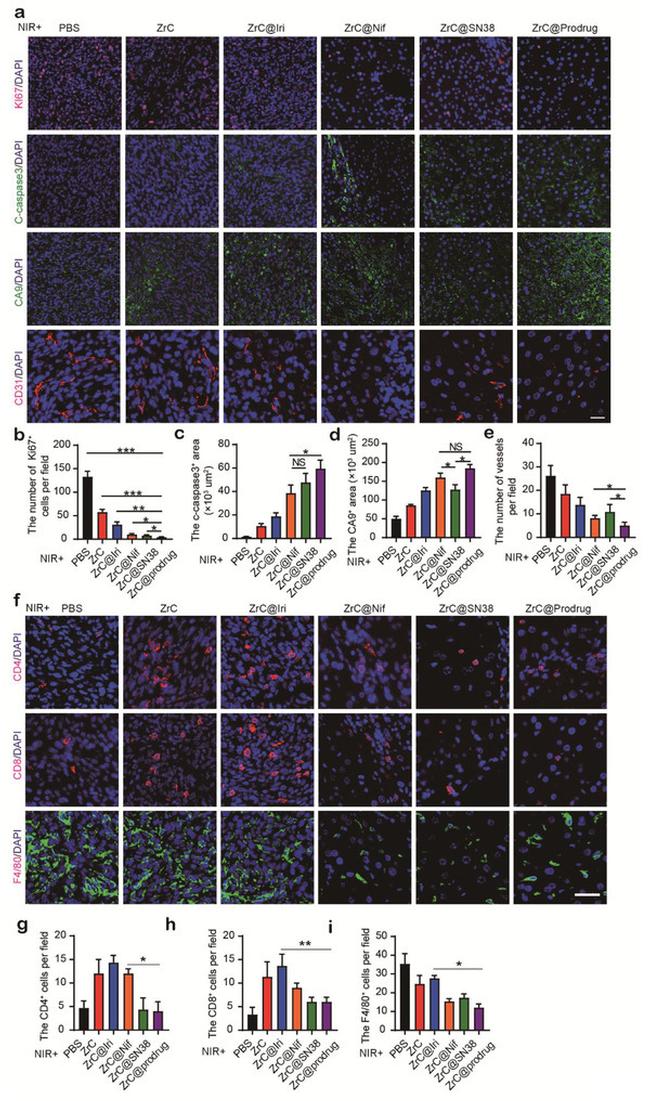
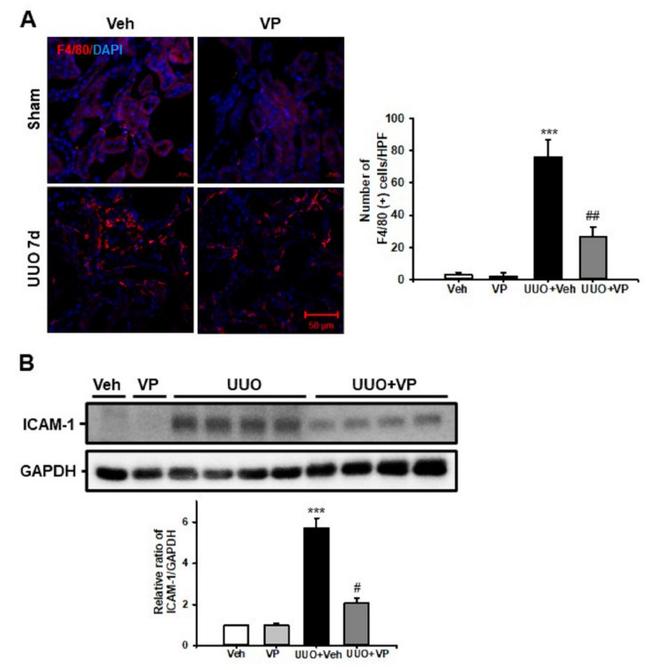
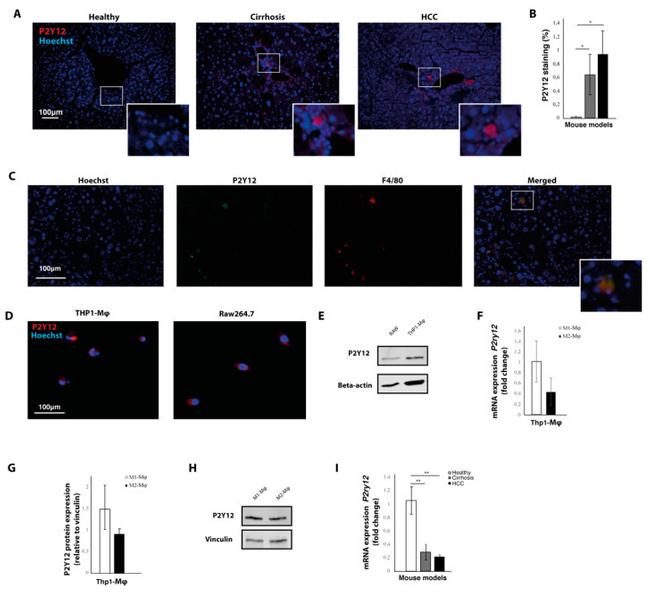
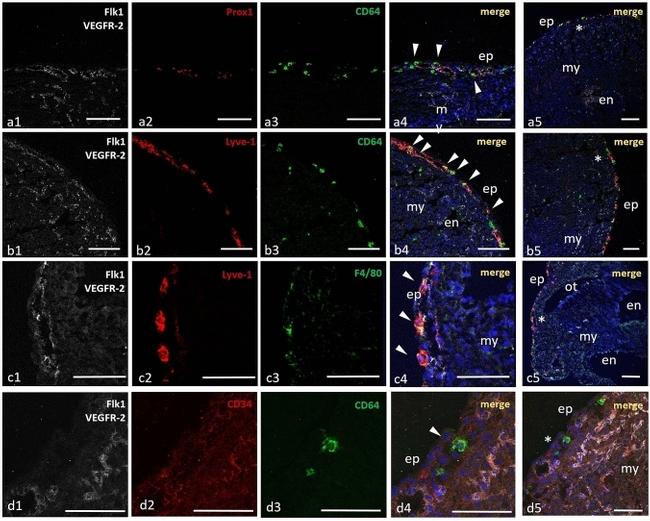
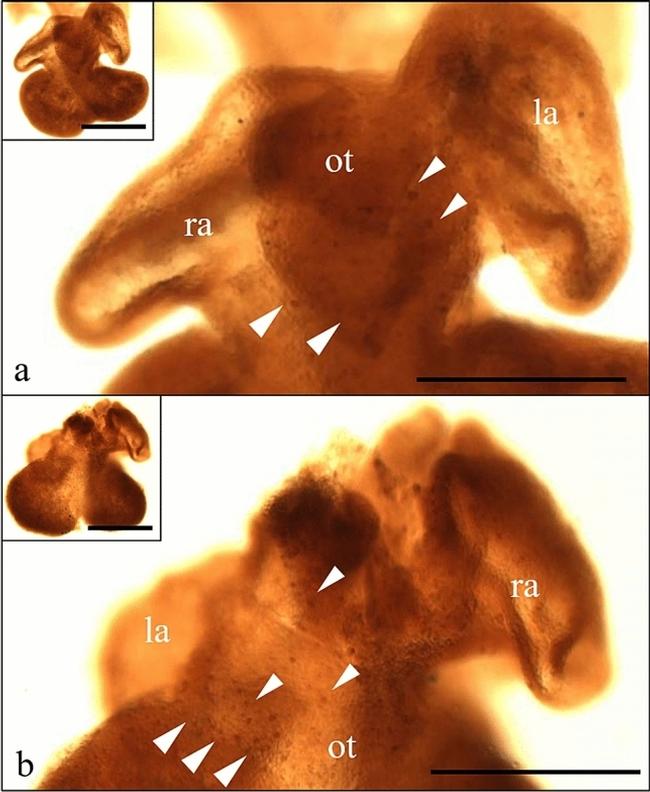
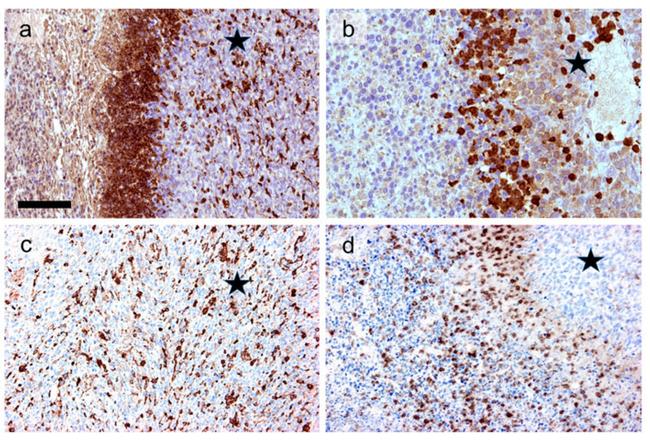
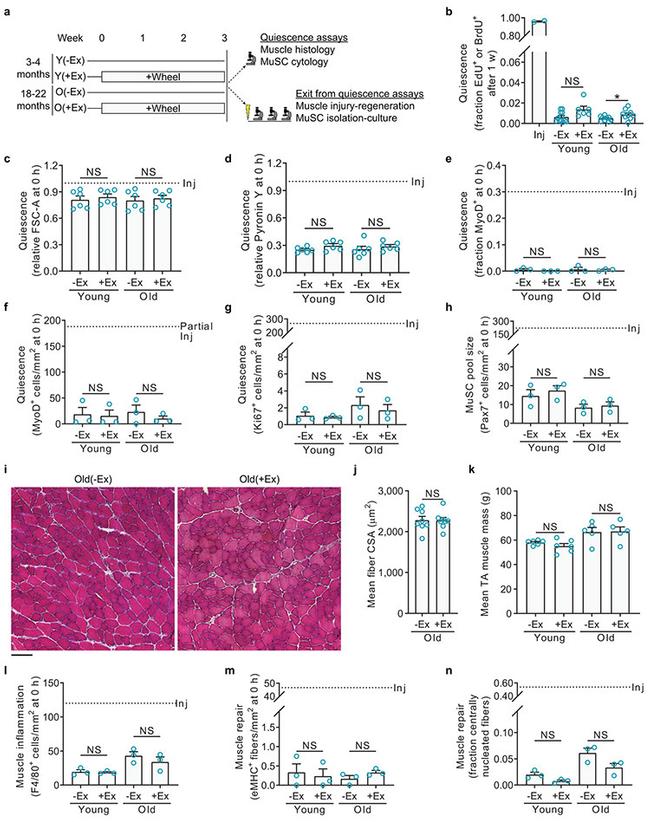
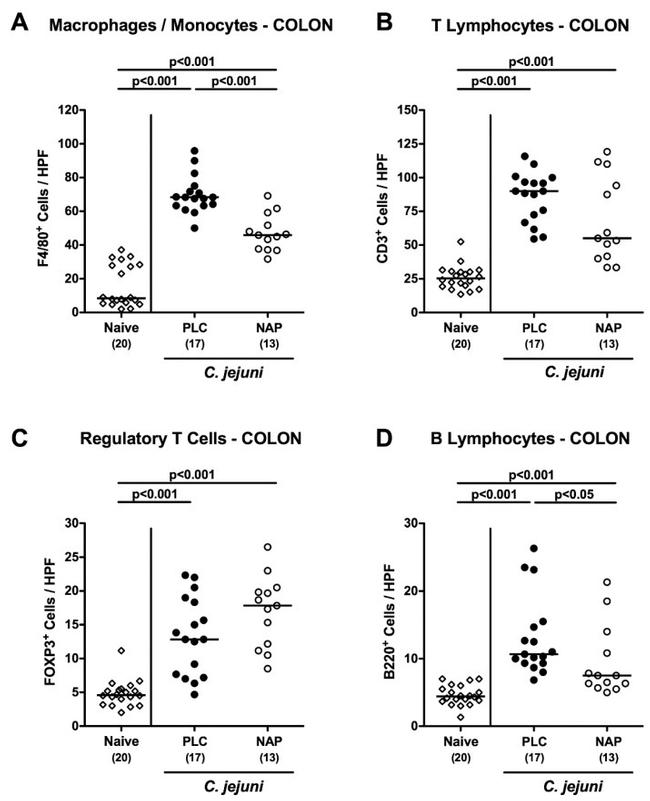
F4/80 Antibody (16-4801-86) in IHC
Cellular & molecular biology letters 2023 -
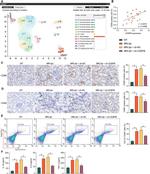
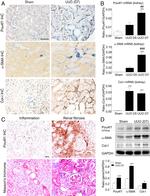
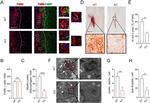
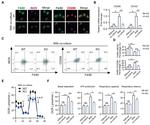
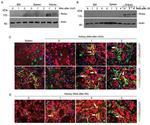
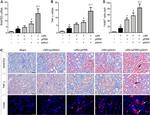
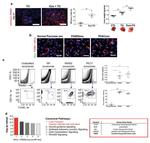
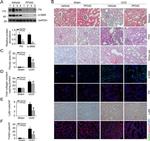
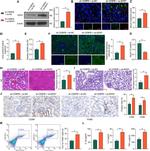
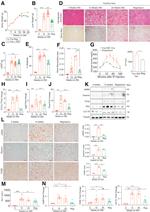
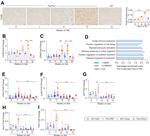
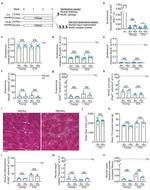
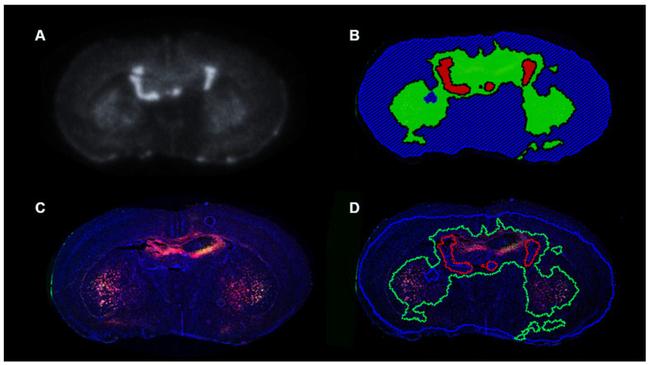
Fig. 3 CEBPB is associated with macrophage activation in LN. A Analysis of single-cell expression of CEBPB in the kidney using the Human Protein Atlas database. B Correlation between CEBPB expression and macrophage infiltration in kidney tissues ( n = 23) by Pearson's correlation analysis. C Immunohistochemical detection of CD68 in the kidney tissues of LN mice with CEBPB downregulation. D Immunohistochemic... View More
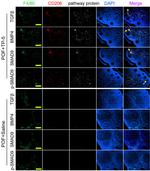
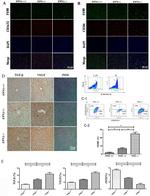
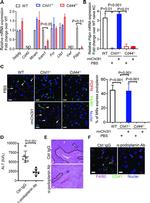
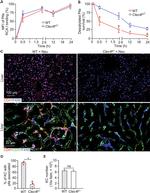
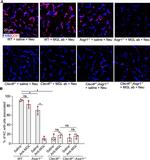
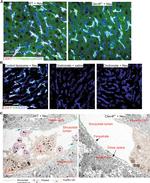
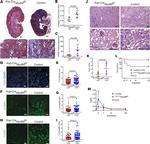
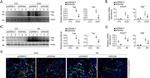
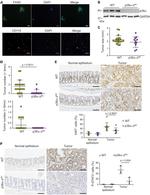
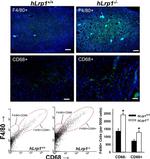
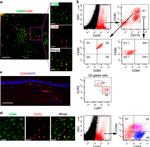
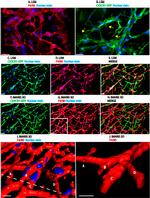
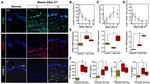
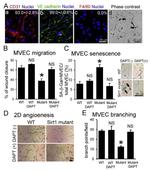
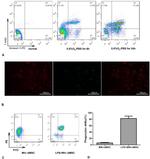
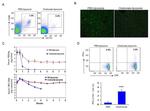
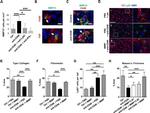
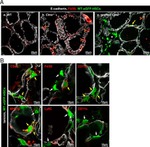
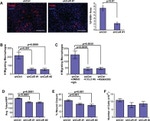
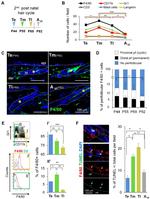
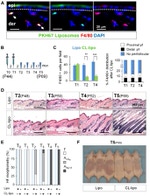
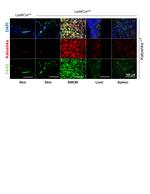
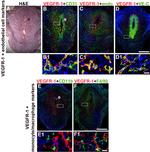
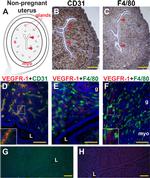
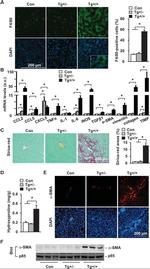
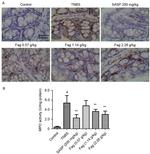
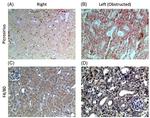
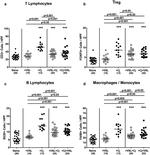
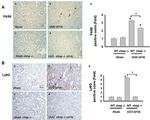
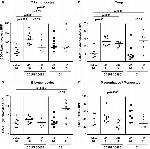
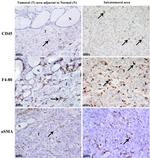
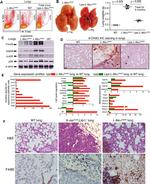
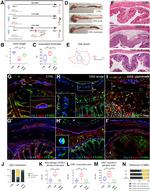
Please note: We are reviewing Western blot images included in the antibody testing data in our catalog, including those provided by third parties. Unless expressly labeled or annotated as “raw-unedited”, Western blot images included in the antibody testing data in our catalog may have been edited, optimized or otherwise adjusted for presentation.


























产品信息
16-4801-86
应用
建议稀释比
已发表文章
产品规格
种属反应
Mouse
已发表种属
Hamster,
Human,
Mouse
宿主/亚型
Rat
/ IgG2a, kappa
分类
Monoclonal
类型
Antibody
克隆号
BM8
偶联物
Functional Grade
Functional Grade
Functional Grade
形式
Liquid
浓度
1 mg/mL
规格
1 mg
纯化类型
Affinity chromatography
保存液
PBS, pH 7.2
内含物
no preservative
保存条件
4°C
运输条件
Ambient (domestic); Wet ice (international)
RRID
产品详细信息
Description: The BM8 monoclonal antibody reacts with mouse F4/80 antigen, an approximately 125 kDa transmembrane protein. The F4/80 antigen is expressed by a majority of mature macrophages and is the best marker for this population of cells. However, other cell types such as Langerhans cells and liver Kupffer cells have been reported to express this antigen. Expression of F4/80 commences during early myeloid development and is upregulated on all BM cells stimulated in vitro with M-CSF. It has been shown that some cytokines downregulate the expression of F4/80 resulting in lack of F4/80 antigen on a subpopulation of macrophages, especially in the lymphoid microenvironment in vivo.
Applications Reported: BM8 has been reported for use in flow cytometric analysis.
Applications Tested: The BM8 antibody has been tested by flow cytometric analysis of mouse splenocytes and bone marrow cells. This can be used at less than or equal to 0.5 µg per test. A test is defined as the amount (µg) of antibody that will stain a cell sample in a final volume of 100 µL. Cell number should be determined empirically but can range from 10^5 to 10^8 cells/test. It is recommended that the antibody be carefully titrated for optimal performance in the assay of interest.
Storage and handling: Use in a sterile environment.
Filtration: 0.2 µm post-manufacturing filtered.
Purity: Greater than 90%, as determined by SDS-PAGE.
Endotoxin Level: Less than 0.001 ng/µg antibody, as determined by LAL assay.
Aggregation: Less than 10%, as determined by HPLC.
靶标信息
F4/80 antigen is a 160 kDa cell surface glycoprotein that is a member of the EGF TM7 family of proteins and shares 68% overall amino acid identity with human EGF module containing mucin like hormone receptor 1 (EMR1). Expression of F4/80 is heterogeneous and is reported to vary during macrophage maturation and activation. The F4/80 antigen is expressed on a wide range of mature tissue macrophages including Kupffer cells, Langerhans, microglia, macrophages located in the gut lamina propria, peritoneal cavity, lung, thymus, bone marrow stroma and macrophages in the red pulp of the spleen. F4/80 expression has also been reported on a subpopulation of dendritic cells but is absent from macrophages located in T cell areas of the spleen and lymph node. The ligands and biological functions of the F4/80 antigen have not yet been determined but recent studies suggest a role for F4/80 in the generation of efferent CD8+ve regulatory T cells.
仅用于科研。不用于诊断过程。未经明确授权不得转售。
生物信息学
蛋白别名: cell surface glycoprotein F4/80; EGF-like module containing, mucin-like, hormone receptor-like sequence 1; EGF-like module receptor 1; EGF-like module-containing mucin-like hormone receptor-like 1; EMR1 hormone receptor; F480; unnamed protein product
基因别名: DD7A5-7; EGF-TM7; Emr1; F4/80; Gpf480; Ly71; TM7LN3
UniProt ID: (Mouse) Q61549
Entrez Gene ID: (Mouse) 13733
Disclaimer

Clicking the images or links will redirect you to a website hosted by BenchSci that provides third-party scientific content. Neither the content nor the BenchSci technology and processes for selection have been evaluated by us; we are providing them as-is and without warranty of any kind, including for use or application of the Thermo Fisher Scientific products presented.

