Search
Invitrogen
Alexa Fluor 488 Polyclonal Antibody
{{$productOrderCtrl.translations['antibody.pdp.commerceCard.promotion.promotions']}}
{{$productOrderCtrl.translations['antibody.pdp.commerceCard.promotion.promocode']}}: {{promo.promoCode}} {{promo.promoTitle}} {{promo.promoDescription}}. {{$productOrderCtrl.translations['antibody.pdp.commerceCard.promotion.learnmore']}}
{{$ctrl.translations['antibody.pdp.skuNotes.additionalInformation']}}:
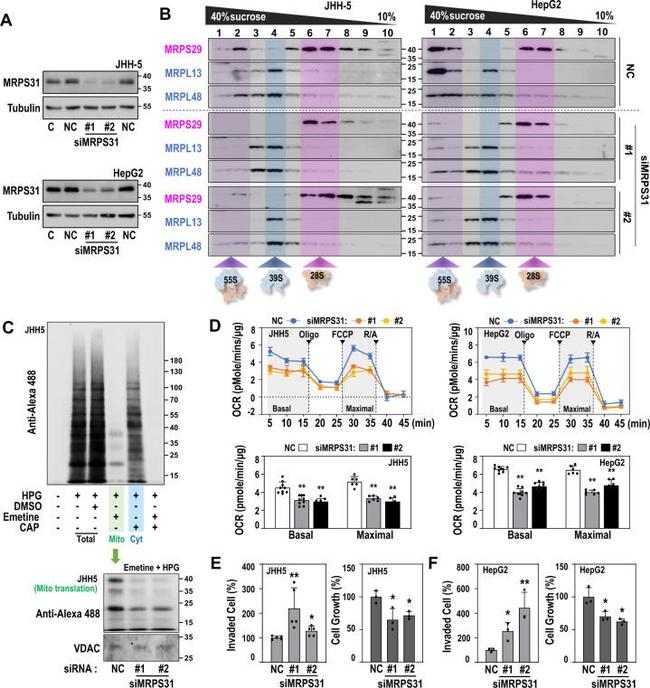
图: 1 / 19
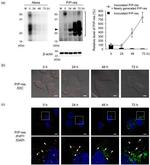
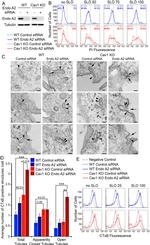
Alexa Fluor 488 Antibody (A-11094) in WB
Cell death & disease 2021 -
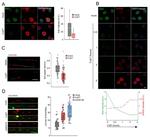
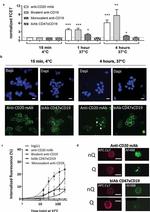
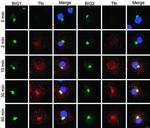
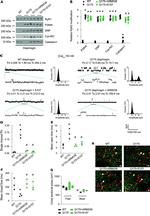
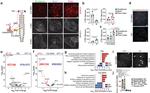
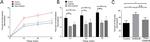
Fig. 5 MRPS31 suppression induces mitoribosomal dysfunction, OXPHOS defect, and cell invasiveness. MRPS31_high type cells (JHH4 and HepG2) were transfected with MRPS31 siRNA for 3 days. A Western blots. B Western blots after sucrose gradient sedimentation analysis of mitoribosome. MRPS29 (a small subunit protein) and MRPL13 and MRPL48 (large subunit proteins) were used as indicators of each subunit. Purple,... View More
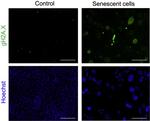
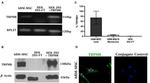
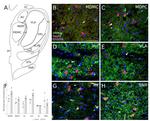
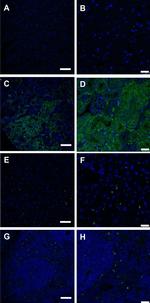
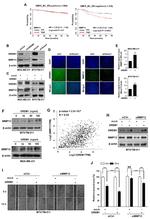
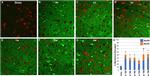
Please note: We are reviewing Western blot images included in the antibody testing data in our catalog, including those provided by third parties. Unless expressly labeled or annotated as “raw-unedited”, Western blot images included in the antibody testing data in our catalog may have been edited, optimized or otherwise adjusted for presentation.


产品信息
A-11094
应用
建议稀释比
已发表文章
产品规格
种属反应
Chemical
已发表种属
Chemical,
Dog,
Fruit fly,
Human,
Mouse
宿主/亚型
Rabbit
/ IgG
分类
Polyclonal
类型
Antibody
抗原
Alexa Fluor 488 coupled to carrier protein
偶联物
Unconjugated
Unconjugated
Unconjugated
形式
Liquid
浓度
1 mg/mL
规格
500 µg
纯化类型
purified
保存液
PBS, pH 7.2
内含物
5mM sodium azide
保存条件
4°C
运输条件
Ambient (domestic); Wet ice (international)
RRID
靶标信息
Anti-fluorescent dye antibodies recognize specific fluorophores and, in most cases, quench their fluorescence. Thus many anti-dye antibodies, including those that recognize fluorescein, can serve as cell-impermeant probes for determining whether fluorescent dye-conjugated ligands, proteins, bacteria or other biomolecules have been internalized by endocytic or pinocytic processes. The Alexa Fluor® 488 dye possesses near identical spectral properties and quantum yield to fluorescein isothiocyanate (FITC), but produces brighter, more photostable conjugates. These conjugates are used for imaging and other applications requiring increased sensitivity without being overly impacted by environmental factors.
仅用于科研。不用于诊断过程。未经明确授权不得转售。
生物信息学
蛋白别名: AF488; Alexa 489; AlexaFluor488
Disclaimer

Clicking the images or links will redirect you to a website hosted by BenchSci that provides third-party scientific content. Neither the content nor the BenchSci technology and processes for selection have been evaluated by us; we are providing them as-is and without warranty of any kind, including for use or application of the Thermo Fisher Scientific products presented.

