Search
Invitrogen
CD31 Monoclonal Antibody (2H8)
{{$productOrderCtrl.translations['antibody.pdp.commerceCard.promotion.promotions']}}
{{$productOrderCtrl.translations['antibody.pdp.commerceCard.promotion.promocode']}}: {{promo.promoCode}} {{promo.promoTitle}} {{promo.promoDescription}}. {{$productOrderCtrl.translations['antibody.pdp.commerceCard.promotion.learnmore']}}
{{$ctrl.translations['antibody.pdp.skuNotes.additionalInformation']}}:
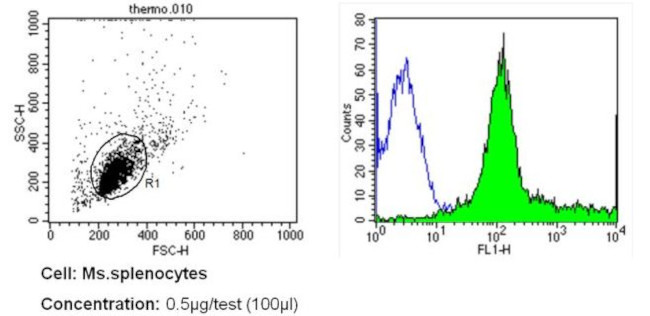
FIGURE: 1 / 44
CD31 Antibody (MA3105) in Flow
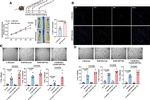
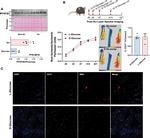
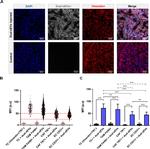
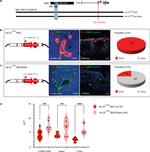
Flow cytometry analysis of CD31 in mouse splenocytes (green) compared to an isotype control (blue). Human blood was collected, combined with a hydrophilic polysaccharide, centrifuged, transferred to a conical tube and washed with PBS. 50 µL of cell solution was added to each tube at a dilution of 2x10^7 cells/mL, followed by the addition of 50 µL of isotype control and primary antibody (Product # MA3105) at a dilution of 0.5 µg/test. Cells were incubated for 30 min at 4°C and washed with a cell buffer, followed by incubation with a DyLight... View More
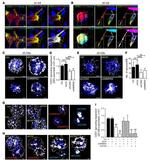
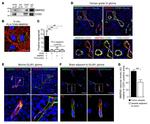
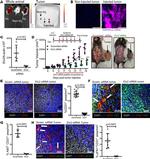
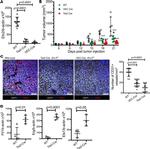
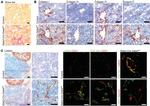
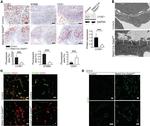
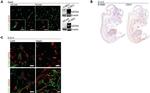
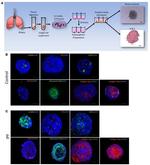
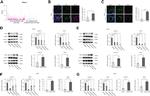
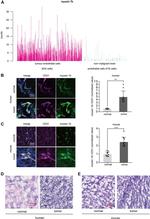
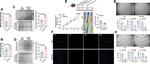
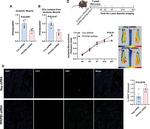
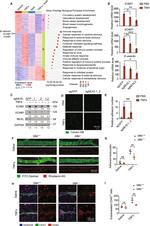
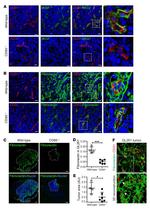
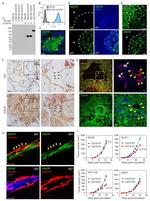
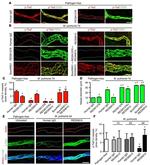
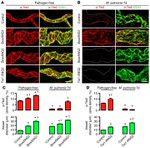
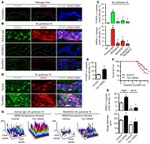
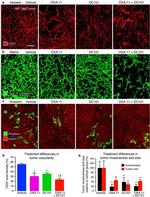
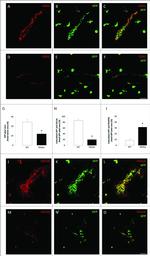
.jpg?time=20220826)
.jpg?time=20220826)
Please note: We are reviewing Western blot images included in the antibody testing data in our catalog, including those provided by third parties. Unless expressly labeled or annotated as “raw-unedited”, Western blot images included in the antibody testing data in our catalog may have been edited, optimized or otherwise adjusted for presentation.


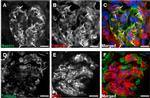
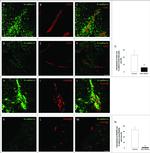
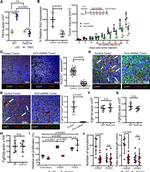
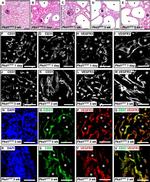
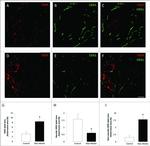
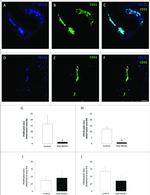
.jpg?time=20220826?time=20220826 "CD31 Antibody (MA3105) in IHC")

.jpg?time=20220826?time=20220826 "CD31 Antibody (MA3105) in IHC")


Product Details
MA3105
Applications
Tested Dilution
Publications
Product Specifications
Species Reactivity
Human,
Mouse
Published species
Human,
Mouse
Host/Isotype
Armenian hamster
/ IgG
Class
Monoclonal
Type
Antibody
Clone
2H8
Immunogen
Mouse PECAM-1 (CD31)
Conjugate
Unconjugated
Unconjugated
Unconjugated
Form
Liquid
Concentration
1 mg/mL
Amount
500 µg
Purification
Protein G
Storage buffer
PBS
Contains
no preservative
Storage conditions
-20°C
Shipping conditions
Ambient (domestic); Wet ice (international)
RRID
Product Specific Information
MA3105 targets CD31 in FACS, and Neu applications and shows reactivity with mouse and Human samples.
The MA3105 immunogen is mouse PECAM-1 (CD31).
MA3105 detects CD31 which has a predicted molecular weight of approximately 79 kDa.
This product has been tested for endotoxins by limulus amoebocyte lysate (LAL) assay and contains an endotoxin concentration of less than or equal to 10 endotoxin units per milligram (EU/mg).
Target Information
CD31 (platelet endothelial cell adhesion molecule-1, PECAM-1) is an inhibitory coreceptor involved in regulation of T cell and B cell signaling by a dual immunoreceptor tyrosine-based inhibitory motif (ITIM) that upon associated kinases-mediated phosphorylation provide docking sites for protein-tyrosine phosphatases. CD31 is expressed ubiquitously within the vascular compartment and is located mainly at junctions between adjacent cells. N-terminal Ig-like domain of CD31 is responsible for its homophilic binding, which plays an important role in cell-cell interactions. CD31 is a multifunctional molecule with diverse roles in modulation of integrin-mediated cell adhesion, transendothelial migration, angiogenesis, apoptosis, negative regulation of immunoreceptor signaling, autoimmunity, macrophage phagocytosis, IgE-mediated anaphylaxis and thrombosis. It is one of key regulatory molecules in vascular system.
For Research Use Only. Not for use in diagnostic procedures. Not for resale without express authorization.
Bioinformatics
Protein Aliases: adhesion molecule; CD 31; CD31 antigen; PECAM-1 precursor; platelet endothelial cell adhesion molecule-1; unnamed protein product
Gene Aliases: CD31; CD31/EndoCAM; endoCAM; GPIIA'; PECA1; Pecam; PECAM-1
UniProt ID: (Human) P16284, (Mouse) Q08481
Entrez Gene ID: (Human) 5175, (Mouse) 18613
angiogenesis
blood vessel development
endothelial cell development
endothelial cell morphogenesis
positive regulation of leukocyte migration
positive regulation of cellular extravasation
phagocytosis
immune response
cell adhesion
homophilic cell adhesion via plasma membrane adhesion molecules
leukocyte cell-cell adhesion
signal transduction
cell surface receptor signaling pathway
Rho protein signal transduction
cell migration
regulation of cell migration
positive regulation of cell migration
negative regulation of actin filament polymerization
negative regulation of GTPase activity
monocyte extravasation
wound healing
T cell activation
vasodilation
positive regulation of tyrosine phosphorylation of STAT protein
positive regulation of MAPK cascade
endothelial cell migration
negative regulation of peptidyl-tyrosine phosphorylation
diapedesis
detection of mechanical stimulus
positive regulation of protein kinase B signaling
establishment of endothelial barrier
bicellular tight junction assembly
cellular response to mechanical stimulus
glomerular endothelium development
neutrophil extravasation
endothelial cell-matrix adhesion
cell-cell adhesion
positive regulation of protein localization to cell-cell junction
positive regulation of intracellular signal transduction
cell recognition
maintenance of blood-brain barrier
Disclaimer

Clicking the images or links will redirect you to a website hosted by BenchSci that provides third-party scientific content. Neither the content nor the BenchSci technology and processes for selection have been evaluated by us; we are providing them as-is and without warranty of any kind, including for use or application of the Thermo Fisher Scientific products presented.

Performance Guarantee
If an Invitrogen™ antibody doesn't perform as described on our website or datasheet,we'll replace the product at no cost to you, or provide you with a credit for a future purchase.*
Learn more
We're here to help
Get expert recommendations for common problems or connect directly with an on staff expert for technical assistance related to applications, equipment and general product use.
Contact tech support