Search
Invitrogen
Oligomer A11 Polyclonal Antibody
{{$productOrderCtrl.translations['antibody.pdp.commerceCard.promotion.promotions']}}
{{$productOrderCtrl.translations['antibody.pdp.commerceCard.promotion.promocode']}}: {{promo.promoCode}} {{promo.promoTitle}} {{promo.promoDescription}}. {{$productOrderCtrl.translations['antibody.pdp.commerceCard.promotion.learnmore']}}
{{$ctrl.translations['antibody.pdp.skuNotes.additionalInformation']}}:
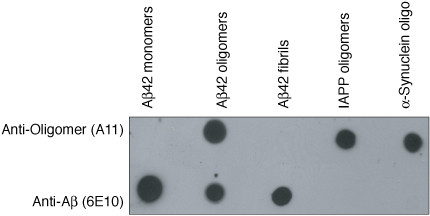
图: 1 / 13
Oligomer A11 Antibody (AHB0052) in WB
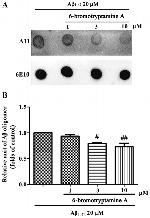
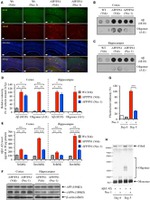
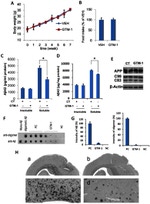
Rabbit Anti-Oligomer (A11) Polyclonal Antibody. 1 µg of soluble Abeta42 monomers, Abeta42 oligomers, Ab42 fibrils, IAPP oligomers and alpha-Synuclein oligomers was applied to a nitrocellulose membrane and probed with Rabbit Anti-oligomer (A11) polyclonal antibody (top row; Product # AHB0052) or with 6E10 (bottom row, Product # 44-352). Anti-oligomer antibody recognizes all types of oligomers, but not monomers or fibrils. 6E10 recognizes all species of Abeta without regard to conformation, but not IAPP or alpha-Synuclein.
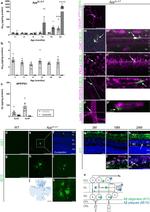
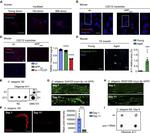
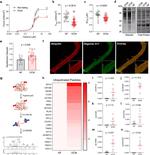
Please note: We are reviewing Western blot images included in the antibody testing data in our catalog, including those provided by third parties. Unless expressly labeled or annotated as “raw-unedited”, Western blot images included in the antibody testing data in our catalog may have been edited, optimized or otherwise adjusted for presentation.


产品信息
AHB0052
应用
建议稀释比
已发表文章
产品规格
种属反应
Human,
Mouse,
Rat
已发表种属
Bacteria,
Cat,
Cynomolgus monkey,
Fruit fly,
Human,
Mouse,
Nematode,
Rat,
Zebrafish
宿主/亚型
Rabbit
/ IgG
分类
Polyclonal
类型
Antibody
抗原
Synthetic molecular mimic of soluble oligomers.
偶联物
Unconjugated
Unconjugated
Unconjugated
形式
Liquid
浓度
1.0 mg/mL
规格
50 µg
纯化类型
purified
保存液
PBS, pH 7.4
内含物
0.1% sodium azide
保存条件
Store at 4°C short term. For long term storage, store at -20°C, avoiding freeze/thaw cycles.
运输条件
Ambient (domestic); Wet ice (international)
RRID
产品详细信息
This antibody recognizes amino acid sequence-independent oligomers of proteins or peptides. A11 does not recognize monomers or mature fibers of proteins or peptides. A11 reacts with soluble AB42 oligomers and does not react with soluble low molecular weight AB40 or AB40 fibrils. A11 recognizes oligomeric species of several other amyloidogenic polypeptides including AB42, human insulin, prion, polyglutamine, lysozyme, alpha-synuclein and yeast prion Sup35.
Oligomeric AB42 is recommended as a positive control, monomeric and fibrillar AB42 as negative controls.
靶标信息
Amyloid beta oligomers are aggregates of the amyloid beta peptide, which is derived from the amyloid precursor protein (APP) through enzymatic cleavage. These oligomers are considered to be neurotoxic and have been implicated in the pathogenesis of Alzheimer's disease. Structurally, these oligomers can vary in size and form, ranging from dimers to large aggregates, and their formation is influenced by factors such as the peptide concentration, pH, and presence of metals. Functionally, these oligomers disrupt cellular processes, leading to synaptic dysfunction, oxidative stress, and ultimately neuronal death. They exert their toxic effects by interacting with cell membranes, forming pores, and triggering intracellular signaling pathways that result in neurodegeneration. The exact mechanisms by which Amyloid beta oligomers contribute to Alzheimer's disease are still under investigation, but they are a key focus of therapeutic strategies aimed at mitigating the progression of the disease.
仅用于科研。不用于诊断过程。未经明确授权不得转售。
生物信息学
蛋白别名: ABPP; AG; alzheimer disease amyloid A4 protein homolog; alzheimer disease amyloid protein; amyloid A4; amyloid beta; amyloid beta (A4) precursor protein; amyloid beta A4 protein; amyloid beta precursor protein (ABPP); amyloid beta protein; amyloid beta protein 695; amyloid beta-protein precursor; amyloid precursor protein; amyloid protein; amyloidogenic glycoprotein; appican; beta-amyloid A4; beta-amyloid peptide; beta-amyloid peptide(1-40); beta-amyloid peptide(1-42); beta-amyloid precursor protein; beta-amyloid protein; cerebral vascular amyloid peptide; peptidase nexin-II; protease nexin II; protease nexin-II; testicular tissue protein Li 2; unnamed protein product
基因别名: AAA; ABETA; ABPP; AD1; Adap; Ag; alpha-sAPP; APPI; betaApp; CTFgamma; CVAP; E030013M08Rik; PN-II; PN2; preA4
UniProt ID: (Human) P05067, (Rat) P08592, (Mouse) P12023
Entrez Gene ID: (Human) 351, (Rat) 54226, (Mouse) 11820
G-protein coupled receptor binding
DNA binding
chromatin binding
serine-type endopeptidase inhibitor activity
receptor binding
frizzled binding
insulin receptor binding
integrin binding
protein binding
heparin binding
peptidase activator activity
enzyme binding
peptidase inhibitor activity
receptor activator activity
acetylcholine receptor activator activity
acetylcholine receptor binding
apolipoprotein binding
chemoattractant activity
identical protein binding
protein homodimerization activity
heparan sulfate proteoglycan binding
ephrin receptor binding
transition metal ion binding
protein heterodimerization activity
receptor agonist activity
low-density lipoprotein particle receptor binding
RAGE receptor binding
chaperone binding
PTB domain binding
growth factor receptor binding
amylin binding
protein serine/threonine kinase binding
molecular function activator activity
heparan sulfate binding
RNA polymerase II core promoter proximal region sequence-specific DNA binding
zinc ion binding
protein kinase binding
protein domain specific binding
negative regulation of transcription from RNA polymerase II promoter
microglial cell activation
suckling behavior
astrocyte activation involved in immune response
regulation of transcription from RNA polymerase II promoter
regulation of translation
protein phosphorylation
calcium ion transport
cellular copper ion homeostasis
endocytosis
response to oxidative stress
G-protein coupled receptor signaling pathway
adenylate cyclase-activating G-protein coupled receptor signaling pathway
adenylate cyclase-inhibiting G-protein coupled receptor signaling pathway
chemical synaptic transmission
axonogenesis
central nervous system development
learning or memory
learning
memory
mating behavior
locomotory behavior
axo-dendritic transport
cholesterol metabolic process
negative regulation of cell proliferation
associative learning
adult locomotory behavior
visual learning
response to lead ion
gene expression
regulation of gene expression
positive regulation of gene expression
negative regulation of gene expression
positive regulation of G2/M transition of mitotic cell cycle
response to auditory stimulus
microglia development
axon midline choice point recognition
neuron remodeling
dendrite development
calcium-mediated signaling
negative regulation of Wnt signaling pathway
extracellular matrix organization
forebrain development
neuron projection development
phospholipase D-activating G-protein coupled receptor signaling pathway
positive regulation of synaptic transmission, cholinergic
positive regulation of chemokine production
positive regulation of interferon-gamma production
positive regulation of interleukin-1 beta production
positive regulation of interleukin-6 production
positive regulation of tumor necrosis factor production
positive regulation of superoxide anion generation
regulation of toll-like receptor signaling pathway
ionotropic glutamate receptor signaling pathway
swimming behavior
regulation of multicellular organism growth
positive regulation of apoptotic process
positive regulation of MAPK cascade
regulation of neuron apoptotic process
positive regulation of neuron apoptotic process
innate immune response
positive regulation of nitric oxide biosynthetic process
response to ethanol
negative regulation of neuron differentiation
positive regulation of neuron differentiation
positive regulation of G-protein coupled receptor protein signaling pathway
positive regulation of Toll signaling pathway
positive regulation of glycolytic process
positive regulation of mitotic cell cycle
positive regulation of transcription from RNA polymerase II promoter
positive regulation of JNK cascade
astrocyte activation
regulation of long-term neuronal synaptic plasticity
collateral sprouting in absence of injury
positive regulation of inflammatory response
regulation of synapse structure or activity
synapse organization
positive regulation of calcium-mediated signaling
neuromuscular process controlling balance
cognition
positive chemotaxis
positive regulation of membrane protein ectodomain proteolysis
synaptic growth at neuromuscular junction
regulation of protein metabolic process
positive regulation of protein metabolic process
protein homooligomerization
protein tetramerization
neuron apoptotic process
smooth endoplasmic reticulum calcium ion homeostasis
regulation of neurotransmitter uptake
low-density lipoprotein particle mediated signaling
antimicrobial humoral immune response mediated by antimicrobial peptide
protein trimerization
positive regulation of ERK1 and ERK2 cascade
response to interleukin-1
cellular response to copper ion
cellular response to manganese ion
cellular response to cAMP
cellular response to norepinephrine stimulus
positive regulation of monocyte chemotaxis
negative regulation of canonical Wnt signaling pathway
modulation of excitatory postsynaptic potential
hippocampal neuron apoptotic process
positive regulation of gene expression, epigenetic
positive regulation of cAMP/PKA signal transduction
regulation of spontaneous synaptic transmission
cytosolic mRNA polyadenylation
negative regulation of protein localization to nucleus
regulation of beta-amyloid clearance
negative regulation of long-term synaptic potentiation
positive regulation of long-term synaptic potentiation
positive regulation of long term synaptic depression
positive regulation of NIK/NF-kappaB signaling
negative regulation of beta-amyloid formation
regulation of calcium ion transmembrane transport via high voltage-gated calcium channel
negative regulation of pri-miRNA transcription from RNA polymerase II promoter
regulation of dendritic spine maintenance
negative regulation of dendritic spine maintenance
positive regulation of amyloid precursor protein catabolic process
regulation of endoplasmic reticulum stress-induced neuron intrinsic apoptotic signaling pathway
negative regulation of blood circulation
positive regulation of G protein-coupled receptor internalization
positive regulation of endothelin production
positive regulation of protein import
cellular response to beta-amyloid
regulation of presynapse assembly
negative regulation of presynapse assembly
positive regulation of response to endoplasmic reticulum stress
regulation of amyloid fibril formation
positive regulation of amyloid fibril formation
amyloid fibril formation
cellular response to nerve growth factor stimulus
response to insulin-like growth factor stimulus
neuron projection maintenance
positive regulation of T cell migration
positive regulation of excitatory postsynaptic potential
positive regulation of extrinsic apoptotic signaling pathway
response to yeast
antibacterial humoral response
antifungal humoral response
regulation of Wnt signaling pathway
lipoprotein metabolic process
regulation of MAPK cascade
defense response to Gram-negative bacterium
defense response to Gram-positive bacterium
positive regulation of cell activation
positive regulation of protein kinase B signaling
NMDA selective glutamate receptor signaling pathway
regulation of response to calcium ion
long-term synaptic potentiation
Disclaimer

Clicking the images or links will redirect you to a website hosted by BenchSci that provides third-party scientific content. Neither the content nor the BenchSci technology and processes for selection have been evaluated by us; we are providing them as-is and without warranty of any kind, including for use or application of the Thermo Fisher Scientific products presented.

