Thermo Fisher Scientific

Where forward-thinking scientists, educators and safety professionals come to share and discover information that makes the world a cleaner, safer & healthier place to live.

  • Categories
    • Advancing Materials
    • Advancing Mining
    • AnalyteGuru
    • Analyzing Metals
    • Ask a Scientist
    • Behind the Bench
    • Biotech at Scale
    • Clinical Conversations
    • Examining Food
    • Identifying Threats
    • Illuminating Semiconductors
    • Life in Atomic Resolution
    • Life in the Lab
    • OEMpowered
    • The Connected Lab
  • About Us
  • Contact
Round gray circle with a human silhouette. Dark gray shadow on the bottom. Isolated on a light background. EPS 10.

Expertise

handheld XRF analyzersPositive Material Identification

Education

Thomas Edison State University - Nuclear Engineering Nuclear Power School - Naval Nuclear Power Training Command (NNPTC)

Brian Wilson

Business Development Manager for Field and Safety Instruments, Thermo Fisher Scientific

Brian Wilson was the Business Development Manager for Field and Safety Instruments in Energy Markets for 6 years at Thermo Fisher Scientific.
Advancing Mining

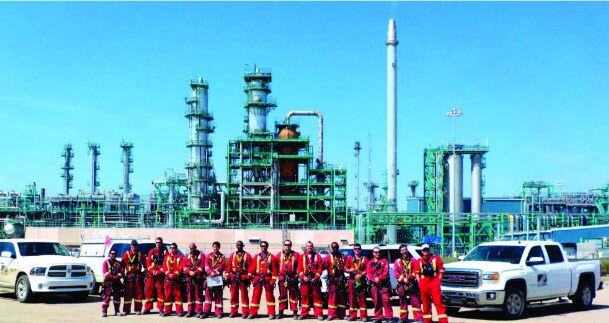
Oil and Gas PMI Crews in Action – Photo Gallery

August 30, 2016

Read more Oil and Gas PMI Crews in Action – Photo Gallery
fracking operations

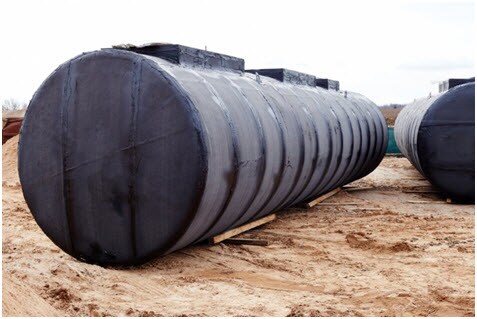
Fracking Puts Some Cracks in the Steel Industry
January 12, 2016

Read more Fracking Puts Some Cracks in the Steel Industry
microtunneling

Four Environmental Benefits of Microtunneling

May 21, 2015

Read more Four Environmental Benefits of Microtunneling

Analyzing Metals

Cutting Technology for Knife Blade Metals

Cutting Technology for Knife Blade Metals

May 26, 2020

Read more Cutting Technology for Knife Blade Metals
Alloy 617 Makes the Grade

Alloy 617 Makes the Grade

May 19, 2020

Read more Alloy 617 Makes the Grade

7 Tips for Better Sample Prep in LIBS Analysis

7 Tips for Better Sample Prep in LIBS Analysis (with Video!)

January 28, 2020

Read more 7 Tips for Better Sample Prep in LIBS Analysis (with Video!)
10 Features to Look for When Purchasing a LIBS Handheld Analyzer

10 Features to Look for When Purchasing a Handheld LIBS Analyzer

December 3, 2019

Read more 10 Features to Look for When Purchasing a Handheld LIBS Analyzer
Analysis of Carbon Equivalents in Welded Steel Components with LIBS

Carbon Equivalency in Welded Steel Components with LIBS

November 19, 2019

Read more Carbon Equivalency in Welded Steel Components with LIBS
FABTECH: Metal Manufacturing Technology and Innovation
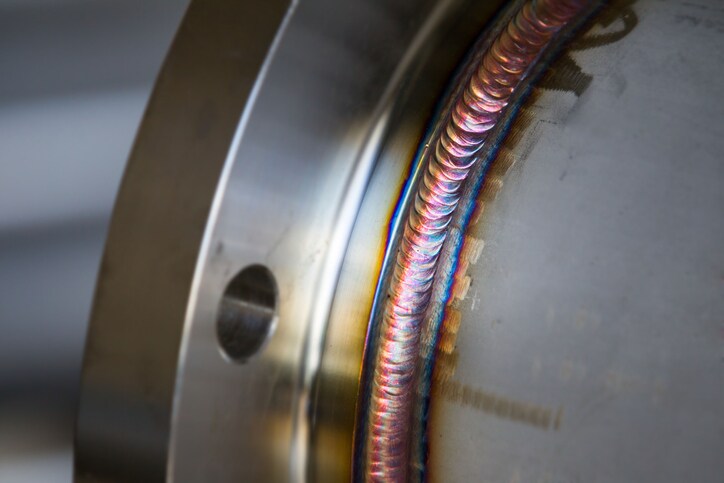
FABTECH: Metal Manufacturing Technology and Innovation

November 5, 2019

Read more FABTECH: Metal Manufacturing Technology and Innovation
What You Need to Know About PMI of Pipeline Welds and Demister Pads

What You Need to Know About PMI of Pipeline Welds and Demister Pads

June 4, 2019

Read more What You Need to Know About PMI of Pipeline Welds and Demister Pads
Metal fasteners, such as screws, nuts, bolts, and clamps, are critical components in manufacturing and construction. Fasteners are made from steel, brass, aluminum, or other metals, depending on the design specifications of the application for which they are being used. Fasteners made with the wrong alloy can result in costly or even catastrophic consequences. Fortunately, inspection and verification of metal alloys used in fasteners can be quickly and easily accomplished using handheld x-ray fluorescence (XRF) analyzers. XRF is a nondestructive testing technique that can analyze a metal sample in seconds with little to no need for sample preparation. A recent example of possibly defective metal fasteners was uncovered during the construction of the Mario M. Cuomo Bridge, a new 3.1 mile twin-span bridge which replaces the Tappan Zee Bridge across the Hudson River in New York. The New York Times reports that the New York attorney general’s office is investigating why a small number of steel bolts intended for the new bridge unexpectedly fractured during the construction process. As first reported by WNBC-TV, some of the allegations were filed by a former safety inspector and suggested that the bolts failed due to hydrogen embrittlement. However, a study obtained by The Times and conducted by engineering firm, Alta Vista, concluded that there was “compelling evidence” that hydrogen embrittlement “is not a cause of the observed bolt failures.” Instead, it said, the fractured bolts were “likely due to occasional material defect or occasional over-tightening.” According to the Nace.org web site, “hydrogen embrittlement is a type of deterioration which can be linked to corrosion and corrosion-control processes. It involves the ingress of hydrogen into a component, an event that can seriously reduce the ductility and load-bearing capacity, cause cracking and catastrophic brittle failures at stresses below the yield stress of susceptible materials. Hydrogen embrittlement occurs in a number of forms but the common features are an applied tensile stress and hydrogen dissolved in the metal. Examples of hydrogen embrittlement are cracking of weldments or hardened steels when exposed to conditions which inject hydrogen into the component. Presently this phenomenon is not completely understood and hydrogen embrittlement detection, in particular, seems to be one of the most difficult aspects of the problem. Hydrogen embrittlement does not affect all metallic materials equally. The most vulnerable are high-strength steels, titanium alloys and aluminum alloys.” To help prevent critical components from failing due to material defect, handheld XRF analyzers are indispensable tools for performing Positive Material Identification (PMI) of incoming raw material to ensure it matches the alloy grade and composition documented on the material test report prior to product manufacture. It is also used for final quality inspection before finished parts are sent to the customer. This “double-check” process helps ensure that the incoming raw materials and the outgoing finished parts meet the expected engineering requirements. To learn more, read Quality Assurance of Critical Fasteners.

XRF for Alloy Verification Improves Safety of Metal Fasteners
March 12, 2019

Read more XRF for Alloy Verification Improves Safety of Metal Fasteners
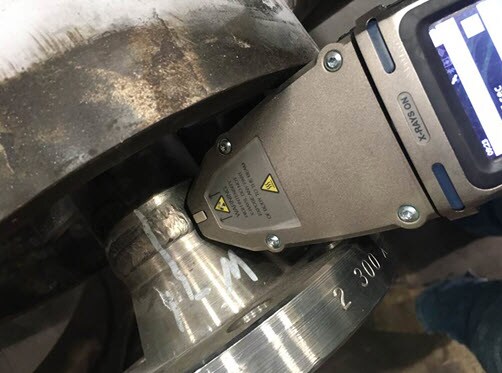
Niton XRF analyzer on pipe

When is a Handheld XRF Analyzer Not Helpful for PMI? When It Doesn’t Fit.

September 18, 2018

Read more When is a Handheld XRF Analyzer Not Helpful for PMI? When It Doesn’t Fit.
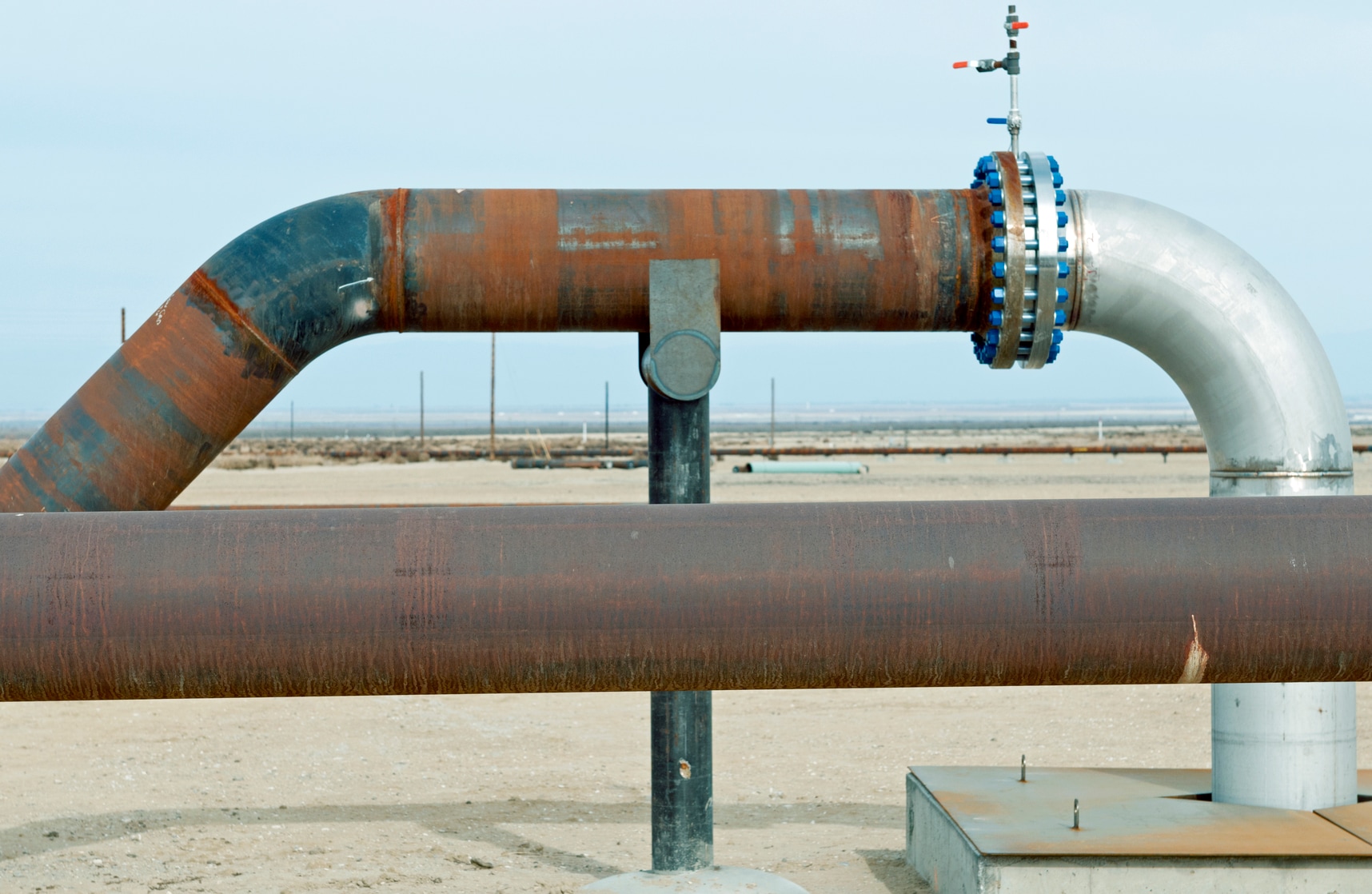
Why PMI (Positive Material Identification)?
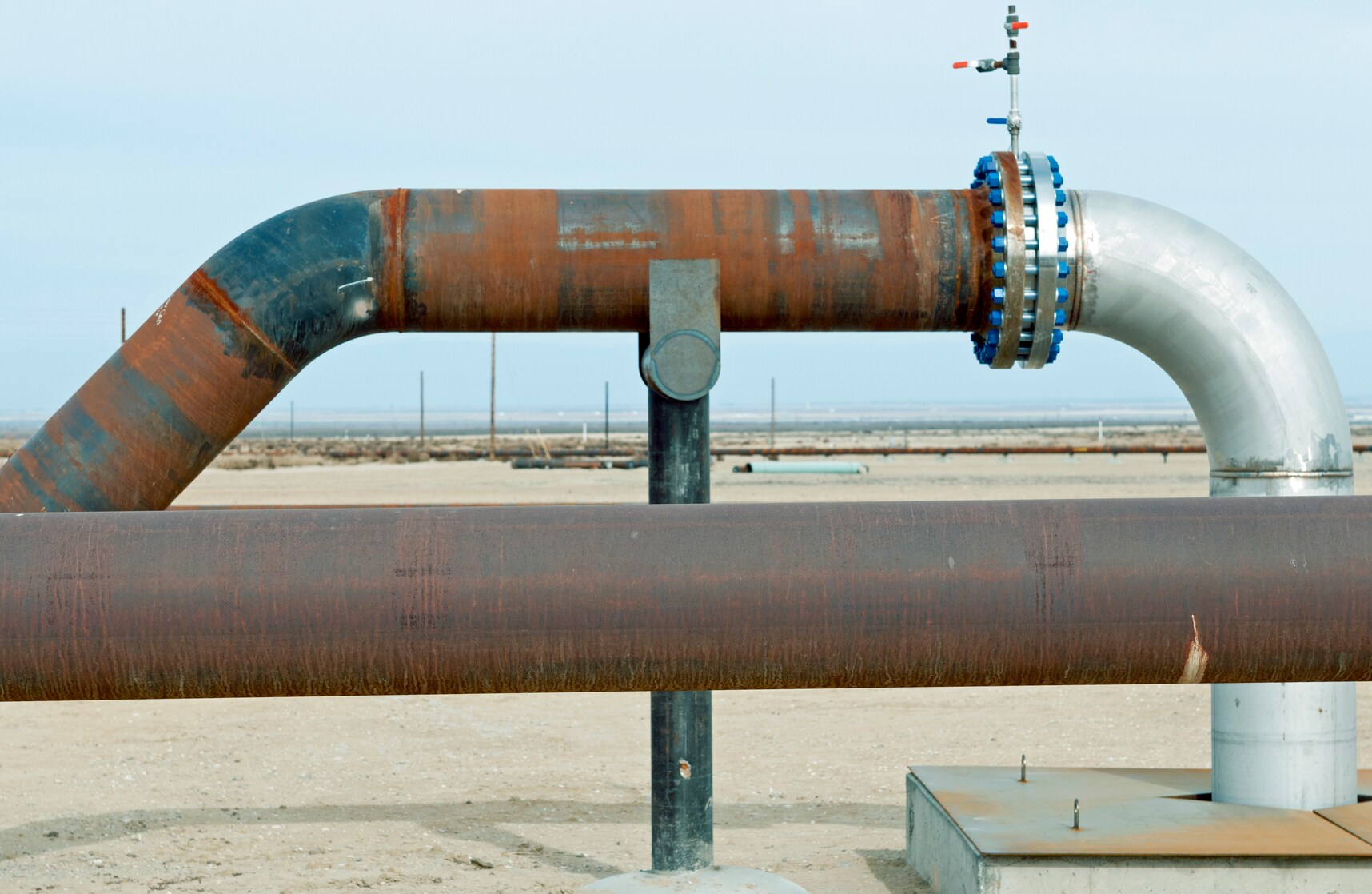
Why PMI (Positive Material Identification)?

August 14, 2018

Read more Why PMI (Positive Material Identification)?

Portable XRF Analyzers Are a Nondestructive PMI Test Method for Oil and Gas Pipelines

June 5, 2018

Read more Portable XRF Analyzers Are a Nondestructive PMI Test Method for Oil and Gas Pipelines
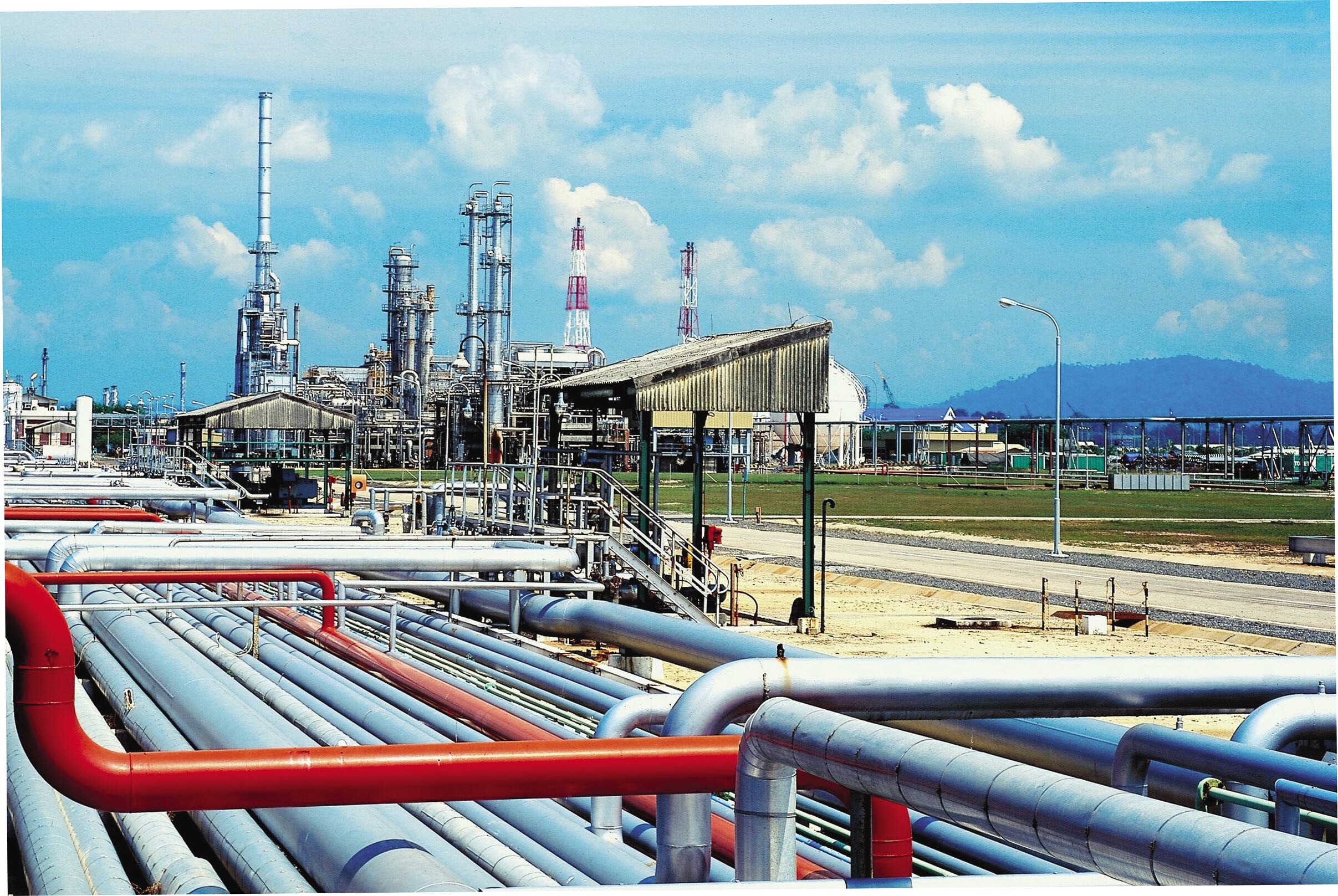
pipline pmi

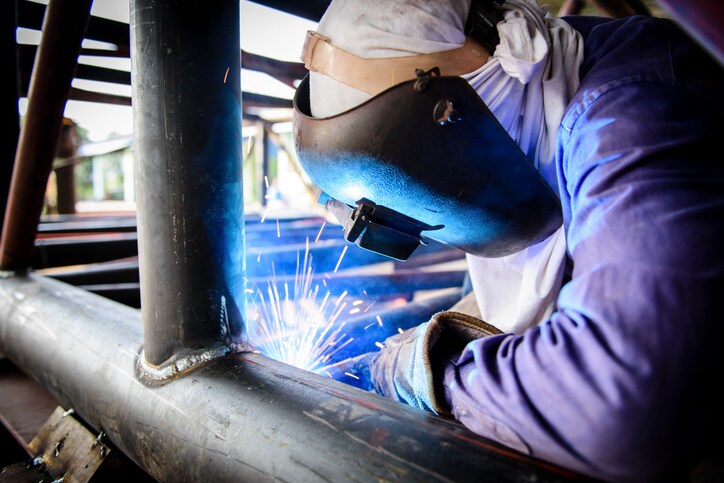
NACE Corrosion 2018 – World’s Largest Corrosion Conference and Expo
April 10, 2018

Read more NACE Corrosion 2018 – World’s Largest Corrosion Conference and Expo
weld fillet seam needs XRF analysis

Who Ordered the Well Done Fillet?

July 11, 2017

Read more Who Ordered the Well Done Fillet?
welding month

Happy National Welding Month

April 25, 2017

Read more Happy National Welding Month
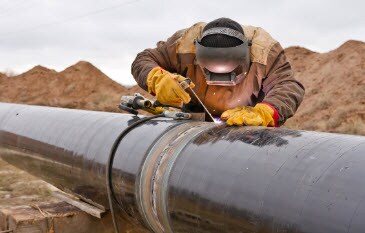
welding pipe

Are You Falling Short of 100% PMI Because You Can’t Reach The Welds?
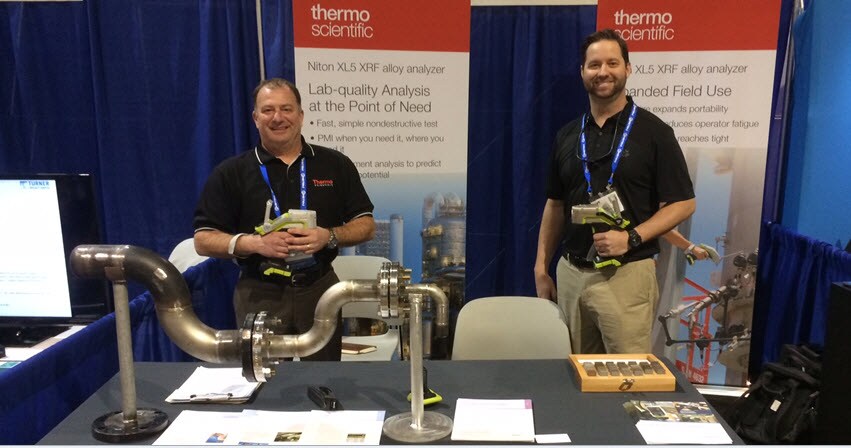
April 4, 2017

Read more Are You Falling Short of 100% PMI Because You Can’t Reach The Welds?
api summit 2017

API’s 4-Day Summit on Pipeline Integrity: What You Missed

March 7, 2017

Read more API’s 4-Day Summit on Pipeline Integrity: What You Missed
roller coaster of steel

The Roller Coaster Thrill Provided by Steel

August 23, 2016

Read more The Roller Coaster Thrill Provided by Steel
gold medals

When is a Gold Medal Not a Gold Medal?

August 11, 2016

Read more When is a Gold Medal Not a Gold Medal?
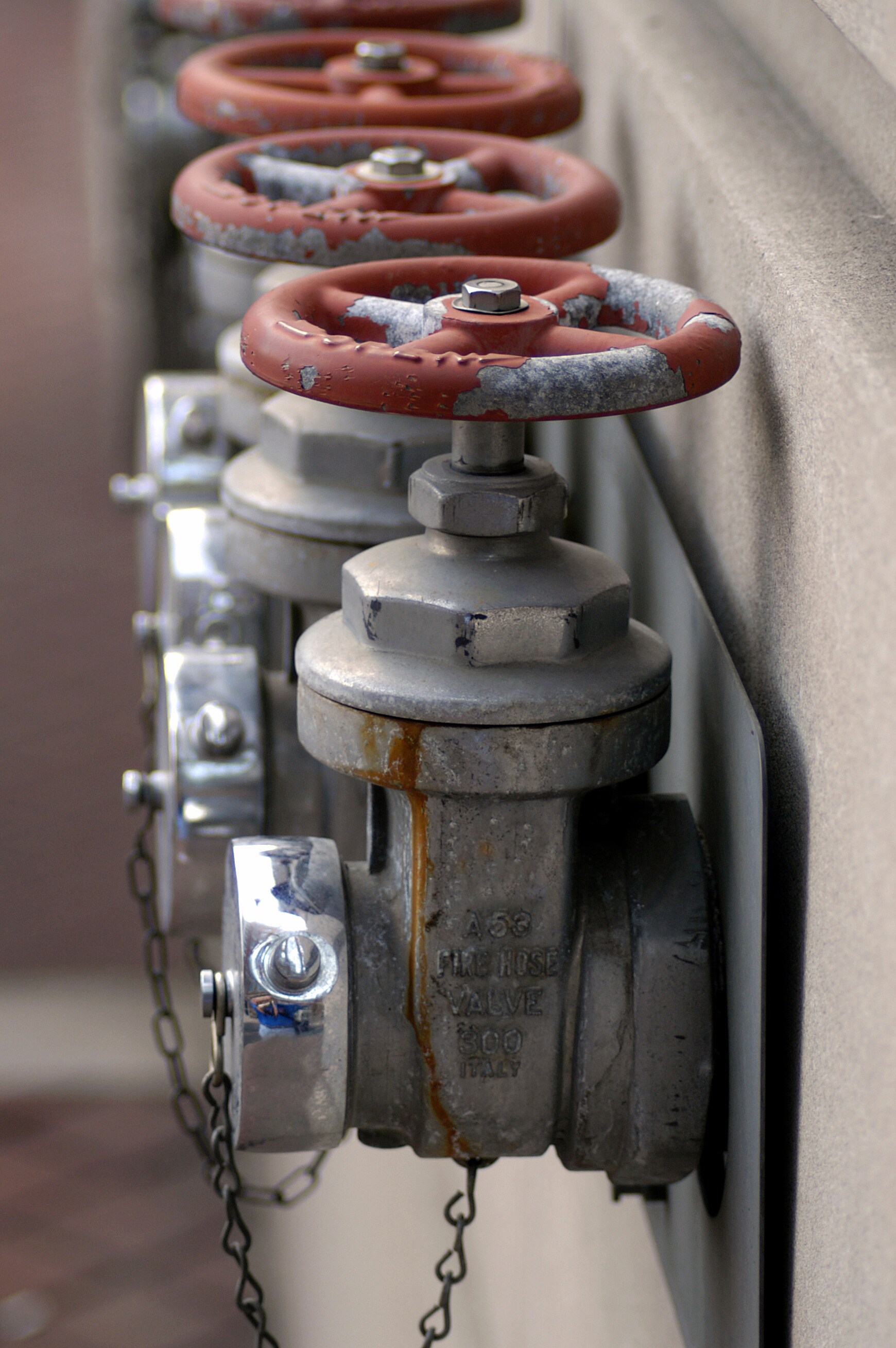
Check valve metals

Are Your Safety Valves Safe?

January 26, 2016

Read more Are Your Safety Valves Safe?
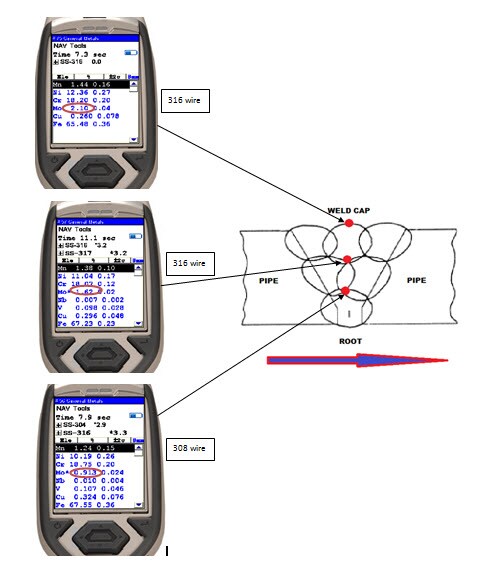
weld screen shots

Pressure Retaining Welds: Its What’s On The Inside That Counts

December 3, 2015

Read more Pressure Retaining Welds: Its What’s On The Inside That Counts

Privacy StatementTerms & ConditionsLocationsSitemap

© 2026 Thermo Fisher Scientific. All Rights Reserved.

US

Talk to us