Search
Invitrogen
Calsequestrin Polyclonal Antibody
{{$productOrderCtrl.translations['antibody.pdp.commerceCard.promotion.promotions']}}
{{$productOrderCtrl.translations['antibody.pdp.commerceCard.promotion.promocode']}}: {{promo.promoCode}} {{promo.promoTitle}} {{promo.promoDescription}}. {{$productOrderCtrl.translations['antibody.pdp.commerceCard.promotion.learnmore']}}
{{$ctrl.translations['antibody.pdp.skuNotes.additionalInformation']}}:
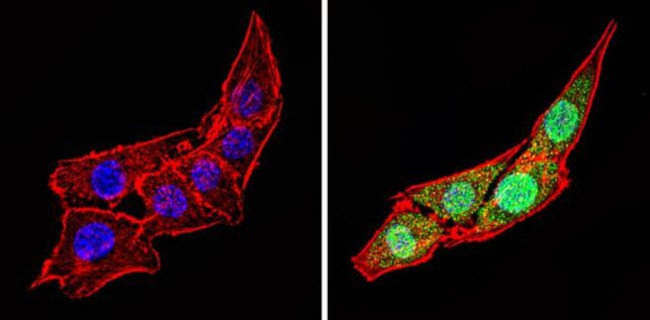
图: 1 / 84
Calsequestrin Antibody (PA1-913) in ICC/IF
Immunofluorescent analysis of Calsequestrin (green) showing staining in the cytoplasm and nucleus of C2C12 cells (right) compared to a negative control without primary antibody (left). Formalin-fixed cells were permeabilized with 0.1% Triton X-100 in TBS for 5-10 minutes and blocked with 3% BSA-PBS for 30 minutes at room temperature. Cells were probed with a Calsequestrin polyclonal antibody (Product # PA1-... View More



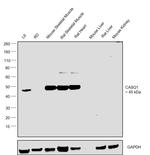
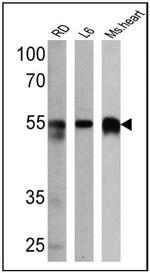
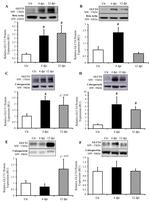
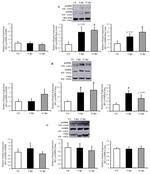
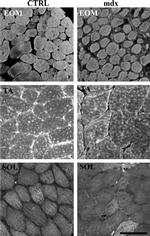
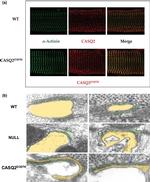
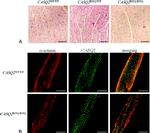
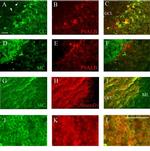
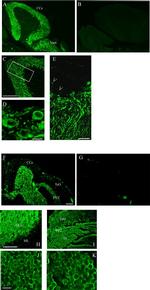
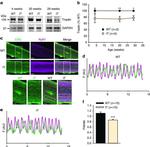
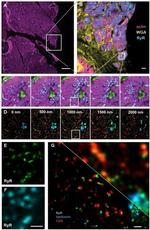
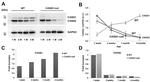
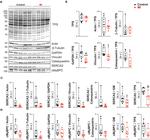
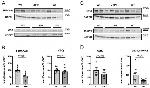
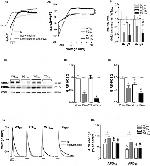
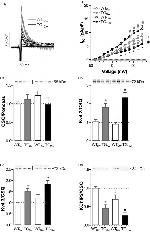
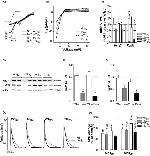
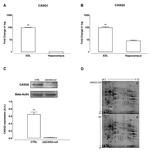
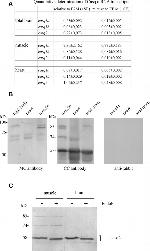
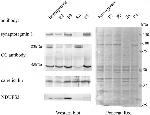
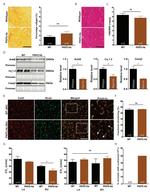
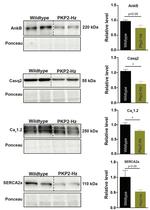
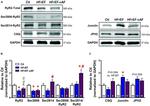
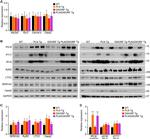
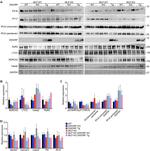
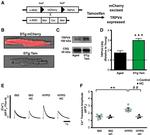
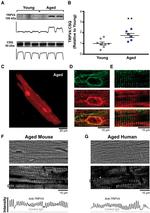
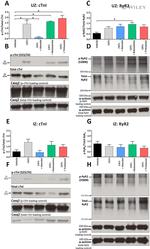
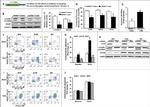
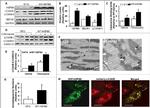
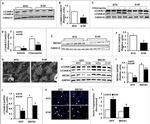
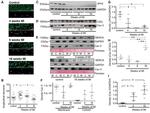
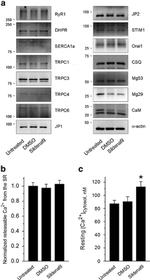
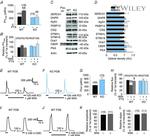
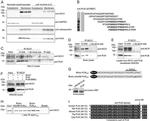
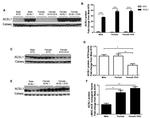
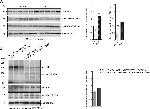
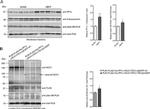
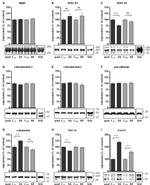
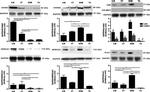
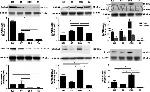
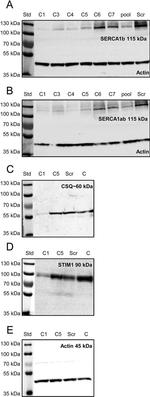
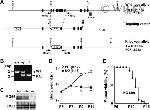
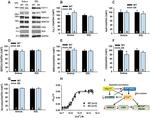
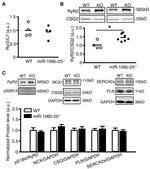
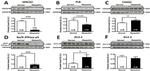
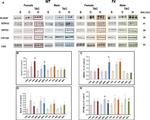
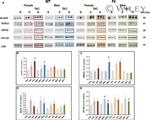
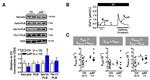
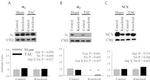
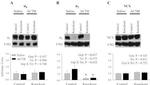
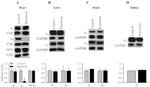
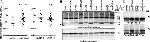
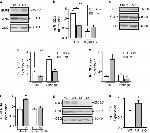
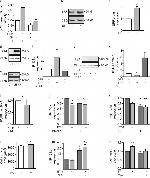
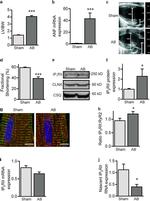
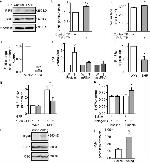
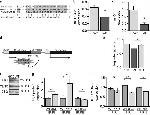
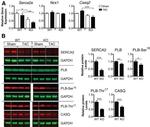
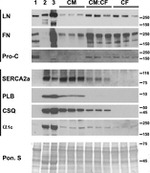
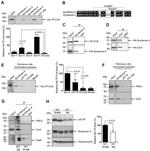
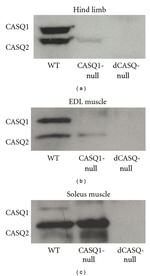
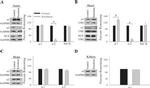
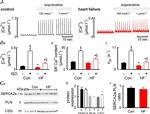
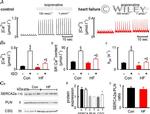
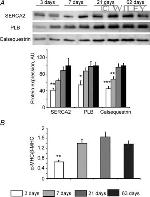
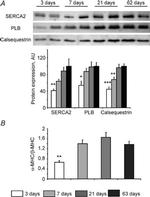
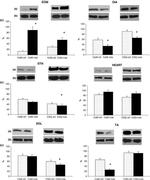
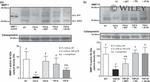
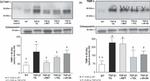
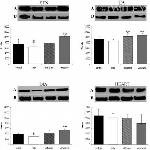
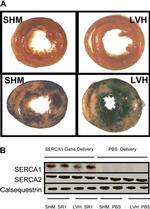
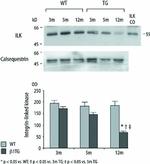
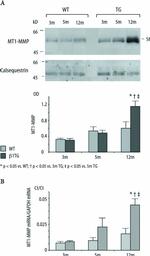
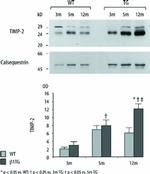
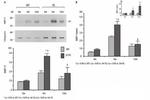
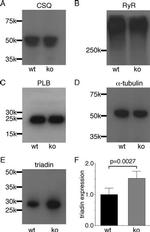
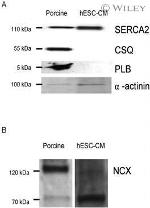
Please note: We are reviewing Western blot images included in the antibody testing data in our catalog, including those provided by third parties. Unless expressly labeled or annotated as “raw-unedited”, Western blot images included in the antibody testing data in our catalog may have been edited, optimized or otherwise adjusted for presentation.


产品信息
PA1-913
应用
建议稀释比
已发表文章
产品规格
种属反应
Dog,
Human,
Mouse,
Sheep,
Rat
已发表种属
Cat,
Dog,
Human,
Mouse,
Rabbit,
Rat,
Sheep,
Zebrafish
宿主/亚型
Rabbit
/ IgG
分类
Polyclonal
类型
Antibody
抗原
Purified canine cardiac calsequestrin.
偶联物
Unconjugated
Unconjugated
Unconjugated
形式
Liquid
浓度
Conc. Not Determined
保存液
whole serum, PBS
内含物
0.05% sodium azide
保存条件
-20°C, Avoid Freeze/Thaw Cycles
运输条件
Ambient (domestic); Wet ice (international)
RRID
产品详细信息
PA1-913 detects calsequestrin from canine, human, mouse, rat and sheep tissues. This antibody recognizes both cardiac and skeletal muscle calsequestrin.
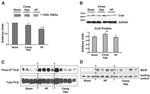
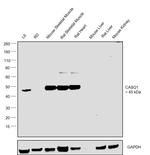
PA1-913 has been successfully used in Western blot, immunofluorescence, immunocytochemistry, immunohistochemistry (paraffin) and immunoprecipitation procedures. By Western blot, this antibody detects an ~55 kDa protein representing calsequestrin from canine cardiac extract. Additional bands at 97 kDa may be observed and have been reported to be calsequestrin-like proteins.
PA1-913 antigen is purified canine cardiac calsequestrin.
靶标信息
The sarcoplasmic reticulum (SR) is, in part, responsible for maintaining the level of intracellular calcium in cardiac and skeletal muscle by storing and releasing calcium. Several intralumenal SR calcium binding proteins have been identified, the most prominent of these is calsequestrin. Calsequstrin is a calcium binding protein known to sequester calcium accumulated in the sarcoplasmic reticulum of muscle cells during relaxation and is found discretely localized to the junctional and corbular (terminal cisternae) SR. Calsequestrin functions to localize calcium near the junctional face of the terminal cisternae from which calcium can be released into the cytosol via the ryanodine receptor. This protein is highly acidic and has a large capacity and moderate to low affinity for calcium.
仅用于科研。不用于诊断过程。未经明确授权不得转售。
生物信息学
蛋白别名: Aspartactin; calmitin; calmitine; calsequestrin 1 (fast-twitch, skeletal muscle); Calsequestrin-1; Laminin-binding protein; mitochondrial calcium-binding protein; unnamed protein product
基因别名: CASQ; CSQ; CSQ-1; CSQ1; PDIB1; sCSQ; VMCQA
UniProt ID: (Human) P31415, (Rat) P19633, (Mouse) O09165
Entrez Gene ID: (Sheep) 101118652, (Dog) 608401, (Human) 844, (Rat) 686019, (Mouse) 12372
positive regulation of release of sequestered calcium ion into cytosol
positive regulation of store-operated calcium channel activity
regulation of store-operated calcium entry
skeletal muscle tissue development
regulation of skeletal muscle contraction by regulation of release of sequestered calcium ion
response to muscle inactivity
response to denervation involved in regulation of muscle adaptation
sarcomere organization
protein polymerization
regulation of release of sequestered calcium ion into cytosol
endoplasmic reticulum organization
response to heat
regulation of release of sequestered calcium ion into cytosol by sarcoplasmic reticulum
regulation of muscle system process
regulation of muscle contraction
regulation of striated muscle contraction
Disclaimer

Clicking the images or links will redirect you to a website hosted by BenchSci that provides third-party scientific content. Neither the content nor the BenchSci technology and processes for selection have been evaluated by us; we are providing them as-is and without warranty of any kind, including for use or application of the Thermo Fisher Scientific products presented.

