Search
Invitrogen
MTCO2 Monoclonal Antibody (12C4F12)
{{$productOrderCtrl.translations['antibody.pdp.commerceCard.promotion.promotions']}}
{{$productOrderCtrl.translations['antibody.pdp.commerceCard.promotion.promocode']}}: {{promo.promoCode}} {{promo.promoTitle}} {{promo.promoDescription}}. {{$productOrderCtrl.translations['antibody.pdp.commerceCard.promotion.learnmore']}}
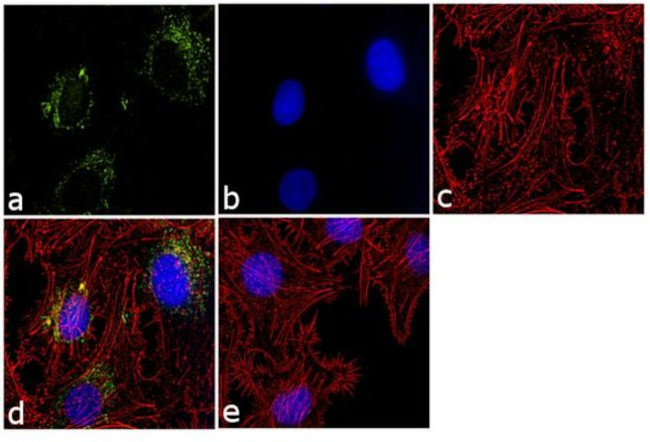
图: 1 / 40
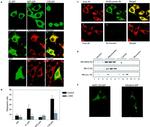
MTCO2 Antibody (A-6404) in ICC/IF
Immunofluorescence analysis of OXPHOS COMPLEX IV SU (MTCO2) was performed using 90% confluent log phase Hep G2 cells. The cells were fixed with 4% paraformaldehyde for 10 minutes, permeabilized with 0.1% Triton™ X-100 for 10 minutes, and blocked with 1% BSA for 1 hour at room temperature. The cells were labeled with MTCO2 (12C4F12) Mouse Monoclonal Antibody (Product # A-6404) at 2µg/mL in 0.1% BSA and incubated for 3 hours at room temperature and then labeled with Goat anti-Mouse IgG (H+L) Superclonal™ Secondary Antibody, Alexa Fluor® 488 ... View More
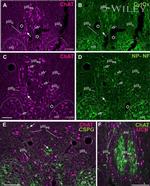

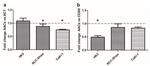
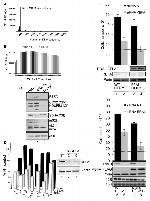
.jpg?time=20240507)
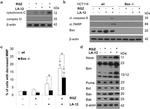
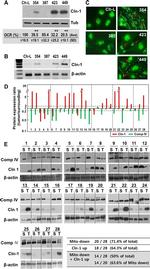
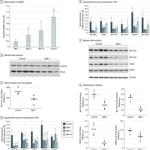
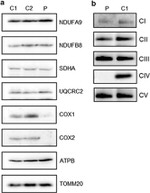
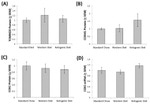
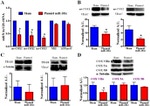
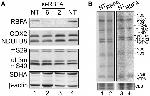
.jpg?time=20240507)
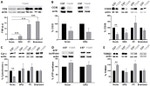
.jpg?time=20240507)
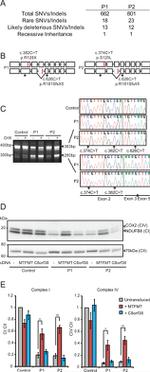
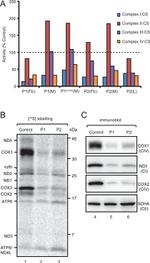
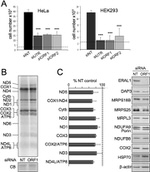
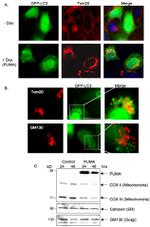
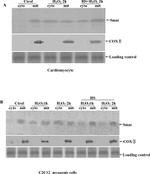
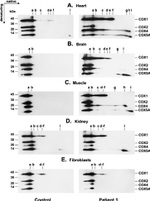
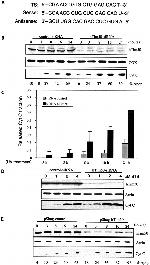
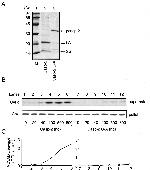
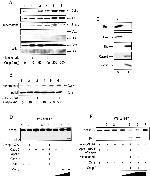
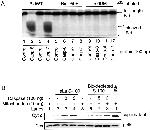
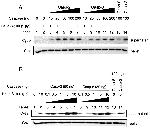
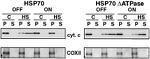
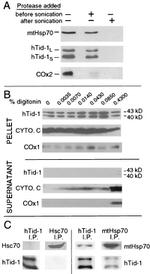
Please note: We are reviewing Western blot images included in the antibody testing data in our catalog, including those provided by third parties. Unless expressly labeled or annotated as “raw-unedited”, Western blot images included in the antibody testing data in our catalog may have been edited, optimized or otherwise adjusted for presentation.


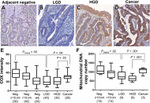
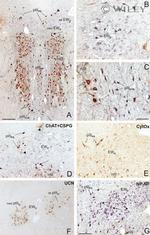
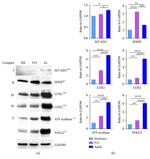
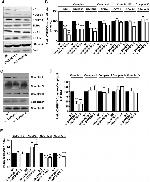
.jpg?time=20240507?time=20240507 "MTCO2 Antibody (A-6404) in WB")
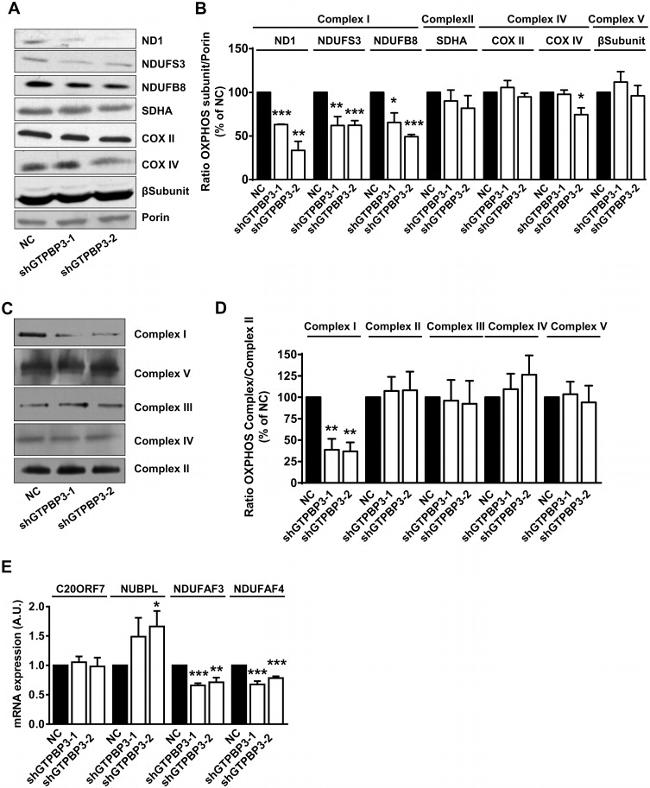


.jpg?time=20240507?time=20240507 "MTCO2 Antibody (A-6404) in WB")
.jpg?time=20240507?time=20240507 "MTCO2 Antibody (A-6404) in WB")


产品信息
A-6404
应用
建议稀释比
已发表文章
产品规格
种属反应
Human
已发表种属
Chicken,
Human,
Mouse,
Non-human primate,
Rat
宿主/亚型
Mouse
/ IgG2a, kappa
分类
Monoclonal
类型
Antibody
克隆号
12C4F12
抗原
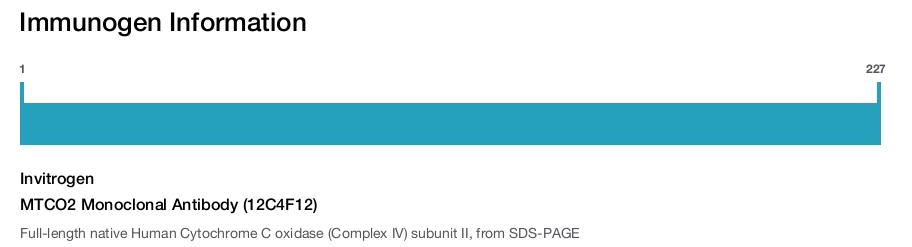
Full-length native Human Cytochrome C oxidase (Complex IV) subunit II, from SDS-PAGE
偶联物
Unconjugated
Unconjugated
Unconjugated
形式
Liquid
浓度
1 mg/mL
规格
100 µg
纯化类型
IgG fraction
保存液
HEPES buffered saline
内含物
0.02% sodium azide
保存条件
4°C, do not freeze
运输条件
Ambient (domestic); Wet ice (international)
RRID
产品详细信息
To facilitate the study of COX structure and mitochondrial biogenesis, Invitrogen offers several subunit-specific mouse anti-OxPhos Complex IV monoclonal antibodies. The binding specificity of our anti-OxPhos Complex IV monoclonal antibody preparations allows researchers to investigate the regulation, assembly, and orientation of COX subunits in a variety of organisms. The antibodies have also proven valuable for analyzing human mitochondrial myopathies and related disorders as well as mitochondrial DNA depletion due to drug toxicity. Alexa Fluor TM 488 and Alexa Fluor TM 594 conjugates of anti- OxPhos Complex IV subunit I are also available for direct staining of these COX proteins. Cell lines can be screened for subunit expression levels for each of the OxPhos complexes by simple western blotting. These results can be combined with native gel electrophoresis or sucrose gradient centrifugation to gather additional information regarding the assembly state of the OxPhos complexes. Many of our antibodies against OxPhos subunits may also be used for immunocytochemical analysis. Image analysis of an antibody's staining pattern can reveal the relative expression and localization of a subunit. This approach has been particularly useful for studying OxPhos subunit expression in diseased muscle fibers and for screening Complex IV-deficient patients.
The antibody was produced in vitro using hybridomas grown in serum-free medium, and then purified by biochemical fractionation. Near homogeneity was judged by SDS-PAGE.
靶标信息
Component of the cytochrome c oxidase, the last enzyme in the mitochondrial electron transport chain which drives oxidative phosphorylation. The respiratory chain contains 3 multisubunit complexes succinate dehydrogenase (complex II, CII), ubiquinol-cytochrome c oxidoreductase (cytochrome b-c1 complex, complex III, CIII) and cytochrome c oxidase (complex IV, CIV), that cooperate to transfer electrons derived from NADH and succinate to molecular oxygen, creating an electrochemical gradient over the inner membrane that drives transmembrane transport and the ATP synthase. Cytochrome c oxidase is the component of the respiratory chain that catalyzes the reduction of oxygen to water. Electrons originating from reduced cytochrome c in the intermembrane space (IMS) are transferred via the dinuclear copper A center (CU(A)) of subunit 2 and heme A of subunit 1 to the active site in subunit 1, a binuclear center (BNC) formed by heme A3 and copper B (CU(B)). The BNC reduces molecular oxygen to 2 water molecules using 4 electrons from cytochrome c in the IMS and 4 protons from the mitochondrial matrix. [UniProt]
仅用于科研。不用于诊断过程。未经明确授权不得转售。
生物信息学
蛋白别名: Co2; cyclooxygenase
基因别名: COII; COX2; MTCO2
UniProt ID: (Human) P00403
Entrez Gene ID: (Human) 4513
Disclaimer

Clicking the images or links will redirect you to a website hosted by BenchSci that provides third-party scientific content. Neither the content nor the BenchSci technology and processes for selection have been evaluated by us; we are providing them as-is and without warranty of any kind, including for use or application of the Thermo Fisher Scientific products presented.

