Search


Citations & References (4)
Invitrogen™
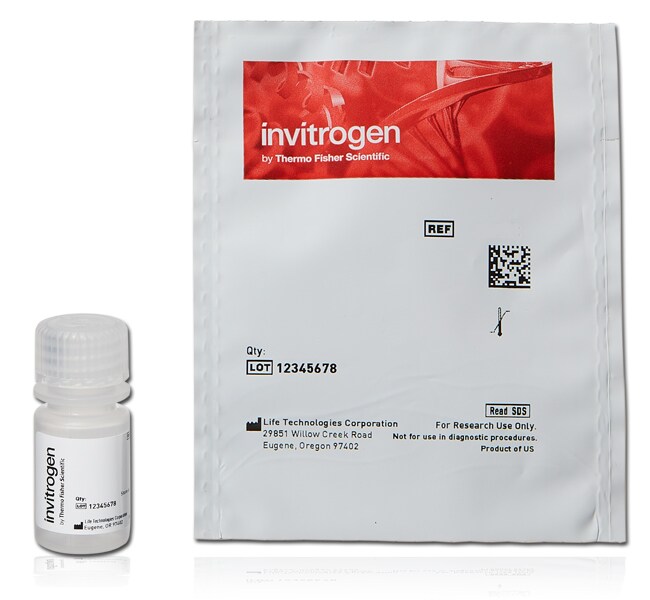
FluoSpheres™ Sulfate-Modified Microspheres, 0.02–4.0 μm
Perform flow cytometry, microscopy, HTS, and HCS with our FluoSpheres Sulfate-Modified Microspheres, featuring different bead diameters.
Have Questions?
Change view

| Catalog Number | Diameter (Metric) | Color |
|---|---|---|
| F8851 also known as F-8851 | 1 μm | Red |
| F8858 | 4 μm | Red |
| F8845 also known as F-8845 | 0.02 μm | Yellow-Green |
| F8848 | 0.20 μm | Yellow-Green |
| F8852 | 1 μm | Yellow-Green |
| F8853 | 2 μm | Yellow-Green |
| F8859 | 4 μm | Yellow-Green |
Catalog number F8851
also known as F-8851
Price (CNY)
6,595.00
Each
Diameter (Metric):
1 μm
Color:
Red
Price (CNY)
6,595.00
Each
Easily perform flow cytometry, microscopy, HTS, HCS, and other laboratory applications using our extensive selection of FluoSpheres Sulfate-Modified Microspheres. These microsphere beads can be used in passive adsorption or active, covalent coupling of proteins, nucleic acids, and biomolecules for particle capture applications.
FluoSpheres Sulfate-Modified Microspheres are loaded with our proprietary fluorescent dyes, making them the brightest microspheres available. Because the fluorescent dye molecules are contained inside each polystyrene microsphere instead of only on the surface, the dye molecules are shielded from many of the environmental effects that cause quenching or photobleaching of exposed fluorophores. The stability, uniformity, and reproducibility of FluoSpheres microspheres, as well as their extensive color selection, make them the preferred tools for research and diagnostic assays that use fluorescence.
FluoSpheres Sulfate-Modified Microspheres are relatively hydrophobic particles that will passively and nearly irreversibly adsorb almost any protein, including albumin, IgG, avidin, and streptavidin.
Key applications of FluoSpheres Sulfate-Modified Microspheres
• Instrument calibration (flow cytometry, microscopy, HTS, HCS)
• Flow testing (microfluidics, blood flow, water flow, and air flow)
• Cell biology tracers (cell differentiation and cell tracing)
• Immunoassays (agglutination tests, ELISA, particle capture, and contrast reagents)
FluoSpheres sulfate-modified microsphere specifications for F8845, F8848, F8852, F8853, and F8859:
• Label (excitation/emission): yellow-green (505/515)
• Nominal bead diameters: 0.02, 0.2, 1.0, 2.0, and 4.0 μm
• Coupling surface: sulfate
• Solids: 2%
FluoSpheres sulfate-modified microsphere specifications for F8851 and F8858:
• Red (580/605)
• Nominal bead diameters: 1.0, 4.0 μm
• Coupling surface: sulfate
• Solids: 2%
FluoSpheres fluorescent microspheres are potentially more sensitive than colorimetric methods in most, if not all, major microsphere-based diagnostic test systems presently in use, including microsphere-agglutination tests, filter separation tests, particle-capture ELISA methods, and two-particle sandwich techniques.
FluoSphere Sulfate-Modified Microspheres (also called latex beads or latex particles) are manufactured using high-quality, ultra-clean polystyrene and are loaded with a variety of our proprietary dyes to create intensely fluorescent beads that typically show little or no photobleaching, even when excited with the intense illumination required for fluorescence microscopy. Every possible precaution is taken throughout the manufacturing process to ensure that the microparticles are kept free of contaminating agents. The final product is sold as a suspension in ultrapure water, in most cases containing 2 mM azide or 0.02% thimerosal as a preservative.
Other surface modifications are available to facilitate the coupling of various molecules and proteins to the surface of the bead, including amine- and carboxylate-modified FluoSphere microspheres.
Choices for unstained microspheres
We also offer hundreds of choices for ultra-clean surfactant-free microspheres for research and commercial applications.
Custom microspheres
We prepare custom microspheres upon request. For example, FluoSpheres Sulfate-Modified microsphere beads can be prepared with intensities that are lower than those of our regular selection, a desirable feature in some multicolor applications. Our custom conjugation service is efficient and confidential, and we guarantee the quality of our work. We are ISO 13485:2000 certified.
For Research Use Only. Not for use in diagnostic procedures.
Specifications
Product LineFLUOSPHERES
Quantity10 mL
Shipping ConditionRoom Temperature
Surface ModificationSulfate
Volume (Metric)10 mL
ColorRed
Diameter (Metric)1 μm
For Use With (Application)Cell Analysis
MaterialPolystyrene
Product TypeMicrosphere
Unit SizeEach
Contents & Storage
Store in refrigerator (2–8°C) and protect from light.
Frequently asked questions (FAQs)
I have some FluoSpheres polystyrene microspheres, with 20 nm diameter. They are aggregating a lot. What can I do about it?
I sonicated my 2.0 µm carboxylate-modified microspheres, as recommended, but saw foaming (bubbles) on top of the solution. Should I be concerned?
What is the warranty for FluoSpheres microspheres?
After washing and centrifugation, there was only a very small pellet left of my microsphere beads and the solution was transparent. Why is this?
I've had my microspheres for over a year, and I'm wondering if they're still good to use. What are some good ways to check their functionality?
Citations & References (4)
Citations & References
Abstract
Recombinant mouse sperm ZP3-binding protein (ZP3R/sp56) forms a high order oligomer that binds eggs and inhibits mouse fertilization in vitro.
Journal:J Biol Chem
PubMed ID:18316377
'Many candidates have been proposed as zona pellucida-binding proteins. Without precluding a role for any of those candidates, we focused on mouse sperm protein ZP3R/sp56, which is localized in the acrosomal matrix. The objective of this study was to analyze the role of ZP3R/sp56 in mouse fertilization. We expressed recombinant
Transitional states of acrosomal exocytosis and proteolytic processing of the acrosomal matrix in guinea pig sperm.
Journal:Mol Reprod Dev
PubMed ID:21919109
In this study, we adapted a FluoSphere bead-binding assay to study the exposure and release of guinea pig sperm acrosomal components during the course of capacitation and acrosomal exocytosis. Prior to capacitation or the initiation of exocytosis, acrosomal proteins were not accessible to FluoSpheres coated with antibodies against two acrosomal
Live-cell superresolution imaging by pulsed STED two-photon excitation microscopy.
Journal:Biophys J
PubMed ID:23442955
Two-photon laser scanning microscopy (2PLSM) allows fluorescence imaging in thick biological samples where absorption and scattering typically degrade resolution and signal collection of one-photon imaging approaches. The spatial resolution of conventional 2PLSM is limited by diffraction, and the near-infrared wavelengths used for excitation in 2PLSM preclude the accurate imaging of
Migration of tumor cells in 3D matrices is governed by matrix stiffness along with cell-matrix adhesion and proteolysis.
Journal:Proc Natl Acad Sci U S A
PubMed ID:16832052
Cell migration on 2D surfaces is governed by a balance between counteracting tractile and adhesion forces. Although biochemical factors such as adhesion receptor and ligand concentration and binding, signaling through cell adhesion complexes, and cytoskeletal structure assembly/disassembly have been studied in detail in a 2D context, the critical biochemical and