Search

Invitrogen™
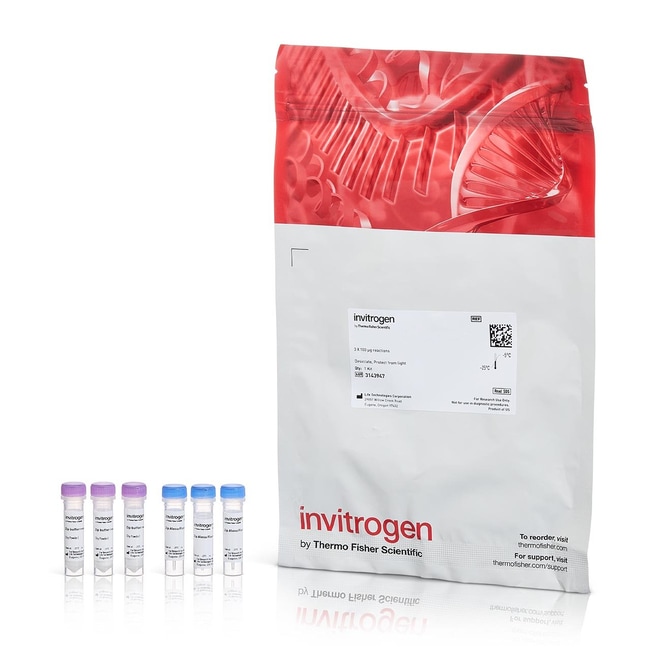
Zip Alexa Fluor™ 快速抗体标记试剂盒
使用 Zip Alexa Fluor 快速抗体标记试剂盒仅需 15 分钟即可生成用于荧光显微镜检测、流式细胞分析、IHC、ICC 等分析的抗体偶联物。
Have Questions?
更改视图

| 货号 | 标签或染料 | 激发/发射 |
|---|---|---|
| Z11235 | Alexa Fluor 647 | 650/665 |
| Z11233 | Alexa Fluor 488 | 490/525 |
| Z11234 | Alexa Fluor 555 | 555/580 |
货号 Z11235
价格(CNY)
3,945.00
飞享价
Ends: 31-Dec-2026
5,331.00共减 1,386.00 (26%)
3 labelings
标签或染料:
Alexa Fluor 647
激发/发射:
650/665
价格(CNY)
3,945.00
飞享价
Ends: 31-Dec-2026
5,331.00共减 1,386.00 (26%)
3 labelings
Invitrogen Zip Alexa Fluor 快速抗体标记试剂盒可利用 Alexa Flour 染料有效快速标记您的珍贵抗体,以在 15 分钟内获取可直接使用的抗体偶联物,回收率为 100%。每个试剂盒含有执行三次 100 μg 抗体单独标记反应所需的全部组分。只需向含有 Zip 缓冲液的组分 A 中加入 1 mL 水,加入 100 μg 抗体,孵育 15 分钟,即可使用您的抗体。这些偶联物适用于多种应用,包括流式细胞分析、荧光显微镜检测、免疫组织化学技术 (IHC)、初步检测、ELISA、免疫细胞化学技术 (ICC) 和间接 FISH。
使用我们的 Invitrogen Zip Alexa Fluor 快速抗体标记试剂盒只需 15 分钟即可生成即用型抗体偶联物。这些试剂盒可帮助您有效地使用各种 Alexa Flour 染料标记珍贵的抗体。
Zip Alexa Fluor 快速抗体标记试剂盒的重要特点:
· 快速 — 抗体偶联物在 15 min 内即可使用
· 高效 — 100% 抗体回收率
· 多功能性 — 试剂盒适用于多种应用
· 易于使用 — 无需化学或偶联经验
· 灵活性 — 可从 Alexa 488、555 和 647 中选择
每个试剂盒包含执行 3 次独立的 100 µg 抗体标记反应所需的一切组分。所得偶联物是多种应用的理想之选,包括流式细胞分析、荧光显微镜检测、免疫组织化学技术 (IHC)、初步检测、ELISA、免疫细胞化学技术 (ICC) 和间接 FISH。
使用 Zip Alexa Fluor 快速抗体标记试剂盒的优势
特异性和多功能性
直接用荧光基团标记一抗,通常产生的背景荧光更少,非特异性结合比例更低。只要直接标记了兼容的荧光基团,同种型或来自相同物种的多种一抗可用在同一实验中。
耐用性
与传统染料相比,Alexa Fluor 染料更明亮、光稳定性更好,且在 pH 值 4 至 10 之间的 pH 值耐受性更强。在使用 Alexa Fluor 染料时,无需分子内淬灭即可实现更高水平的标记。
可以实现定制
库存列表中找不到您所需的内容?我们可以为您制备定制抗体偶联物。我们的定制偶联服务高效且保密, 而且我们绝对保证质量。我们经过ISO 9001:2000认证。
Zip Alexa Fluor 快速抗体标记试剂盒的重要特点:
· 快速 — 抗体偶联物在 15 min 内即可使用
· 高效 — 100% 抗体回收率
· 多功能性 — 试剂盒适用于多种应用
· 易于使用 — 无需化学或偶联经验
· 灵活性 — 可从 Alexa 488、555 和 647 中选择
每个试剂盒包含执行 3 次独立的 100 µg 抗体标记反应所需的一切组分。所得偶联物是多种应用的理想之选,包括流式细胞分析、荧光显微镜检测、免疫组织化学技术 (IHC)、初步检测、ELISA、免疫细胞化学技术 (ICC) 和间接 FISH。
使用 Zip Alexa Fluor 快速抗体标记试剂盒的优势
特异性和多功能性
直接用荧光基团标记一抗,通常产生的背景荧光更少,非特异性结合比例更低。只要直接标记了兼容的荧光基团,同种型或来自相同物种的多种一抗可用在同一实验中。
耐用性
与传统染料相比,Alexa Fluor 染料更明亮、光稳定性更好,且在 pH 值 4 至 10 之间的 pH 值耐受性更强。在使用 Alexa Fluor 染料时,无需分子内淬灭即可实现更高水平的标记。
可以实现定制
库存列表中找不到您所需的内容?我们可以为您制备定制抗体偶联物。我们的定制偶联服务高效且保密, 而且我们绝对保证质量。我们经过ISO 9001:2000认证。
仅供科研使用。不可用于诊断程序。
规格
颜色远红外
激发/发射650/665
套装内容含有反应性荧光标记,3 样品瓶;碳酸氢钠,3 样品瓶
标签类型Alexa Fluor 染料
标记规模100 μg
产品线Alexa Fluor
产品类型Labeling Kit
数量3 次反应
化学反应性胺
标记目标IgG
标签或染料Alexa Fluor 647
Unit Size3 labelings
内容与储存
干燥避光冷冻(-5°C 至 +30°C)储存。