Search
Invitrogen
Bcl-2 Monoclonal Antibody (10C4), PE, eBioscience™
{{$productOrderCtrl.translations['antibody.pdp.commerceCard.promotion.promotions']}}
{{$productOrderCtrl.translations['antibody.pdp.commerceCard.promotion.promocode']}}: {{promo.promoCode}} {{promo.promoTitle}} {{promo.promoDescription}}. {{$productOrderCtrl.translations['antibody.pdp.commerceCard.promotion.learnmore']}}
{{$ctrl.translations['antibody.pdp.skuNotes.additionalInformation']}}:
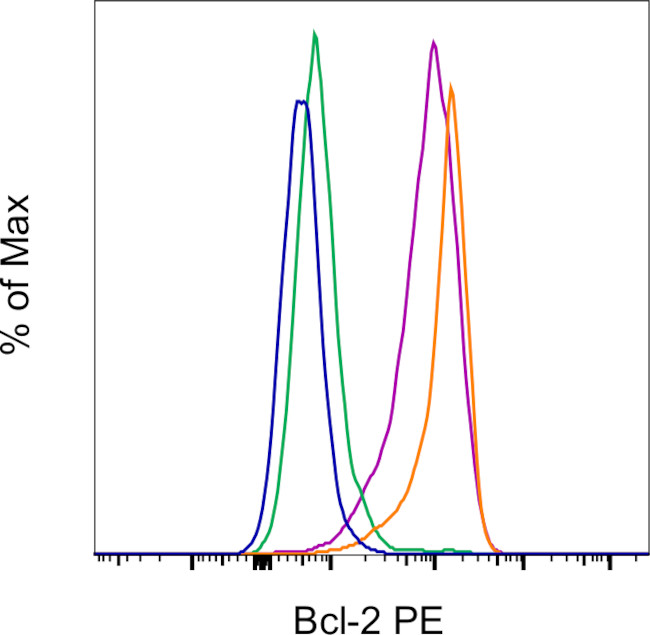
图: 1 / 2
Bcl-2 Antibody (12-6992-42) in Flow
Mouse thymocytes were surface stained with CD4 Monoclonal Antibody, PerCP-eFluor 710 (Product # 46-0042-82) and CD8a Monoclonal Antibody, eFluor 450 (Product # 48-0081-82) followed by intracellular staining with Anti-Mouse/Rat Bcl-2 PE using the Intracellular Fixation and Permeabilization Buffer Set (Product # 88-8824-00) and protocol. CD4+ single positive (purple histogram), CD8+ single positive (orange histogram), and CD4+CD8+ double positive thymocytes (green histogram) were used for analysis. Mouse IgG1 kappa Isotype Control, PE (Produ... View More
Please note: We are reviewing Western blot images included in the antibody testing data in our catalog, including those provided by third parties. Unless expressly labeled or annotated as “raw-unedited”, Western blot images included in the antibody testing data in our catalog may have been edited, optimized or otherwise adjusted for presentation.


产品信息
12-6992-42
应用
建议稀释比
已发表文章
产品规格
种属反应
Mouse,
Rat
宿主/亚型
Mouse
/ IgG1, kappa
分类
Monoclonal
类型
Antibody
克隆号
10C4
偶联物
PE
PE
PE
激发/发射光谱
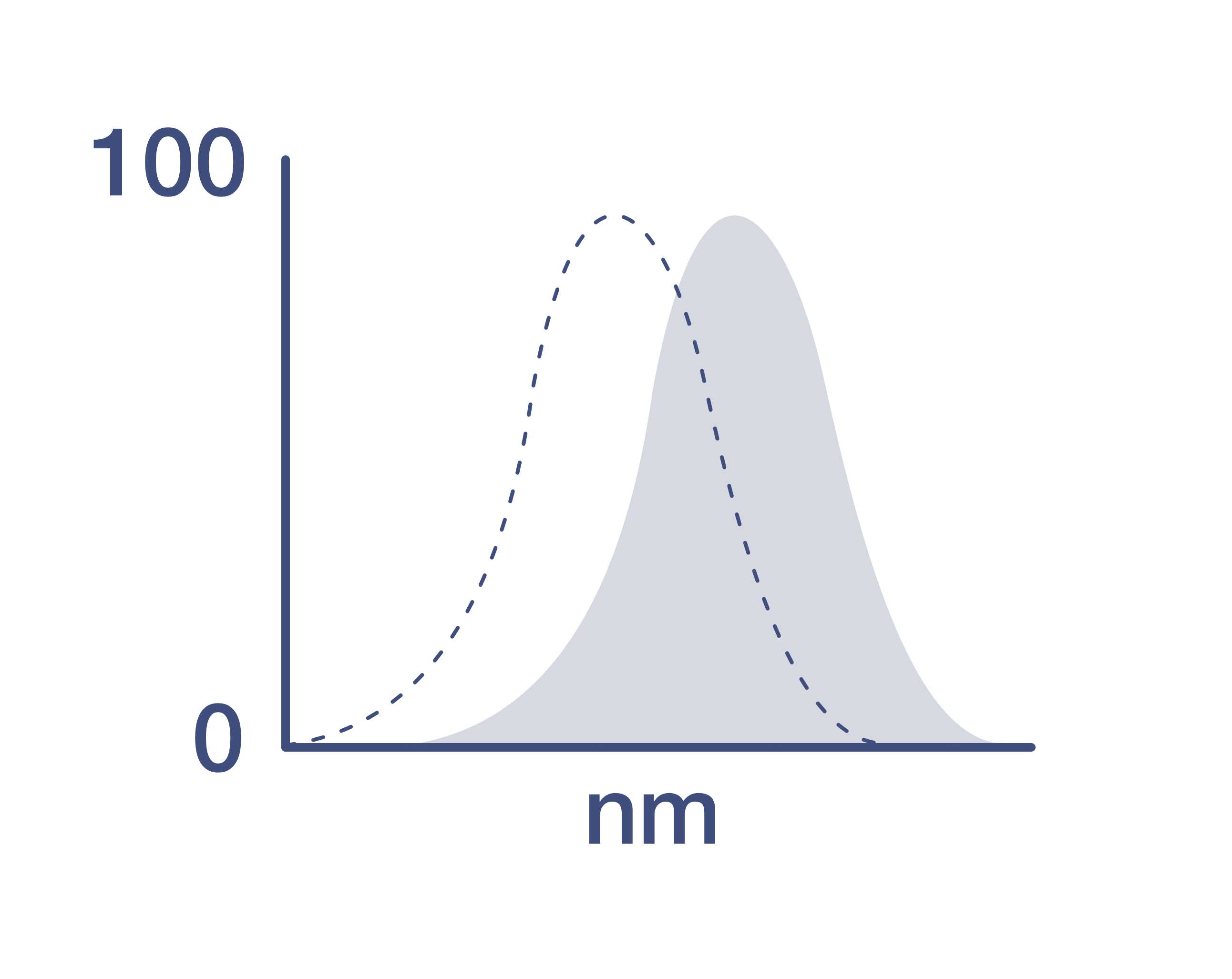
565/576 nm
查看光谱
形式
Liquid
浓度
5 µL/Test
纯化类型
Affinity chromatography
保存液
PBS, pH 7.2, with BSA
内含物
0.09% sodium azide
保存条件
4°C, store in dark, DO NOT FREEZE!
运输条件
Ambient (domestic); Wet ice (international)
RRID
产品详细信息
Description: The 10C4 monoclonal antibody reacts with mouse and rat Bcl-2, also known as B cell lymphoma 2. Bcl-2 is the founding member of the Bcl-2 family of evolutionarily-conserved proteins that regulate cell death/survival. Members of the Bcl-2 family include the pro-apoptotic proteins BAD, Bax, and Bim, and the anti-apoptotic proteins Bcl-2, Bcl-xL, and Mcl-1. Bcl-2 inhibits apoptosis by preventing the release of cytochrome c from the mitochondria. Mutation of Bcl-2 or overexpression of Bcl-2 due to chromosomal translocation has been identified as a contributing factor in numerous cancers. In developing thymocytes, Bcl-2 is expressed at high levels in CD4-CD8- double negative and in CD4+ and CD8+ single positive thymocytes; Bcl-2 expression is greatly diminished in CD4+CD8+ double positive thymocytes.
Applications Reported: This 10C4 antibody has been reported for use in intracellular staining followed by flow cytometric analysis.
Applications Tested: This 10C4 antibody has been pre-diluted and tested by intracellular staining followed by flow cytometric analysis of mouse thymocytes. This may be used at 5 µL (0.25 µg) per test. A test is defined as the amount (µg) of antibody that will stain a cell sample in a final volume of 100 µL. Cell number should be determined empirically but can range from 10^5 to 10^8 cells/test.
Excitation: 488-561 nm; Emission: 578 nm; Laser: Blue Laser, Green Laser, Yellow-Green Laser
靶标信息
BCL-2 is a key regulator of apoptosis that functions to either inhibit or promote cell death. The BCL-2 family members are also characterized by dimerizing to further modulate apoptosis. Bag1, for example, has been found to form a heterodimer with BCL-2 resulting in the enhancement of the anti-apoptotic effect of BCL-2. Bax and Bak have been shown to play a critical role in cytochrome c release from mitochondria and thus initiate apoptosis. Bax exerts a pro-apoptotic rather than an anti-apoptotic effect on cells. Constitutive expression of BCL2, such as in the case of translocation of BCL2 to Ig heavy chain locus, is thought to be the cause of follicular lymphoma. In most follicular lymphomas, neoplastic germinal centers express high levels of BCL-2 alpha protein, whereas the normal or hyperplastic germinal centers are negative. Two transcript variants of BCL-2, produced by alternate splicing, differ in their C-terminal ends. The overexpression of BCL-2 has been linked to human cancers such as B-cell lymphoma and prostate cancer.
仅用于科研。不用于诊断过程。未经明确授权不得转售。
How to use the Panel Builder
Watch the video to learn how to use the Invitrogen Flow Cytometry Panel Builder to build your next flow cytometry panel in 5 easy steps.
生物信息学
蛋白别名: B cell lymphoma 2 associated oncogene; B-cell CLL/lymphoma 2; B-cell leukemia/lymphoma 2; Bcl 2; bcl-2; Bcl-2alpha; Bcl2-like protein; OTTHUMP00000163680; unnamed protein product
基因别名: Bcl-2; C430015F12Rik; D630044D05Rik; D830018M01Rik
UniProt ID: (Mouse) P10417, (Rat) P49950
Entrez Gene ID: (Mouse) 12043, (Rat) 24224
protease binding
protein binding
channel activity
channel inhibitor activity
protein phosphatase binding
ubiquitin protein ligase binding
identical protein binding
sequence-specific DNA binding
macromolecular complex binding
protein heterodimerization activity
BH domain binding
BH3 domain binding
protein phosphatase 2A binding
binding, bridging
DNA-binding transcription factor binding
protein polyubiquitination
cell morphogenesis
ossification
ovarian follicle development
metanephros development
ureteric bud development
branching involved in ureteric bud morphogenesis
behavioral fear response
leukocyte homeostasis
B cell homeostasis
kidney development
release of cytochrome c from mitochondria
regulation of cell-matrix adhesion
lymphocyte homeostasis
lymphoid progenitor cell differentiation
B cell lineage commitment
T cell lineage commitment
immune system development
response to ischemia
renal system process
protein dephosphorylation
melanin metabolic process
regulation of nitrogen utilization
cellular calcium ion homeostasis
apoptotic process
cellular response to DNA damage stimulus
response to oxidative stress
actin filament organization
axonogenesis
cell proliferation
positive regulation of cell proliferation
negative regulation of cell proliferation
male gonad development
extrinsic apoptotic signaling pathway via death domain receptors
intrinsic apoptotic signaling pathway in response to DNA damage
intrinsic apoptotic signaling pathway in response to oxidative stress
apoptotic mitochondrial changes
response to xenobiotic stimulus
response to toxic substance
post-embryonic development
organ morphogenesis
response to iron ion
response to UV-B
response to gamma radiation
regulation of gene expression
regulation of autophagy
negative regulation of autophagy
negative regulation of calcium ion transport into cytosol
regulation of glycoprotein biosynthetic process
negative regulation of cardiac muscle cell apoptotic process
mesenchymal cell development
positive regulation of neuron maturation
positive regulation of smooth muscle cell migration
peptidyl-serine phosphorylation
peptidyl-threonine phosphorylation
cochlear nucleus development
gland morphogenesis
hemopoiesis
B cell differentiation
T cell differentiation
negative regulation of ossification
positive regulation of cell growth
negative regulation of cell growth
melanocyte differentiation
negative regulation of cell migration
positive regulation of B cell proliferation
hair follicle morphogenesis
axon regeneration
regulation of protein stability
endoplasmic reticulum calcium ion homeostasis
glomerulus development
regulation of protein localization
negative regulation of myeloid cell apoptotic process
T cell differentiation in thymus
positive regulation of peptidyl-serine phosphorylation
negative regulation of osteoblast proliferation
response to cytokine
response to nicotine
organ growth
regulation of growth
positive regulation of multicellular organism growth
B cell proliferation
cellular response to glucose starvation
response to hydrogen peroxide
regulation of apoptotic process
T cell homeostasis
positive regulation of apoptotic process
negative regulation of apoptotic process
regulation of programmed cell death
positive regulation of catalytic activity
CD8-positive, alpha-beta T cell lineage commitment
pigmentation
regulation of neuron apoptotic process
negative regulation of neuron apoptotic process
ear development
regulation of viral genome replication
response to ethanol
positive regulation of melanocyte differentiation
negative regulation of mitotic cell cycle
negative regulation of retinal cell programmed cell death
regulation of mitochondrial membrane permeability
focal adhesion assembly
developmental pigmentation
regulation of developmental pigmentation
positive regulation of developmental pigmentation
spleen development
thymus development
response to steroid hormone
digestive tract morphogenesis
developmental growth
oocyte development
positive regulation of skeletal muscle fiber development
pigment granule organization
homeostasis of number of cells within a tissue
regulation of catalytic activity
B cell receptor signaling pathway
response to glucocorticoid
neuron apoptotic process
defense response to virus
regulation of cell cycle
regulation of mitochondrial membrane potential
regulation of calcium ion transport
transmembrane transport
intrinsic apoptotic signaling pathway in response to endoplasmic reticulum stress
cellular response to hypoxia
reactive oxygen species metabolic process
extrinsic apoptotic signaling pathway in absence of ligand
cell-cell adhesion
negative regulation of G1/S transition of mitotic cell cycle
negative regulation of anoikis
negative regulation of apoptotic signaling pathway
negative regulation of extrinsic apoptotic signaling pathway in absence of ligand
negative regulation of intrinsic apoptotic signaling pathway
response to hypoxia
response to nutrient
response to aluminum ion
cerebral cortex development
response to caffeine
response to insulin
response to vitamin E
response to L-ascorbic acid
response to monosaccharide
glial cell apoptotic process
response to erythropoietin
swimming behavior
response to peptide hormone
response to estrogen
response to copper ion
oligodendrocyte differentiation
response to corticosterone
response to cAMP
response to folic acid
response to electrical stimulus
cellular response to hydrogen peroxide
cellular response to glucose stimulus
response to anesthetic
response to phenylpropanoid
liver regeneration
cellular response to fluoride
response to amyloid-beta
cellular response to L-glutamate
response to insulin-like growth factor stimulus
Disclaimer

Clicking the images or links will redirect you to a website hosted by BenchSci that provides third-party scientific content. Neither the content nor the BenchSci technology and processes for selection have been evaluated by us; we are providing them as-is and without warranty of any kind, including for use or application of the Thermo Fisher Scientific products presented.

