Search
Invitrogen
SOX9 Monoclonal Antibody (GMPR9), Alexa Fluor™ 488, eBioscience™
{{$productOrderCtrl.translations['antibody.pdp.commerceCard.promotion.promotions']}}
{{$productOrderCtrl.translations['antibody.pdp.commerceCard.promotion.promocode']}}: {{promo.promoCode}} {{promo.promoTitle}} {{promo.promoDescription}}. {{$productOrderCtrl.translations['antibody.pdp.commerceCard.promotion.learnmore']}}
{{$ctrl.translations['antibody.pdp.skuNotes.additionalInformation']}}:
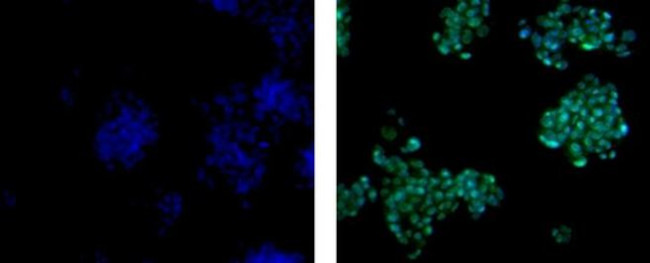
图: 1 / 1
SOX9 Antibody (53-9765-80) in ICC/IF
Immunocytochemistry of fixed and permeabilized HepG2 cells using 10 µg/mL of Mouse IgG1 K Isotype Control Alexa Fluor® 488 (green, left) or 10 µg/mL of Anti-Human/Mouse Sox9 Alexa Fluor® 488 (green, right). Nuclei are stained with DAPI (blue), colocalization of signal appears aqua.
Please note: We are reviewing Western blot images included in the antibody testing data in our catalog, including those provided by third parties. Unless expressly labeled or annotated as “raw-unedited”, Western blot images included in the antibody testing data in our catalog may have been edited, optimized or otherwise adjusted for presentation.

产品信息
53-9765-80
产品规格
种属反应
Human,
Mouse
宿主/亚型
Mouse
/ IgG1, kappa
分类
Monoclonal
类型
Antibody
克隆号
GMPR9
偶联物
Alexa Fluor™ 488
Alexa Fluor™ 488
Alexa Fluor™ 488
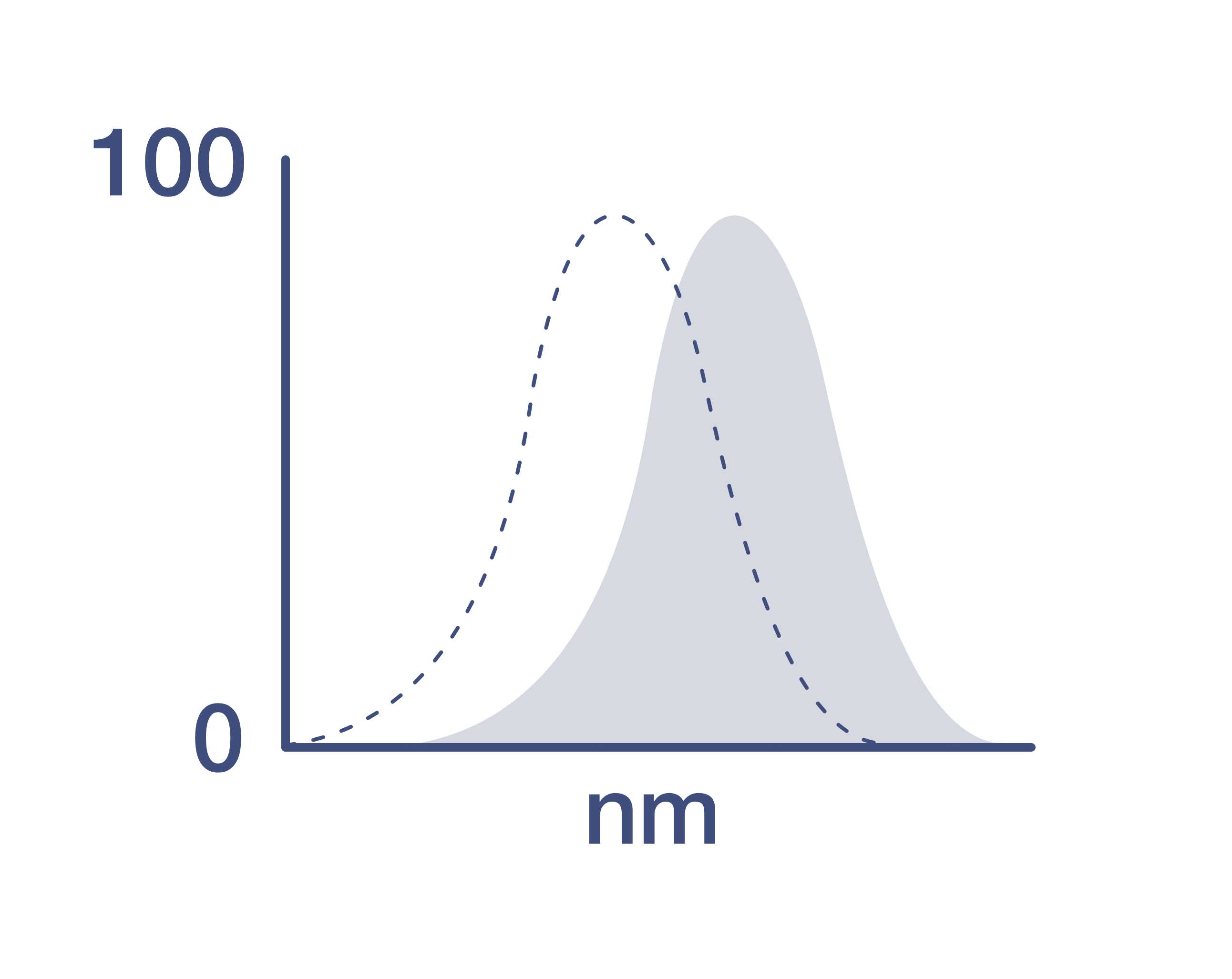
激发/发射光谱
499/520 nm
查看光谱
形式
Liquid
浓度
0.5 mg/mL
规格
25 µg
纯化类型
Affinity chromatography
保存液
PBS, pH 7.2
内含物
0.09% sodium azide
保存条件
4°C, store in dark, DO NOT FREEZE!
运输条件
Ambient (domestic); Wet ice (international)
RRID
产品详细信息
Description: This GMPR9 monoclonal antibody reacts with human and mouse Sox9, a member of the Sry HMG-box (Sox) gene family of transcription factors. Like Sry, Sox9 contains a high mobility group (HMG-box) DNA-binding domain. The Sox9 DNA-binding domain recognizes the sequence AGAACAATGG, and when bound to co-factors, functions to bend the DNA. This structural change is thought to be important for chromatin remodeling and the initiation of more broad transcriptional regulation of multiple genes. Sox9 is expressed in multiple tissue types during development and its activation of downstream targets is determined by interaction with tissue-specific co-factors. During development, Sox9 expression is important for cartilage formation (mesenchymal to chondrocyte), sex determination (testes formation), neural crest formation and retinal development. Sox9 plays a role in the differentiation of multiple cell types including glial, hair, cardiac, melanocytes, pancreatic, prostate, and intestinal epithelium. Sox9 regulates expression of the following family member genes sox5, sox6, and sox10, in addition to collagen type 2 alpha, collagen 9A1, CEACAM1, and snail2. Sox9 dysregulation is involved in craniofacial defects, cleft palate, sex reversal, and some types of cancer (melanoma, lung adenocarcinoma, and breast cancer). Sox9 has also been shown to be expressed in adult stem cells in the liver, pancreas and intestine.
Applications Reported: This GMPR9 antibody has been reported for use in immunohistochemical staining of formalin-fixed paraffin embedded tissue sections, microscopy, and immunocytochemistry.
Applications Tested: This GMPR9 antibody has been tested by immunocytochemistry of fixed and permeabilized cells and can be used at less than or equal to 10 µg/mL. It is recommended that the antibody be carefully titrated for optimal performance in the assay of interest.
Excitation: 488 nm; Emission: 519 nm; Laser: Blue Laser.
Filtration: 0.2 µm post-manufacturing filtered.
靶标信息
SOX9 has a role in sex determination and differentiation of Sertoli cells. It is involved in chondrogenesis and regulates the expression of other genes involved in chondrogenesis by acting as a transcription factor for these genes. Translocation of this gene can cause campomelic dysplasia. SOX9 is involved in the formation of testes from the indifferent fetal gonads. It is a major molecular component of the neuron-glia switch in developing spinal cord. During normal development, SOX9 allows the prostate epithelium to outgrow into the mesenchyme and then provides basal cell support for development and maintenance of the luminal epithelium. These functions of SOX9 are subverted in prostate cancer to support tumor growth and invasion. SOX9 may direct the formation of neural crest precursors and the development of a range of neural crest derivative. It has a transcriptional regulation in melanin production in cells. Northern blot analysis shows its expression on adult testis, adult heart, and fetal brain.
仅用于科研。不用于诊断过程。未经明确授权不得转售。
篇参考文献 (0)
您是否在文献中引用过该产品?请点击下方按钮邮件告知我们。
生物信息学
蛋白别名: SOX 9; SOX9; SRY (sex determining region Y)-box9; SRY (sex-determining region Y)-box 9 protein; SRY-box 9; SRY-Box 9 ; SRY-box containing gene 9; SRY-related HMG-box, gene 9; unnamed protein product
基因别名: 2010306G03Rik; CMD1; CMPD1; ENH13; mKIAA4243; mSox9; SRA1; SRXX2; SRXY10; TESCO
UniProt ID: (Human) P48436, (Mouse) Q04887
Entrez Gene ID: (Human) 6662, (Mouse) 20682
transcription regulatory region sequence-specific DNA binding
RNA polymerase II core promoter proximal region sequence-specific DNA binding
RNA polymerase II transcription factor activity, sequence-specific DNA binding
core promoter proximal region sequence-specific DNA binding
transcriptional activator activity, RNA polymerase II transcription regulatory region sequence-specific binding
DNA binding
chromatin binding
transcription factor activity, sequence-specific DNA binding
protein binding
beta-catenin binding
protein kinase A catalytic subunit binding
bHLH transcription factor binding
sequence-specific DNA binding
pre-mRNA intronic binding
sequence-specific double-stranded DNA binding
negative regulation of transcription from RNA polymerase II promoter
skeletal system development
cartilage condensation
ossification
branching involved in ureteric bud morphogenesis
cell fate specification
epithelial to mesenchymal transition
tissue homeostasis
hair follicle development
morphogenesis of an epithelium
positive regulation of mesenchymal cell proliferation
chondrocyte differentiation
negative regulation of immune system process
heart valve development
heart valve morphogenesis
aortic valve morphogenesis
endocardial cushion morphogenesis
chondrocyte differentiation involved in endochondral bone morphogenesis
chondrocyte hypertrophy
growth plate cartilage chondrocyte growth
nucleosome assembly
chromatin remodeling
signal transduction
epidermal growth factor receptor signaling pathway
spermatogenesis
central nervous system development
heart development
positive regulation of cell proliferation
male gonad development
gene expression
regulation of cell cycle process
positive regulation of gene expression
positive regulation of epithelial cell migration
neural crest cell fate specification
male germ-line sex determination
negative regulation of ossification
prostate gland development
positive regulation of epithelial cell differentiation
mammary gland development
notochord development
otic vesicle formation
negative regulation of chondrocyte differentiation
positive regulation of chondrocyte differentiation
somatic stem cell population maintenance
regulation of cell proliferation
regulation of apoptotic process
negative regulation of apoptotic process
negative regulation of myoblast differentiation
negative regulation of osteoblast differentiation
negative regulation of transcription, DNA-templated
positive regulation of transcription, DNA-templated
positive regulation of transcription from RNA polymerase II promoter
negative regulation of fatty acid oxidation
negative regulation of photoreceptor cell differentiation
oligodendrocyte differentiation
positive regulation of epithelial cell proliferation
negative regulation of epithelial cell proliferation
cartilage development
Sertoli cell differentiation
Sertoli cell development
retina development in camera-type eye
limb bud formation
retinal rod cell differentiation
epithelial cell proliferation involved in prostatic bud elongation
intestinal epithelial structure maintenance
regulation of cell proliferation involved in tissue homeostasis
positive regulation of cartilage development
morphogenesis of a branching epithelium
protein-containing complex assembly
negative regulation of biomineral tissue development
ERK1 and ERK2 cascade
response to fatty acid
cellular response to mechanical stimulus
cellular response to retinoic acid
cellular response to interleukin-1
cellular response to epidermal growth factor stimulus
cellular response to heparin
cellular response to transforming growth factor beta stimulus
otic vesicle development
cellular response to BMP stimulus
renal vesicle induction
metanephric tubule development
ureter urothelium development
metanephric nephron tubule formation
negative regulation of canonical Wnt signaling pathway
cochlea morphogenesis
positive regulation of kidney development
positive regulation of branching involved in ureteric bud morphogenesis
positive regulation of chondrocyte proliferation
negative regulation of pri-miRNA transcription from RNA polymerase II promoter
negative regulation of beta-catenin-TCF complex assembly
positive regulation of male gonad development
positive regulation of mesenchymal stem cell differentiation
positive regulation of protein phosphorylation
chondrocyte development
heart valve formation
regulation of transcription, DNA-templated
regulation of transcription from RNA polymerase II promoter
cytoskeleton organization
Notch signaling pathway
negative regulation of cell proliferation
regulation of gene expression
negative regulation of gene expression
neural crest cell development
cell differentiation
regulation of cell adhesion
extracellular matrix organization
male sex determination
negative regulation of bone mineralization
negative regulation of epithelial cell differentiation
endocrine pancreas development
lacrimal gland development
protein localization to nucleus
intrahepatic bile duct development
cell fate commitment
regulation of cell differentiation
positive regulation of protein catabolic process
homeostasis of number of cells within a tissue
astrocyte fate commitment
endochondral bone morphogenesis
epithelial tube branching involved in lung morphogenesis
lung epithelial cell differentiation
prostate gland morphogenesis
bronchus cartilage development
trachea cartilage development
regulation of branching involved in lung morphogenesis
lung smooth muscle development
Harderian gland development
ureter development
ureter smooth muscle cell differentiation
ureter morphogenesis
anterior head development
cell-cell adhesion
positive regulation of extracellular matrix assembly
positive regulation of cell proliferation involved in heart morphogenesis
regulation of epithelial cell proliferation involved in lung morphogenesis
negative regulation of mesenchymal cell apoptotic process
Disclaimer

Clicking the images or links will redirect you to a website hosted by BenchSci that provides third-party scientific content. Neither the content nor the BenchSci technology and processes for selection have been evaluated by us; we are providing them as-is and without warranty of any kind, including for use or application of the Thermo Fisher Scientific products presented.

