Search
{{$ctrl.translations['antibody.pdp.skuNotes.additionalInformation']}}:
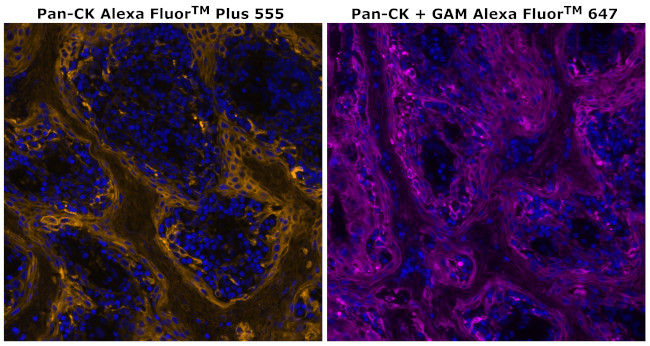
图: 1 / 7
Cytokeratin Pan Type I/II Antibody (754-9003-82) in IHC (P)
Immunohistochemical analysis of Pan-CK was performed on formalin-fixed paraffin-embedded human tonsil tissue. To expose the target protein, HIER was performed on de-paraffinized sections using BOND Epitope Retrieval Solution 2 (pH 9) for 10 minutes, followed by a 5-min cool down and a 5-min wash with ddH2O. Tissues were permeabilized with 0.1% Triton X-100 in 1X PBS for 30 mins and blocked with 3% BSA/5% no... View More
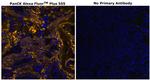
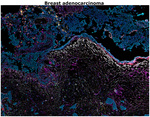
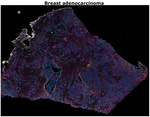
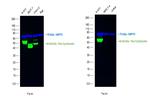
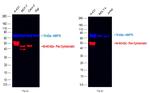
Please note: We are reviewing Western blot images included in the antibody testing data in our catalog, including those provided by third parties. Unless expressly labeled or annotated as “raw-unedited”, Western blot images included in the antibody testing data in our catalog may have been edited, optimized or otherwise adjusted for presentation.


产品信息
754-9003-82
产品规格
种属反应
Human
宿主/亚型
Mouse
/ IgG1
分类
Monoclonal
类型
Antibody
克隆号
AE1/AE3
抗原
Human epidermal keratin
偶联物
Alexa Fluor™ Plus 555
Alexa Fluor™ Plus 555
Alexa Fluor™ Plus 555
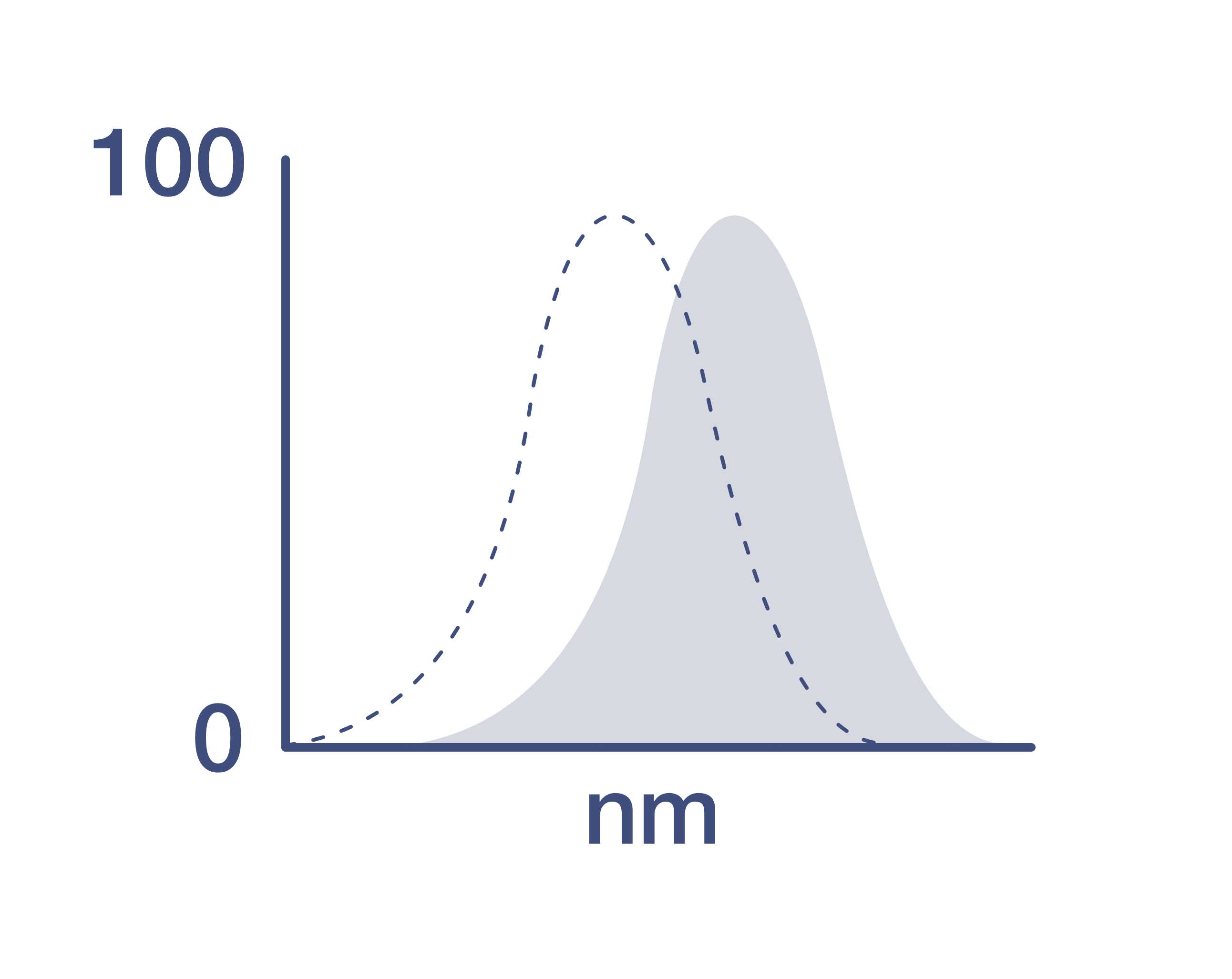
激发/发射光谱
558/572 nm
查看光谱
形式
Liquid
浓度
0.2 mg/mL
规格
100 µg
纯化类型
Affinity chromatography
保存液
PBS, pH 7.2, with 0.5% BSA, 10% proprietary stabilizer
内含物
0.05% sodium azide
保存条件
4°C, store in dark
运输条件
Wet ice
RRID
产品详细信息
Description: The monoclonal antibodies AE1 and AE3 recognize many of the acidic and basic cytokeratin family members. Cytokeratins are intermediate filament proteins comprising one component of the cytoskeleton. There are two large families of cytokeratins, acidic and basic, but all contain the same basic domains (i.e. an alpha-helical core with an N- and C-terminal domain). The proteins are expressed in epithelial cells, but are developmentally regulated. Many tumors also express these proteins and their expression can help identify the origin of a neoplasm.
The AE3 monoclonal antibody recognizes the 65 to 67 triplet, 64, 59, 58, 56, 54 and 52kD proteins also known as cytokeratin 1, 2, 3, 4, 5, 6, 7, and 8 while the AE1 antibody recognizes 56.5, 54', 50, 50', 48, and 40 kDa proteins (also known as CK10, 14, 15, 16 and 19). These antibodies can be used on a wide array of tissue samples from mouse, human, rat, primates (cynomolgus and rhesus), dog, cat, rabbit, and chicken.
Applications Reported: This AE1/AE3 antibody has been reported for use in immunohistochemical staining, immunocytochemistry, immunohistochemical staining of frozen tissue sections, and immunohistochemical staining of formalin-fixed paraffin embedded tissue sections.
Applications Tested: This AE1/AE3 antibody has been tested by immunohistochemistry of formalin-fixed paraffin embedded tissue using high pH antigen retrieval conditions and can be used at 4 µg/mL. It is recommended that the antibody be carefully titrated for optimal performance in the assay of interest.
Using conjugate solutions: Centrifuge the protein conjugate solution briefly in a microcentrifuge before use; add only the supernatant to the experiment. This step will help eliminate any protein aggregates that may have formed during storage, thereby reducing nonspecific background staining.
靶标信息
Cytokeratin pan is part of a subfamily of intermediate filament proteins that are characterized by remarkable biochemical diversity, and represented in human epithelial tissues by at least 20 different polypeptides. Cytokeratins range in molecular weight between 40 kDa- 68 kDa, and an isoelectric pH between 4.9-7.8. The individual human cytokeratins are numbered 1 to 20. The various epithelia in the human body usually express cytokeratins which are not only characteristic of the type of epithelium, but also related to the degree of maturation or differentiation within an epithelium. Cytokeratin subtype expression patterns are used to an increasing extent in the distinction of different types of epithelial malignancies. The cytokeratin antibodies are not only of assistance in the differential diagnosis of tumors using immunohistochemistry on tissue sections, but are also a useful tool in cytopathology and flow cytometric assays. The composition of cytokeratin pairs vary with the epithelial cell type, stage of differentiation, cellular growth environment, and disease state. Many studies have shown the usefulness of keratins as markers in cancer research and tumor diagnosis.
仅用于科研。不用于诊断过程。未经明确授权不得转售。
篇参考文献 (0)
您是否在文献中引用过该产品?请点击下方按钮邮件告知我们。
生物信息学
蛋白别名: 40-kDa keratin intermediate filament; 58 kda cytokeratin; 65 kDa cytokeratin; 67 kDa cytokeratin; cell proliferation-inducing gene 46 protein; CK-1; CK-10; CK-13; CK-15; CK-19; CK-1B; CK-2P; CK-3; CK-5; CK-6C; CK-6E; CK-7; cytokeratin 1; cytokeratin 10; cytokeratin 13; cytokeratin 14; cytokeratin 15; cytokeratin 16; cytokeratin 18; cytokeratin 19; cytokeratin 2; cytokeratin 3; cytokeratin 4; cytokeratin 6A; cytokeratin 6C; cytokeratin 6D; cytokeratin 7; cytokeratin 8; cytokeratin-17; cytokeratin-1B; cytokeratin-2e; cytokeratin-2P; cytokeratin-5; cytokeratin-6C; cytokeratin-6E; cytokeratin-8; cytoskeletal protein; epidermolysis bullosa simplex 2 Dowling-Meara/Kobner/Weber-Cockayne types; epidermolytic hyperkeratosis 1; epithelial keratin-2e; focal non-epidermolytic palmoplantar keratoderma; hair alpha protein; HLA-DRB1-restricted epitope S1; HLA-DRB1-restricted epitope S2; HLA-DRB1-restricted epitope S3; HLA-DRB1-restricted epitope S4; HMWCK; intermediate filament protein K16; intermediate filament protein; K7; K1B; K2P; K6C; K76; K77; keratin 1, type II; keratin 10, type I; keratin 13, type I; keratin 14, type I; keratin 15, type I; keratin 16 homolog; keratin 16, type I; keratin 17, type I; keratin 18, type I; keratin 19, type I; Keratin 1B; keratin 2, type II; keratin 2p; keratin 3, type II; keratin 4, type II; keratin 5 (epidermolysis bullosa simplex, Dowling-Meara/Kobner/Weber-Cockayne types); keratin 5, type II; keratin 6A, , type II; keratin 6A, type II; keratin 6C, type II; keratin 6E; keratin 7, type II; keratin 76, type II; keratin 77, type II; keratin 8, type II; keratin K5; keratin K6h; keratin type II; Keratin type II cytoskeletal 5; keratin, 55K type II cytoskeletal; keratin, epidermal type II, K6A; keratin, simple epithelial type I, K7; keratin, type I, 40-kd; keratin-10; keratin-15, basic; keratin-15, beta; keratin-2 epidermis; keratin-2e; KRT1B; KRT5; ORF; Pan CK; pan Cytokeratin; pan keratin; pankeratin; PIG46; sarcolectin; type I cytoskeletal 15; type II cytoskeletal 1b; type II keratin subunit protein; type II mesothelial keratin K7; type-II keratin Kb1; type-II keratin Kb12; type-II keratin Kb2; type-II keratin Kb3; Type-II Keratin Kb39; type-II keratin Kb4; type-II keratin Kb5; type-II keratin Kb6; type-II keratin Kb7; type-II keratin Kb8; type-II keratin Kb9; unnamed protein product
基因别名: 39.1; AEI2; BCIE; BIE; CARD2; CK-17; CK-18; CK-2e; CK-4; CK-6C; CK-6E; CK-8; CK1; CK10; CK13; CK14; CK15; CK16; CK19; CK3; CK4; CK5; CK6A; CK6C; CK6D; CK7; CK8; CYK18; CYK4; CYK8; DDD; DDD1; EBS1; EBS1A; EBS1B; EBS1C; EBS1D; EBS2; EBS2A; EBS2B; EBS2C; EBS2D; EBS2E; EBS2F; EBS3; EBS4; EHK; EHK1; EHK2; EHK2A; EHK2B; EPPK; FNEPPK; HUMCYT2A; IHL; K1; K10; K13; K14; K15; K16; K17; K18; K19; K1B; K1CO; K1CP; K1CS; K2C7; K2C8; K2e; K3; K4; K5; K6A; K6C; K6D; K6E; K7; K8; KO; KPP; KRT16A; KRT1A; KRT1B; KRT2A; KRT2B; KRT2E; KRT2P; KRT5A; KRT6C; KRT6D; KRT6E; KRTE; MECD2; NEPPK; NFJ; PC1; PC2; PC3; PCHC1; PPKNEFD; SCL; WSN1; WSN2
UniProt ID: (Human) P04264, (Human) P13645, (Human) P13646, (Human) P02533, (Human) P19012, (Human) P08779, (Human) Q04695, (Human) P05783, (Human) P08727, (Human) P35908, (Human) P12035, (Human) P19013, (Human) P13647, (Human) P02538, (Human) P48668, (Human) P08729, (Human) Q01546, (Human) Q7Z794, (Human) P05787
protein binding
carbohydrate binding
structural constituent of epidermis
signaling receptor activity
protein heterodimerization activity
structural molecule activity
structural constituent of cytoskeleton
keratin filament binding
scaffold protein binding
RNA binding
structural constituent of muscle
cadherin binding involved in cell-cell adhesion
macromolecular complex binding
cytoskeletal protein binding
keratinization
intermediate filament cytoskeleton organization
intermediate filament organization
morphogenesis of an epithelium
cytoskeleton organization
epithelial cell differentiation
regulation of translation in response to stress
epidermis development
keratinocyte differentiation
hair cycle
intermediate filament bundle assembly
positive regulation of keratinocyte differentiation
response to estrogen
sarcomere organization
positive regulation of cell growth
hair follicle morphogenesis
positive regulation of translation
positive regulation of hair follicle development
positive regulation of cell proliferation
cell differentiation
negative regulation of cell migration
killing of cells of other organism
wound healing
defense response to Gram-positive bacterium
antimicrobial humoral immune response mediated by antimicrobial peptide
negative regulation of entry of bacterium into host cell
negative regulation of epithelial cell differentiation
negative regulation of keratinocyte differentiation
response to mechanical stimulus
regulation of cell migration
regulation of protein localization
intermediate filament polymerization
anatomical structure morphogenesis
Golgi to plasma membrane protein transport
negative regulation of apoptotic process
cell-cell adhesion
negative regulation of epithelial cell proliferation
inflammatory response
innate immune response
keratinocyte migration
establishment of skin barrier
epithelium development
negative regulation of hepatocyte apoptotic process
positive regulation of epidermis development
protein heterotetramerization
cornification
complement activation, lectin pathway
response to oxidative stress
fibrinolysis
regulation of angiogenesis
keratinocyte activation
keratinocyte proliferation
Disclaimer

Clicking the images or links will redirect you to a website hosted by BenchSci that provides third-party scientific content. Neither the content nor the BenchSci technology and processes for selection have been evaluated by us; we are providing them as-is and without warranty of any kind, including for use or application of the Thermo Fisher Scientific products presented.

