Search
Invitrogen
CD103 (Integrin alpha E) Monoclonal Antibody (2E7), FITC, eBioscience™
{{$productOrderCtrl.translations['antibody.pdp.commerceCard.promotion.promotions']}}
{{$productOrderCtrl.translations['antibody.pdp.commerceCard.promotion.promocode']}}: {{promo.promoCode}} {{promo.promoTitle}} {{promo.promoDescription}}. {{$productOrderCtrl.translations['antibody.pdp.commerceCard.promotion.learnmore']}}
{{$ctrl.translations['antibody.pdp.skuNotes.additionalInformation']}}:
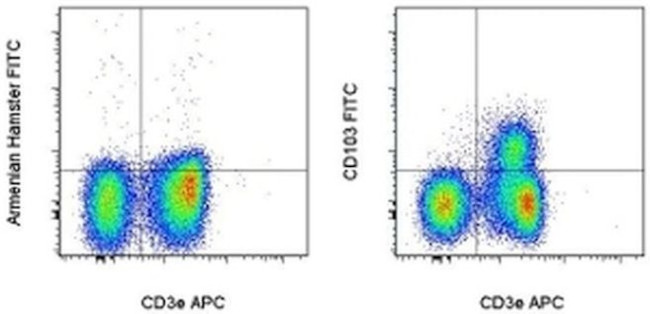
图: 1 / 21
CD103 (Integrin alpha E) Antibody (11-1031-82) in Flow
Staining of C57Bl/6 lymph node cells with Anti-Mouse CD3e APC (Product # 17-0031-82) and 1.0 µg of Armenian Hamster IgG Isotype Control FITC (Product # 11-4888-81) (left) or 1.0 µg of Anti-Mouse CD103 (Integrin alpha E) FITC (right). Cells in the lymphocyte gate were used for analysis.
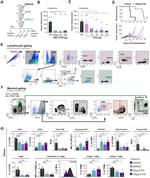
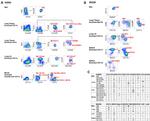
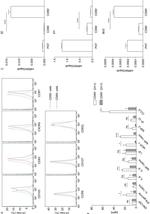
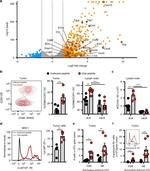
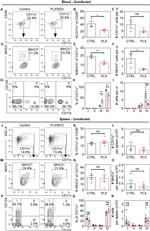
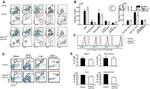
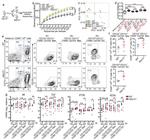
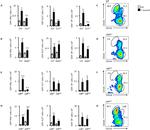
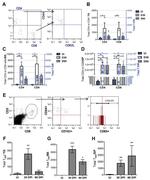
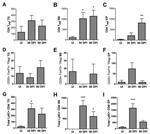
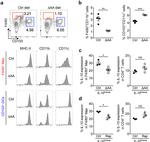
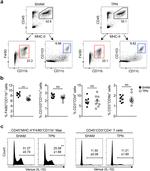
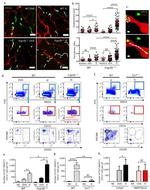

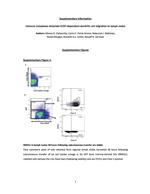
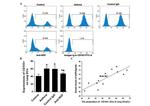
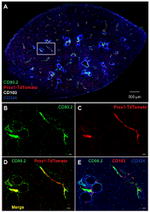
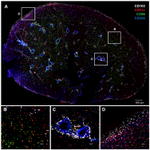
Please note: We are reviewing Western blot images included in the antibody testing data in our catalog, including those provided by third parties. Unless expressly labeled or annotated as “raw-unedited”, Western blot images included in the antibody testing data in our catalog may have been edited, optimized or otherwise adjusted for presentation.


产品信息
11-1031-82
应用
建议稀释比
已发表文章
产品规格
种属反应
Mouse
已发表种属
Human,
Mouse
宿主/亚型
Armenian hamster
/ IgG
分类
Monoclonal
类型
Antibody
克隆号
2E7
偶联物
FITC
FITC
FITC
激发/发射光谱
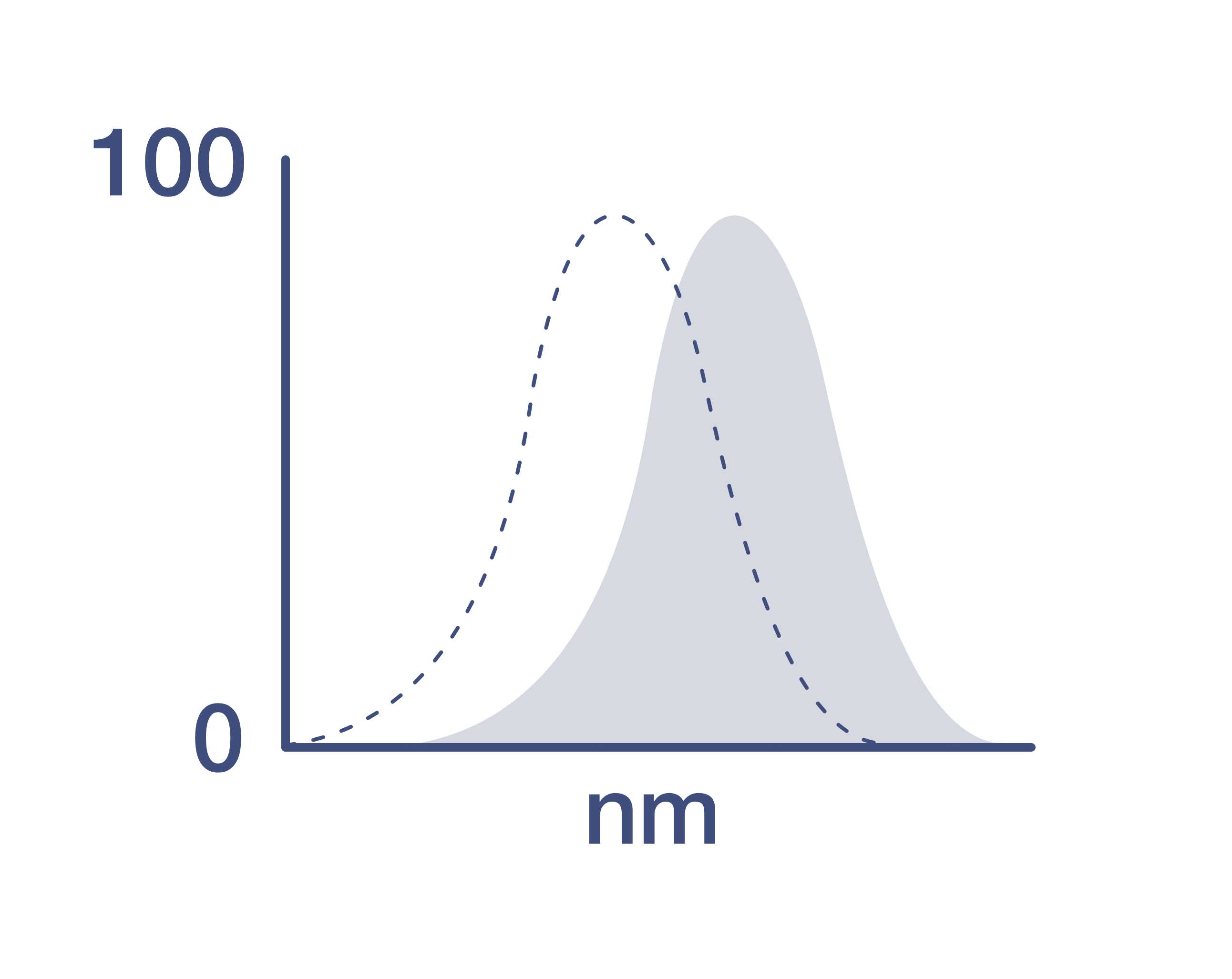
498/517 nm
查看光谱
形式
Liquid
浓度
0.5 mg/mL
规格
100 µg
纯化类型
Affinity chromatography
保存液
PBS, pH 7.2
内含物
0.09% sodium azide
保存条件
4°C, store in dark, DO NOT FREEZE!
运输条件
Ambient (domestic); Wet ice (international)
RRID
产品详细信息
Description: The 2E7 monoclonal antibody reacts with mouse CD103, the alphaE integrin. CD103 non-covalently associates with integrin beta7 and is expressed on all intraepithelial lymphocytes, a small subset of peripheral lymphocytes, and dendritic epidermal T cells (DEC). Epithelial cell antigen E-cadherin binds to CD103 and mediates homing of lymphocytes to the intestinal epithelium.
Applications Reported: The 2E7 antibody has been reported for use in flow cytometric analysis.
Applications Tested: The 2E7 antibody has been tested by flow cytometric analysis of mouse splenocytes. This can be used at less than or equal to 1 µg per test. A test is defined as the amount (µg) of antibody that will stain a cell sample in a final volume of 100 µL. Cell number should be determined empirically but can range from 10^5 to 10^8 cells/test. It is recommended that the antibody be carefully titrated for optimal performance in the assay of interest.
Excitation: 488 nm; Emission: 520 nm; Laser: Blue Laser.
Filtration: 0.2 µm post-manufacturing filtered.
靶标信息
CD103, also known as ITGAE or Integrin alpha E, is a molecule that non-covalently associates with integrin beta 7 to form a heterodimeric integral membrane protein. This protein is part of the integrin family, characterized by an alpha chain and a beta chain. Specifically, CD103 includes a 150 kDa alpha chain and a 120 kDa beta chain, with the alpha integrin undergoing post-translational cleavage in the extracellular domain to yield disulfide-linked heavy and light chains. CD103 is primarily expressed on mucosa-associated T lymphocytes, intraepithelial lymphocytes (IELs), and activated cells, as well as a subset of TGF beta-1 cells. It is preferentially found in human intestinal IELs, where it plays a role in adhesion and may serve as an accessory molecule for IEL activation. CD103 binds to epithelial cell antigen E-cadherin, mediating the homing of lymphocytes to the intestinal epithelium. In peripheral blood and lymphoid organs, CD103 is expressed by 0.5 to 2% of resting lymphocytes, and its expression can be upregulated in vitro by stimulating human T cells with mitogens. CD103 is also expressed by hairy cell leukemia (HCL) and some chronic B cell lymphocytic leukemias. The CD103 antibody stains a few bone marrow cells and, rarely, peripheral blood lymphocytes. Diseases associated with CD103 dysfunction include hairy cell leukemia and splenic marginal zone lymphoma.
仅用于科研。不用于诊断过程。未经明确授权不得转售。
How to use the Panel Builder
Watch the video to learn how to use the Invitrogen Flow Cytometry Panel Builder to build your next flow cytometry panel in 5 easy steps.
生物信息学
蛋白别名: DC; DCs; integrin alpha M290; Intregrin alpha E2; MGC141996; unnamed protein product
基因别名: A530055J10; alpha-E1; alpha-M290; aM290; CD103
UniProt ID: (Mouse) Q60677
Entrez Gene ID: (Mouse) 16407
Disclaimer

Clicking the images or links will redirect you to a website hosted by BenchSci that provides third-party scientific content. Neither the content nor the BenchSci technology and processes for selection have been evaluated by us; we are providing them as-is and without warranty of any kind, including for use or application of the Thermo Fisher Scientific products presented.

