Search
Invitrogen
CD8 alpha Monoclonal Antibody (5H10), Pacific Orange™
{{$productOrderCtrl.translations['antibody.pdp.commerceCard.promotion.promotions']}}
{{$productOrderCtrl.translations['antibody.pdp.commerceCard.promotion.promocode']}}: {{promo.promoCode}} {{promo.promoTitle}} {{promo.promoDescription}}. {{$productOrderCtrl.translations['antibody.pdp.commerceCard.promotion.learnmore']}}
{{$ctrl.translations['antibody.pdp.skuNotes.additionalInformation']}}:
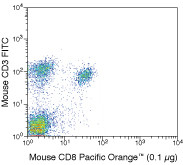

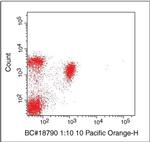
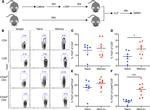
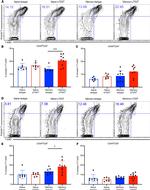
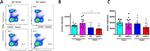
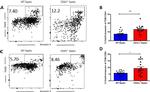
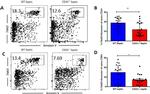
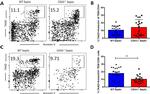
Please note: We are reviewing Western blot images included in the antibody testing data in our catalog, including those provided by third parties. Unless expressly labeled or annotated as “raw-unedited”, Western blot images included in the antibody testing data in our catalog may have been edited, optimized or otherwise adjusted for presentation.


产品信息
MCD0830
应用
建议稀释比
已发表文章
产品规格
种属反应
Mouse
已发表种属
Mouse
宿主/亚型
Rat
/ IgG2b
分类
Monoclonal
类型
Antibody
克隆号
5H10
抗原
Con A-stimulated BALB/c splenic T cells
偶联物
Pacific Orange™
Pacific Orange™
Pacific Orange™
激发/发射光谱
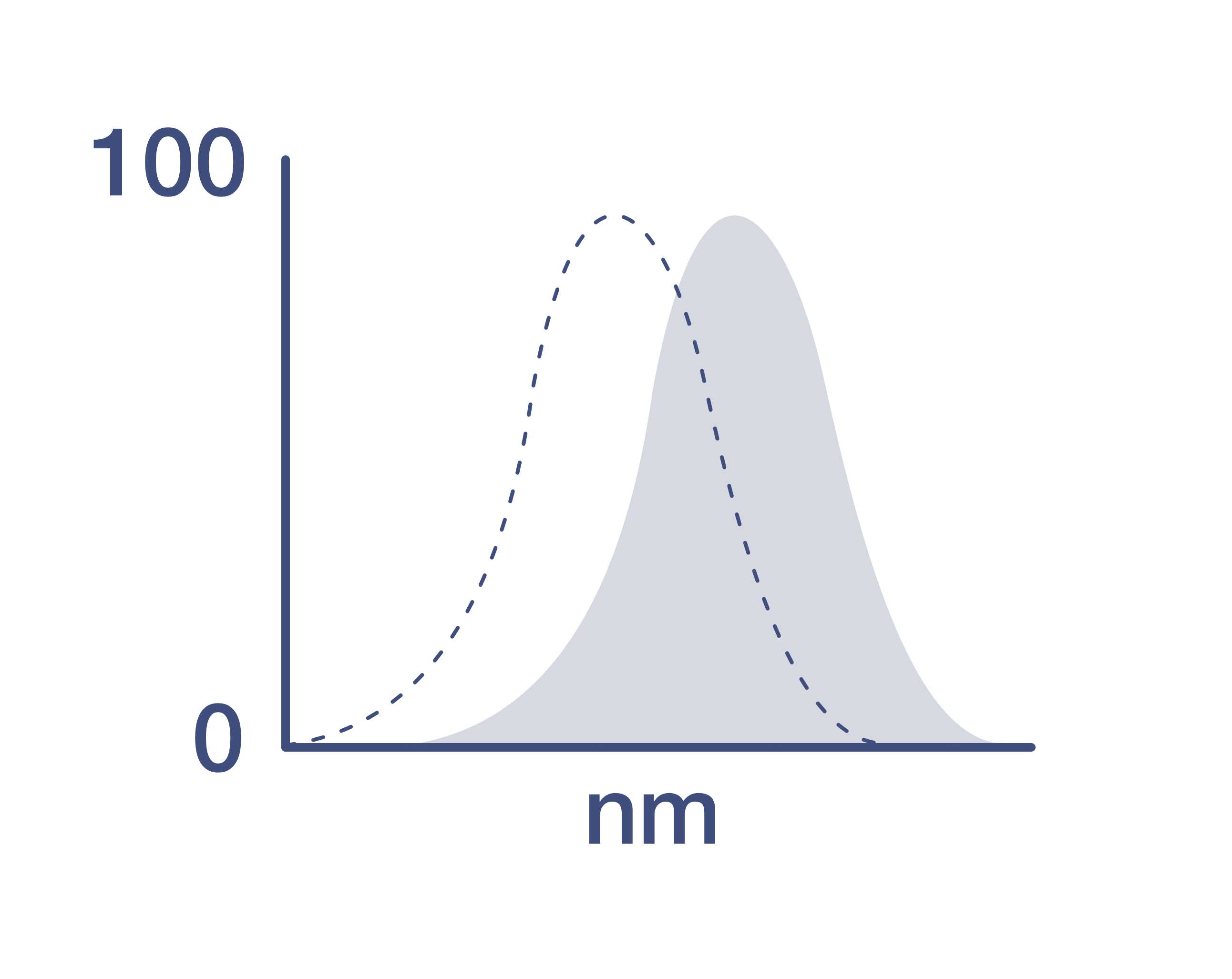
400/551 nm
查看光谱
形式
Liquid
纯化类型
Affinity chromatography
保存液
PBS with BSA
内含物
0.1% sodium azide
保存条件
4°C
运输条件
Ambient (domestic); Wet ice (international)
RRID
产品详细信息
The 5H10 monoclonal antibody (mAb) recognizes the mouse CD8aplpha chain. 5H10 mAb has been used in other labs for flow cytometry and inhibition of T cell responses to IL-2. Every lot is tested by flow cytometry using freshly harvested mouse splenocytes.
If the reagent is being diluted, it is recommended that only the quantity to be used within one week be diluted. Cells should be analyzed within 18 hours of staining for best results.
For Pacific Orange™ conjugates: excitation 405 nm/peak emission 551 nm. Matching isotype control is available: Rt IgG2b Pacific Orange™. Use a 575 or 585 nm band pass filter for optimal brightness from Pacific Orange™ dye.
靶标信息
CD8, also known as cluster of differentiation 8, is a type I transmembrane glycoprotein of the immunoglobulin family that plays a crucial role in T cell differentiation, activation, and signal transduction. It is expressed as either a heterodimer (CD8 alpha beta) or a homodimer (CD8 alpha alpha). The CD8 alpha beta form is predominantly found on the majority of thymocytes and a subpopulation of mature alpha beta TCR T cells, while the CD8 alpha alpha form is expressed on gamma delta TCR T cells, a subset of intestinal intraepithelial lymphocytes (IELs), and dendritic cells. CD8 functions as a co-receptor for major histocompatibility complex class I (MHC-I) molecules, working alongside the T cell receptor (TCR). The CD8 alpha chain is essential for binding to MHC-I. CD8 is also expressed on a subset of T cells, NK cells, monocytes, and dendritic cells as disulfide-linked homodimers of CD8 alpha. Upon ligation of MHC-I/peptide complexes presented by antigen-presenting cells (APCs), CD8 recruits lymphocyte-specific protein tyrosine kinase (Lck), leading to lymphokine production, increased motility, and activation of cytotoxic T lymphocytes (CTLs). Activated CTLs are vital for clearing pathogens and tumor cells. The differentiation of naive CD8+ T cells into CTLs is strongly enhanced by cytokines such as IL-2, IL-12, and TGF-beta1. Through its interactions with MHC-I and association with protein tyrosine kinase p56lck, CD8 plays a significant role in T cell development and the activation of mature T cells.
仅用于科研。不用于诊断过程。未经明确授权不得转售。
How to use the Panel Builder
Watch the video to learn how to use the Invitrogen Flow Cytometry Panel Builder to build your next flow cytometry panel in 5 easy steps.
生物信息学
蛋白别名: CD8 antigen, alpha chain; CD8 antigen, beta chain 1; CD8alpha; CD8beta; fCD8; Leu-2; leu-2a; lymphocyte antigen 3; Lyt-2.1 lymphocyte differentiation antigen (AA at 100); T-cell membrane glycoprotein Ly-3; T-cell surface glycoprotein Lyt-2; T-cell surface glycoprotein Lyt-3; unnamed protein product
基因别名: Cd8b; Ly-2; Ly-3; Ly-35; Ly-B; Ly-C; Lyt-2; Lyt-3
UniProt ID: (Mouse) P01731, (Mouse) P10300
Entrez Gene ID: (Mouse) 12525, (Mouse) 12526
Disclaimer

Clicking the images or links will redirect you to a website hosted by BenchSci that provides third-party scientific content. Neither the content nor the BenchSci technology and processes for selection have been evaluated by us; we are providing them as-is and without warranty of any kind, including for use or application of the Thermo Fisher Scientific products presented.

