Search
Invitrogen
CD80 (B7-1) Monoclonal Antibody (16-10A1), Functional Grade, eBioscience™
{{$productOrderCtrl.translations['antibody.pdp.commerceCard.promotion.promotions']}}
{{$productOrderCtrl.translations['antibody.pdp.commerceCard.promotion.promocode']}}: {{promo.promoCode}} {{promo.promoTitle}} {{promo.promoDescription}}. {{$productOrderCtrl.translations['antibody.pdp.commerceCard.promotion.learnmore']}}
{{$ctrl.translations['antibody.pdp.skuNotes.additionalInformation']}}:
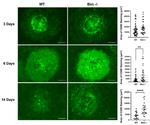
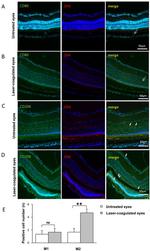

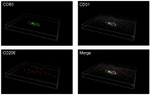
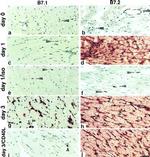
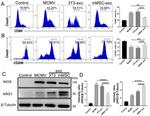
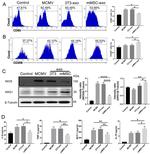
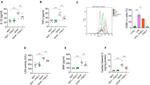
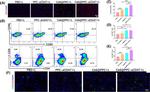
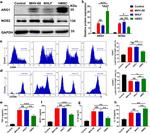
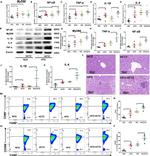
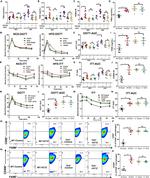
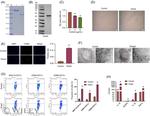
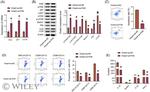
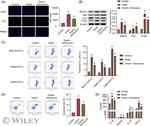
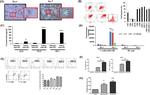
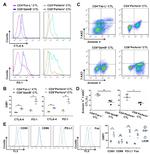
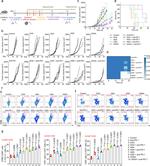
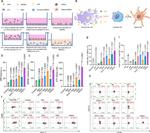
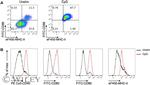
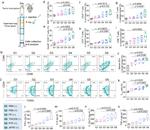
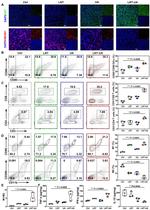
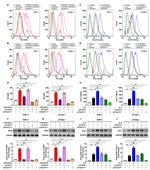
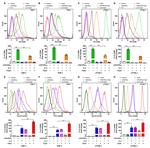
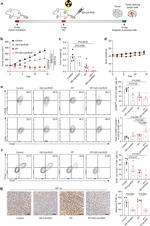
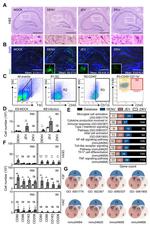
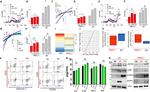
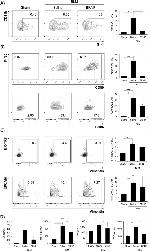
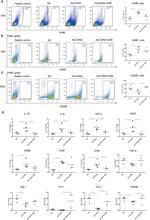
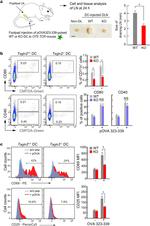
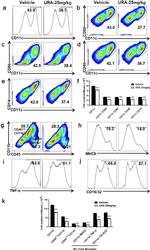
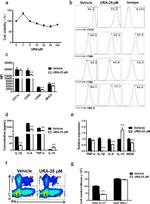
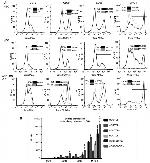
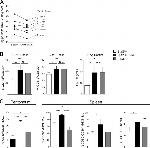
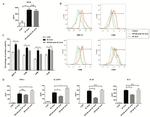
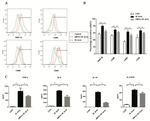
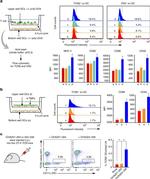
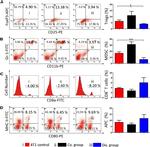
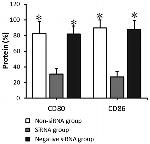
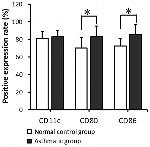
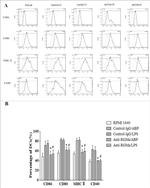
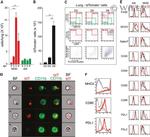
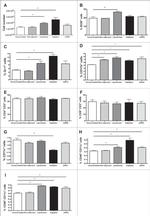
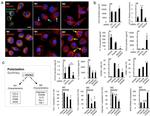
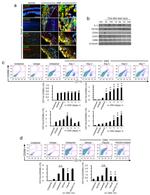
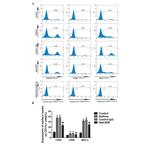
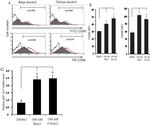
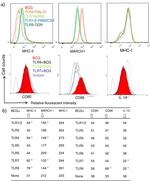
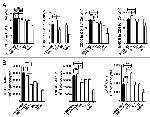
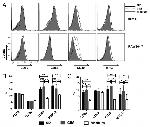
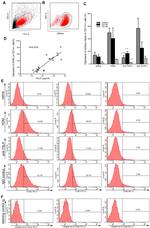
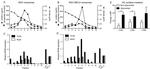
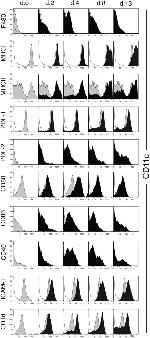
Please note: We are reviewing Western blot images included in the antibody testing data in our catalog, including those provided by third parties. Unless expressly labeled or annotated as “raw-unedited”, Western blot images included in the antibody testing data in our catalog may have been edited, optimized or otherwise adjusted for presentation.


















产品信息
16-0801-82
应用
建议稀释比
已发表文章
产品规格
种属反应
Dog,
Mouse,
Pig
已发表种属
Mouse
宿主/亚型
Armenian hamster
/ IgG
分类
Monoclonal
类型
Antibody
克隆号
16-10A1
偶联物
Functional Grade
Functional Grade
Functional Grade
形式
Liquid
浓度
1 mg/mL
规格
100 µg
纯化类型
Affinity chromatography
保存液
PBS, pH 7.2
内含物
no preservative
保存条件
4°C
运输条件
Ambient (domestic); Wet ice (international)
RRID
产品详细信息
Description: The 16-10A1 monoclonal antibody reacts with mouse CD80 (B7-1), a 55 kDa member of the Ig superfamily. CD80 is expressed by macrophages, dendritic cells and activated B cells. In addition, activated T cells express this antigen. CD80 has high affinity for binding to two T cell surface antigens, CD28 and CD152 (CTLA-4). The interaction of CD28 and CD152 with CD80 is crucial in T-B cell communication leading to activation of T and B cells, respectively.
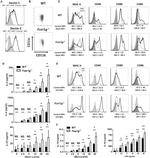
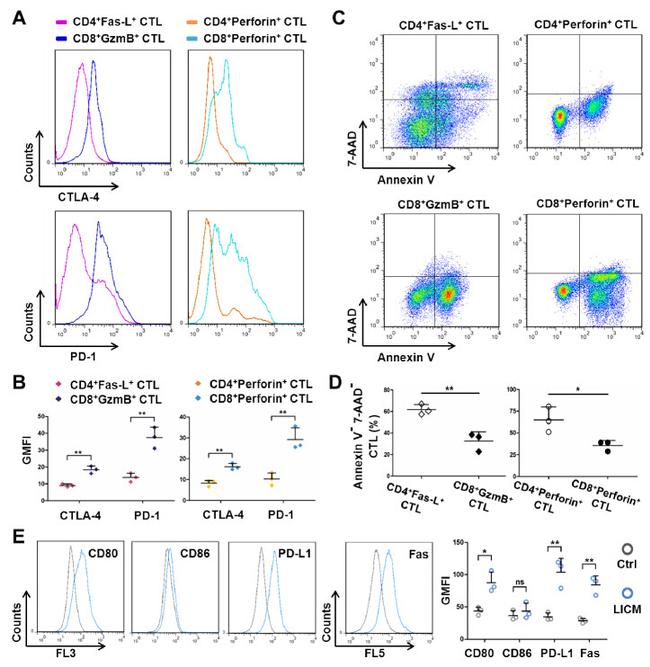
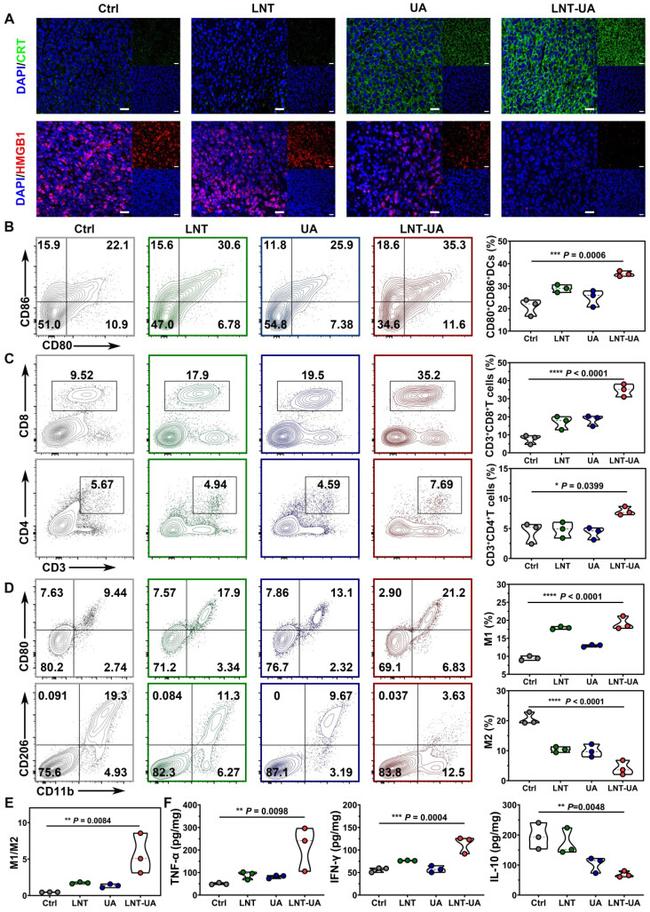
Applications Reported: The 16-10A1 antibody has been reported for use in flow cytometric analysis. 16-10A1 has also been reported in blocking of CD80 to its ligands.
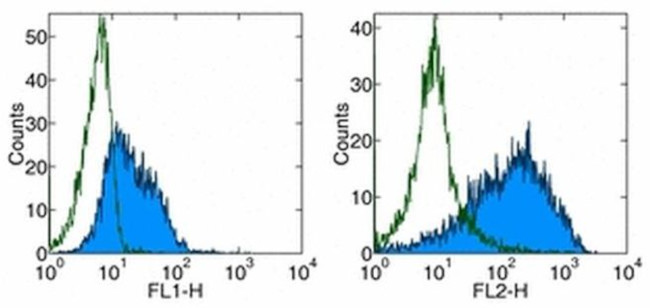
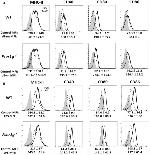
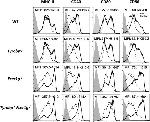
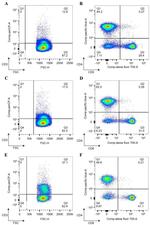
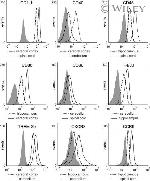
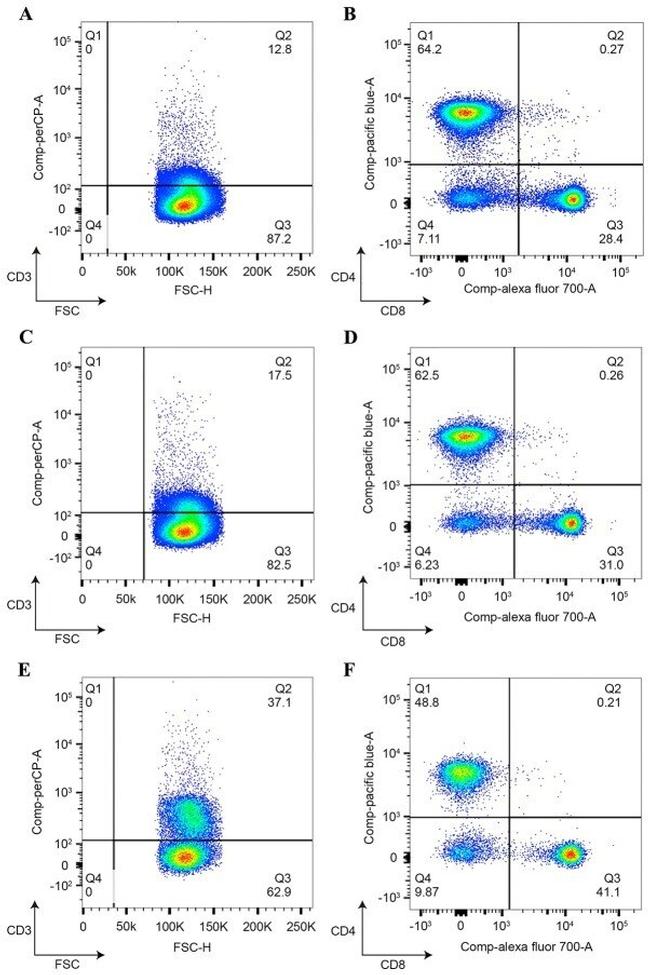
Applications Tested: The 16-10A1 antibody has been tested by flow cytometric analysis of activated mouse splenocytes. This can be used at less than or equal to 0.5 µg per test. A test is defined as the amount (µg) of antibody that will stain a cell sample in a final volume of 100 µL. Cell number should be determined empirically but can range from 10^5 to 10^8 cells/test. It is recommended that the antibody be carefully titrated for optimal performance in the assay of interest.
Storage and handling: Use in a sterile environment.
Filtration: 0.2 µm post-manufacturing filtered.
Purity: Greater than 90%, as determined by SDS-PAGE.
Endotoxin Level: Less than 0.001 ng/µg antibody, as determined by LAL assay.
Aggregation: Less than 10%, as determined by HPLC.
靶标信息
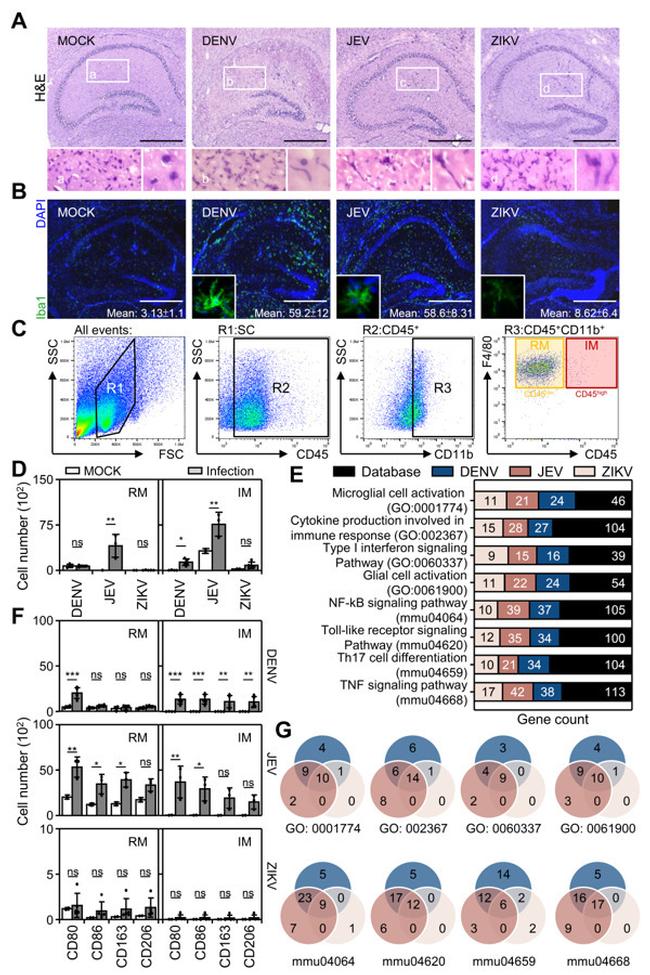
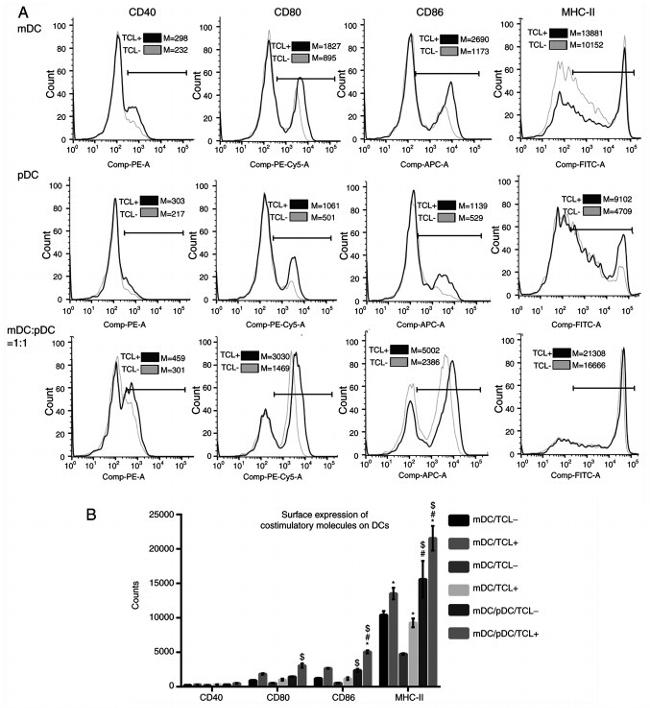
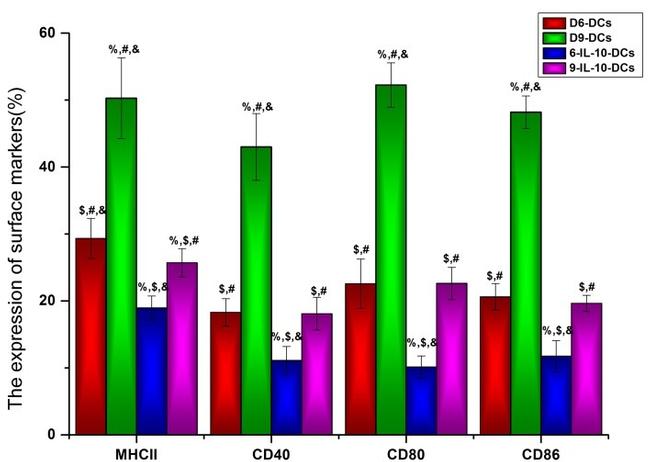
CD80 (B7-1) and CD86 (B7-2) are ligands of T cell critical costimulatory molecule CD28, and of an inhibitory receptor CTLA-4 (CD152). Both B7 molecules are expressed on professional antigen-presenting cells and are essential for T cell activation, and both molecules can also substitute for each other in this process. CD80 is rapidly induced on the surface of in vitro activated B cells, with Epstein Barr Virus (EBV) transformed B cell lines, with Burkitts lymphoma cell lines, with freshly isolated follicular B lymphoma cells, T cells, and monocytes. The B-lymphocyte activation antigen B7-1 provides regulatory signals for T lymphocytes as a consequence of binding to the CD28 and CTLA4 ligands of T cells. Diseases associated with CD80 dysfunction include gallbladder squamous cell carcinoma and myocarditis.
仅用于科研。不用于诊断过程。未经明确授权不得转售。
生物信息学
蛋白别名: activation B7-1 antigen; B7 protein; B7-1 protein; CD80 antigen (CD28 antigen ligand 1, B7-1 antigen); sCD 80; sCD80; soluble CD 80; soluble CD80; T-cell co-stimulatory protein B7-1; T-cell costimulatory molecule; TS/A-1; unnamed protein product
基因别名: B7-1; B71; Cd28l; Ly-53; Ly53; MIC17; TSA1
UniProt ID: (Mouse) Q00609
Entrez Gene ID: (Pig) 397161, (Dog) 403765, (Mouse) 12519
immune system process
positive regulation of immune system process
negative regulation of T cell mediated immunity
immune response
cell surface receptor signaling pathway
T cell costimulation
positive regulation of T cell proliferation
T cell activation
negative regulation of T cell proliferation
positive regulation of alpha-beta T cell proliferation
positive regulation of peptidyl-tyrosine phosphorylation
negative regulation of T cell receptor signaling pathway
positive regulation of T cell receptor signaling pathway
regulation of T cell activation
negative regulation of T cell activation
cellular response to lipopolysaccharide
regulation of leukocyte cell-cell adhesion
Disclaimer

Clicking the images or links will redirect you to a website hosted by BenchSci that provides third-party scientific content. Neither the content nor the BenchSci technology and processes for selection have been evaluated by us; we are providing them as-is and without warranty of any kind, including for use or application of the Thermo Fisher Scientific products presented.

