Search
Invitrogen
Caspase 14 Recombinant Rabbit Monoclonal Antibody (006), FITC
{{$productOrderCtrl.translations['antibody.pdp.commerceCard.promotion.promotions']}}
{{$productOrderCtrl.translations['antibody.pdp.commerceCard.promotion.promocode']}}: {{promo.promoCode}} {{promo.promoTitle}} {{promo.promoDescription}}. {{$productOrderCtrl.translations['antibody.pdp.commerceCard.promotion.learnmore']}}
{{$ctrl.translations['antibody.pdp.skuNotes.additionalInformation']}}:
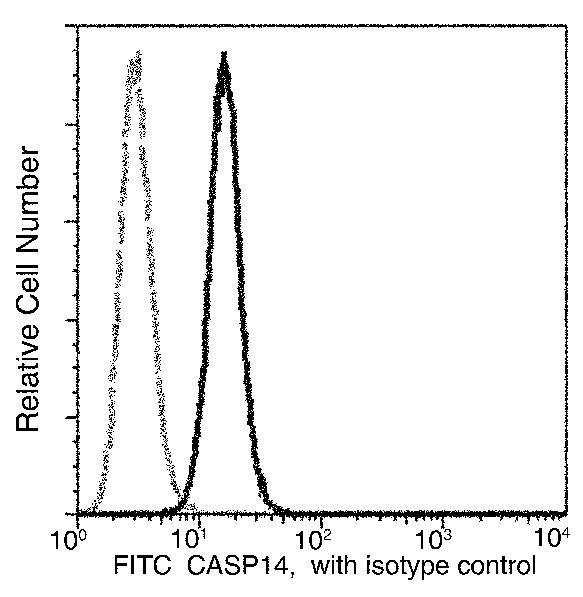
图: 1 / 2
Caspase 14 Antibody (MA5-40982) in Flow
Flow cytometry analysis of Human Caspase 14 expression in HeLa cells. The cells were treated according to manufacturer’s manual, and stained with Caspase 14 Recombinant Rabbit Monoclonal Antibody (006), FITC (Product # MA5-40982). The fluorescence histograms were derived from gated events with the forward and side light-scatter characteristics of intact cells.

Please note: We are reviewing Western blot images included in the antibody testing data in our catalog, including those provided by third parties. Unless expressly labeled or annotated as “raw-unedited”, Western blot images included in the antibody testing data in our catalog may have been edited, optimized or otherwise adjusted for presentation.


产品信息
MA5-40982
产品规格
种属反应
Human
宿主/亚型
Rabbit
/ IgG
Expression System
HEK293 cells
分类
Recombinant Monoclonal
类型
Antibody
克隆号
006
抗原
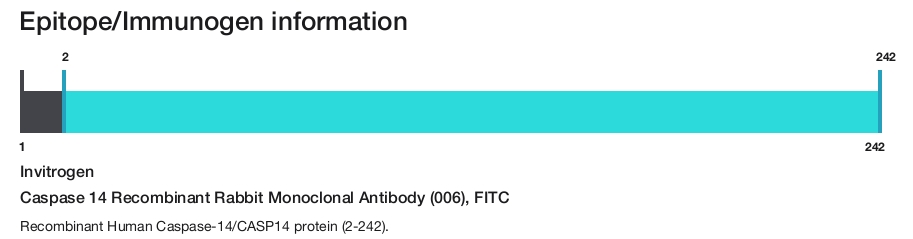
Recombinant Human Caspase-14/CASP14 protein (2-242).
偶联物
FITC
FITC
FITC
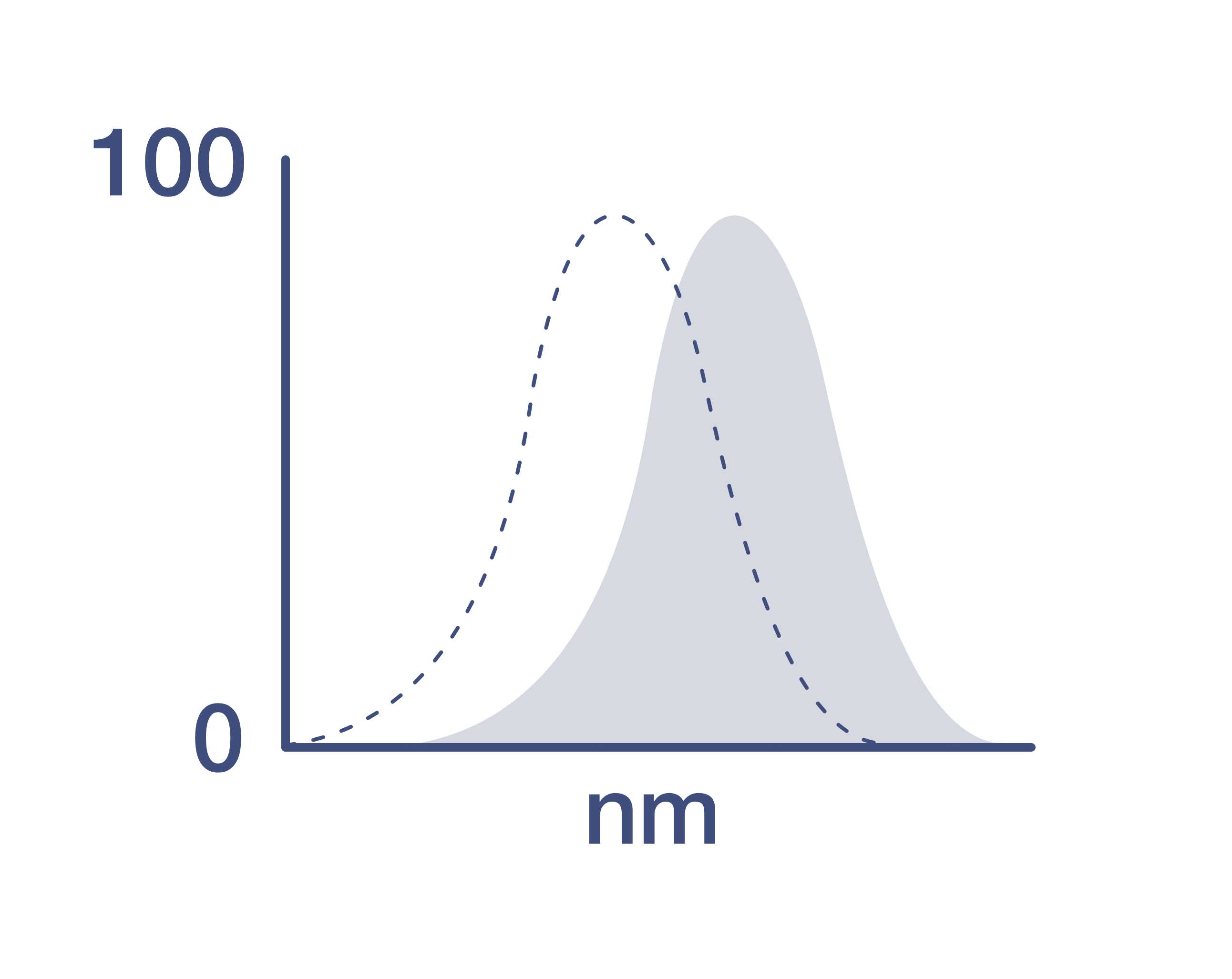
激发/发射光谱
498/517 nm
查看光谱
形式
Liquid
浓度
0.1 mg/mL
纯化类型
Protein A
保存液
PBS with 0.5% BSA
内含物
0.09% sodium azide
保存条件
4°C, store in dark, DO NOT FREEZE!
运输条件
Ambient (domestic); Wet ice (international)
RRID
产品详细信息
May be stored for twelve months without detectable loss of activity. Protect from prolonged exposure to light and do not freeze. Sodium azide is toxic to cells and should be disposed of properly so flush with large volumes of water during disposal.
靶标信息
Caspase 14 encodes a member of the cysteine-aspartic acid protease (caspase) family, which plays a central role in the execution-phase of cell apoptosis. Caspases exist as inactive proenzymes that undergo proteolytic processing at conserved aspartic residues to produce two subunits, large and small, that dimerize to form the active enzyme. This caspase has been shown to be processed and activated by caspase 8 and caspase 10 in vitro, and by anti-Fas agonist antibody or TNF-related apoptosis inducing ligand in vivo. The expression and processing of this caspase may be involved in keratinocyte terminal differentiation, which is important for the formation of the skin barrier. Diseases associated with CASP14 include Ichthyosis, Congenital, Autosomal Recessive 12 and Autosomal Recessive Congenital Ichthyosis.
仅用于科研。不用于诊断过程。未经明确授权不得转售。
How to use the Panel Builder
Watch the video to learn how to use the Invitrogen Flow Cytometry Panel Builder to build your next flow cytometry panel in 5 easy steps.
篇参考文献 (0)
您是否在文献中引用过该产品?请点击下方按钮邮件告知我们。
生物信息学
蛋白别名: apoptosis-related cysteine protease; CASP-14; caspase 14, apoptosis-related cysteine peptidase; caspase 14, apoptosis-related cysteine protease; Caspase14; cysteine protease precursor; mini-ICE; unnamed protein product
基因别名: ARCI12; caspase-14
UniProt ID: (Human) P31944
Entrez Gene ID: (Human) 23581
Disclaimer

Clicking the images or links will redirect you to a website hosted by BenchSci that provides third-party scientific content. Neither the content nor the BenchSci technology and processes for selection have been evaluated by us; we are providing them as-is and without warranty of any kind, including for use or application of the Thermo Fisher Scientific products presented.

