Search
Invitrogen
Fluorescein/Oregon Green Polyclonal Antibody, Alexa Fluor™ 488
{{$productOrderCtrl.translations['antibody.pdp.commerceCard.promotion.promotions']}}
{{$productOrderCtrl.translations['antibody.pdp.commerceCard.promotion.promocode']}}: {{promo.promoCode}} {{promo.promoTitle}} {{promo.promoDescription}}. {{$productOrderCtrl.translations['antibody.pdp.commerceCard.promotion.learnmore']}}
{{$ctrl.translations['antibody.pdp.skuNotes.additionalInformation']}}:
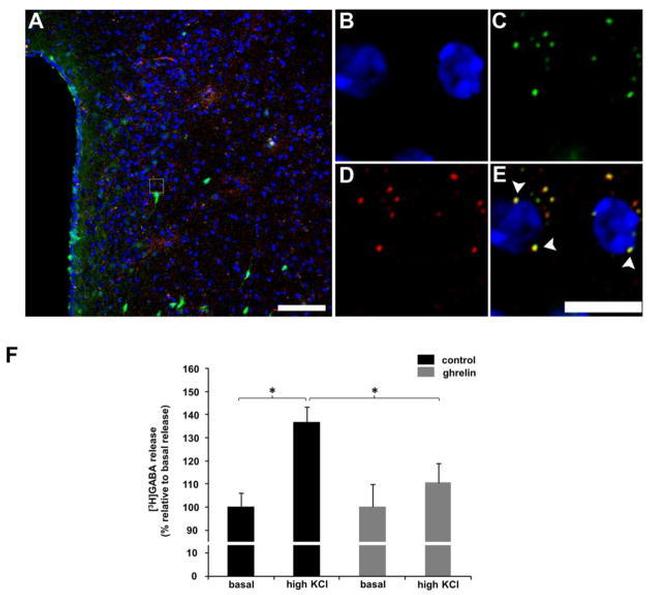
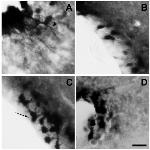
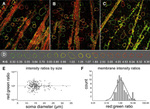
Please note: We are reviewing Western blot images included in the antibody testing data in our catalog, including those provided by third parties. Unless expressly labeled or annotated as “raw-unedited”, Western blot images included in the antibody testing data in our catalog may have been edited, optimized or otherwise adjusted for presentation.


产品信息
A-11096
应用
建议稀释比
已发表文章
产品规格
种属反应
Chemical
已发表种属
Chemical,
Mouse
宿主/亚型
Goat
/ IgG
分类
Polyclonal
类型
Antibody
抗原
Fluorescein/Oregon Green
偶联物
Alexa Fluor™ 488
Alexa Fluor™ 488
Alexa Fluor™ 488
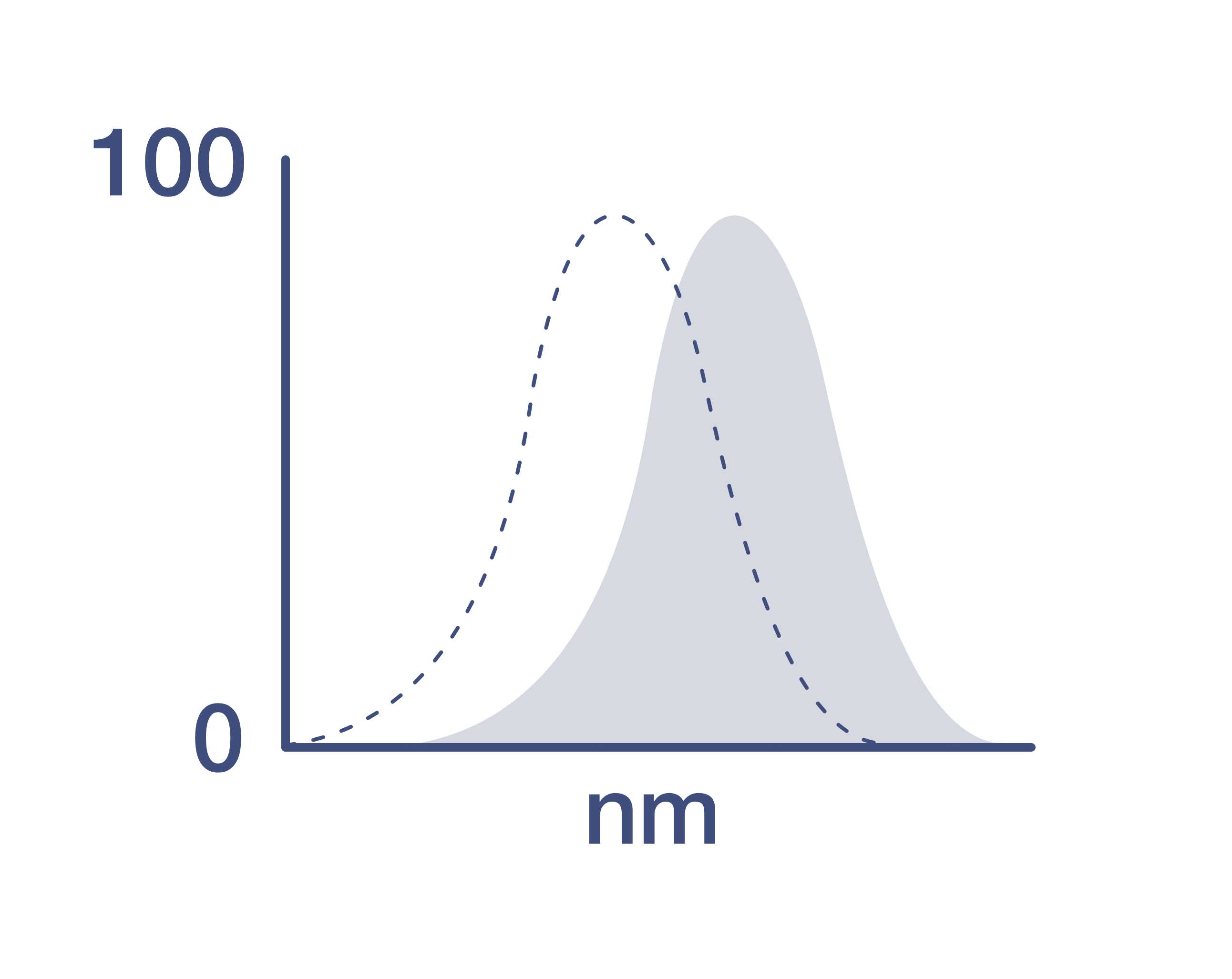
激发/发射光谱
499/520 nm
查看光谱
形式
Liquid
浓度
1 mg/mL
规格
500 µg
纯化类型
purified
保存液
0.1M potassium phosphate, pH 8
内含物
5mM sodium azide
保存条件
4°C, store in dark
运输条件
Ambient (domestic); Wet ice (international)
RRID
产品详细信息
We offer a variety of anti-fluorescent dye antibodies that recognize specific fluorophores and, in most cases, quench their fluorescence. Thus many anti-dye antibodies, including those that recognize fluorescein, can serve as cell-impermeant probes for determining whether fluorescent dye-conjugated ligands, proteins, bacteria, or other biomolecules have been internalized by endocytic or pinocytic processes.
In addition to their utility in quenching the fluorescence of extracellular fluorescein, the high affinity of Invitrogen's anti-fluorescein antibodies for both fluorescein and the structurally related Oregon GreenTM dye makes them ideal for immunochemical applications. Harmer and Samuel report the fluorescein-anti-fluorescein system provides a sensitive alternative to the biotin-streptavidin methods conventionally used for enzyme-linked immunosorbent assays (ELISAs). Fluorescein has also been found to be an excellent hapten for FISH, yielding sensitive results with extremely low background levels. The Alexa Fluor 488 conjugate can be used to amplify the fluorescence signal while still allowing fluorescein-compatible optics. The approximate absorption (Abs) and fluorescence emission (Em) maxima in nm: 495/519.
Our anti-dye antibodies can be used in many different applications. It is a good practice to centrifuge the labeled antibody solutions briefly in a microcentrifuge before use; only the supernatant should then be added to the experiment. This step will eliminate any protein aggregates that may have formed during storage, thereby reducing nonspecific background staining.
靶标信息
Anti-fluorescent dye antibodies recognize specific fluorophores and, in most cases, quench their fluorescence. Thus many anti-dye antibodies, including those that recognize fluorescein, can serve as cell-impermeant probes for determining whether fluorescent dye-conjugated ligands, proteins, bacteria or other biomolecules have been internalized by endocytic or pinocytic processes.
仅用于科研。不用于诊断过程。未经明确授权不得转售。
生物信息学
蛋白别名: FITC
Disclaimer

Clicking the images or links will redirect you to a website hosted by BenchSci that provides third-party scientific content. Neither the content nor the BenchSci technology and processes for selection have been evaluated by us; we are providing them as-is and without warranty of any kind, including for use or application of the Thermo Fisher Scientific products presented.

