Search
Invitrogen
CD193 (CCR3) Monoclonal Antibody (5E8), APC
{{$productOrderCtrl.translations['antibody.pdp.commerceCard.promotion.promotions']}}
{{$productOrderCtrl.translations['antibody.pdp.commerceCard.promotion.promocode']}}: {{promo.promoCode}} {{promo.promoTitle}} {{promo.promoDescription}}. {{$productOrderCtrl.translations['antibody.pdp.commerceCard.promotion.learnmore']}}
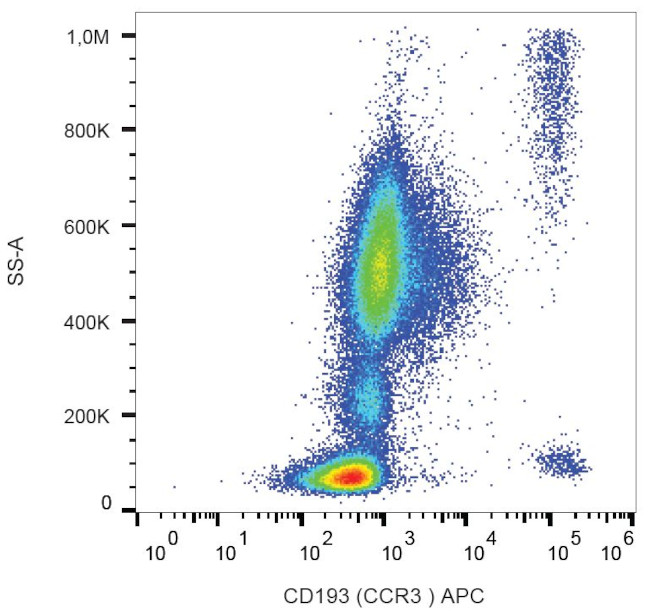
Please note: We are reviewing Western blot images included in the antibody testing data in our catalog, including those provided by third parties. Unless expressly labeled or annotated as “raw-unedited”, Western blot images included in the antibody testing data in our catalog may have been edited, optimized or otherwise adjusted for presentation.

产品信息
MA5-38735
产品规格
种属反应
Human
宿主/亚型
Mouse
/ IgG2b, kappa
分类
Monoclonal
类型
Antibody
克隆号
5E8
抗原
human CD193 transfectants
偶联物
APC
APC
APC
激发/发射光谱
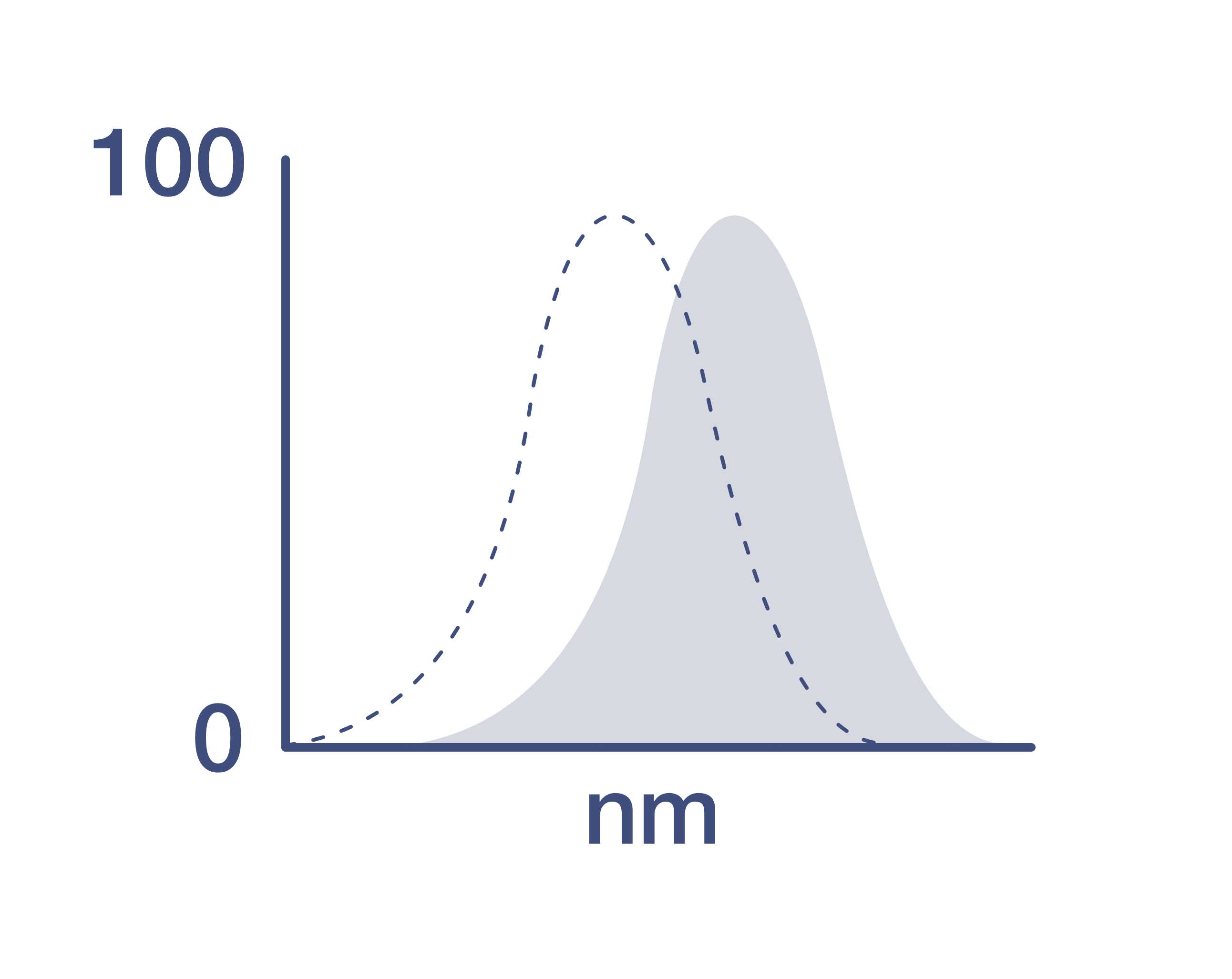
651/660 nm
查看光谱
形式
Liquid
浓度
0.04 mg/mL
纯化类型
Size-exclusion chromatography
保存液
PBS, pH 7.4, with 0.2% BSA
内含物
15mM sodium azide
保存条件
4°C, store in dark, DO NOT FREEZE!
运输条件
Ambient (domestic); Wet ice (international)
RRID
产品详细信息
This antibody recognizes an extracellular epitope of CD193 (chemokine receptor 3), an approximately 41 kDa protein expressed above all in eosinophils and basophils.
靶标信息
CCR3 (C-C chemokine receptor type 3) binds to eotaxin, eotaxin-3, MCP-3, MCP-4, RANTES, and MIP-1 delta. CCR3 trasnduces a signal by increasing the intracellular calcium ions level. It also serves as an alternative co-receptor with CD4 for HIV-1 infection. Other chemokines play important roles in inflammation and are critical for the recruitment of effector immune cells to sites of infection. Chemokines activate leukocytes by binding to G protein coupled receptors. The ever-growing chemokine receptor subtypes can be divided into 2 major groups, CXCR and CCR, based on the 2 major classes of chemokines.
仅用于科研。不用于诊断过程。未经明确授权不得转售。
How to use the Panel Builder
Watch the video to learn how to use the Invitrogen Flow Cytometry Panel Builder to build your next flow cytometry panel in 5 easy steps.
篇参考文献 (0)
您是否在文献中引用过该产品?请点击下方按钮邮件告知我们。
生物信息学
蛋白别名: b-chemokine receptor; C-C CKR-3; CC chemokine receptor 3; CCR-3; chemokine (C-C motif) receptor 3; eosinophil CC chemokine receptor 3; eosinophil eotaxin receptor; MGC102841
基因别名: C C CKR3; CC-CKR-3; CD193; CKR 3; CKR3; CMKBR3
UniProt ID: (Human) P51677
Entrez Gene ID: (Human) 1232
positive regulation of endothelial cell proliferation
chemotaxis
inflammatory response
immune response
cellular defense response
cell adhesion
G-protein coupled receptor signaling pathway
adenylate cyclase-modulating G-protein coupled receptor signaling pathway
phospholipase C-activating G-protein coupled receptor signaling pathway
positive regulation of cytosolic calcium ion concentration
calcium-mediated signaling
positive regulation of angiogenesis
cell chemotaxis
chemokine-mediated signaling pathway
cellular response to cytokine stimulus
Disclaimer

Clicking the images or links will redirect you to a website hosted by BenchSci that provides third-party scientific content. Neither the content nor the BenchSci technology and processes for selection have been evaluated by us; we are providing them as-is and without warranty of any kind, including for use or application of the Thermo Fisher Scientific products presented.

