Search
Invitrogen
NOTCH1 Monoclonal Antibody (MHN1-519), APC, eBioscience™
{{$productOrderCtrl.translations['antibody.pdp.commerceCard.promotion.promotions']}}
{{$productOrderCtrl.translations['antibody.pdp.commerceCard.promotion.promocode']}}: {{promo.promoCode}} {{promo.promoTitle}} {{promo.promoDescription}}. {{$productOrderCtrl.translations['antibody.pdp.commerceCard.promotion.learnmore']}}
{{$ctrl.translations['antibody.pdp.skuNotes.additionalInformation']}}:
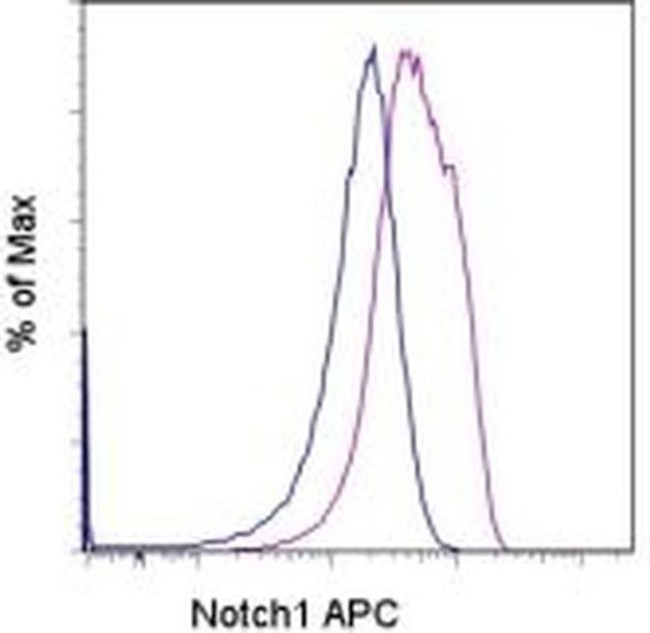
图: 1 / 2
NOTCH1 Antibody (17-9889-42) in Flow
Normal human peripheral blood cells were either unstimulated (blue histogram) or stimulated with immobilized Anti-Human CD3 Functional Grade Purified (Product # 16-0039-81) for 24 hours (purple histogram) and then stained with Anti-Human Notch1 APC. Cells in the lymphocyte gate were used for analysis.
Please note: We are reviewing Western blot images included in the antibody testing data in our catalog, including those provided by third parties. Unless expressly labeled or annotated as “raw-unedited”, Western blot images included in the antibody testing data in our catalog may have been edited, optimized or otherwise adjusted for presentation.


产品信息
17-9889-42
应用
建议稀释比
已发表文章
产品规格
种属反应
Human
已发表种属
Human
宿主/亚型
Mouse
/ IgG1
分类
Monoclonal
类型
Antibody
克隆号
MHN1-519
偶联物
APC
APC
APC
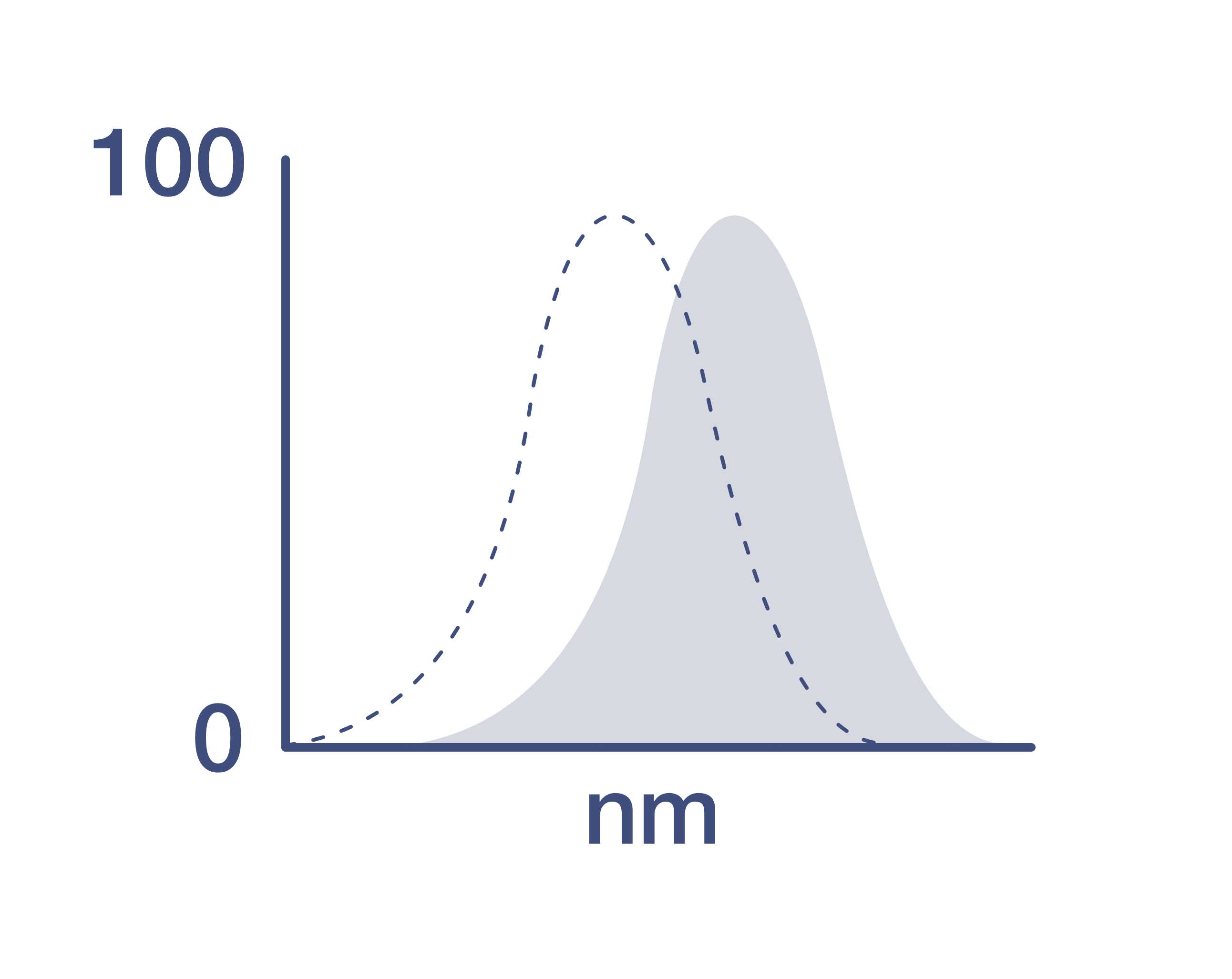
激发/发射光谱
651/660 nm
查看光谱
形式
Liquid
浓度
5 µL/Test
纯化类型
Affinity chromatography
保存液
PBS, pH 7.2, with BSA
内含物
0.09% sodium azide
保存条件
4°C, store in dark, DO NOT FREEZE!
运输条件
Ambient (domestic); Wet ice (international)
RRID
产品详细信息
Description: This MHN1-519 monoclonal antibody reacts with human Notch1, one of four members of the Notch family of receptors. Notch receptors are 300-kDa single-pass transmembrane proteins. While the extracellular domain contains numerous epidermal growth factor-like repeats for ligand binding, the intracellular domain is involved in cell signaling. Upon binding its membrane-bound ligand (either Delta or Jagged), the Notch receptor undergoes proteolytic cleavage, first by ADAM-family metalloproteases and then by gamma-secretase. The second cleavage event releases the Notch intracellular domain (NICD), which subsequently translocates into the nucleus, heterodimerizes with the DNA-binding protein RBP-J, recruits co-activator molecules, and ultimately activates transcription.
Notch 1 is expressed on thymocytes, bone marrow hematopoietic stem cells, T and NK cells. Lower Notch1 expression levels can be found on B cells and monocytes. Studies show that some subsets of T-cell acute lymphoblastic leukemia (T-ALL) arise due to Notch1 chromosomal translocation with the TCRbeta gene, which results in the expression of constitutively active Notch1. This cell surface receptor is involved in T cell lineage commitment, thymocyte development, and Th2 differentiation.
The MHN1-519 monoclonal antibody recognizes the extracellular domain of Notch1, and has also been reported to block Notch1 binding to Delta-like 4.
Applications Reported: This MHN1-519 antibody has been reported for use in flow cytometric analysis.
Applications Tested: This MHN1-519 antibody has been pre-titrated and tested by flow cytometric analysis of normal peripheral blood cells. This can be used at 5 µL (0.25 µg) per test. A test is defined as the amount (µg) of antibody that will stain a cell sample in a final volume of 100 µL. Cell number should be determined empirically but can range from 10^5 to 10^8 cells/test.
Excitation: 633-647 nm; Emission: 660 nm; Laser: Red Laser.
Filtration: 0.2 µm post-manufacturing filtered.
靶标信息
The notch gene belongs to a family of epidermal growth factor (EGF) like homeotic genes, which encode transmembrane proteins with a variable number of cysteine-rich EGF-like repeats in the extracellular region. Four notch genes have been described in mammals: Notch1, Notch2, Notch3 and Notch4(Int-3), which have been implicated in the differentiation of the nervous system and other structures. The EGF-like proteins Delta and Serrate have been identified as ligands of Notch1. Mature Notch proteins are heterodimeric receptors derived from the cleavage of Notch pre-proteins into an extracellular subunit (NEC) containing multiple EGF-like repeats and a transmembrane subunit including intracellular region (Ntm).
仅用于科研。不用于诊断过程。未经明确授权不得转售。
How to use the Panel Builder
Watch the video to learn how to use the Invitrogen Flow Cytometry Panel Builder to build your next flow cytometry panel in 5 easy steps.
生物信息学
蛋白别名: notch 1; Notch homolog 1, translocation-associated; NOTCH1; RP23-306D20.12; RP23-306D20.12-001; TAN1; translocation-associated notch protein TAN-1; unnamed protein product
基因别名: AOS5; AOVD1; hN1; TAN1
UniProt ID: (Human) P46531
Entrez Gene ID: (Human) 4851
chromatin binding
transcription coactivator activity
enzyme inhibitor activity
transmembrane signaling receptor activity
Notch binding
calcium ion binding
protein binding
enzyme binding
chromatin DNA binding
signaling receptor activity
identical protein binding
transcription regulator activator activity
negative regulation of transcription from RNA polymerase II promoter
luteolysis
epithelial to mesenchymal transition
heart looping
positive regulation of neuroblast proliferation
outflow tract morphogenesis
endocardium development
endocardium morphogenesis
atrioventricular node development
coronary vein morphogenesis
aortic valve morphogenesis
atrioventricular valve morphogenesis
coronary sinus valve morphogenesis
pulmonary valve morphogenesis
mitral valve formation
epithelial to mesenchymal transition involved in endocardial cushion formation
endocardial cushion morphogenesis
cardiac chamber formation
cardiac ventricle morphogenesis
cardiac atrium morphogenesis
cardiac right atrium morphogenesis
cardiac left ventricle morphogenesis
ventricular trabecula myocardium morphogenesis
growth involved in heart morphogenesis
regulation of cardioblast proliferation
cell migration involved in endocardial cushion formation
negative regulation of extracellular matrix constituent secretion
pericardium morphogenesis
regulation of transcription, DNA-templated
regulation of transcription from RNA polymerase II promoter
protein import into nucleus
immune response
Notch signaling pathway
positive regulation of transcription of Notch receptor target
spermatogenesis
determination of left/right symmetry
axon guidance
heart development
positive regulation of cell proliferation
negative regulation of cell proliferation
gene expression
negative regulation of cardiac muscle hypertrophy
positive regulation of gene expression
negative regulation of gene expression
negative regulation of cardiac muscle cell apoptotic process
positive regulation of epithelial to mesenchymal transition
negative regulation of cell-substrate adhesion
negative regulation of myotube differentiation
mesenchymal cell development
cell differentiation in spinal cord
cell differentiation
protein catabolic process
negative regulation of ossification
regulation of cell migration
positive regulation of cell migration
positive regulation of BMP signaling pathway
negative regulation of BMP signaling pathway
organ regeneration
response to muramyl dipeptide
response to lipopolysaccharide
negative regulation of collagen biosynthetic process
tube formation
cellular response to vascular endothelial growth factor stimulus
regulation of cell proliferation
tissue regeneration
negative regulation of catalytic activity
positive regulation of viral genome replication
positive regulation of endothelial cell differentiation
negative regulation of myoblast differentiation
negative regulation of neuron differentiation
negative regulation of osteoblast differentiation
positive regulation of glial cell differentiation
negative regulation of transcription, DNA-templated
positive regulation of transcription, DNA-templated
positive regulation of transcription from RNA polymerase II promoter
positive regulation of JAK-STAT cascade
positive regulation of Ras protein signal transduction
astrocyte differentiation
oligodendrocyte differentiation
positive regulation of astrocyte differentiation
negative regulation of oligodendrocyte differentiation
homeostasis of number of cells within a tissue
negative regulation of neurogenesis
regulation of developmental process
positive regulation of smooth muscle cell differentiation
cardiac muscle tissue morphogenesis
cardiac muscle cell proliferation
positive regulation of cardiac muscle cell proliferation
negative regulation of glial cell proliferation
cilium morphogenesis
cardiac epithelial to mesenchymal transition
negative regulation of cell adhesion molecule production
cardiac muscle cell myoblast differentiation
cardiac septum morphogenesis
ventricular septum morphogenesis
arterial endothelial cell differentiation
venous endothelial cell differentiation
cardiac vascular smooth muscle cell development
endocardial cell differentiation
vasculogenesis involved in coronary vascular morphogenesis
coronary artery morphogenesis
regulation of cell adhesion involved in heart morphogenesis
heart trabecula morphogenesis
positive regulation of cardiac epithelial to mesenchymal transition
negative regulation of biomineral tissue development
positive regulation of ERK1 and ERK2 cascade
left/right axis specification
cellular response to tumor cell
cellular response to follicle-stimulating hormone stimulus
cellular response to hypoxia
distal tubule development
collecting duct development
glomerular mesangial cell development
T-helper 17 type immune response
negative regulation of cell migration involved in sprouting angiogenesis
neuronal stem cell population maintenance
interleukin-17-mediated signaling pathway
chemical synaptic transmission, postsynaptic
negative regulation of cold-induced thermogenesis
regulation of extracellular matrix assembly
positive regulation of apoptotic process involved in morphogenesis
negative regulation of cell-cell adhesion mediated by cadherin
negative regulation of cell proliferation involved in heart morphogenesis
negative regulation of stem cell differentiation
negative regulation of anoikis
negative regulation of pro-B cell differentiation
negative regulation of endothelial cell chemotaxis
Disclaimer

Clicking the images or links will redirect you to a website hosted by BenchSci that provides third-party scientific content. Neither the content nor the BenchSci technology and processes for selection have been evaluated by us; we are providing them as-is and without warranty of any kind, including for use or application of the Thermo Fisher Scientific products presented.

