Search
Invitrogen
O-linked N-acetylglucosamine (O-GlcNAc) Monoclonal Antibody (RL2)
{{$productOrderCtrl.translations['antibody.pdp.commerceCard.promotion.promotions']}}
{{$productOrderCtrl.translations['antibody.pdp.commerceCard.promotion.promocode']}}: {{promo.promoCode}} {{promo.promoTitle}} {{promo.promoDescription}}. {{$productOrderCtrl.translations['antibody.pdp.commerceCard.promotion.learnmore']}}
{{$ctrl.translations['antibody.pdp.skuNotes.additionalInformation']}}:
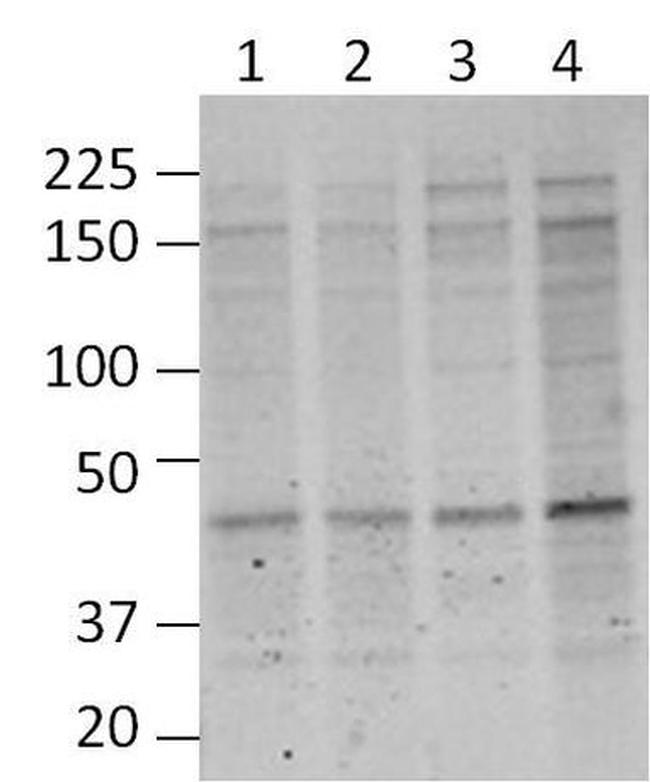
图: 1 / 96
O-linked N-acetylglucosamine (O-GlcNAc) Antibody (MA1-072) in WB
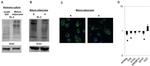
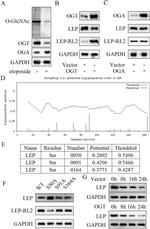
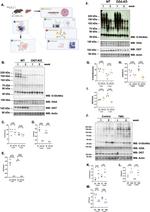
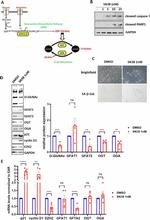
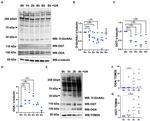
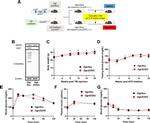
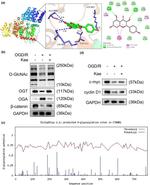
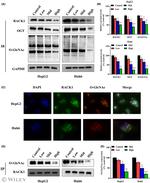
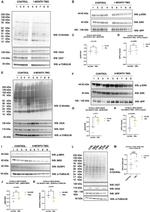
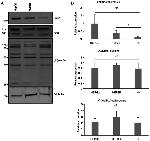
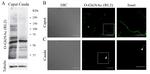
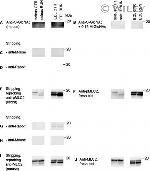
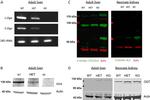
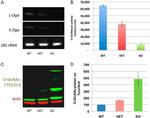
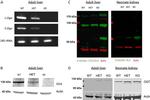
Western blot analysis of mouse cortical brain lysates using O-Linked N-Acetylglucosamine Monoclonal Antibody (Product # MA1-072). Blots containing cortical extracts from 4 individual C57BL/6 mice (Lanes 1-4) were blocked with 5% milk in TBST, and probed with MA1-072 (1:1000), followed by a fluorophore-conjugated goat anti-mouse IgG secondary antibody. Data courtesy of the Innovators Program.
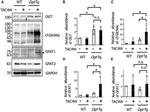
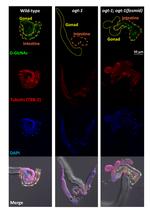
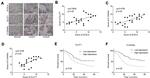
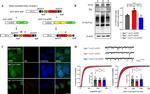
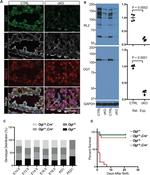
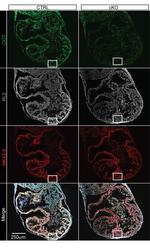
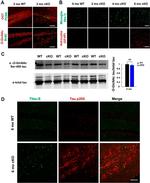
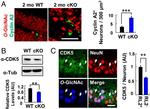
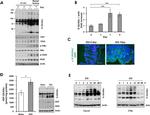
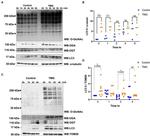
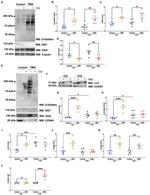
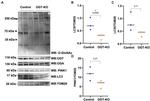
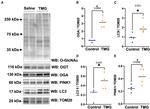
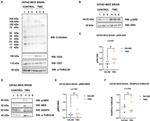
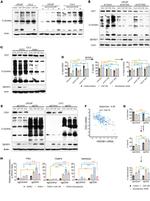
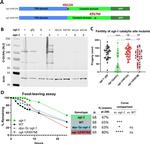
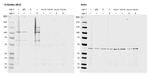
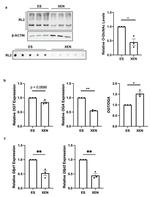
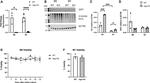
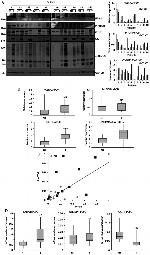
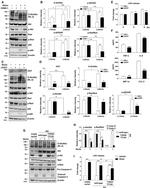
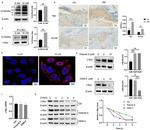
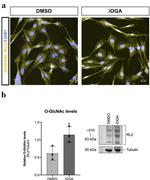
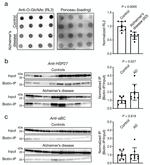
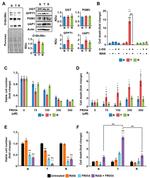
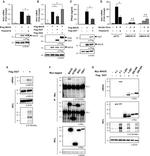
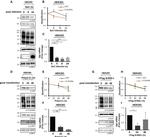
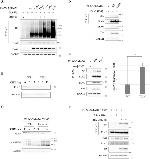
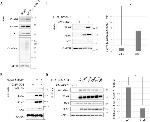
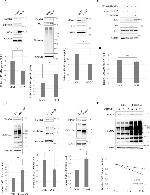
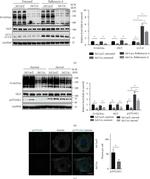
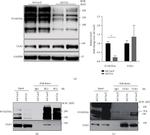
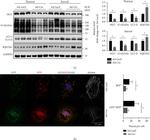
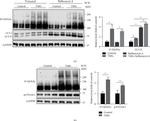
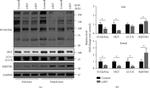
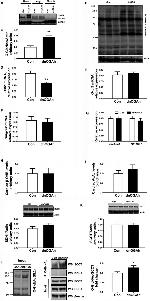
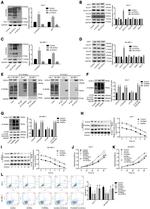
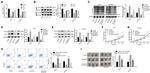
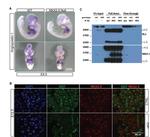
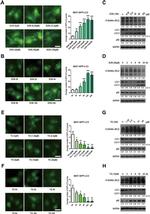
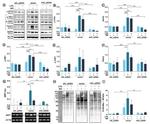
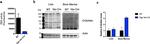
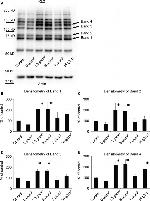
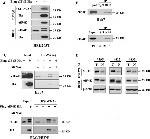
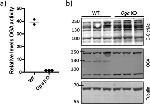
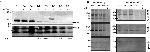
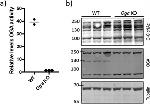
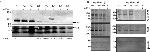
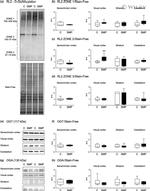
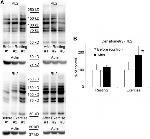
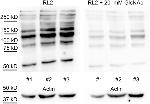
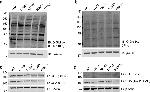
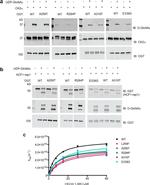
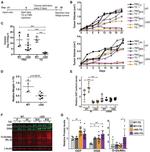
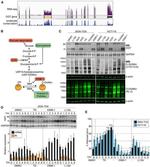
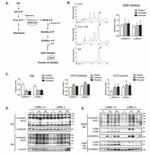
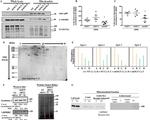
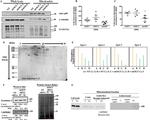
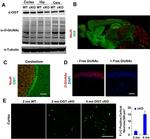
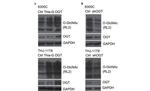
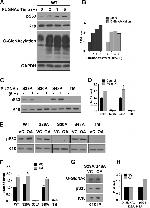
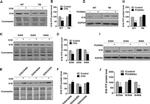
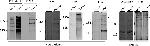
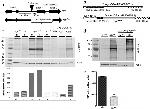
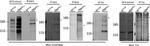
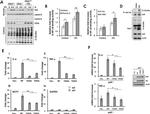
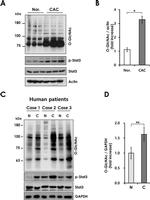
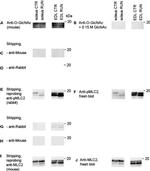
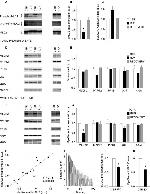
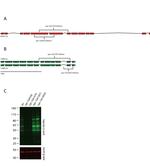
Please note: We are reviewing Western blot images included in the antibody testing data in our catalog, including those provided by third parties. Unless expressly labeled or annotated as “raw-unedited”, Western blot images included in the antibody testing data in our catalog may have been edited, optimized or otherwise adjusted for presentation.


产品信息
MA1-072
应用
建议稀释比
已发表文章
产品规格
种属反应
Chemical
已发表种属
Amphibian,
Bovine,
Chemical,
Fish,
Fruit fly,
Hamster,
Human,
Invertebrate,
Mouse,
Rat
宿主/亚型
Mouse
/ IgG1
分类
Monoclonal
类型
Antibody
克隆号
RL2
抗原
Pore complex-lamina fraction purified from rat liver nuclear envelopes.
偶联物
Unconjugated
Unconjugated
Unconjugated
形式
Liquid
浓度
2 mg/mL
规格
200 µg
纯化类型
Protein A
保存液
PBS
内含物
0.05% sodium azide
保存条件
-20°C, Avoid Freeze/Thaw Cycles
运输条件
Ambient (domestic); Wet ice (international)
RRID
产品详细信息
MA1-072 detects nuclear pore complex (NPC), cytoplasmic and intranuclear O-linked glycoproteins from human, mouse, virus and rat tissues.
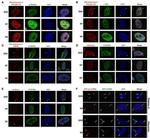
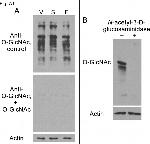
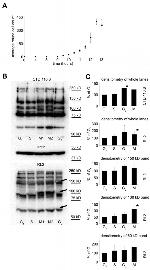
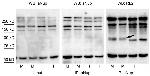
MA1-072 has been successfully used in Western blot, immunofluorescence and immunoprecipitation procedures. By Western blot, this antibody recognizes up to eight different proteins from the NPC of approximately 210, 180, 145, 100, 63, 58, 54 and 45 kDa as well as other O-linked glycoproteins outside of the NPC. Immunofluorescence staining of the NPC with MA1-072 primarily labels NPC O-linked glycoproteins and has been successfully used on a wide variety of mammalian cells. Labeling occurs at the NPC, with most of the labeling at the cytoplasmic and/or nucleoplasmic margins, as well as within the nucleus.
The MA1-072 immunogen is pore complex-lamina fraction purified from rat liver nuclear envelopes.
靶标信息
O-linked N-acetylglucosamine (O-GlcNAc) is a posttranslational modification characterized by the attachment of N-acetylglucosamine to specific serine or threonine residues. Unlike other protein glycosylations, O-GlcNAc modifications occur within the nucleus and cytoplasm. They are found on many cellular proteins, including nuclear pore, oncogene, cytoskeletal, heat shock, viral and transcription regulatory proteins. O-GlcNAc glycosylations are thought to obscure phosphorylation sites, counteracting phosphorylation-dependent signaling pathways and protein interactions.
仅用于科研。不用于诊断过程。未经明确授权不得转售。
生物信息学
蛋白别名: GlcNAc
Disclaimer

Clicking the images or links will redirect you to a website hosted by BenchSci that provides third-party scientific content. Neither the content nor the BenchSci technology and processes for selection have been evaluated by us; we are providing them as-is and without warranty of any kind, including for use or application of the Thermo Fisher Scientific products presented.

