Search
Invitrogen
PCK2 Monoclonal Antibody (3F7)
{{$productOrderCtrl.translations['antibody.pdp.commerceCard.promotion.promotions']}}
{{$productOrderCtrl.translations['antibody.pdp.commerceCard.promotion.promocode']}}: {{promo.promoCode}} {{promo.promoTitle}} {{promo.promoDescription}}. {{$productOrderCtrl.translations['antibody.pdp.commerceCard.promotion.learnmore']}}
{{$ctrl.translations['antibody.pdp.skuNotes.additionalInformation'] || 'Additional Information'}}:
{{$ctrl.translations['antibody.pdp.skuNotes.additionalInformation']}}:
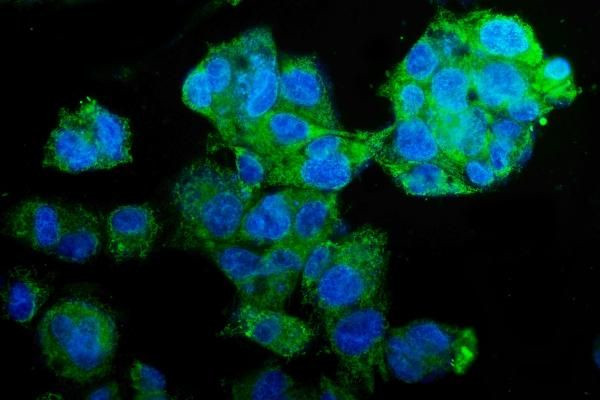
图: 1 / 7
PCK2 Antibody (MA5-49278) in ICC/IF
Immunocytochemistry analysis of PCK2 in HEPG2 cells. Enzyme antigen retrieval was performed using IHC enzyme antigen retrieval reagent for 15 mins. The cells were blocked with 10% goat serum. Samples were then incubated in PCK2 Monoclonal antibody (Product # MA5-49278) using a dilution of 5 μg/mL. DyLight®488 Conjugated Goat Anti-Mouse IgG was used as secondary antibody at 1:100 dilution and incubated for 30 minutes at 37°C. The section was counterstained with DAPI. Visualize using a fluorescence microscope and filter sets appropriate for ... View More
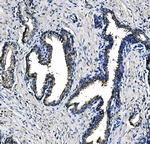
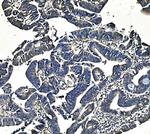
Please note: We are reviewing Western blot images included in the antibody testing data in our catalog, including those provided by third parties. Unless expressly labeled or annotated as “raw-unedited”, Western blot images included in the antibody testing data in our catalog may have been edited, optimized or otherwise adjusted for presentation.


产品信息
MA5-49278
应用
建议稀释比
已发表文章
产品规格
种属反应
Human,
Mouse,
Non-human primate,
Rat
宿主/亚型
Mouse
/ IgG2b
分类
Monoclonal
类型
Antibody
克隆号
3F7
抗原
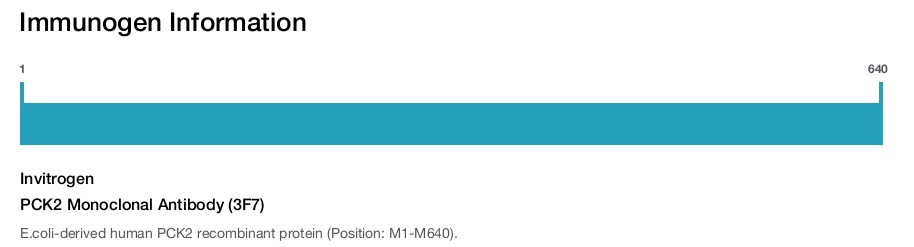
E.coli-derived human PCK2 recombinant protein (Position: M1-M640).
偶联物
Unconjugated
Unconjugated
Unconjugated
形式
Lyophilized
浓度
500 µg/mL once reconstituted
规格
100 µg
纯化类型
Antigen affinity chromatography
保存液
PBS with 4mg trehalose
内含物
no preservative
保存条件
-20°C
运输条件
Ambient (domestic); Wet ice (international)
RRID
产品详细信息
Adding 0.2 mL of distilled water will yield a concentration of 500 µg/mL.
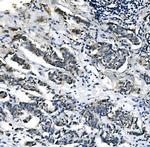
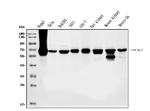
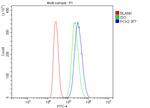
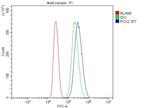
Positive Control - WB: human HEPG2 whole cell, human Hela whole cell, human HEK293 whole cell, human A431 whole cell, monkey COS-7 whole cell, rat kidney tissue, mouse kidney tissue, mouse Neuro-2a whole cell. IHC: human prostate cancer tissue, human breast cancer tissue, human retcal cancer tissue. ICC/IF: HEPG2 cell. Flow: MCF-7 cell.|Store at -20°C for one year from date of receipt. After reconstitution, at 4°C for one month. It can also be aliquotted and stored frozen at -20°C for six months. Avoid repeated freeze-thaw cycles.
靶标信息
This gene encodes a member of the phosphoenolpyruvate carboxykinase (GTP) family. The protein is a mitochondrial enzyme that catalyzes the conversion of oxaloacetate to phosphoenolpyruvate in the presence of GTP. A cytosolic form encoded by a different gene has also been characterized and is the key enzyme of gluconeogenesis in the liver. The encoded protein may serve a similar function, although it is constitutively expressed and not modulated by hormones such as glucagon and insulin that regulate the cytosolic form. Alternatively spliced transcript variants have been described.
仅用于科研。不用于诊断过程。未经明确授权不得转售。
篇参考文献 (0)
您是否在文献中引用过该产品?请点击下方按钮邮件告知我们。
生物信息学
蛋白别名: epididymis secretory sperm binding protein; HGNC:8725; PCK2; PEP carboxykinase; phosphoenolpyruvate carboxykinase 2 (mitochondrial) isoform PCK2_1; phosphoenolpyruvate carboxykinase 2 (mitochondrial) isoform PCK2_2; phosphoenolpyruvate carboxykinase 2 (mitochondrial) isoform PCK2_3; phosphoenolpyruvate carboxylase; phosphopyruvate carboxylase; serine/threonine-protein kinase PCK2; unnamed protein product
基因别名: 1810010O14Rik; 9130022B02Rik; mtPCK2; PEPCK; PEPCK-M; PEPCK2
UniProt ID: (Human) Q16822, (Mouse) Q8BH04
Entrez Gene ID: (Human) 5106, (Mouse) 74551, (Rat) 361042
gluconeogenesis
oxaloacetate metabolic process
glycerol biosynthetic process
positive regulation of insulin secretion
response to lipopolysaccharide
cellular response to insulin stimulus
response to starvation
pyruvate biosynthetic process
hepatocyte differentiation
cellular response to glucose stimulus
cellular response to tumor necrosis factor
response to dexamethasone
cellular response to dexamethasone stimulus
positive regulation of ferroptosis
Disclaimer

Clicking the images or links will redirect you to a website hosted by BenchSci that provides third-party scientific content. Neither the content nor the BenchSci technology and processes for selection have been evaluated by us; we are providing them as-is and without warranty of any kind, including for use or application of the Thermo Fisher Scientific products presented.

