Search
Invitrogen
Phospho-PKC Pan (Thr497) Polyclonal Antibody
{{$productOrderCtrl.translations['antibody.pdp.commerceCard.promotion.promotions']}}
{{$productOrderCtrl.translations['antibody.pdp.commerceCard.promotion.promocode']}}: {{promo.promoCode}} {{promo.promoTitle}} {{promo.promoDescription}}. {{$productOrderCtrl.translations['antibody.pdp.commerceCard.promotion.learnmore']}}
{{$ctrl.translations['antibody.pdp.skuNotes.additionalInformation']}}:
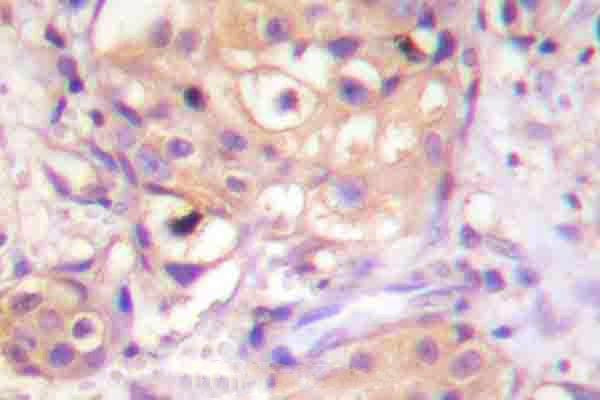
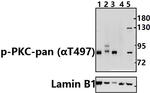

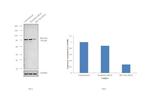
Please note: We are reviewing Western blot images included in the antibody testing data in our catalog, including those provided by third parties. Unless expressly labeled or annotated as “raw-unedited”, Western blot images included in the antibody testing data in our catalog may have been edited, optimized or otherwise adjusted for presentation.


产品信息
PA5-36757
产品规格
种属反应
Human,
Mouse,
Rat
宿主/亚型
Rabbit
/ IgG
分类
Polyclonal
类型
Antibody
抗原
Synthetic phosphopeptide derived from human PKC-pan around the phosphorylation site of Threonine 497
偶联物
Unconjugated
Unconjugated
Unconjugated
形式
Liquid
浓度
1 mg/mL
规格
100 µg
纯化类型
Antigen affinity chromatography
保存液
PBS, pH 7.2, with 50% glycerol
内含物
0.02% sodium azide
保存条件
Store at 4°C short term. For long term storage, store at -20°C, avoiding freeze/thaw cycles.
运输条件
Ambient (domestic); Wet ice (international)
RRID
产品详细信息
This antibody detects endogenous levels of PKC alpha, beta-I, beta-II, gamma, delta, epsilon, eta, zeta and theta isoforms only when phosphorylated at a residue homologous to threonine 497 of human PKC alpha.
Purity is >95% by SDS-PAGE.
靶标信息
Members of the protein kinase C (PKC) family play a key regulatory role in a variety of cellular functions including cell growth and differentiation, gene expression, hormone secretion and membrane function. PKCs were originally identified as serine/threonine protein kinases whose activity was dependent on calcium and phospholipids. Diacylglycerols (DAG) and tumor promoting phorbol esters bind to and activate PKC. PKCs can be subdivided into at least two major classes including conventional (c) PKC isoforms ( alpha, betaI, betaII and gamma) and novel (n) PKC isoforms ( delta, epsilon, zeta, eta and theta). Patterns of expression for each PKC isoform differ among tissues and PKC family members exhibit clear differences in their cofactor dependencies. For instance, the kinase activities of nPKC delta and epsilon are independent of Ca2+.
仅用于科研。不用于诊断过程。未经明确授权不得转售。
篇参考文献 (0)
您是否在文献中引用过该产品?请点击下方按钮邮件告知我们。
生物信息学
蛋白别名: AAG6; aging-associated gene 6; alternatively spliced; aPKC-lambda/iota; atypical protein kinase C; atypical protein kinase C-lambda/iota; nPKC-delta; nPKC-epsilon; nPKC-eta; nPKC-iota; nPKC-theta; nPKC-zeta; PCK epsilon; PKC epsilon; PKC gamma; PKC lambda; PKC theta; PKC zeta; PKC-A; PKC-alpha; PKC-B; PKC-beta; PKC-gamma; PKC-L; PKCdelta; PKCdeltaVIII; PRKC-lambda/iota; Prkce; diacylglycerol sensitive, calcium insensitive ser/thr kinase; protein kinase; protein kinase C alpha-polypeptide; protein kinase C beta I; protein kinase C beta II; protein kinase C beta-1; protein kinase C beta-II; protein kinase C delta subspecies; protein kinase C delta VIII; protein kinase C epsilon subspecies; protein kinase C type I (gamma type); protein kinase C type II; protein kinase C type III; protein kinase C zeta subspecies; protein kinase C, beta 1; protein kinase C, beta 1 polypeptide; protein kinase C, delta IV; protein kinase C, delta V; protein kinase C, lambda; protein kinase C, zeta subspecies; protein kinase c-alpha; protein kinase C[d]; Protein uPEP2; tyrosine-protein kinase PRKCD; unnamed protein product
基因别名: 14-3-3-zetaisoform; 2310021H13Rik; 5830406C15Rik; A130035A12Rik; AAG6; ALPS3; aPKClambda; aPKCzeta; CVID9; D14Ertd420e; DXS1179E; MAY1; mKIAA4165; nPKC-delta; nPKC-epsilon; nPKC-eta; nPKC-iota; nPKC-theta; nPKC-zeta; PKC; PKC-0; PKC-alpha; PKC-B; PKC-Beta; PKC-gamma; PKC-L; PKC-theta; PKC-ZETA; PKC2; PKC[d]; PKC[e]; PKCA; PKCalpha; PKCB; PKCbeta; PKCC; PKCD; PKCdelta; PKCE; PKCepsilon; PKCG; PKCgamma; Pkch; PKCI; PKCI(2); PKCI(3); PKCI+/-; PKCL; PKClambda; Pkcq; PKCtheta; Pkcz; Prkc; PRKCB1; PRKCB2; Prkcc; PRKCL; PRKCT; r14-3-3; RATPKCI; SCA14; uORF2; zetaPKC
UniProt ID: (Human) P17252, (Human) P05771, (Human) Q05655, (Human) Q02156, (Human) P05129, (Human) P24723, (Human) P41743, (Human) Q04759, (Human) Q05513, (Mouse) P20444, (Rat) P05696, (Rat) P68403, (Mouse) P68404, (Mouse) P28867, (Rat) P09215, (Rat) P09216, (Mouse) P16054, (Rat) P63319, (Mouse) P63318, (Rat) Q64617, (Mouse) P23298, (Mouse) Q62074, (Rat) F1M7Y5, (Mouse) Q02111, (Mouse) Q02956, (Rat) P09217
Entrez Gene ID: (Human) 5578, (Human) 5579, (Human) 5580, (Human) 5581, (Human) 5582, (Human) 5583, (Human) 5584, (Human) 5588, (Human) 5590, (Mouse) 18750, (Rat) 24680, (Rat) 25023, (Mouse) 18751, (Mouse) 18753, (Rat) 170538, (Rat) 29340, (Mouse) 18754, (Rat) 24681, (Mouse) 18752, (Rat) 81749, (Mouse) 18755, (Mouse) 18759, (Rat) 84006, (Rat) 85420, (Mouse) 18761, (Mouse) 18762, (Rat) 25522
protein kinase activity
protein serine/threonine kinase activity
protein kinase C activity
calcium-dependent protein kinase C activity
receptor binding
integrin binding
protein binding
ATP binding
zinc ion binding
enzyme binding
diacylglycerol binding
histone kinase activity (H3-T6 specific)
protein serine kinase activity
chromatin binding
transcription coactivator activity
protein kinase C binding
calcium channel regulator activity
histone binding
androgen receptor binding
calcium-independent protein kinase C activity
protein tyrosine kinase activity
non-membrane spanning protein tyrosine kinase activity
enzyme activator activity
protein kinase binding
protein tyrosine kinase activator activity
insulin receptor substrate binding
actin monomer binding
receptor activator activity
ethanol binding
14-3-3 protein binding
protein serine/threonine/tyrosine kinase activity
protein serine/threonine kinase inhibitor activity
small GTPase binding
translation regulator activity
protein serine/threonine kinase binding
phospholipid binding
lipid binding
TIR domain binding
SH3 domain binding
potassium channel regulator activity
phospholipase binding
macromolecular complex binding
phospholipase C-activating G-protein coupled receptor signaling pathway
chemical synaptic transmission
learning or memory
response to toxic substance
negative regulation of protein ubiquitination
regulation of response to food
positive regulation of mismatch repair
intracellular signal transduction
negative regulation of protein catabolic process
regulation of circadian rhythm
response to morphine
negative regulation of neuron apoptotic process
response to pain
long-term synaptic potentiation
innervation
negative regulation of proteasomal protein catabolic process
response to angiotensin
response to psychosocial stress
regulation of synaptic vesicle exocytosis
response to hypoxia
chromatin remodeling
regulation of transcription from RNA polymerase II promoter
protein phosphorylation
calcium ion transport
cellular calcium ion homeostasis
phospholipase C-activating G-protein coupled acetylcholine receptor signaling pathway
response to xenobiotic stimulus
response to glucose
regulation of signal transduction
regulation of glucose transport
negative regulation of glucose transport
regulation of dopamine secretion
dibenzo-p-dioxin metabolic process
positive regulation of vascular endothelial growth factor receptor signaling pathway
response to vitamin D
regulation of growth
B cell activation
positive regulation of odontogenesis of dentin-containing tooth
positive regulation of I-kappaB kinase/NF-kappaB signaling
response to ethanol
positive regulation of angiogenesis
positive regulation of transcription, DNA-templated
negative regulation of insulin receptor signaling pathway
B cell receptor signaling pathway
positive regulation of developmental process
positive regulation of multicellular organismal process
negative regulation of dopamine receptor signaling pathway
protein kinase C signaling
cellular response to carbohydrate stimulus
positive regulation of ferroptosis
regulation of secretion by cell
protein targeting to membrane
cytoskeleton organization
positive regulation of neuron projection development
vesicle-mediated transport
cell migration
establishment of cell polarity
cellular response to insulin stimulus
negative regulation of glial cell apoptotic process
negative regulation of apoptotic process
response to peptide hormone
establishment or maintenance of epithelial cell apical/basal polarity
cell-cell junction organization
positive regulation of Notch signaling pathway
positive regulation of glucose import
secretion
Golgi vesicle budding
positive regulation of glial cell proliferation
membrane organization
cellular response to chemical stress
response to interleukin-1
protein localization to plasma membrane
regulation of postsynaptic membrane neurotransmitter receptor levels
positive regulation of protein localization to plasma membrane
positive regulation of endothelial cell apoptotic process
apoptotic process
signal transduction
toxin catabolic process
positive regulation of epithelial cell migration
positive regulation of fibroblast migration
regulation of metal ion transport
positive regulation of actin filament polymerization
lipopolysaccharide-mediated signaling pathway
positive regulation of cytokinesis
positive regulation of superoxide anion generation
regulation of actin cytoskeleton organization
TRAM-dependent toll-like receptor 4 signaling pathway
Fc-gamma receptor signaling pathway involved in phagocytosis
xenobiotic catabolic process
positive regulation of wound healing
negative regulation of sodium ion transmembrane transport
regulation of cation transmembrane transport
regulation of transcription, DNA-templated
membrane protein ectodomain proteolysis
regulation of G2/M transition of mitotic cell cycle
regulation of vasoconstriction
neuron differentiation
positive regulation of telomere maintenance
positive regulation of interleukin-17 production
positive regulation of interleukin-2 production
positive regulation of interleukin-4 production
response to insulin
positive regulation of T cell proliferation
tissue regeneration
positive regulation of protein import into nucleus
respiratory burst
positive regulation of protein secretion
positive regulation of T cell activation
positive regulation of filopodium assembly
positive regulation of stress fiber assembly
cell chemotaxis
negative regulation of T cell apoptotic process
regulation of platelet aggregation
positive regulation of T-helper 17 type immune response
positive regulation of T-helper 2 cell activation
microtubule cytoskeleton organization
positive regulation of cell-matrix adhesion
cell surface receptor signaling pathway
long-term memory
positive regulation of cell proliferation
peptidyl-serine phosphorylation
negative regulation of protein complex assembly
activation of protein kinase B activity
positive regulation of interleukin-10 production
positive regulation of interleukin-13 production
positive regulation of interleukin-5 production
positive regulation of phosphorylation
positive regulation of T-helper 2 cell differentiation
positive regulation of insulin receptor signaling pathway
vesicle transport along microtubule
positive regulation of synaptic transmission
positive regulation of protein transport
negative regulation of hydrolase activity
membrane depolarization
membrane hyperpolarization
positive regulation of ERK1 and ERK2 cascade
regulation of neurotransmitter receptor localization to postsynaptic specialization membrane
positive regulation of smooth muscle cell-matrix adhesion
neuron projection extension
positive regulation of excitatory postsynaptic potential
positive regulation of T-helper 2 cell cytokine production
cellular response to DNA damage stimulus
intrinsic apoptotic signaling pathway in response to oxidative stress
peptidyl-threonine phosphorylation
termination of signal transduction
negative regulation of actin filament polymerization
cellular response to UV
neutrophil activation
defense response to bacterium
negative regulation of MAPK cascade
regulation of mRNA stability
positive regulation of DNA repair
negative regulation of smoothened signaling pathway
negative regulation of inflammatory response
protein stabilization
positive regulation of DNA metabolic process
negative regulation of filopodium assembly
cellular response to hydrogen peroxide
cellular response to fatty acid
cellular response to hydroperoxide
negative regulation of platelet aggregation
cellular senescence
phospholipase C/protein kinase C signal transduction
positive regulation of phospholipid scramblase activity
cellular response to angiotensin
regulation of ceramide biosynthetic process
positive regulation of ceramide biosynthetic process
positive regulation of glucosylceramide catabolic process
positive regulation of sphingomyelin catabolic process
response to oxidative stress
immunoglobulin mediated immune response
collagen metabolic process
cellular response to oxidative stress
B cell proliferation
regulation of phosphorylation
positive regulation of apoptotic process
positive regulation of MAP kinase activity
positive regulation of MAPK cascade
post-translational protein modification
protein autophosphorylation
D-aspartate import
positive regulation of apoptotic signaling pathway
macrophage activation involved in immune response
positive regulation of cell-substrate adhesion
negative regulation of mitochondrial membrane potential
regulation of lipid metabolic process
positive regulation of insulin secretion
positive regulation of synaptic transmission, GABAergic
locomotory exploration behavior
cellular response to platelet-derived growth factor stimulus
regulation of peptidyl-tyrosine phosphorylation
positive regulation of lipid catabolic process
regulation of release of sequestered calcium ion into cytosol
negative regulation of release of sequestered calcium ion into cytosol
negative regulation of mitochondrial calcium ion concentration
regulation of insulin secretion involved in cellular response to glucose stimulus
positive regulation of mucus secretion
cellular response to ethanol
cellular response to prostaglandin E stimulus
cellular response to hypoxia
presynaptic modulation of chemical synaptic transmission
response to mechanical stimulus
cellular response to glucose starvation
response to hydrogen peroxide
response to amino acid
response to phorbol 13-acetate 12-myristate
regulation of cell growth
axon guidance
Fc-epsilon receptor signaling pathway
response to reactive oxygen species
negative regulation of protein phosphorylation
positive regulation of protein phosphorylation
positive regulation of endothelial cell proliferation
regulation of the force of heart contraction
chondrocyte differentiation
desmosome assembly
negative regulation of protein kinase activity
regulation of muscle contraction
negative regulation of cell proliferation
positive regulation of signal transduction
positive regulation of endothelial cell migration
positive regulation of cardiac muscle hypertrophy
negative regulation of translation
central nervous system neuron axonogenesis
signal transduction involved in regulation of gene expression
positive regulation of cell migration
neutrophil chemotaxis
positive regulation of lipopolysaccharide-mediated signaling pathway
response to estradiol
peptidyl-serine autophosphorylation
proteasome-mediated ubiquitin-dependent protein catabolic process
protein kinase B signaling
positive regulation of blood vessel endothelial cell migration
positive regulation of cellular component biogenesis
positive regulation of macrophage differentiation
positive regulation of bone resorption
positive regulation of cell adhesion
positive regulation of exocytosis
positive regulation of mitotic cell cycle
negative regulation of glucose import
positive regulation of smooth muscle cell proliferation
positive regulation of inflammatory response
induction of positive chemotaxis
positive regulation of protein kinase B signaling
positive regulation of synapse assembly
renal sodium ion absorption
intrinsic apoptotic signaling pathway
positive regulation of angiotensin-activated signaling pathway
negative regulation of cytokine production involved in inflammatory response
positive regulation of dense core granule biogenesis
chemosensory behavior
regulation of cell communication
regulation of signaling
regulation of phagocytosis
positive regulation of macrophage derived foam cell differentiation
positive regulation of translation in response to stress
cellular response to amino acid starvation
positive regulation of keratinocyte differentiation
positive regulation of B cell receptor signaling pathway
regulation of bicellular tight junction assembly
actin filament organization
establishment of apical/basal cell polarity
eye photoreceptor cell development
regulation of exocytosis
establishment of protein localization
response to corticosterone
mitotic nuclear envelope disassembly
lipoprotein transport
regulation of transport
apoptotic signaling pathway
positive regulation of adenylate cyclase-activating G protein-coupled receptor signaling pathway
synaptic signaling via neuropeptide
Disclaimer

Clicking the images or links will redirect you to a website hosted by BenchSci that provides third-party scientific content. Neither the content nor the BenchSci technology and processes for selection have been evaluated by us; we are providing them as-is and without warranty of any kind, including for use or application of the Thermo Fisher Scientific products presented.

