Search
Invitrogen
RNASE7 Monoclonal Antibody (CL0223)
{{$productOrderCtrl.translations['antibody.pdp.commerceCard.promotion.promotions']}}
{{$productOrderCtrl.translations['antibody.pdp.commerceCard.promotion.promocode']}}: {{promo.promoCode}} {{promo.promoTitle}} {{promo.promoDescription}}. {{$productOrderCtrl.translations['antibody.pdp.commerceCard.promotion.learnmore']}}
{{$ctrl.translations['antibody.pdp.skuNotes.additionalInformation']}}:
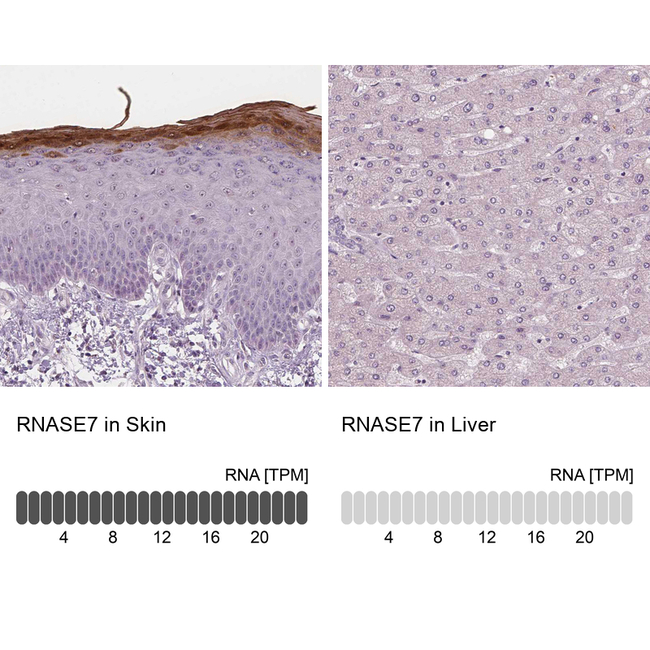
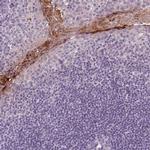
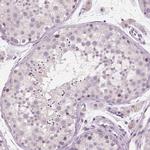
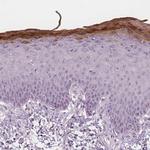
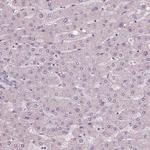
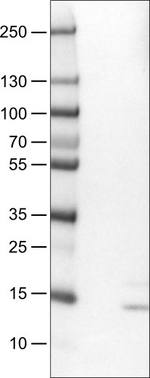
Please note: We are reviewing Western blot images included in the antibody testing data in our catalog, including those provided by third parties. Unless expressly labeled or annotated as “raw-unedited”, Western blot images included in the antibody testing data in our catalog may have been edited, optimized or otherwise adjusted for presentation.


产品信息
MA5-24590
产品规格
种属反应
Human
宿主/亚型
Mouse
/ IgG1
分类
Monoclonal
类型
Antibody
克隆号
CL0223
抗原
Recombinant protein fragment of Human RNASE7 (Product #RP-88942).
偶联物
Unconjugated
Unconjugated
Unconjugated
形式
Liquid
浓度
0.5 mg/mL
规格
50 µg
纯化类型
Protein A
保存液
PBS, pH 7.2, with 40% glycerol
内含物
0.02% sodium azide
保存条件
Store at 4°C short term. For long term storage, store at -20°C, avoiding freeze/thaw cycles.
运输条件
Ambient (domestic); Wet ice (international)
RRID
产品详细信息
Immunogen sequence: KGMTSSQWFK IQHMQPSPQA CNSAMKNINK HTKRCKDLNT FLHEPFSSVA ATCQTPKIAC KNGDKNCHQS HGPVSLTMCK LTSGKYPNCR YKEKRQNKSY VVACKPPQKK DSQQFHLVPV HLDRV
Highest antigen sequence identity to the following orthologs: Mouse - 54%, Rat - 56%.
Binds to an epitope located within the peptide sequence LTMCKLTSGKYPNCR as determined by overlapping synthetic peptides.
靶标信息
The RNASE7 gene encodes a ribonuclease enzyme characterized by its potent ribonucleolytic activity and antimicrobial properties. It is part of the RNase A superfamily, featuring eight conserved cysteines and a catalytic histidine-lysine-histidine triad. RNase 7 is expressed in various somatic tissues, including the liver, kidney, skeletal muscle, and heart, and is prominently found in the stratum corneum of human skin. Its role is crucial in innate immune defense, assisting in the high resistance of human skin against infections. The expression of RNASE7 can be significantly induced by pro-inflammatory cytokines such as interferon-gamma, interleukin 1 beta, and to a lesser extent by tumor necrosis factor-a. This induction highlights its role in immune responses. Beyond its antimicrobial activity, RNase 7 has been shown to play a role in translating self-nucleic acids into TLR9 activators, influencing the DNA-mediated activation of immune cells like keratinocytes. These functions underscore RNASE7's significance in both maintaining skin barrier function and modulating immune responses.
仅用于科研。不用于诊断过程。未经明确授权不得转售。
篇参考文献 (0)
您是否在文献中引用过该产品?请点击下方按钮邮件告知我们。
生物信息学
蛋白别名: ribonuclease, RNase A family, 7; RNase 7; SAP-2; skin-derived antimicrobial protein 2; unnamed protein product
基因别名: RAE1
UniProt ID: (Human) Q9H1E1
Entrez Gene ID: (Human) 84659
Disclaimer

Clicking the images or links will redirect you to a website hosted by BenchSci that provides third-party scientific content. Neither the content nor the BenchSci technology and processes for selection have been evaluated by us; we are providing them as-is and without warranty of any kind, including for use or application of the Thermo Fisher Scientific products presented.

