Search
Agrisera
SPS/Sucrose phosphate synthase, global Polyclonal Antibody, DyLight™ 488
{{$productOrderCtrl.translations['antibody.pdp.commerceCard.promotion.promotions']}}
{{$productOrderCtrl.translations['antibody.pdp.commerceCard.promotion.viewpromo']}}
{{$productOrderCtrl.translations['antibody.pdp.commerceCard.promotion.promocode']}}: {{promo.promoCode}} {{promo.promoTitle}} {{promo.promoDescription}}. {{$productOrderCtrl.translations['antibody.pdp.commerceCard.promotion.learnmore']}}
Additional Information:
{{banner.description}}
产品信息
AS03-035-DL488
产品规格
种属反应
Plant
宿主/亚型
Rabbit
分类
Polyclonal
类型
Antibody
抗原
KLH-conjugated synthetic peptide derived from conserved region within plant SPS protein sequences, including Arabidopsis thaliana isoforms 1F, 2F, 3F and 4F.
偶联物
DyLight™ 488
DyLight™ 488
DyLight™ 488
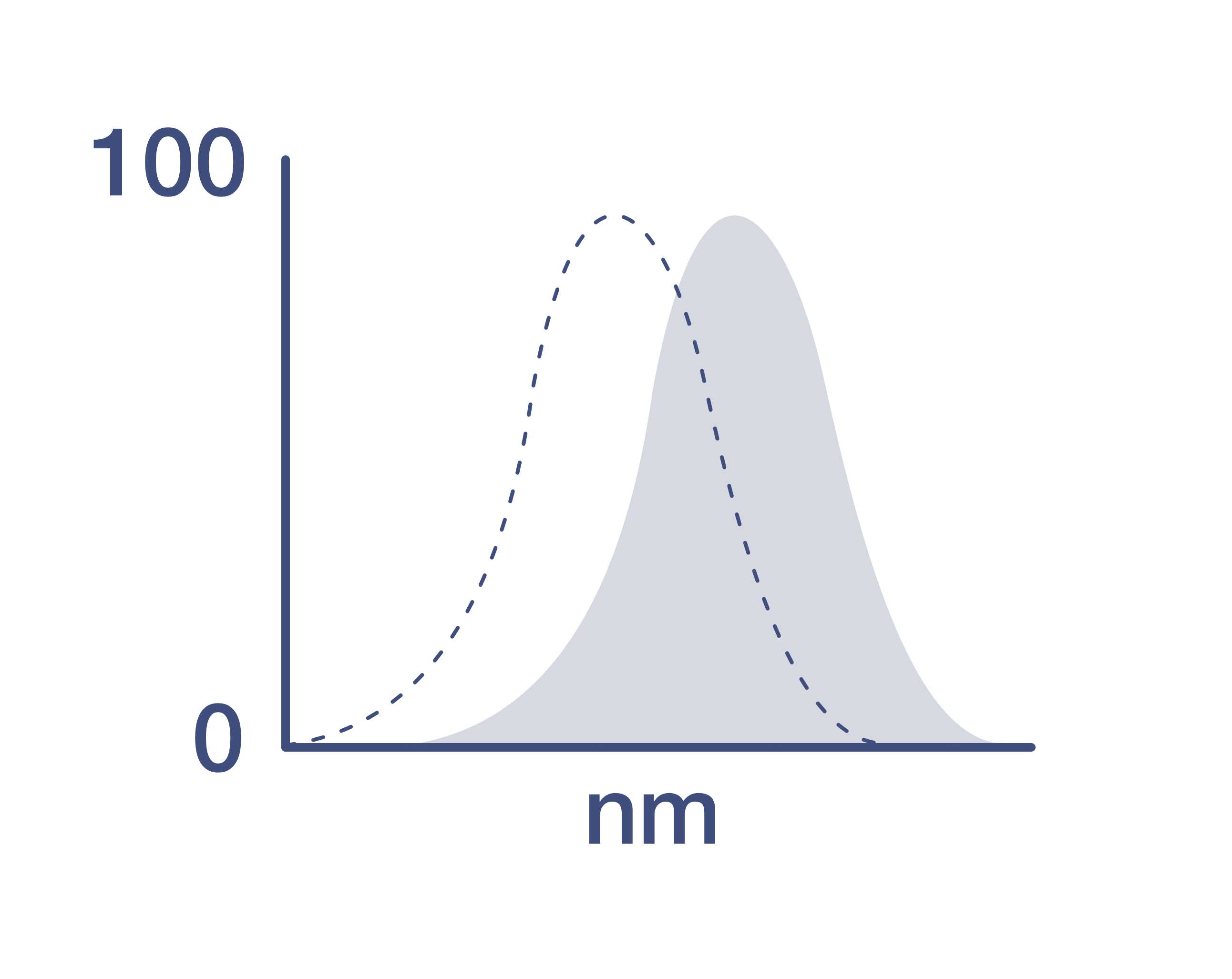
激发/发射光谱
492/519 nm
查看光谱
形式
Liquid
规格
40 µg
纯化类型
Antigen affinity chromatography
保存液
PBS, pH 7.4
内含物
no preservative
保存条件
4°C
运输条件
Ambient (domestic); Wet ice (international)
产品详细信息
Store at 4°C for 12-18 months. A preservative may be added for long time storage, up to 2 years. Shortly spin the tube before use.
Specific Species Reactivity: Arabidopsis thaliana, Colobanthus quitensis Kunt Bartl, Hordeum vulgare, Lycopersicum esculentum, Lycopersicum penelli, Solanum tuberosum, Triticum aestivum, Pinus strobus, Zea mays
靶标信息
Sucrose phosphate synthase is a key cytosolic enzyme in plant carbohydrate metabolism that catalyzes the formation of sucrose 6 phosphate from UDP glucose and fructose 6 phosphate, a committed step toward sucrose synthesis. SPS regulates the flux of carbon from photosynthetically derived triose phosphates into sucrose, thereby controlling source sink partitioning, phloem loading, and overall plant growth and stress resilience. Its activity is tightly modulated by allosteric effectors and reversible phosphorylation in response to light, sugar status, and environmental cues; dephosphorylation typically enhances activity during the day, while phosphorylation reduces activity under stress or darkness. Plants possess multiple SPS isoforms with tissue specific and developmental expression patterns, enabling fine tuned sucrose production in leaves, seeds, and storage organs. Changes in SPS abundance or regulation impact sucrose accumulation, starch sucrose balance, osmotic adjustment, and yield traits, making SPS a central target for improving photosynthetic efficiency and crop productivity under variable conditions.
仅用于科研。不用于诊断过程。未经明确授权不得转售。
篇参考文献 (0)
您是否在文献中引用过该产品?请点击下方按钮邮件告知我们。
生物信息学
蛋白别名: MsSPSA; MsSPSB; SoSPS1; SPS; SPSA; SPSA1; SPSA2; SPSB; SPSB3; SPSC
Disclaimer

Clicking the images or links will redirect you to a website hosted by BenchSci that provides third-party scientific content. Neither the content nor the BenchSci technology and processes for selection have been evaluated by us; we are providing them as-is and without warranty of any kind, including for use or application of the Thermo Fisher Scientific products presented.

