Search
Invitrogen
TAP Tag Polyclonal Antibody
{{$productOrderCtrl.translations['antibody.pdp.commerceCard.promotion.promotions']}}
{{$productOrderCtrl.translations['antibody.pdp.commerceCard.promotion.promocode']}}: {{promo.promoCode}} {{promo.promoTitle}} {{promo.promoDescription}}. {{$productOrderCtrl.translations['antibody.pdp.commerceCard.promotion.learnmore']}}
{{$ctrl.translations['antibody.pdp.skuNotes.additionalInformation']}}:
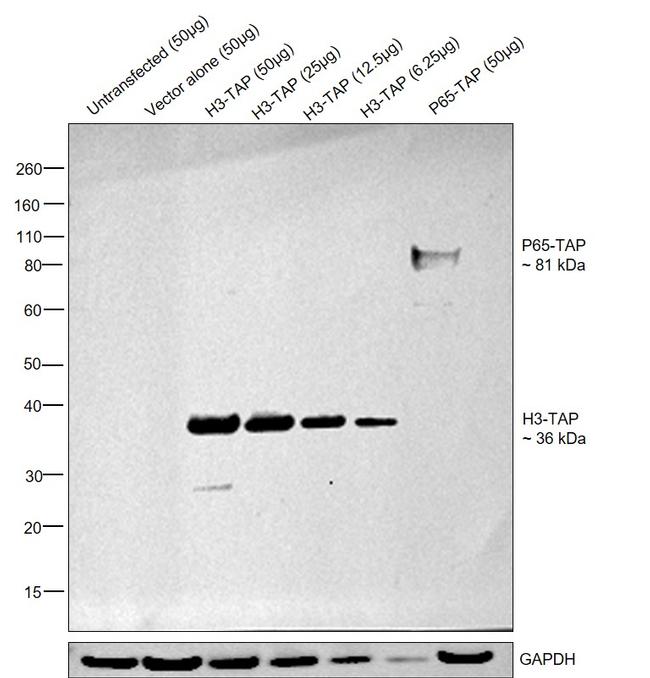
图: 1 / 90
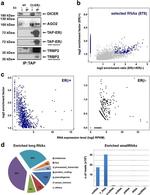
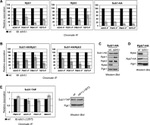
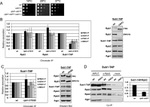
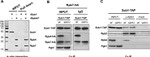
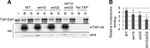
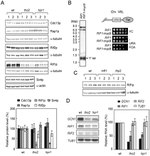
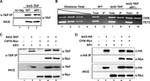
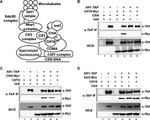
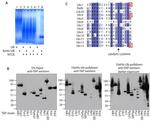
TAP Tag Antibody (CAB1001) in WB
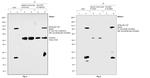
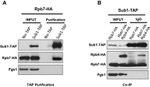
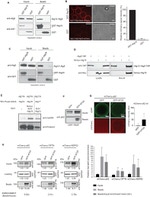
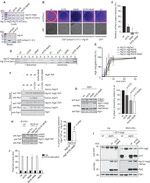
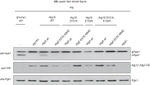
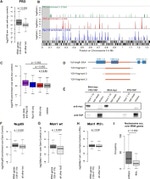
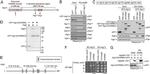
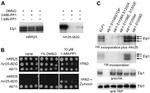
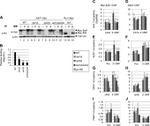
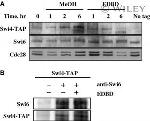
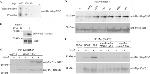
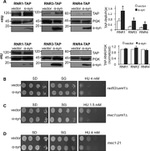
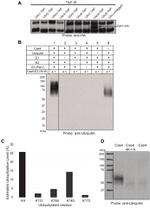
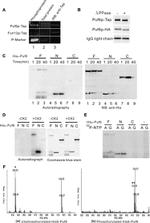
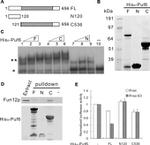
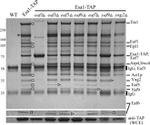
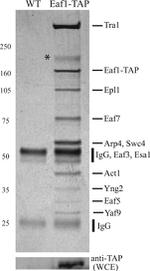
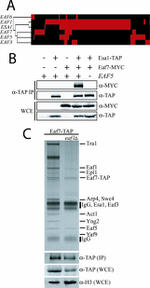
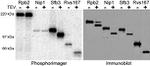
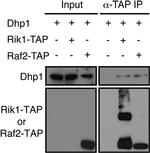
Western blot was performed using Anti-TAP Tag Polyclonal Antibody (Product # CAB1001) by loading whole cell extracts of untransfected and transiently transfected HEK-293E lysates: untransfected, 50 µg (Lane 1), empty vector control, 50 µg (Lane 2), H3-TAP, 50 µg (Lane 3), H3-TAP, 25 µg (Lane 4), H3-TAP, 12.5 µg (Lane 5), H3-TAP, 6.25 µg (Lane 6), p65-TAP, 50 µg (Lane 7) were electrophoresed using NuPAGE™ 4-12% Bis-Tris Protein Gel (Product # NP0322BOX). Resolved proteins were then transferred onto a nitrocellulose membrane (Product # LC200... View More
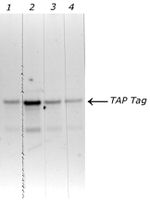
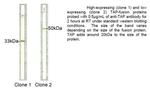
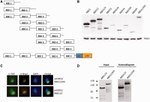
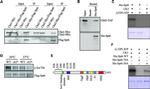
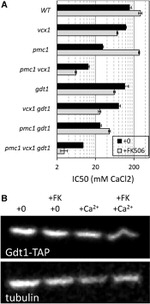




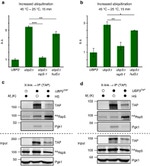
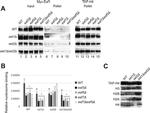


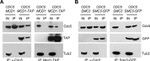

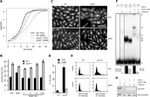
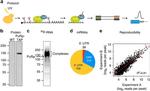
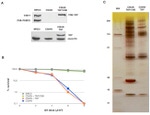
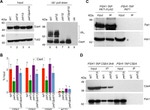
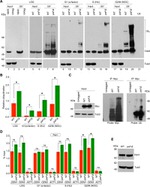




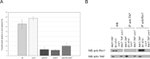
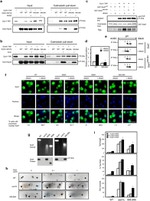
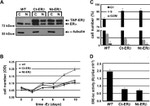


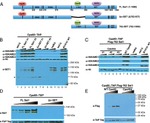
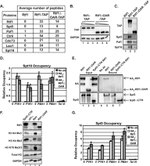
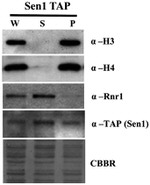
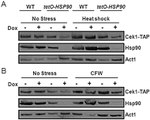

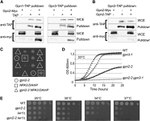
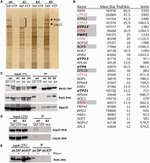


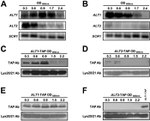

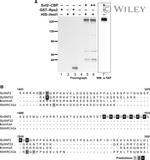
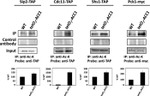
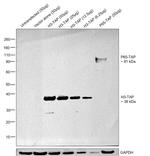
Please note: We are reviewing Western blot images included in the antibody testing data in our catalog, including those provided by third parties. Unless expressly labeled or annotated as “raw-unedited”, Western blot images included in the antibody testing data in our catalog may have been edited, optimized or otherwise adjusted for presentation.


产品信息
CAB1001
应用
建议稀释比
已发表文章
产品规格
种属反应
Tag
已发表种属
Tag
宿主/亚型
Rabbit
/ IgG
分类
Polyclonal
类型
Antibody
抗原
KLH conjugated peptide representing the C-terminus of the TAP construct after TEV cleavage.
偶联物
Unconjugated
Unconjugated
Unconjugated
形式
Liquid
浓度
0.5 mg/mL
规格
50 µg
纯化类型
Antigen affinity chromatography
保存液
BBS, pH 8.4
内含物
no preservative
保存条件
4°C, store in dark, DO NOT FREEZE!
运输条件
Ambient (domestic); Wet ice (international)
RRID
产品详细信息
CAB1001 detects TAP.
CAB1001 has been successfully used in Western Blot, IP, and ChIP applications
The CAB1001 immunogen is a KLH conjugated peptide representing the C-terminus of the TAP construct after TEV cleavage.
TAP adds about 20 kDa to the size of the protein.
靶标信息
Epitope tags provide a method to localize gene products in a variety of cell types, study the topology of proteins and protein complexes, identify associated proteins, and characterize newly identified, low abundance or poorly immunogenic proteins when protein specific antibodies are not available. Tandem affinity purification (TAP) is an affinity purification method for isolation of TAP-tagged proteins together with associated proteins. The protocol involves the fusion of the "TAP tag" (typically a calmodulin binding peptide (CBP), a tobacco etch virus protease (TEV protease) cleavage site and Protein A) to the protein of interest. The TAP technique is useful in analyzing in vivo interactions.
仅用于科研。不用于诊断过程。未经明确授权不得转售。
生物信息学
蛋白别名: Tobacco Etch Virus
Disclaimer

Clicking the images or links will redirect you to a website hosted by BenchSci that provides third-party scientific content. Neither the content nor the BenchSci technology and processes for selection have been evaluated by us; we are providing them as-is and without warranty of any kind, including for use or application of the Thermo Fisher Scientific products presented.

