Search
Invitrogen
Tau Monoclonal Antibody (T46)
{{$productOrderCtrl.translations['antibody.pdp.commerceCard.promotion.promotions']}}
{{$productOrderCtrl.translations['antibody.pdp.commerceCard.promotion.promocode']}}: {{promo.promoCode}} {{promo.promoTitle}} {{promo.promoDescription}}. {{$productOrderCtrl.translations['antibody.pdp.commerceCard.promotion.learnmore']}}
{{$ctrl.translations['antibody.pdp.skuNotes.additionalInformation']}}:

图: 1 / 42
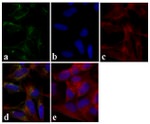
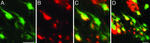
Tau Antibody (13-6400) in ICC/IF
Immunofluorescent analysis of Tau was done on 70% confluent log phase SHSY5Y cells. The cells were fixed with 4% paraformaldehyde for 15 minutes, permeabilized with 0.25% Triton™ X-100 for 10 minutes, and blocked with 5% BSA for 1 hour at room temperature. The cells were labeled with Tau Mouse Monoclonal Antibody (Product # 13-6400) at 1:250 dilution in 1% BSA and incubated for 3 hours at room temperature and then labeled with Alexa Fluor 488 Rabbit Anti-Mouse IgG Secondary Antibody (Product # A-11059) at a dilution of 1:400 for 30 minutes... View More


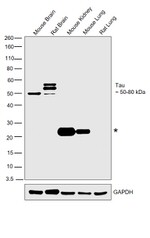
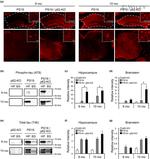
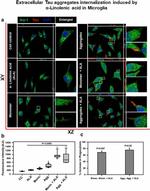
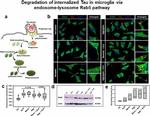

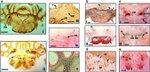
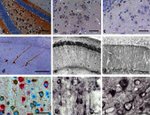
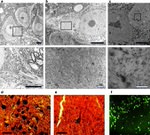

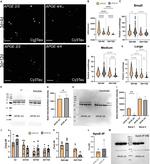
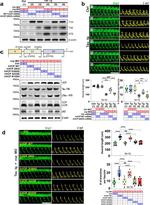
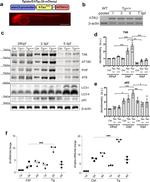
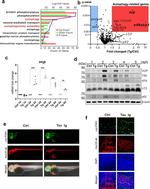
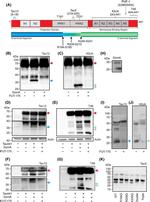
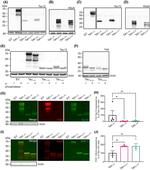
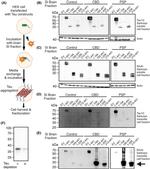
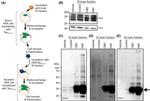
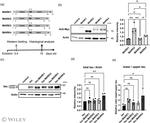
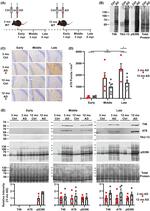
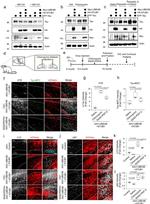

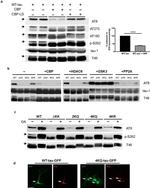
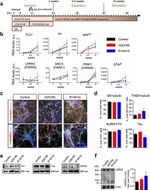
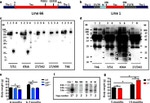
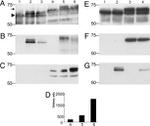
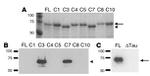

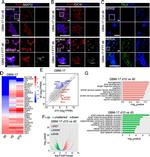
Please note: We are reviewing Western blot images included in the antibody testing data in our catalog, including those provided by third parties. Unless expressly labeled or annotated as “raw-unedited”, Western blot images included in the antibody testing data in our catalog may have been edited, optimized or otherwise adjusted for presentation.




产品信息
13-6400
应用
建议稀释比
已发表文章
产品规格
种属反应
Bovine,
Chicken,
Human,
Mouse,
Rabbit,
Rat,
Xenopus
已发表种属
Fruit fly,
Human,
Mouse,
Non-human primate,
Rat,
Zebrafish
宿主/亚型
Mouse
/ IgG1
分类
Monoclonal
类型
Antibody
克隆号
T46
抗原
Bovine Tau.
偶联物
Unconjugated
Unconjugated
Unconjugated
形式
Liquid
浓度
0.5 mg/mL
规格
100 µg
纯化类型
purified
保存液
PBS
内含物
0.1% sodium azide
保存条件
-20°C
运输条件
Ambient (domestic); Wet ice (international)
RRID
产品详细信息
This antibody recognizes an epitope near the C-terminal region (404-441 aa) of human tau. It reacts with all 7 isoforms of human tau (binding-competent and binding-incompetent), A68 (an abnormal phosphorylated derivative of tau), bovine tau, and human NeuroFibrillary Tangles (NFTs).
Reactivity is independent of the state of tau phosphorylation. Some cross-reactivity with MAP2 is also observed.
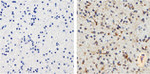
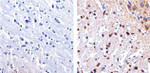
This antibody is suitable for immunohistochemical staining of Bouin's-fixed or alcohol-fixed, paraffin-embedded or frozen tissue sections.
靶标信息
Tau is a neuronal microtubule-associated protein found predominantly on axons. The function of Tau is to promote tubulin polymerization and stabilize microtubules. The C-terminus binds axonal microtubules while the N- terminus binds neural plasma membrane components, suggesting that tau functions as a linker protein between both. Axonal polarity is predetermined by TAU/MAPT localization (in the neuronal cell) in the domain of the cell body defined by the centrosome. The short isoforms allow plasticity of the cytoskeleton while the longer isoforms may preferentially play a role in its stabilization. In its hyper-phosphorylated form, Tau is the major component of paired helical filaments (PHF), the building block of neurofibrillary lesions in Alzheimer's diseases (AD) brain. Hyper-phosphorylation impairs the microtubule binding function of Tau, resulting in the destabilization of microtubules in AD brains, ultimately leading to the degeneration of the affected neurons. Numerous serine/threonine kinases phosphorylate Tau, including GSK-3beta, protein kinase A (PKA), cyclin-dependent kinase 5 (cdk5) and casein kinase II. Hyper-phosphorylated Tau is found in neurofibrillary lesions in a range and other central nervous system disorders such as Pick's disease, frontotemporal dementia, cortico-basal degeneration and progressive supranuclear palsy.
仅用于科研。不用于诊断过程。未经明确授权不得转售。
生物信息学
蛋白别名: FLJ31424; FTDP17; G protein beta1/gamma2 subunit-interacting factor 1; map tau; MAPT; MAPT_BigTau; MGC138549; microtubule-associated protein tau; microtubule-associated protein tau 0N4R; microtubule-associated protein tau 1N4R; microtubule-associated protein tau 2N4R; microtubule-associated protein tau BigTau; microtubules; neurofibrillary tangle protein; neurofibrillary tangles; Neuronal Marker; paired helical filament-tau; PHF-tau; PHFtau; protein phosphatase 1, regulatory subunit 103; tau microtubule binding protein; Tau microtubule-associated protein; Tau-4; Tau-derived paired helical filament hexapeptide; Tau5; unnamed protein product
基因别名: DDPAC; FTD1; FTDP-17; MAPT_0N4R; MAPT_1N4R; MAPT_2N4R; MAPTL; MSTD; Mtapt; MTBT1; MTBT2; PHF-tau; PPND; PPP1R103; pTau; RNPTAU; TAU; tau-40; Tau-PHF6
UniProt ID: (Bovine) P29172, (Human) P10636, (Mouse) P10637
Entrez Gene ID: (Bovine) 281296, (Chicken) 426737, (Rabbit) 100344003, (Human) 4137, (Mouse) 17762, (Rat) 29477
protein binding
DNA binding
AT DNA binding
double-stranded DNA binding
single-stranded DNA binding
RNA binding
actin binding
enzyme inhibitor activity
microtubule binding
tubulin binding
SH3 domain binding
enzyme binding
protein kinase binding
protein binding, bridging
apolipoprotein binding
dynactin binding
phosphatidylinositol binding
identical protein binding
sequence-specific DNA binding
chaperone binding
protein phosphatase 2A binding
Hsp90 protein binding
lipoprotein particle binding
histone-dependent DNA binding
microtubule lateral binding
microtubule stabilizing activity
phosphatidylinositol bisphosphate binding
heat shock protein binding
macromolecular complex binding
positive regulation of diacylglycerol kinase activity
microtubule cytoskeleton organization
microglial cell activation
cellular response to DNA damage stimulus
cell-cell signaling
synapse assembly
learning or memory
memory
response to lead ion
regulation of autophagy
negative regulation of gene expression
negative regulation of mitochondrial membrane potential
rRNA metabolic process
axonal transport of mitochondrion
central nervous system neuron development
regulation of microtubule polymerization or depolymerization
regulation of microtubule polymerization
positive regulation of microtubule polymerization
cytoplasmic microtubule organization
neuron projection development
positive regulation of superoxide anion generation
regulation of chromosome organization
stress granule assembly
cellular response to heat
cellular response to reactive oxygen species
positive regulation of axon extension
microtubule polymerization
astrocyte activation
regulation of synaptic plasticity
intracellular distribution of mitochondria
generation of neurons
synapse organization
regulation of calcium-mediated signaling
protein polymerization
protein homooligomerization
regulation of microtubule-based movement
axon development
regulation of microtubule cytoskeleton organization
plus-end-directed organelle transport along microtubule
regulation of mitochondrial fission
negative regulation of mitochondrial fission
fibril organization
axonal transport
regulation of cellular response to heat
regulation of long term synaptic depression
positive regulation of protein localization to synapse
neurofibrillary tangle assembly
negative regulation of establishment of protein localization to mitochondrion
positive regulation of cellular protein localization
amyloid fibril formation
cellular response to nerve growth factor stimulus
cellular response to brain-derived neurotrophic factor stimulus
neuron migration
axonogenesis
response to nutrient
adult walking behavior
axo-dendritic transport
intrinsic apoptotic signaling pathway in response to oxidative stress
positive regulation of mitochondrial membrane potential
positive regulation of neuron projection development
negative regulation of intracellular transport
mitochondrion transport along microtubule
axon extension
mRNA transport
response to hyperoxia
positive regulation of long term synaptic depression
negative regulation of tubulin deacetylation
positive regulation of mesenchymal stem cell migration
microtubule-based process
female pregnancy
response to gamma radiation
neuron differentiation
response to ethanol
response to arsenic-containing substance
cellular response to calcium ion
Disclaimer

Clicking the images or links will redirect you to a website hosted by BenchSci that provides third-party scientific content. Neither the content nor the BenchSci technology and processes for selection have been evaluated by us; we are providing them as-is and without warranty of any kind, including for use or application of the Thermo Fisher Scientific products presented.

