Search
Invitrogen
Ubiquitin Monoclonal Antibody (Ubi-1)
{{$productOrderCtrl.translations['antibody.pdp.commerceCard.promotion.promotions']}}
{{$productOrderCtrl.translations['antibody.pdp.commerceCard.promotion.promocode']}}: {{promo.promoCode}} {{promo.promoTitle}} {{promo.promoDescription}}. {{$productOrderCtrl.translations['antibody.pdp.commerceCard.promotion.learnmore']}}
{{$ctrl.translations['antibody.pdp.skuNotes.additionalInformation']}}:
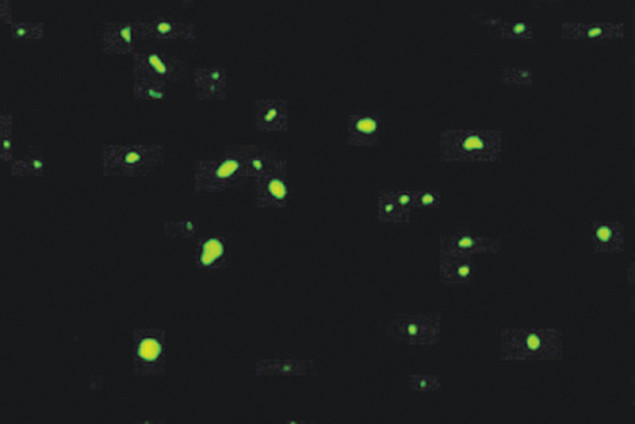
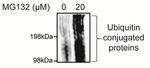
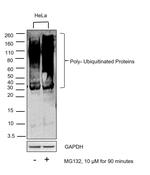
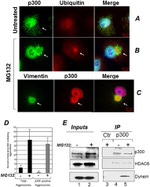
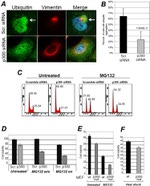
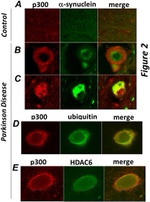
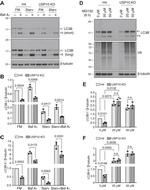
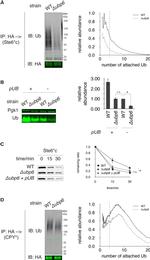
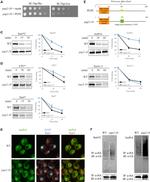
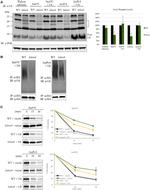
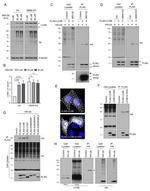
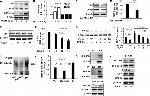
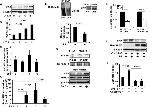
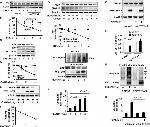
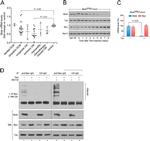
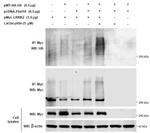
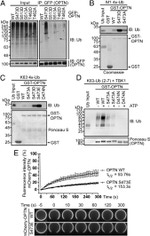
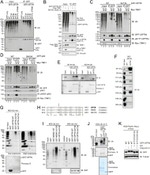
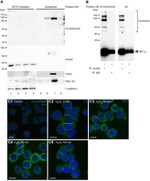
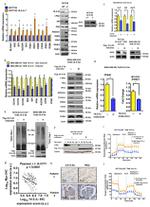
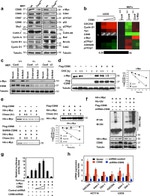
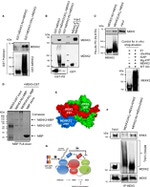
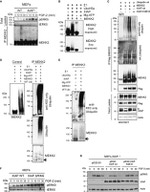
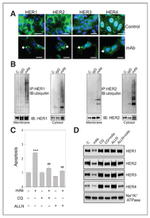
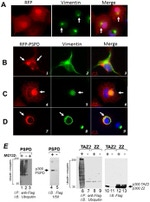
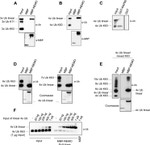
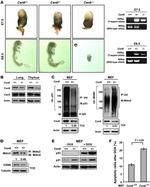
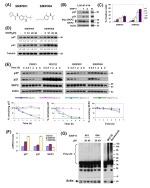
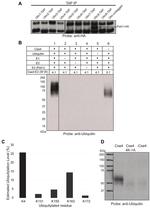
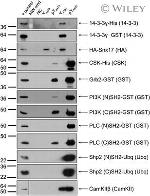
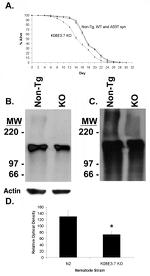
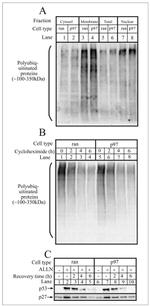
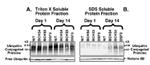
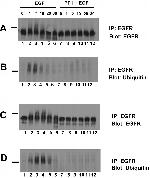
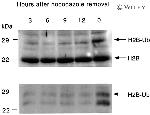
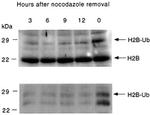
Please note: We are reviewing Western blot images included in the antibody testing data in our catalog, including those provided by third parties. Unless expressly labeled or annotated as “raw-unedited”, Western blot images included in the antibody testing data in our catalog may have been edited, optimized or otherwise adjusted for presentation.


产品信息
13-1600
应用
建议稀释比
已发表文章
产品规格
种属反应
All,
Bovine,
Chicken,
Human,
Mouse,
Xenopus
已发表种属
Avian,
C. elegans,
Fruit fly,
Hamster,
Human,
Mouse,
Non-human primate,
Rabbit,
Rat,
Rhesus monkey,
Tag,
Xenopus,
Yeast
宿主/亚型
Mouse
/ IgG1, kappa
分类
Monoclonal
类型
Antibody
克隆号
Ubi-1
抗原
Purified bovine ubiquitin conjugated to carrier protein
偶联物
Unconjugated
Unconjugated
Unconjugated
形式
Liquid
浓度
0.5 mg/mL
规格
100 µg
纯化类型
purified
保存液
PBS, pH 7.4
内含物
0.1% sodium azide
保存条件
-20°C
运输条件
Ambient (domestic); Wet ice (international)
RRID
产品详细信息
13-1600 recognizes ubiquitin, both conjugated and unconjugated. It reacts with a single chain 8.5 kDa protein. The ubiquitin molecule appears to be present in all eukaryotic cells and has an identical primary structure in all animals. Ubiquitin is present in the nucleus, cytoplasm, and on cell surface membranes.
This antibody is suitable for immunohistochemical staining of alcohol- or paraformaldehyde-fixed, paraffin-embedded or frozen tissue sections. Heat-induced epitope retrieval with citrate buffer, pH 6.0, is required for specific staining of formalin-fixed, paraffin-embedded tissue sections. To stain, incubate 30-60 minutes at room temperature or overnight at 4°C. This antibody may also be used in ELISA and has been successfully used in western blot analysis of ubiquitinated proteins in mouse thymocytes.
To perform western blotting, prepare lysis buffer in 10 mM N-Ethylmaleimide to inhibit ubiquitin-conjugating enzymes. N-Ethylmaleimide inactivates certain enzymes by blocking free sulfhydryls. After electrophoresis and transfer, pre-incubate transferred membranes in denaturing buffer (6 M guanidine-HCl, 20 mM Tris-HCl, pH 7.5, 5 mM betamercaptoethanol, 1 mM PMSF) for 30-60 minutes at 4°C, followed by extensive PBS washing.
靶标信息
Ubiquitin, a highly conserved protein that has a major role in targeting cellular proteins for degradation by the 26S proteosome, is synthesized as a precursor protein consisting of either polyubiquitin chains or a single ubiquitin fused to an unrelated protein. This gene encodes a fusion protein consisting of ubiquitin at the N terminus and ribosomal protein S27a at the C terminus. When expressed in yeast, the protein is post-translationally processed, generating free ubiquitin monomer and ribosomal protein S27a. Ribosomal protein S27a is a component of the 40S subunit of the ribosome and belongs to the S27AE family of ribosomal proteins. It contains C4-type zinc finger domains and is located in the cytoplasm. Pseudogenes derived from this gene are present in the genome. As with ribosomal protein S27a, ribosomal protein L40 is also synthesized as a fusion protein with ubiquitin; similarly, ribosomal protein S30 is synthesized as a fusion protein with the ubiquitin-like protein fubi. Multiple alternatively spliced transcript variants that encode the same proteins have been identified.
仅用于科研。不用于诊断过程。未经明确授权不得转售。
生物信息学
蛋白别名: 40S ribosomal protein S27-like; 40S ribosomal protein S27-like protein; 40S ribosomal protein S27a; 60S ribosomal protein L40; CEP52; Chap1; epididymis luminal protein 112; epididymis secretory protein Li 50; hPLIC-2; HRIHFB2157; HUBCEP52; OTTHUMP00000200786; OTTHUMP00000201692; PLIC-2; polyubiquitin; polyubiquitin B; polyubiquitin C; pro-ubiquitin; ribosomal protein S27-like protein; ribosomal protein S27a L homeolog; RPL40; RPS27A; small ribosomal subunit protein eS27-like; UBA52; UBB; UBC; Ubiquilin 2; ubiquitin; ubiquitin and ribosomal protein L40; ubiquitin and ribosomal protein S27a; ubiquitin B; ubiquitin C; ubiquitin carboxyl extension protein 52; ubiquitin carboxyl extension protein 80; ubiquitin polyprotein (heat shock related); ubiquitin precursor; ubiquitin-40S ribosomal protein S27a; ubiquitin-52 amino acid fusion protein; ubiquitin-60S ribosomal protein L40; ubiquitin-CEP52; ubiquitin-CEP80; ubiquitin-ribosomal protein fusion protein; ubiquitin/60S ribosomal fusion protein; ubiquitin/ribosomal protein; unnamed protein product
基因别名: 0610006J14Rik; 1810034D23Rik; 2700054O04Rik; CEP52; CEP80; D8Ertd21e; eS31; Gm1863; HEL-S-50; HEL112; HMG20; HUBCEP52; L40; polyubiquitin-C; RPL40; RPS27A; rps27a.L; S27A; TI-225; Uba52; UBA80; UBB; Ubb2; UBC; UBCEP1; UBCEP80; XELAEV_18028796mg
UniProt ID: (Chicken) P0CG62, (Bovine) P62992, (Chicken) P79781, (Human) P62979, (Bovine) Q3T0B7, (Human) Q71UM5, (Mouse) P62983, (Mouse) Q6ZWY3, (Human) P62987, (Bovine) P63048, (Bovine) P0CG53, (Human) P0CG47, (Human) P0CG48, (Bovine) P0CH28, (Mouse) P62984, (Mouse) P0CG49, (Mouse) P0CG50
Entrez Gene ID: (Chicken) 101747587, (Bovine) 286839, (Chicken) 395796, (Human) 6233, (Bovine) 614220, (Chicken) 415372, (Human) 51065, (Mouse) 78294, (Mouse) 67941, (Human) 7311, (Chicken) 395958, (Bovine) 615199, (Bovine) 281370, (Chicken) 396190, (Human) 7314, (Human) 7316, (Bovine) 444874, (Mouse) 22186, (Mouse) 22187, (Mouse) 22190, (Xenopus) 444494
structural constituent of ribosome
metal ion binding
protein tag
ubiquitin protein ligase binding
RNA binding
protein binding
translation activator activity
cysteine-type endopeptidase activator activity involved in apoptotic process
pyridoxal phosphate binding
protease binding
ribosomal protein
translational protein
translation
DNA repair
protein ubiquitination
modification-dependent protein catabolic process
cytoplasmic translation
ribosomal small subunit biogenesis
activation of cysteine-type endopeptidase activity involved in apoptotic process
DNA damage response, signal transduction by p53 class mediator resulting in transcription of p21 class mediator
mitotic G1 DNA damage checkpoint
intrinsic apoptotic signaling pathway in response to DNA damage by p53 class mediator
positive regulation of translation
rRNA processing
DNA damage response, signal transduction by p53 class mediator
translation at presynapse
translation at postsynapse
striated muscle contraction
spermatogenesis
response to insecticide
protein modification process
negative regulation of myoblast fusion
male meiosis I
female meiosis I
female gonad development
hypothalamus gonadotrophin-releasing hormone neuron development
mitochondrion transport along microtubule
neuron projection morphogenesis
regulation of mitochondrial membrane potential
fat pad development
regulation of proteasomal protein catabolic process
seminiferous tubule development
energy homeostasis
regulation of neuron death
positive regulation of intrinsic apoptotic signaling pathway by p53 class mediator
positive regulation of protein monoubiquitination
positive regulation of protein ubiquitination
regulation of neuron apoptotic process
protein homotetramerization
male gonad development
adipose tissue development
Disclaimer

Clicking the images or links will redirect you to a website hosted by BenchSci that provides third-party scientific content. Neither the content nor the BenchSci technology and processes for selection have been evaluated by us; we are providing them as-is and without warranty of any kind, including for use or application of the Thermo Fisher Scientific products presented.

