Search
Disclaimer

Clicking the images or links will redirect you to a website hosted by BenchSci that provides third-party scientific content. Neither the content nor the BenchSci technology and processes for selection have been evaluated by us; we are providing them as-is and without warranty of any kind, including for use or application of the Thermo Fisher Scientific products presented.
Invitrogen
CD29 (Integrin beta 1) Monoclonal Antibody (eBioHMb1-1 (HMb1-1)), NovaFluor™ Red 685, eBioscience™
{{$productOrderCtrl.translations['antibody.pdp.commerceCard.promotion.promotions']}}
{{$productOrderCtrl.translations['antibody.pdp.commerceCard.promotion.viewpromo']}}
{{$productOrderCtrl.translations['antibody.pdp.commerceCard.promotion.promocode']}}: {{promo.promoCode}} {{promo.promoTitle}} {{promo.promoDescription}}. {{$productOrderCtrl.translations['antibody.pdp.commerceCard.promotion.learnmore']}}
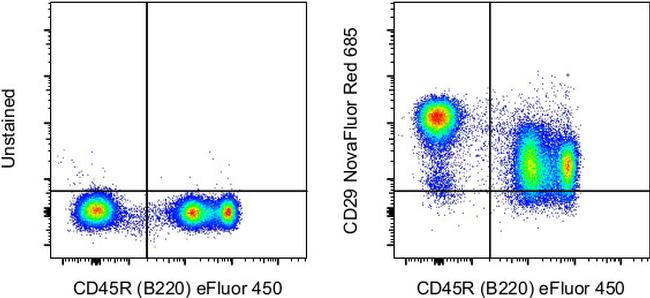
图: 1 / 2
CD29 (Integrin beta 1) Antibody (M048T03R02) in Flow
C57BL/6 mouse bone marrow were unstained (left) or stained with 0.2 µg of CD29 (Integrin beta 1) Monoclonal Antibody, NovaFluor Red 685 (Product # M048T03R02) (right). All cells were co-stained with CD45R (B220) Monoclonal Antibody, eFluor 450 (Product # 48-0452-82). Total viable cells in the lymphocyte gate were used for analysis, as determined by LIVE/DEAD Blue (Product # L34962). Data was acquired on a 5... View More



产品信息
M048T03R02
产品规格
宿主/亚型
Armenian hamster
/ IgG
分类
Monoclonal
类型
Antibody
克隆号
eBioHMb1-1 (HMb1-1)
偶联物
激发/发射光谱
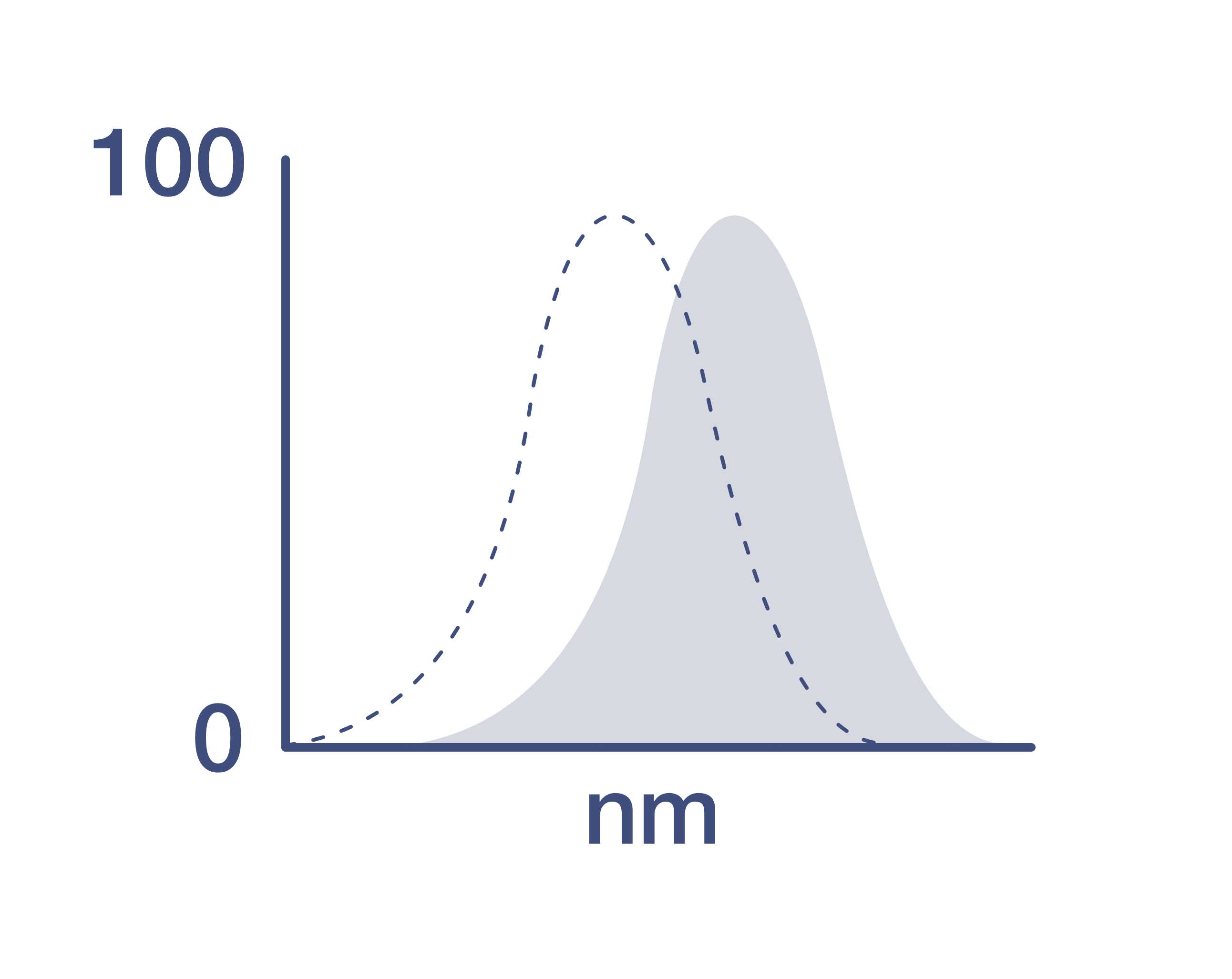
637/685 nm
查看光谱
形式
Liquid
浓度
0.1 mg/mL
保存条件
4°C, store in dark, DO NOT FREEZE!
运输条件
Ambient (domestic); Wet ice (international)
产品详细信息
Description: The eBioHMb1-1 monoclonal antibody reacts with mouse and rat CD29 (integrin beta 1), a 110-120 kDa member of the beta integrin family expressed by leukocytes, endothelial, smooth muscle and epithelial cells. CD29 binds non-covalently with the alpha integrins CD49a-f to form the VLA-1 through VLA-6 complexes, as well as with CD51. These alpha-beta integrin heterodimers are capable of mediating a variety of cellular responses including adhesion, trafficking, proliferaton and differentiation. All integrins which include CD29 bind to extracellular matrix proteins including collagen, laminin, fibronectin and vitronectin, whereas some CD29-containing integrins can also interact with cellular receptors such as VCAM-1 and MadCAM-1.
Applications Reported: This eBioHMb1-1 (HMb1-1) antibody has been reported for use in flow cytometric analysis.
Applications Tested: This eBioHMb1-1 (HMb1-1) antibody has been tested by flow cytometric analysis of mouse bone marrow cells. This can be used at less than or equal to 0.2 µg per test. A test is defined as the amount (µg) of antibody that will stain a cell sample in a final volume of 100 µL. Cell number should be determined empirically but can range from 10^5 to 10^8 cells/test. It is recommended that the antibody be carefully titrated for optimal performance in the assay of interest.
NovaFluor dyes are not compatible with DNA intercalating viability dyes. Do not use viability dyes such as propidium iodide, 7-actinomycin D (7-AAD) and DAPI. Invitrogen LIVE/DEAD Fixable Dead Cell stains are recommended for use with NovaFluor dyes.
Each NovaFluor conjugate or kit is shipped with CellBlox Blocking Buffer. Use this buffer whenever staining with NovaFluor conjugates, including single-color compensation controls using cells. Whenever possible, we recommend adding CellBlox Blocking Buffer to antibody cocktails/master mixes prior to combining with cells. Add 5 µL per sample (regardless of the number of NovaFluors in your panel) to use the antibody cocktail as intended. For single-color controls, use 5 µL of CellBlox Blocking Buffer per 100µL of cell sample containing 10^3 to 10^8 cells.
NovaFluor conjugates are based on Phiton™ technology utilizing novel nucleic acid dye structures that allow for engineered fluorescent signatures with consideration for spillover and spread impacts. Learn more
Excitation: 637 nm; Emission: 685 nm; Laser: 633-640 nm (Red) Laser
靶标信息
CD29, also known as ITGB1 or Integrin Subunit Beta 1, is a 110 kDa cell surface glycoprotein widely expressed by various cells, including all leukocytes. It forms non-covalently linked heterodimers with at least six different alpha integrins (CD49a-f), creating VLA-1 through VLA-6 complexes, as well as with CD51. These alpha-beta integrin heterodimers mediate a range of cellular responses, including adhesion, trafficking, proliferation, and differentiation. CD29-containing integrins bind to extracellular matrix proteins such as collagen, laminin, fibronectin, and vitronectin. Some integrins also interact with cellular receptors like VCAM-1 and MadCAM-1. CD29 plays a crucial role in immune cell trafficking from blood to tissue, particularly during leukocyte emigration and extravascular migration. It is involved in regulating tissue damage and disease symptoms related to inflammatory bowel disease. In the presence of anti-tumor drugs, decreased expression of ITGB1 correlates with multidrug resistance in tumor cells. ITGB1-dependent mechanisms enhance cytokine secretion in human airway smooth muscle in response to IL-1beta, facilitated by fibronectin and type I collagen. More than eight beta subunits with numerous splice variant isoforms have been identified in mammals, including two major forms: beta1A and beta1D. Beta1A is present in all tissues except cardiac and skeletal muscle, which express the beta1D variant.
仅用于科研。不用于诊断过程。未经明确授权不得转售。
How to use the Panel Builder
Watch the video to learn how to use the Invitrogen Flow Cytometry Panel Builder to build your next flow cytometry panel in 5 easy steps.
篇参考文献 (0)
您是否在文献中引用过该产品?请点击下方按钮邮件告知我们。

