Search
Invitrogen
Chicken anti-Mouse IgG (H+L) Cross-Adsorbed Secondary Antibody, TRITC
{{$productOrderCtrl.translations['antibody.pdp.commerceCard.promotion.promotions']}}
{{$productOrderCtrl.translations['antibody.pdp.commerceCard.promotion.viewpromo']}}
{{$productOrderCtrl.translations['antibody.pdp.commerceCard.promotion.promocode']}}: {{promo.promoCode}} {{promo.promoTitle}} {{promo.promoDescription}}. {{$productOrderCtrl.translations['antibody.pdp.commerceCard.promotion.learnmore']}}
Additional Information:
{{banner.description}}
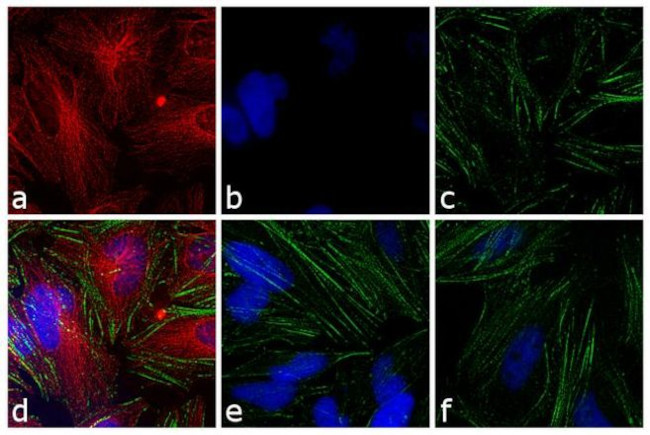
图: 1 / 1
Mouse IgG (H+L) Cross-Adsorbed Secondary Antibody (A15986) in ICC/IF
Immunofluorescence analysis of Chicken anti-Mouse IgG (H+L) Secondary Antibody, TRITC was performed using HeLa cells stained with alpha Tubulin (23610501) Mouse Monoclonal Primary Antibody (Product # A11126). The cells were fixed with 4% paraformaldehyde for 10 minutes, permeabilized with 0.1% Triton™ X-100 for 10 minutes, blocked with 1% BSA for 1 hour and labeled with Mouse primary antibody (1:250 dilutio... View More
Please note: We are reviewing Western blot images included in the antibody testing data in our catalog, including those provided by third parties. Unless expressly labeled or annotated as “raw-unedited”, Western blot images included in the antibody testing data in our catalog may have been edited, optimized or otherwise adjusted for presentation.

产品信息
A15986
应用
建议稀释比
免疫细胞化学 (ICC/IF)
0.5 µg/mL
产品规格
种属反应
Mouse
宿主/亚型
Chicken
/ IgY
分类
Polyclonal
类型
Secondary Antibody
抗原
Gamma Immunoglobins Heavy and Light chains
偶联物
TRITC
TRITC
TRITC
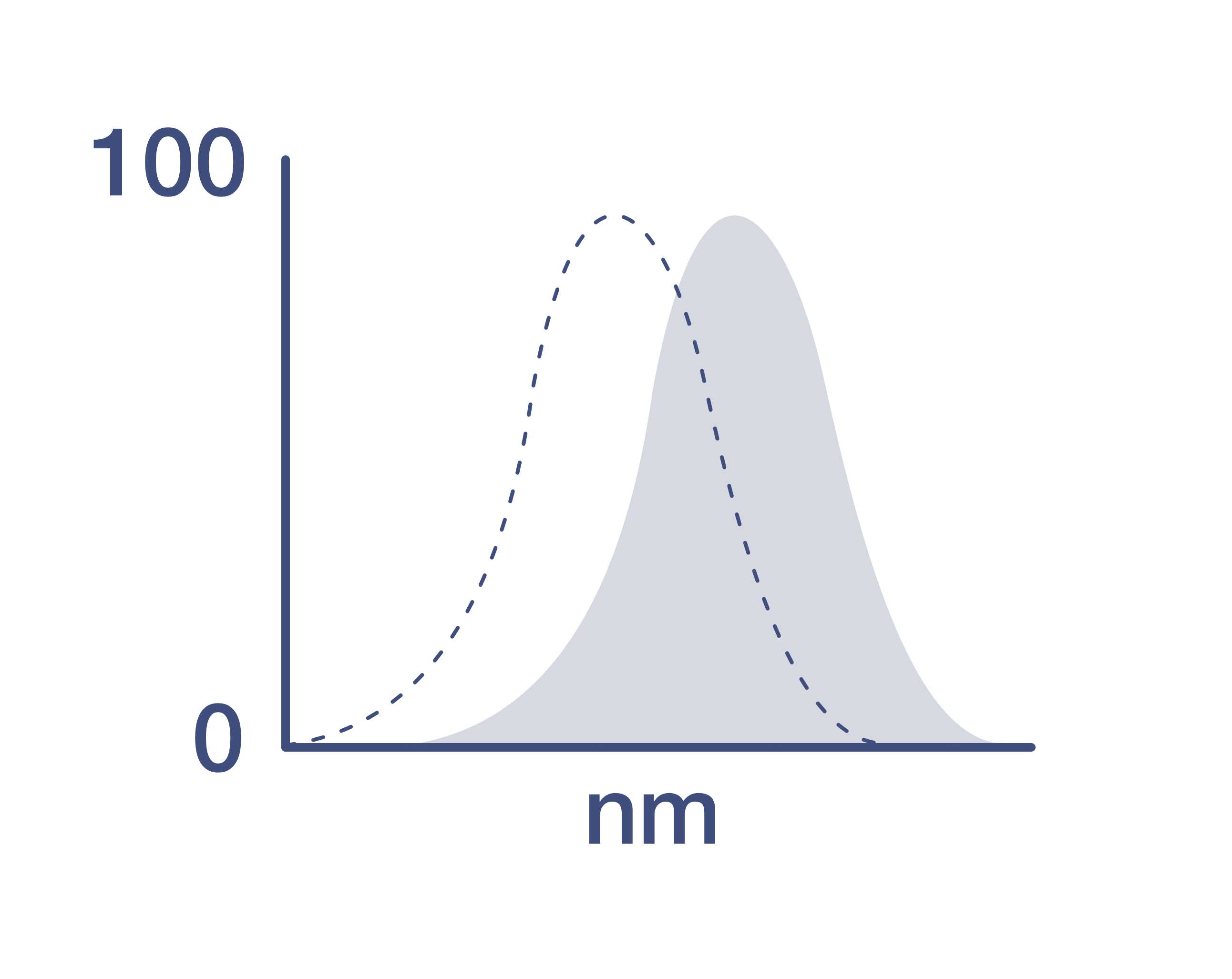
激发/发射光谱
552/578 nm
查看光谱
形式
Lyophilized
浓度
1 mg/mL
规格
500 µg
纯化类型
Affinity chromatography
保存液
PBS, pH 7.2, with 1% BSA
内含物
0.05% sodium azide
保存条件
Store at 4°C short term. For long term storage, store at -20°C, avoiding freeze/thaw cycles. Store in the dark.
运输条件
Ambient (domestic); Wet ice (international)
RRID
靶标
IgG
交叉吸附
Against bovine, horse and human serum proteins
抗体形式
Whole Antibody
产品详细信息
Rehydrate with 0.55 mL of deionized water and let stand 30 minutes at room temperature to dissolve. (Product has been overfilled to ensure complete recovery.) Centrifuge to remove any particulates. Prepare fresh working dilution daily. 1 year from date of receipt. Prepare working dilution prior to use and then discard. Based on Immunoelectrophoresis, no reactivity is observed to: non-immunoglobulin mouse serum immunoglobulins, IgG/serum from human or rabbit.
靶标信息
Mouse IgG is an immunoglobulin G antibody that is produced by B cells in response to an antigen. It is the most abundant immunoglobulin in the serum and plays a crucial role in the adaptive immune response. Mouse IgG is composed of two heavy chains and two light chains, and it is involved in opsonization, complement activation, and antibody-dependent cell-mediated cytotoxicity. Mouse IgG is widely used in research and diagnostic applications, including ELISA, Western blotting, and immunohistochemistry. It is also used in therapeutic applications, such as immunotherapy and vaccine development.
仅用于科研。不用于诊断过程。未经明确授权不得转售。
Disclaimer

Clicking the images or links will redirect you to a website hosted by BenchSci that provides third-party scientific content. Neither the content nor the BenchSci technology and processes for selection have been evaluated by us; we are providing them as-is and without warranty of any kind, including for use or application of the Thermo Fisher Scientific products presented.

