Search
Invitrogen
Connexin 26 Polyclonal Antibody
{{$productOrderCtrl.translations['antibody.pdp.commerceCard.promotion.promotions']}}
{{$productOrderCtrl.translations['antibody.pdp.commerceCard.promotion.viewpromo']}}
{{$productOrderCtrl.translations['antibody.pdp.commerceCard.promotion.promocode']}}: {{promo.promoCode}} {{promo.promoTitle}} {{promo.promoDescription}}. {{$productOrderCtrl.translations['antibody.pdp.commerceCard.promotion.learnmore']}}
Additional Information:
{{banner.description}}
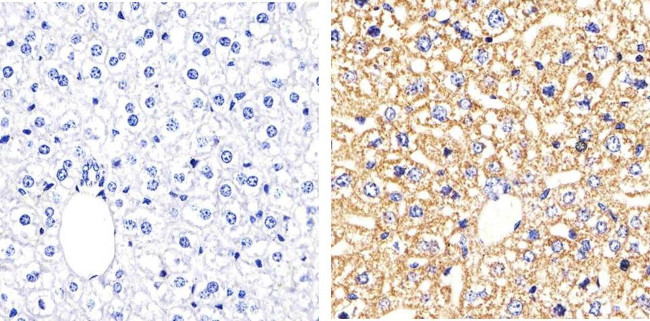
图: 1 / 47
Connexin 26 Antibody (71-0500) in IHC (P)
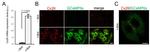
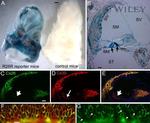
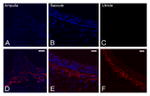
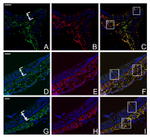
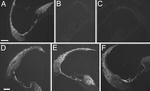
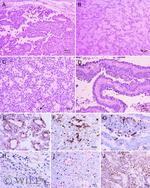
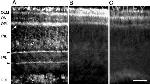
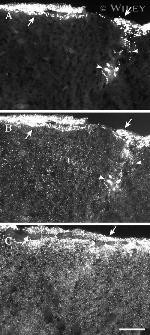
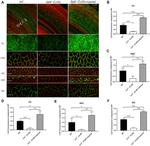
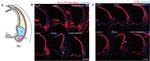
Immunohistochemistry analysis of Connexin 26 showing staining in the membrane of paraffin-embedded mouse liver tissue (right) compared to a negative control without primary antibody (left). To expose target proteins, antigen retrieval was performed using 10mM sodium citrate (pH 6.0), microwaved for 8-15 min. Following antigen retrieval, tissues were blocked in 3% H2O2-methanol for 15 min at room temperature... View More
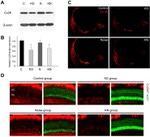
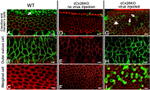
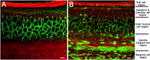
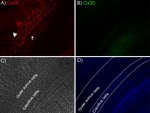
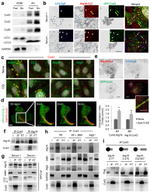
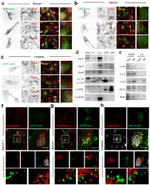
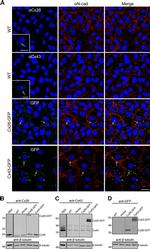
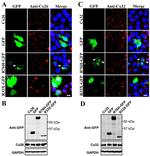
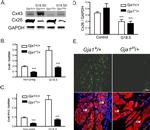
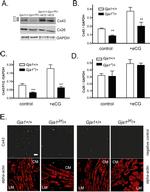
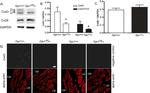
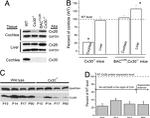
Please note: We are reviewing Western blot images included in the antibody testing data in our catalog, including those provided by third parties. Unless expressly labeled or annotated as “raw-unedited”, Western blot images included in the antibody testing data in our catalog may have been edited, optimized or otherwise adjusted for presentation.


产品信息
71-0500
应用
建议稀释比
已发表文章
产品规格
种属反应
Mouse,
Rat
已发表种属
Chicken,
Human,
Mouse,
Rat
宿主/亚型
Rabbit
/ IgG
分类
Polyclonal
类型
Antibody
抗原
Peptide corresponding to a portion of the cytoplasmic loop of rat connexin 26.
偶联物
Unconjugated
Unconjugated
Unconjugated
形式
Liquid
浓度
0.25 mg/mL
规格
50 µg
纯化类型
Antigen affinity chromatography
保存液
PBS, pH 7.4
内含物
0.1% sodium azide
保存条件
-20°C
运输条件
Ambient (domestic); Wet ice (international)
RRID
产品详细信息
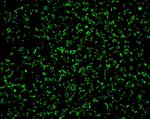
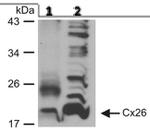
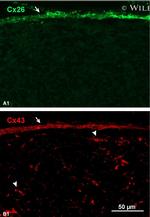
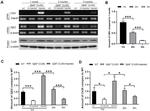
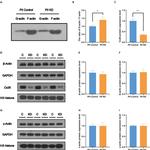
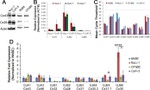
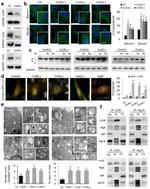
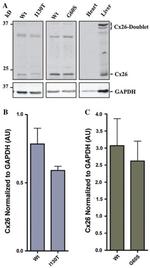
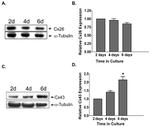
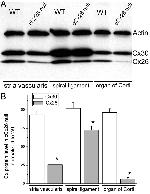
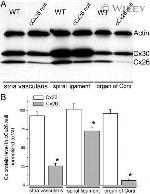
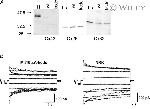
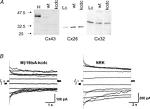
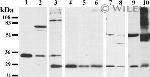
71-0500 was used in the immunofluorescence and western blot analysis to successfully detect Connexin26 in mouse liver sections and homogenate, respectively.
靶标信息
Gap junctions are conduits that allow the direct cell-to-cell passage of small cytoplasmic molecules, including ions, metabolic intermediates, and second messengers, and thereby mediate intercellular metabolic and electrical communication. Gap junction channels consist of connexin protein subunits, which are encoded by a multigene family. GJBs (gap-junction proteins or connexins) play crucial functional roles associated with these channels. Defects in GJB3 have been linked to erythrokeratodermia variables (EKV) is an autosomal dominant genodermatosis characterized by transient figurate red patches or hyperkeratosis. Mutations in GJB2 have also been associated with genetically derived hearing impairments, including autosomal recessive nonsyndromic deafness.
仅用于科研。不用于诊断过程。未经明确授权不得转售。
生物信息学
蛋白别名: connexin 26; connexin e; connexin-26; gap junction channel protein connexin 26; gap junction membrane channel protein beta 2; unnamed protein product
基因别名: Cnx26; Cx26; CXN-26; Cxne; Gjb-2
UniProt ID: (Rat) P21994, (Mouse) Q00977
Entrez Gene ID: (Rat) 394266, (Mouse) 14619
response to ischemia
cell communication
cell-cell signaling
female pregnancy
cell communication by electrical coupling
gap junction assembly
response to estradiol
response to lipopolysaccharide
response to retinoic acid
response to progesterone
cellular response to oxidative stress
response to human chorionic gonadotropin
decidualization
inner ear development
transmembrane transport
cellular response to glucagon stimulus
cellular response to dexamethasone stimulus
epididymis development
gap junction-mediated intercellular transport
Disclaimer

Clicking the images or links will redirect you to a website hosted by BenchSci that provides third-party scientific content. Neither the content nor the BenchSci technology and processes for selection have been evaluated by us; we are providing them as-is and without warranty of any kind, including for use or application of the Thermo Fisher Scientific products presented.

