Search
Proteintech
HEXB Polyclonal Antibody
{{$productOrderCtrl.translations['antibody.pdp.commerceCard.promotion.promotions']}}
{{$productOrderCtrl.translations['antibody.pdp.commerceCard.promotion.viewpromo']}}
{{$productOrderCtrl.translations['antibody.pdp.commerceCard.promotion.promocode']}}: {{promo.promoCode}} {{promo.promoTitle}} {{promo.promoDescription}}. {{$productOrderCtrl.translations['antibody.pdp.commerceCard.promotion.learnmore']}}
Additional Information:
{{banner.description}}
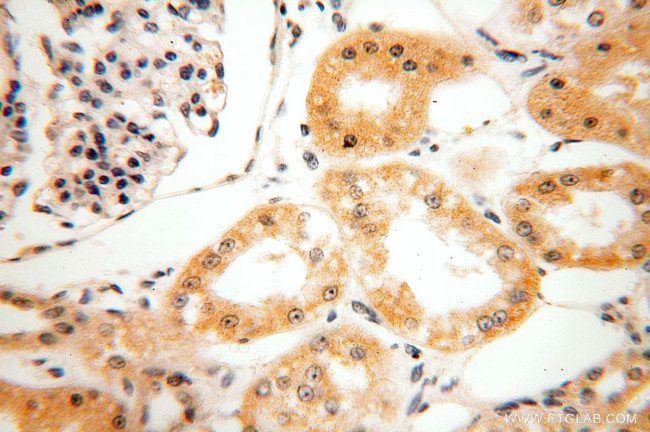
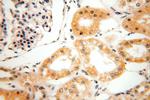
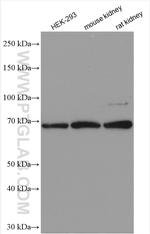
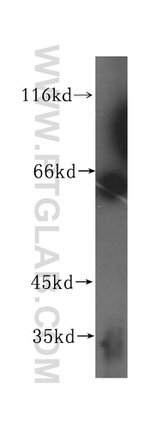
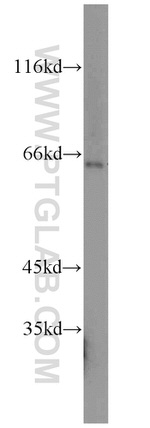
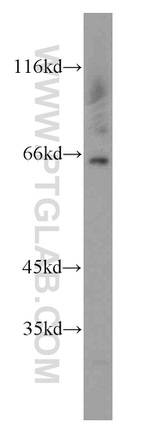
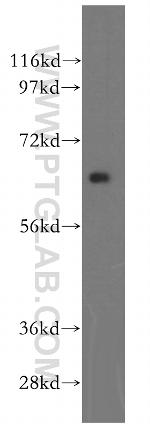
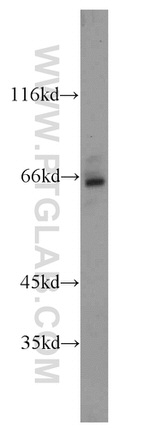
Please note: We are reviewing Western blot images included in the antibody testing data in our catalog, including those provided by third parties. Unless expressly labeled or annotated as “raw-unedited”, Western blot images included in the antibody testing data in our catalog may have been edited, optimized or otherwise adjusted for presentation.


产品信息
16229-1-AP
应用
建议稀释比
已发表文章
产品规格
种属反应
Human,
Mouse,
Rat
已发表种属
Mouse
宿主/亚型
Rabbit
/ IgG
分类
Polyclonal
类型
Antibody
抗原
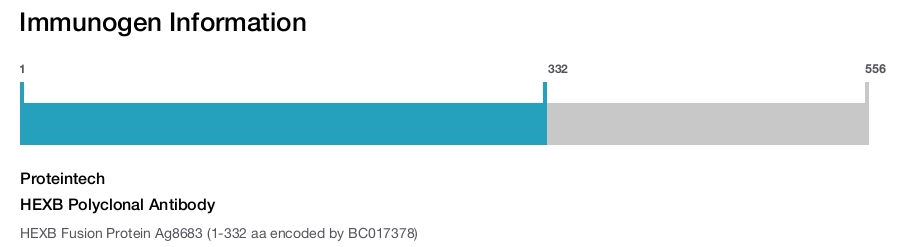
HEXB Fusion Protein Ag8683 (1-332 aa encoded by BC017378)
偶联物
Unconjugated
Unconjugated
Unconjugated
形式
Liquid
浓度
0.35 mg/mL
规格
52.5 µg
纯化类型
Antigen affinity chromatography
保存液
PBS, pH 7.3, with 50% glycerol
内含物
0.02% sodium azide
保存条件
-20°C
运输条件
Wet ice (domestic); Dry ice (international)
产品详细信息
Immunogen sequence: MELCGLGLP RPPMLLALLL ATLLAAMLAL LTQVALVVQV AEAARAPSVS AKPGPALWPL PLSVKMTPNL LHLAPENFYI SHSPNSTAGP SCTLLEEAFR RYHGYIFGFY KWHHEPAEFQ AKTQVQQLLV SITLQSECDA FPNISSDESY TLLVKEPVAV LKANRVWGAL RGLETFSQLV YQDSYGTFTI NESTIIDSPR FSHRGILIDT SRHYLPVKII LKTLDAMAFN KFNVLHWHIV DDQSFPYQSI TFPELSNKGS YSLSHVYTPN DVRMVIEYAR LRGIRVLPEF DTPGHTLSWG KGQKDLLTPC YSRQNKLDSF GPINPTLNTT YSF (1-332 aa encoded by BC017378)
靶标信息
Hexosaminidase B (HEXB), also designated beta-hexosaminidase B, is a Hexosaminidase B (HEXB), also designated b-hexosaminidase B, is a tetramer of two b-A and two b-B chains and is found in the lysosomes of cells. Sandhoff disease (SD), also known as GM2-gangliosidosis type II, is caused by mutations in the HEXB gene that affect the b subunit. These mutations disrupt the activity of HEXB and HEXA, which prevents the breakdown of GM2 ganglioside, a fatty material found in the brain, therby rendering both the HEXA and HEXB enzymes deficient. SD is a rare autosomal recessive disorder characterized by an accumulation of GM2 ganglioside, which causes progressive destruction of the central nervous system. Sandhoff disease is similar to Tay-Sachs disease, which is caused by mutations in the HEXA gene, although SD is more severe.
仅用于科研。不用于诊断过程。未经明确授权不得转售。
生物信息学
蛋白别名: beta-hexosaminidase beta-subunit; beta-N-acetylhexosaminidase subunit beta; cervical cancer proto-oncogene 7 protein; epididymis luminal protein 248; epididymis secretory protein Li 111; epididymis secretory sperm binding protein; HCC-7; hexosaminidase B; hexosaminidase B (beta polypeptide); hexosaminidase subunit B; N-acetyl-beta-glucosaminidase prepro-polypeptide; N-acetyl-beta-glucosaminidase subunit beta; unnamed protein product
基因别名: ENC-1AS; HEL-248; HEL-S-111
UniProt ID: (Human) P07686, (Rat) Q6AXR4, (Mouse) P20060
Entrez Gene ID: (Human) 3074, (Rat) 294673, (Mouse) 15212
hydrolase activity, hydrolyzing O-glycosyl compounds
beta-N-acetylhexosaminidase activity
protein binding
acetylglucosaminyltransferase activity
hexosaminidase activity
beta-N-acetylglucosaminidase activity
hydrolase activity
carbohydrate binding
identical protein binding
macromolecular complex binding
skeletal system development
carbohydrate metabolic process
N-acetylglucosamine metabolic process
glycosphingolipid metabolic process
ganglioside catabolic process
cellular calcium ion homeostasis
lysosome organization
single fertilization
penetration of zona pellucida
sensory perception of sound
locomotory behavior
male courtship behavior
regulation of cell shape
phospholipid biosynthetic process
oligosaccharide catabolic process
lipid storage
glycosaminoglycan metabolic process
chondroitin sulfate catabolic process
dermatan sulfate catabolic process
hyaluronan catabolic process
myelination
astrocyte cell migration
positive regulation of transcription from RNA polymerase II promoter
oogenesis
neuromuscular process controlling balance
neuromuscular process
carbohydrate derivative metabolic process
lipid catabolic process
Disclaimer

Clicking the images or links will redirect you to a website hosted by BenchSci that provides third-party scientific content. Neither the content nor the BenchSci technology and processes for selection have been evaluated by us; we are providing them as-is and without warranty of any kind, including for use or application of the Thermo Fisher Scientific products presented.

