Search
Proteintech
LCAT Polyclonal Antibody
{{$productOrderCtrl.translations['antibody.pdp.commerceCard.promotion.promotions']}}
{{$productOrderCtrl.translations['antibody.pdp.commerceCard.promotion.promocode']}}: {{promo.promoCode}} {{promo.promoTitle}} {{promo.promoDescription}}. {{$productOrderCtrl.translations['antibody.pdp.commerceCard.promotion.learnmore']}}
{{$ctrl.translations['antibody.pdp.skuNotes.additionalInformation']}}:
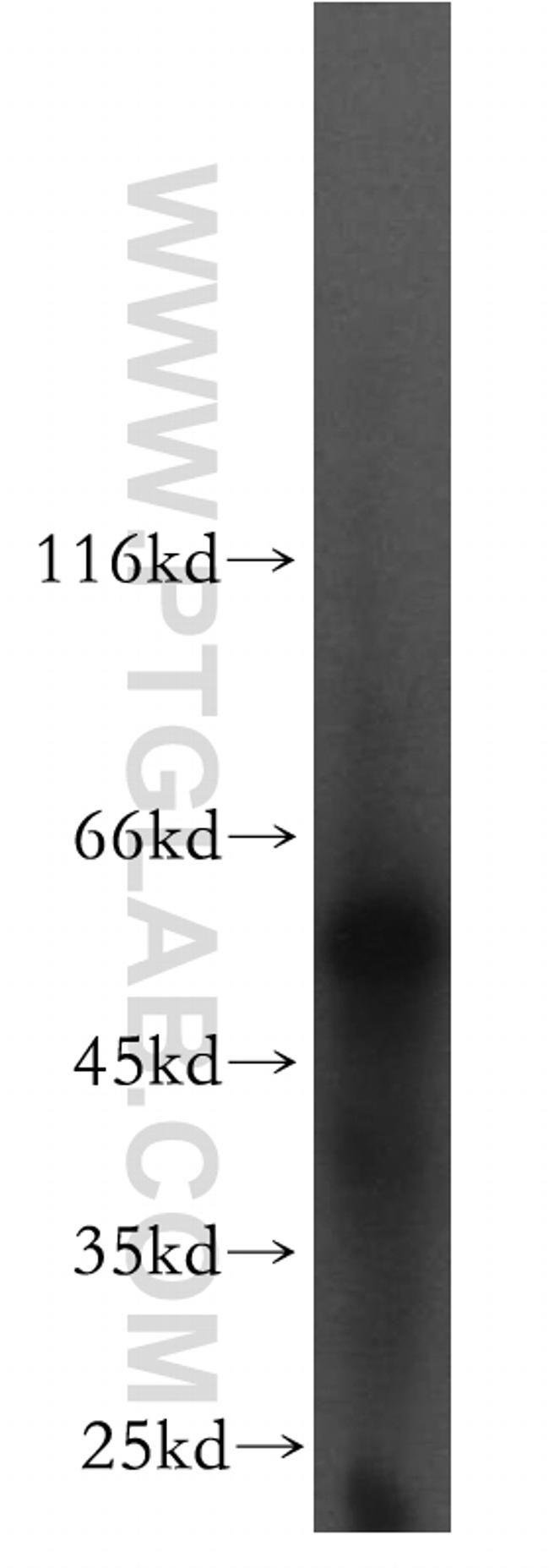
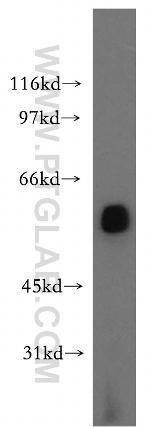
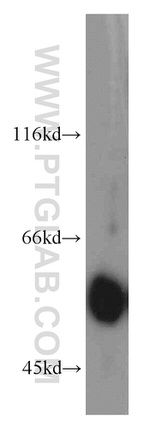
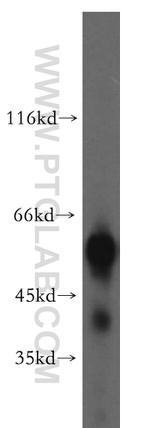
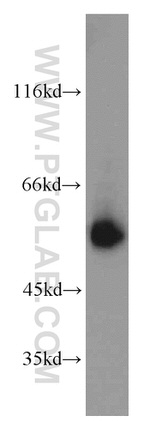
Please note: We are reviewing Western blot images included in the antibody testing data in our catalog, including those provided by third parties. Unless expressly labeled or annotated as “raw-unedited”, Western blot images included in the antibody testing data in our catalog may have been edited, optimized or otherwise adjusted for presentation.


产品信息
12243-1-AP
产品规格
种属反应
Human,
Mouse,
Rat
已发表种属
Rat
宿主/亚型
Rabbit
/ IgG
分类
Polyclonal
类型
Antibody
抗原
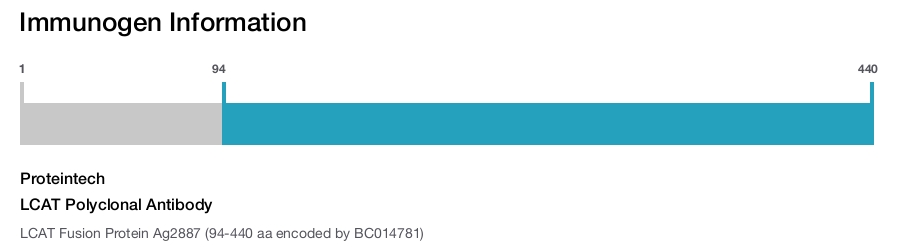
LCAT Fusion Protein Ag2887 (94-440 aa encoded by BC014781)
偶联物
Unconjugated
Unconjugated
Unconjugated
形式
Liquid
浓度
0.13 mg/mL
规格
19.5 µg
纯化类型
Antigen affinity chromatography
保存液
PBS, pH 7.3, with 50% glycerol
内含物
0.02% sodium azide
保存条件
-20°C
运输条件
Wet ice (domestic); Dry ice (international)
产品详细信息
Immunogen sequence: LGVDCWIDN TRVVYNRSSG LVSNAPGVQI RVPGFGKTYS VEYLDSSKLA GYLHTLVQNL VNNGYVRDET VRAAPYDWRL EPGQQEEYYR KLAGLVEEMH AAYGKPVFLI GHSLGCLHLL YFLLRQPQAW KDRFIDGFIS LGAPWGGSIK PMLVLASGDN QGIPIMSSIK LKEEQRITTT SPWMFPSRMA WPEDHVFIST PSFNYTGRDF QRFFADLHFE EGWYMWLQSR DLLAGLPAPG VEVYCLYGVG LPTPRTYIYD HGFPYTDPVG VLYEDGDDTV ATRSTELCGL WQGRQPQPVH LLPLHGIQHL NMVFSNLTLE HINAILLGAY RQGPPASPTA SPEPPPPE (94-440 aa encoded by BC014781 )
靶标信息
Lecithin: cholesterol acyltransferase (LCAT) is the plasma enzyme responsible for most HDL cholesteryl esters in human plasma. In species with cholesteryl ester transfer protein (CETP) it is also responsible for a significant proportion of VLDL and LDL cholesteryl esters. LCAT, through the esterification of cholesterol, plays a role in the reverse cholesterol transport pathway by facilitating the net movement of cholesterol from peripheral tissues back to the liver for excretion. LCAT deficiency results in low levels of plasma HDL, whereas a transgenic overexpression of LCAT results in increased plasma HDL concentrations.
仅用于科研。不用于诊断过程。未经明确授权不得转售。
生物信息学
蛋白别名: 1-alkyl-2-acetylglycerophosphocholine esterase; Lecithin-cholesterol acyltransferase; lecithin-cholesterol acyltransferase Lcat; lecithin-cholesterol acyltransferase precursor (EC 2.3.1.43); lecithin:cholesterol acyltransferase precursor; PAF acetylhydrolase; phosphatidylcholine--sterol O-acyltransferase; phospholipid-cholesterol acyltransferase; platelet-activating factor acetylhydrolase; testicular secretory protein Li 24; unnamed protein product
基因别名: D8Wsu61e
UniProt ID: (Human) P04180, (Rat) P18424, (Mouse) P16301
Entrez Gene ID: (Human) 3931, (Rat) 24530, (Mouse) 16816
lipid metabolic process
phospholipid metabolic process
phosphatidylcholine biosynthetic process
cholesterol metabolic process
cholesterol transport
very-low-density lipoprotein particle remodeling
high-density lipoprotein particle remodeling
lipoprotein metabolic process
cholesterol homeostasis
reverse cholesterol transport
phosphatidylcholine metabolic process
response to copper ion
response to glucocorticoid
regulation of high-density lipoprotein particle assembly
lipoprotein biosynthetic process
Disclaimer

Clicking the images or links will redirect you to a website hosted by BenchSci that provides third-party scientific content. Neither the content nor the BenchSci technology and processes for selection have been evaluated by us; we are providing them as-is and without warranty of any kind, including for use or application of the Thermo Fisher Scientific products presented.

