Search
Invitrogen
PMA1 Monoclonal Antibody (40B7)
{{$productOrderCtrl.translations['antibody.pdp.commerceCard.promotion.promotions']}}
{{$productOrderCtrl.translations['antibody.pdp.commerceCard.promotion.promocode']}}: {{promo.promoCode}} {{promo.promoTitle}} {{promo.promoDescription}}. {{$productOrderCtrl.translations['antibody.pdp.commerceCard.promotion.learnmore']}}
{{$ctrl.translations['antibody.pdp.skuNotes.additionalInformation']}}:
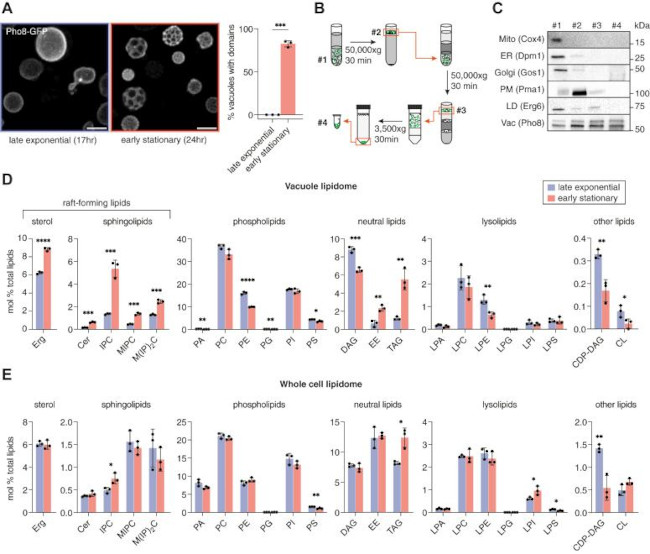
图: 1 / 5
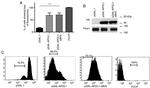
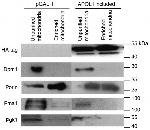
PMA1 Antibody (MA1-91567) in WB
The Journal of biological chemistry 2024 -
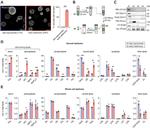
Lipidomic changes accompanying phase separation in the yeast vacuole . A , vacuole membranes phase separate into discrete domains during a short growth period (7 h) as cells enter the stationary stage. 3D projections shown are from confocal Z-stacks of a field of live cells expressing the vacuole Ld domain marker Pho8-GFP grown under vacuole isolation conditions. Scale bar, 3 mum. The bar graph shows the fr... View More
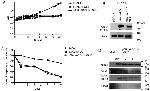
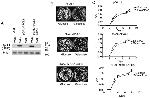
Please note: We are reviewing Western blot images included in the antibody testing data in our catalog, including those provided by third parties. Unless expressly labeled or annotated as “raw-unedited”, Western blot images included in the antibody testing data in our catalog may have been edited, optimized or otherwise adjusted for presentation.


产品信息
MA1-91567
产品规格
种属反应
Yeast
已发表种属
Yeast
宿主/亚型
Mouse
/ IgG
分类
Monoclonal
类型
Antibody
克隆号
40B7
抗原
Yeast membrane preps.
偶联物
Unconjugated
Unconjugated
Unconjugated
形式
Liquid
浓度
Conc. Not Determined
保存液
tissue culture supernatant
内含物
10mM sodium azide
保存条件
Store at 4°C short term. For long term storage, store at -20°C, avoiding freeze/thaw cycles.
运输条件
Ambient (domestic); Wet ice (international)
RRID
产品详细信息
The predicted molecular weight by western blot is 100 kDa.
靶标信息
The PMA1 (Plasma Membrane ATPase 1) gene encodes a highly conserved enzyme that functions as a proton pump (H+ ATPase) in the plasma membrane of yeast and plant cells. This enzyme is essential for maintaining cellular pH and membrane potential by actively transporting protons (H+) out of the cell, using energy derived from ATP hydrolysis. In Saccharomyces cerevisiae (baker's yeast), PMA1 is vital for nutrient uptake, cell growth, and overall cellular homeostasis. The activity of PMA1 is regulated through various mechanisms, including phosphorylation and interaction with regulatory proteins. In plants, homologs of PMA1 play a crucial role in processes like stomatal opening, nutrient uptake, and stress responses. Given its fundamental role in cellular physiology, PMA1 has been a target for antifungal agents and herbicides.
仅用于科研。不用于诊断过程。未经明确授权不得转售。
生物信息学
Disclaimer

Clicking the images or links will redirect you to a website hosted by BenchSci that provides third-party scientific content. Neither the content nor the BenchSci technology and processes for selection have been evaluated by us; we are providing them as-is and without warranty of any kind, including for use or application of the Thermo Fisher Scientific products presented.

