Search
Food and Beverage Webinar Library
View these webinars to learn more about our solutions using the most comprehensive line of instruments, equipment, consumables, chemicals, reagents and software available.
Recent on-demand webinars

Learn how to overcome the challenges associated with analysis of pesticide residues at ultra-low levels in baby foods.

Learn about ICP-MS technology and how it is used in the food and beverage market to detect essential and trace elemental content in baby foods.

A new triple-quadrupole GC–MS technique for the routine analysis of PBDEs, listen and learn from this on demand webinar.

Address critical challenges in quantitation of veterinary drugs in food laboratories using triple quadrupole MS instrumentation

This webinar will review the basics of IC and then detail examples of how IC has been applied to food and beverage adulteration and authenticity studies.

In this webcast, we will discuss the results of experiments designed to test the suitability and capabilities of magnetic sector GC–HRMS for target compound analysis.

This webinar will cover how Discrete Industrial Analyzers can be applied in a food and beverage testing laboratory for tests such as sugars, total protein, amino acids, iron, copper and total polyphenol.

Discover how LC- and GC-, orbitrap MS detection, were used successfully for the detection and identification of NIAS in migration studies.

Ultra high pressure liquid chromatography coupled with CAD detection was applied to the analysis of extra-virgin olive oil triglycerides.

The principles of isotope analysis and an explanation and interpretation of data from a variety of food and beverage matrices.

Assessing the performance of the high resolution accurate mass Thermo Scientific Q Exactive GC Orbitrap GC-MS for the analysis of SCCP and MCCP in standards and salmon samples.

Rapid UHPLC targeted screening for compounds such as food additives, food dyes and compounds including catechins, anthocyanins and steviol glycosides.
Chemical and elemental analysis
Identification and quantification of chemical compounds by means of chromatography and mass spectrometry techniques used within the food safety, food fraud and food quality industry.
During this on-demand event, Dr. Jeffrey Rohrer discusses the benefits of using high-performance anion-exchange chromatography coupled with pulsed amperometric detection (HPAE-PAD), which does not require sample derivatization and recent technological advances, including high-pressure ion chromatography.
In this informative webinar, we will explain how to optimize and validate a simple, inexpensive, and rapid method to confirm and identify biologically active flavorings using automated headspace solid-phase microextraction coupled with GC-MS/MS.
Learn about prebiotic characterization with anion-exchange chromatography in food and beverages. In this informative webinar, we will explain of the key structural features of prebiotics and outline the best technique for the analysis of prebiotics in routine monitoring or research applications.
Dr. Antonio Signes is a Marie Curie Post-Doctoral Research Fellow at the Institute for Global Food Security – QUB. You will learn about the recent EU regulations regarding arsenic in rice based foodstuffs, the latest developments in arsenic speciation using IC-ICP-MS and the performance of ICP-MS for total arsenic measurement in a selection of food samples.
Jon W. Wong, Research Chemist at the U.S. Food and Drug Administration, Center for Food Safety and Applied Nutrition, College Park, MD USA discusses why sensitive and unambiguous identification of chemical analytes and contaminants in foods is a challenge for food safety and control.
Legislation in the EU required the confirmation and quantification of dioxins by gas chromatography/high resolution mass spectrometry (GC-HRMS), but recent technological advances in GC-MS/MS technology have enabled these systems to achieve the required sensitivity and selectivity for dioxin analysis, Join Esteban Abad Holgado Head of the Dioxins Laboratory at Consejo Superior de Investigaciones Cientificas (iDAEA – CSIC) Barcelona, Spain.
Using Ion Chromatography (IC) for Drinking Water and Beverage Analysis
Linda Lopez, IC Marketing and Applications Manager, discusses how ion chromatography (IC) is well suited for drinking water and beverage analysis. She discusses solutions for various beverage analyses, with IC or IC combined with ICP-MS, LC-MS, smaller size particle columns and other tools.
Authenticity and adulteration
New analytical technologies demonstrating solutions for testing authenticity and adulteration in food and beverages, such as honey, olive oil and wine.

This webinar highlights a proof of concept study for the characterisation and profiling of extracts of whisky samples.

The webinar will present a strategy to detect specific peptide biomarkers in the digested gelatin and food samples using HPLC–QqOrbitrap.
Discover how metabolomic fingerprinting, mycotoxin analysis, and multianalyte–multigroup strategies are aiding food safety. Jana Hajšlová and Rudolf Krska talk about the latest analytical trends: high-resolution MS metabolomic fingerprinting and its role in food quality assessment, and why LC-MS/MS-based methods are the top choice on the menu for assessing exposure to mycotoxins.
Environmental pollutants
Persistent organic pollutants or POPs analysis in food and beverages is a fundamental part of food safety, learn how our instruments are used to test for compounds such as PAHs and PCBs.
Accelerated solvent extraction is a sample preparation technique that greatly reduces the amount of time and solvent required to achieve analyte extraction. This technique uses elevated temperature and pressure to accelerate the partitioning of key analytes for a diverse array of sample matrices.
Discover the latest developments in speciation technology using chromatographic separation devices coupled to ICP-MS. In addition, we will explain how to address both research and routine speciation analysis requirements in response to increasing market interest and pending legislative pressure.
Presentation on why perchlorate detection is important and the different methods for its analysis with examples.
This webcast will provide insight into the latest developments in speciation technology and offer proof data for a wide variety of applications, including arsenic species in apple juice and rice syrup and iodine species in milk. The combined method of ion chromatography-inductively coupled plasma-mass spectroscopy (IC-ICP-MS) allows these industries to separate and quantify the different chemical forms of each element.
Natural toxins and biotoxins
Learn how mycotoxins and marine toxins are analyzed using high resolution mass spectrometry, HRAM.
Herbal food supplements and phytopharmaceuticals have become an important part of consumers’ health care in recent years and their popularity is constantly growing. But the safety control and analysis of such a difficult and largely variable matrix is a challenging task. A multi-analyte method for target analysis using QuEChERS extraction method and UHPLC–HRAM- MS/MS will be presented.
Webinar on detecting mycotoxins in food matrices using Thermo Scientific UHPLC and LC-MS/MS. Learn how Pickering Laboratories addresses this challenge and meets guidelines set by the FDA using sensitive and rugged Thermo Scientific UHPLC methods to effectively detect Aflatoxins as well as other key classes of Mycotoxins.
Orbitrap High Resolution Mass Spectrometry for Mycotoxin Analysis - Quantitative Determination and Metabolite Discovery
Dr. Veronica Lattanzio, from the Institute of Sciences of Food Production (ISPA-CNR), Italy, speaks about quantitative determination and metabolite discovery of mycotoxins using Thermo Scientific™ Orbitrap™ high resolution accurate mass spectrometry.
Nutritional and food label testing
Learn why correct labeling on food packaging really is important, with regard to allergens and how to test food and beverages using chromatography techniques.

Essentials of food allergen analysis and novel strategies for method development to untangle the complexities of food allergens.
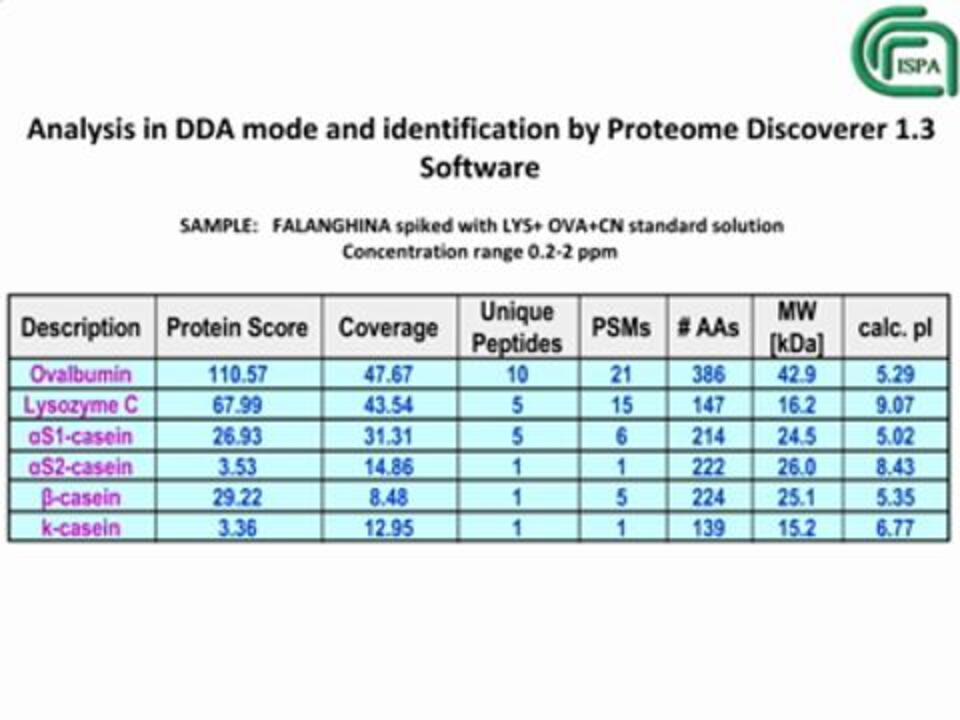
Linda Monaci, PhD of the Institute of Sciences of Food Production CNR-ISPA (Bari, Italy) discusses how mass spectrometry can provide some advantages over more traditional methods of allergen detection. A comparison of two mass spectrometry–based approaches for multiplex detection of residual allergens in food matrices will be presented.
Carbohydrates are important food components affecting taste and nutrition. The determination of the types and levels of carbohydrates in foods is important for energy evaluation, nutritional labeling, and quality control and for identifying possible adulteration. This webinar will describe the latest chromatographic approaches for the routine measurement of carbohydrates in a variety of foods and beverages.
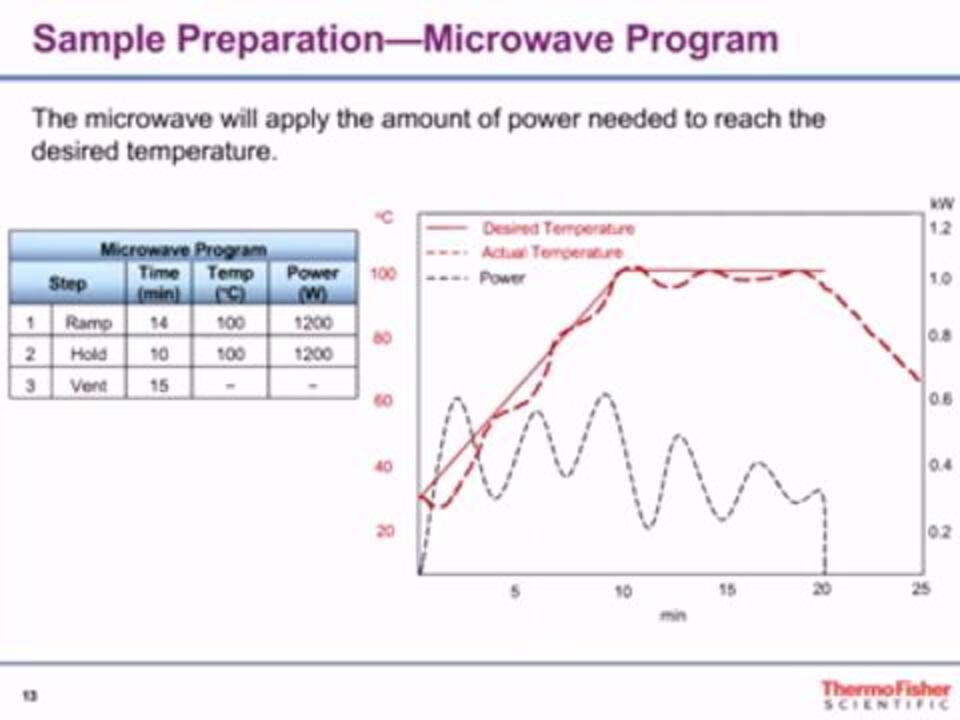
Talk on choline and different methods to detect it in infant formula and adult nutritionals.
Talk on sugar and organic acids analysis in food and beverages by capillary IC.
Talk on-line SPE-UHPLC and UHPLC-MS/MS methods to analyze beer, wine and other alcoholic beverages.
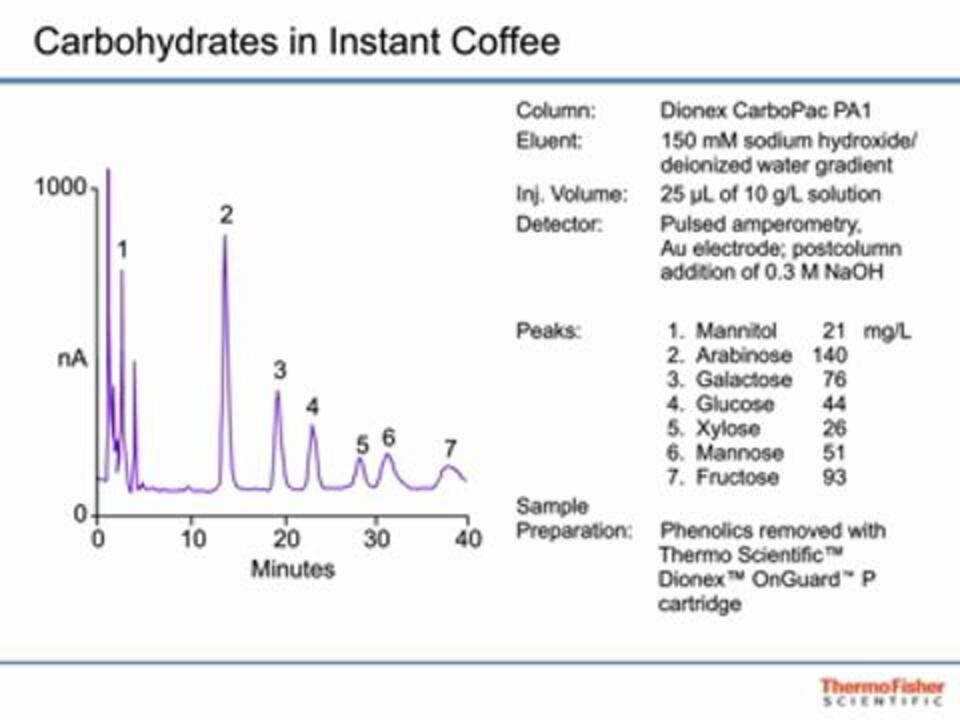
In this presentation we will discuss the use of ion chromatography with pulsed amperometric detection as a technique to provide fast, reproducible, and simple methods to determine the carbohydrate content in food and beverages and address product labeling requirements and quality control testing.
Hear Dr. Linda Monaci, from the Institute of Sciences of Food Production (ISPA-CNR), Italy, speak about multi-allergen detection and quantitation of milk and egg proteins in white wine using Thermo Scientific™ Orbitrap™ high resolution accurate mass spectrometry.
In this webinar, several novel applications of Surface-enhanced Raman Spectroscopy (SERS) analysis to determine different substances in edible oils, essential oils and fats were investigated with a Thermo Scientific™ DXR™ Raman microscope, and are presented and discussed.
Packaging and food contact materials
Non-intentionally added substances, (NIAS) and nanoparticles are among the most commonly tested compounds ensuring food safety and food quality.
New webinars coming soon. Visit Food Packaging and Contact Materials Information in the Food & Beverage Learning Center for more information on this subject.
Pesticide residues
Watch the webinar series on pesticide residue testing and regulation compliance in foods and beverages using high resolution accurate mass technology.
Hans Mol will discuss the use of GC-HRAM for pesticide residues analysis and the suitability and capabilities of the latest GC-Orbitrap system.
It is now possible to analyze targeted, suspected, and unexpected residues in a single workflow with an easy-to-use GC-MS system that provides an unprecedented level of performance in routine analysis. Join Prof. Fernandez-Alba, who will share his thoughts on the performance of GC-HRAM technology including the ease of use, performance, and effectiveness of the GC-MS system and intelligent software for the analysis of pesticides in fruit and vegetables.
This presentation will describe our experience, challenges, and successes in the development, validation and implementation of methods for GC-MS/MS analysis of pesticides in herbal preparations. Listen to the webinar to learn about optimal sample preparation methods and how this can save time when performing pesticides residue analysis by GC-MS/MS.
Despite the recent technological advancements in LC-MS, it is still challenging to quantify hundreds of LC-amenable pesticides with a robust, sensitive workflow solution. This presentation describes the development and implementation of compete workflow solutions based on LC-MS/MS and LC-HRAM-MS/MS.
Polar ionic pesticides, such as glyphosate, glufosinate, and chlorate are not amenable to common multi-residue methods. The use of suppressed ion chromatography coupled to tandem quadrupole mass spectrometry can help to provide a more effective solution Listen to FERA Science, Ltd's experience, challenges, and successes in the development, validation, and implementation of this approach.
This webinar will provide pesticides residue analysts with new information from an independent thorough evaluation of the capabilities of LC–HRAM technology for the analysis of pesticide residues in QuEChERS extracts of food. Information on the sensitivity, selectivity, precision, accuracy, and reproducibility, identification capabilities, ease of use and effectiveness of the software will be covered.
Learn the capabilities and potential application of GC–Orbitrap technology for the analysis of pesticide residues in QuEChERS extracts of food. Hans Mol will share his experience with the development of a GC-Orbitrap workflow solution including optimization of the instrumental parameters and method validation, for qualitative and quantitative multi-residue analysis.
Listen to Key Experts Roundtable Discussion. This interactive dialogue will feature four world-renowned experts in the field of food safety and pesticide analysis who will address the critical aspects of pesticide analysis workflows needed to achieve valid and comprehensive results.
Four-part pesticide residues analysis series
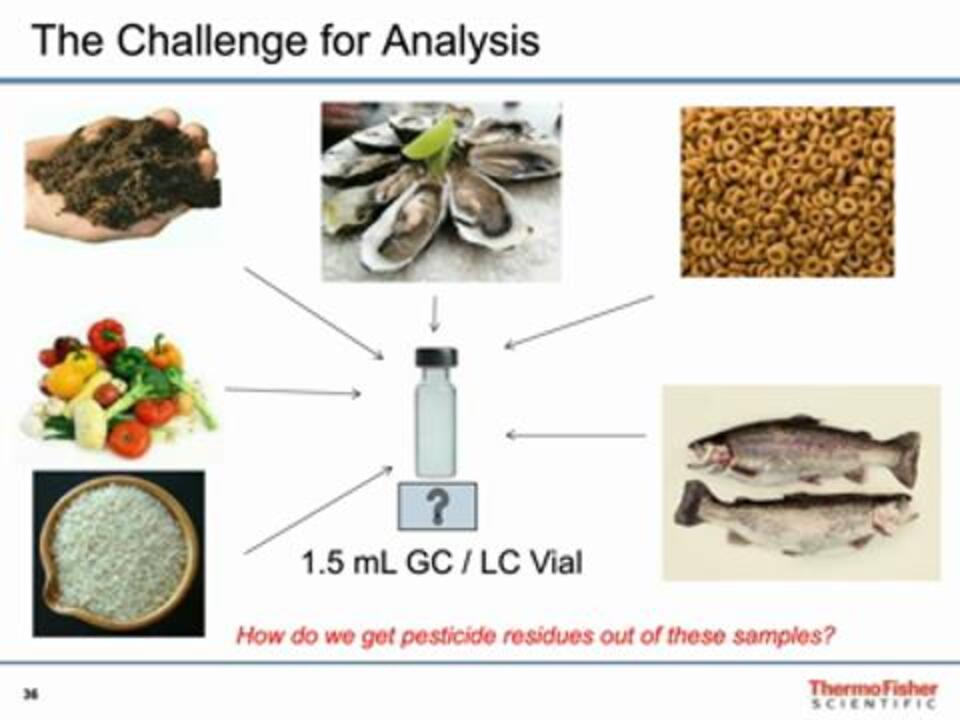
Discuss the use of accelerated solvent extraction and QuEChERS techniques for extraction of pesticide residues from a diverse range of food samples.
Discuss the development and optimization of chromatographic separations and mass spectrometry methods for the analysis of pesticide residues in food.
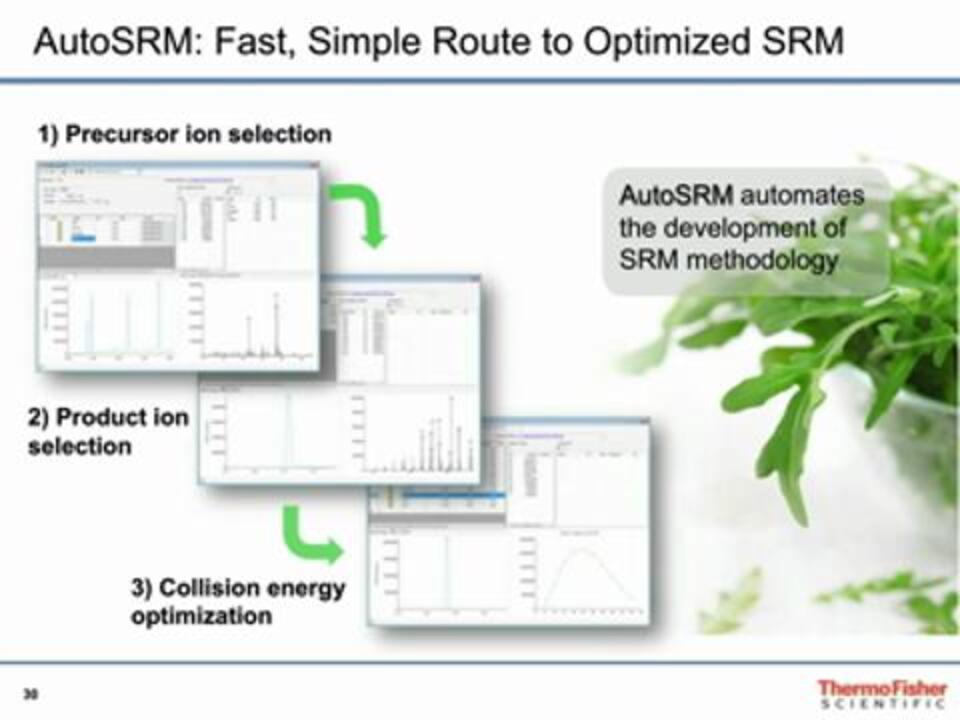
Review development and optimization of gas chromatographic separations and mass spectrometry methods for pesticides analysis.
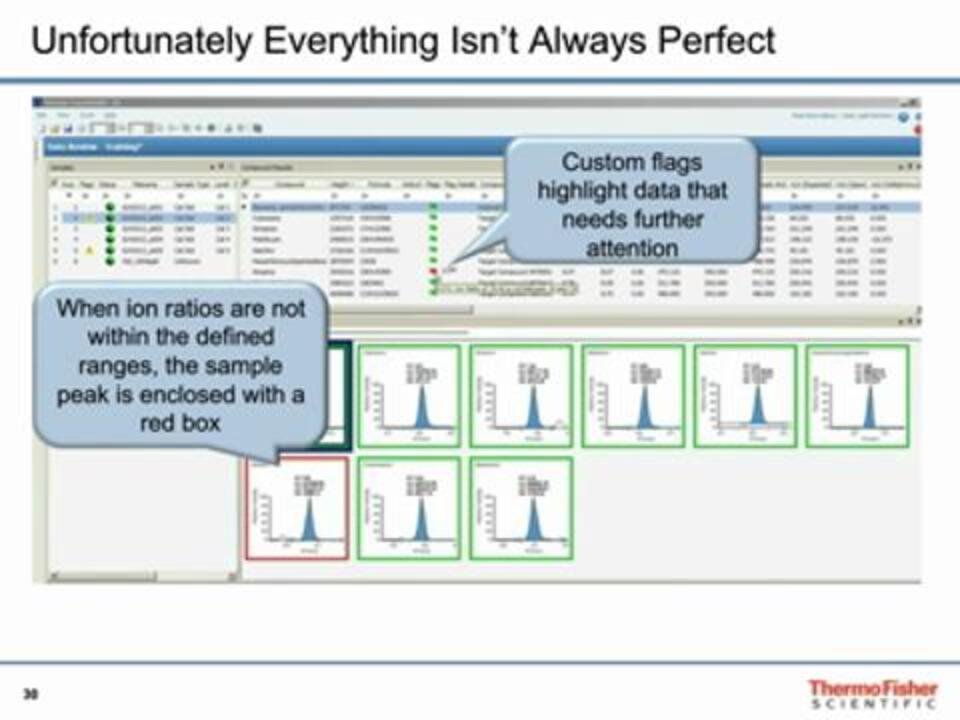
This webinar will provide pesticides residue analysts with valuable information on software method development and data processing for the analysis of pesticide residues in food for both LC–MS and GC–MS. Technical experts will review the latest in software advances to help with data interpretation and reporting.
Additional pesticide residues analysis webinars
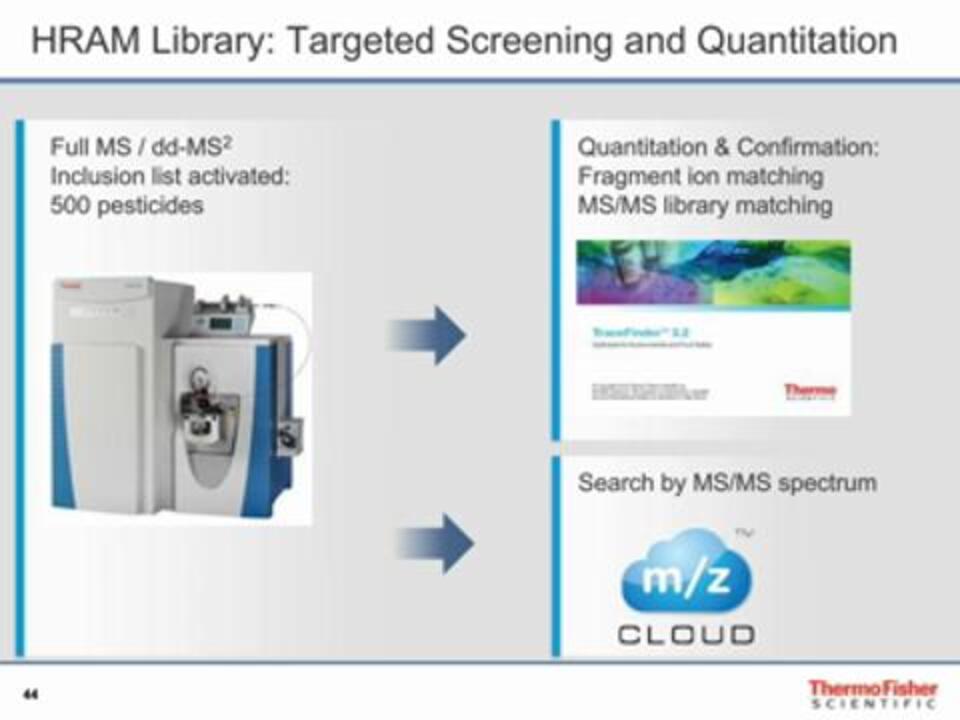
Screening and quantitation using HRAM Orbitrap™ MS technology is a highly accurate and sensitive method which has the advantages of reduced method development time and reduced false positives and negatives. A turnkey, start-to-finish method to screen and quantify 500 pesticides has been developed in grape matrix. An HRAM spectral library consisting of over 2000 unique environmental and food compounds enabled 16 pesticides to be quantified and confirmed at ppb levels.
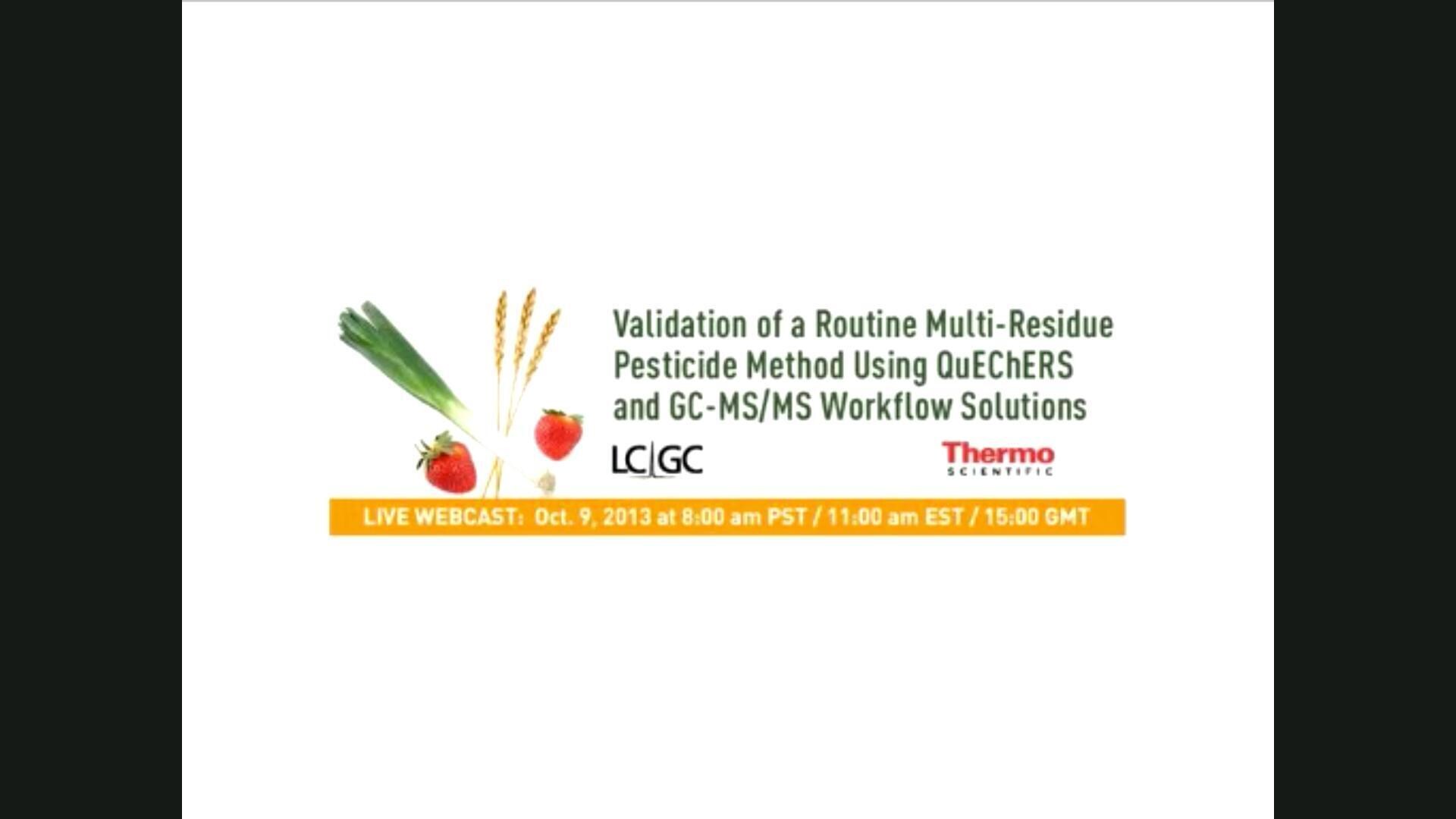
Advanstar webinar - David Steiniger
A multi-residue method for herbal products and teas is faced with additional challenges from the worldwide origin of the products and the complex matrix of the dried materials. In the due quality control of raw materials, the unknown or undeclared local plant protection treatments must be taken into account with a wide variety of potential pesticide contaminations.
Herbal food supplements and phytopharmaceuticals have become an important part of consumers’ health care in recent years and their popularity is constantly growing. In this presentation, a multi-analyte method for target analysis of 323 pesticide residues, 56 mycotoxins, and 11 pyrrolizidine alkaloids using QuEChERS extraction method and UHPLC–HRAM- MS/MS will be presented.
Jon W. Wong, Research Chemist at the U.S. Food and Drug Administration, Center for Food Safety and Applied Nutrition, College Park, MD USA discusses why sensitive and unambiguous identification of chemical analytes and contaminants in foods is a challenge for food safety and control.
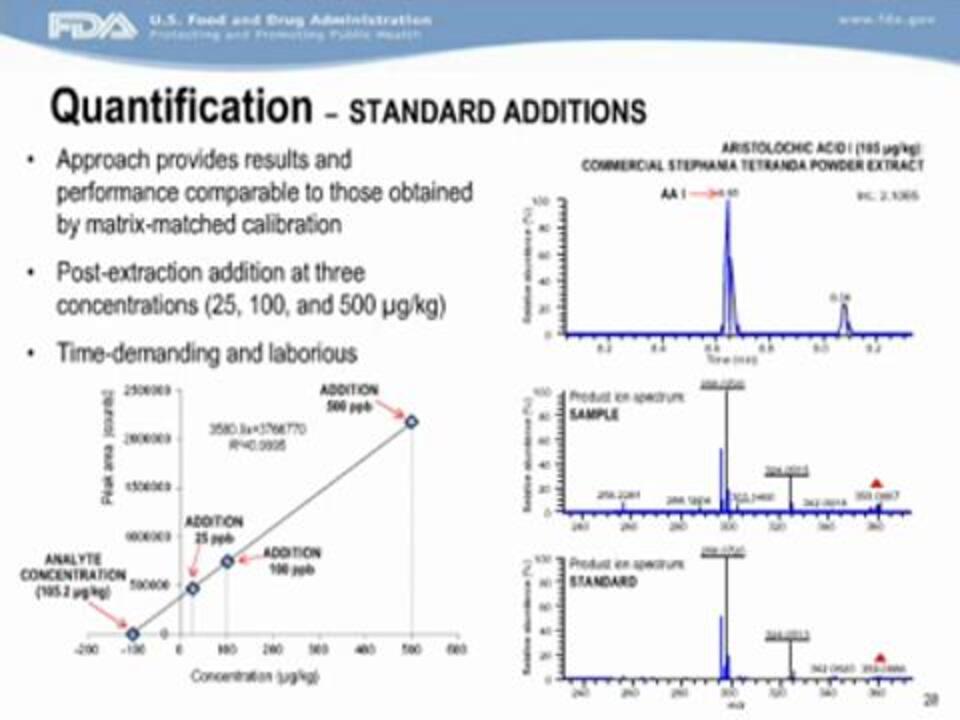
Development and Optimization of an Ultrahigh-Performance liquid chromatography–quadrupole-orbitrap.
The EU Commission stipulates sampling levels and frequencies for residues in vegetable and animal products and matrices in order to check for illegitimate used substances. Compared to time and effort to fulfill these requirements the number of used sample preparation and instrument methods increased. This indicates that there is a clear need for quick and simple screening and quantification methods to routinely and accurately control levels of residues. The presentation demonstrates that with the Thermo Scientific Exactive Plus, a high-resolution mass spectrometer, it is possible to screen and quantify in one chromatographic run with reliable results in determination and quantification.
Processing contaminants
Ensuring food and beverage safety is essential. Learn how processing can change the chemical composition of everyday products we consume.
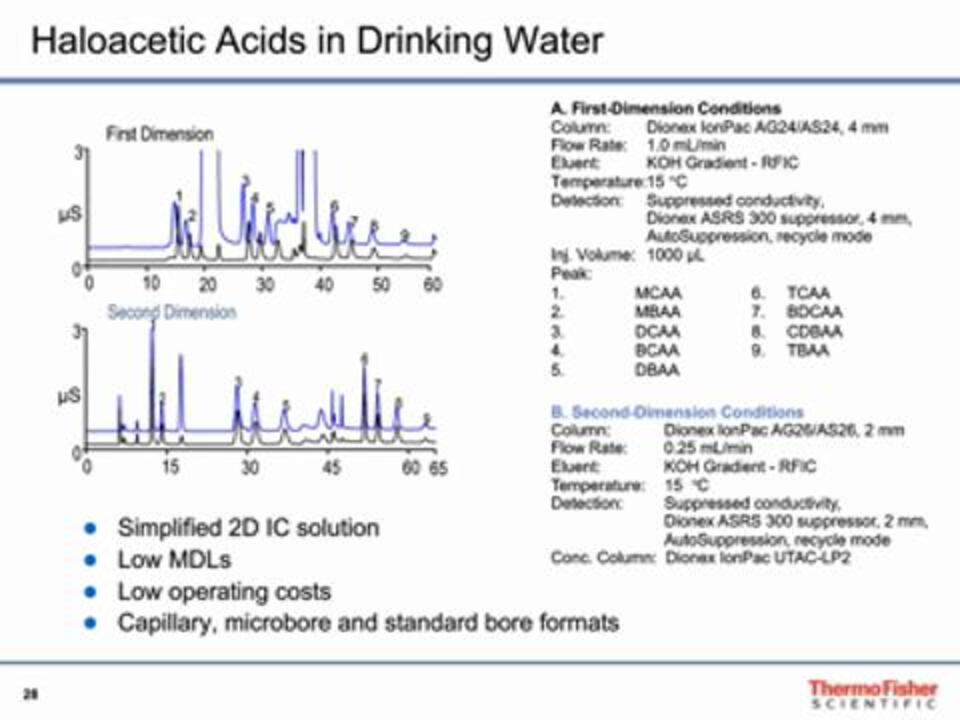
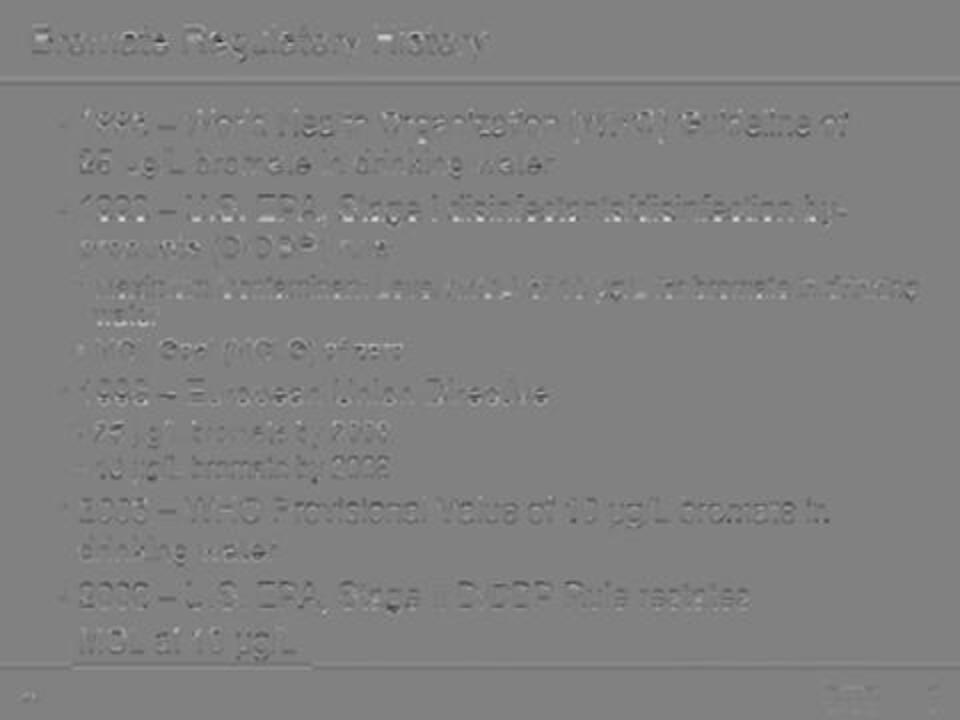
In this webinar we will discuss using ion chromatography for the determination of bromate, chlorate and haloacetic acids for compliance monitoring according to various ISO standards (15061, 11206, 10304-4, 23631) and U.S. EPA Method 557. Examples will include IC methods using electrolytically generated hydroxide eluents on a Reagent-Free™ IC (RFIC™) system.
This webinar will demonstrate the advantages and applications of 2D-IC where the sample is initially separated on a 2 mm or 4 mm column set. The peaks are then separated from the sample matrix on a capillary IC column. Both analytes are determined directly with suppressed conductivity detection. The webinar will be of value for anyone interested in specific methods that combine both the advantages of standard IC and capillary IC.
Veterinary drugs
Antibiotics given to livestock can enter the food chain unintentionally; learn how to analyze for veterinary drug residues in food.

Dave Borts discusses a new multi-class, multi-residue veterinary drug method, and examples of how HRAM MS technology can enhance quantitation and screening
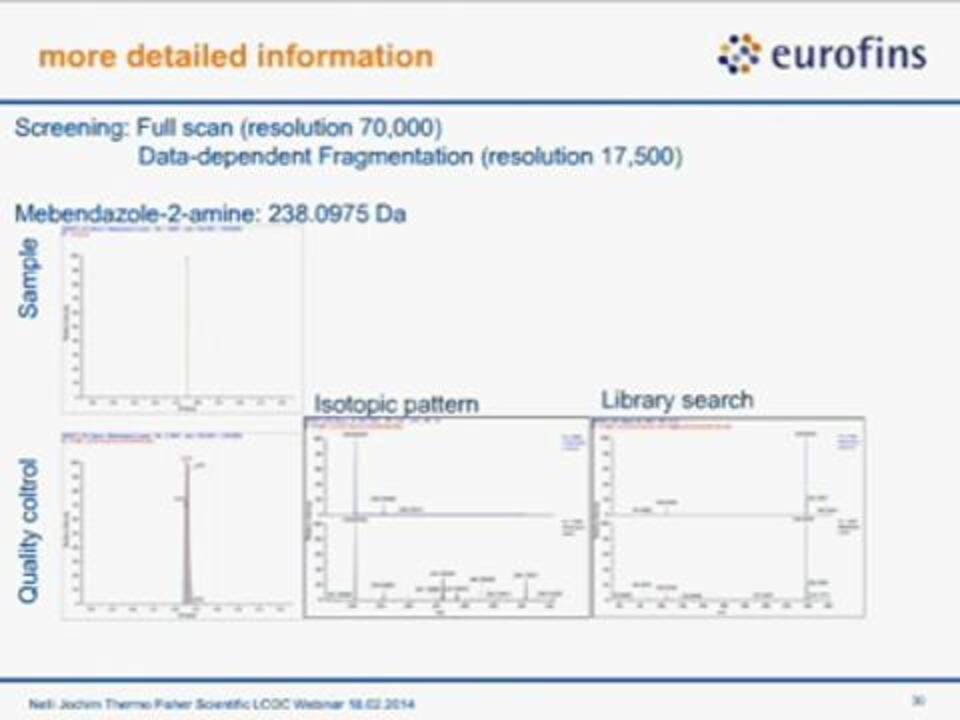
Tune in to this web seminar to learn about a newly developed HRAM-LC-MS/MS method for screening, quantitation, and confirmation of more than 100 antibiotic, anthelmintic, and antiparasitic residues in a single run. The method has been fully validated in accordance with 2002/657/EC guidelines and can be applied for analysis of veterinary drug residues in samples of animal origin, such as meat or fish.
Dietary supplements and nutraceuticals analysis
Learn about our solutions for confidently extracting, quantifying and identifying these complex natural products.

Discussion on the new USP Chapter on elemental contaminants in dietary supplements, and overview of USP Chapter for suggested techniques and protocols.
A targeted way to measure levels of specific natural products in a sample, also use an un-targeted (metabolomic) approach, where patterns of up to several hundred analytes (including knowns and unknowns) can be used to help authenticate product or identify possible adulteration. Finally, improvement in analytical throughput and analyte resolution using the new Thermo Scientific™ Vanquish™ HPLC system will be presented.
Development and optimization of an ultra-high performance liquid chromatography quadrupole orbitrap system.
Fermentation
Learn about our solutions for automating analyzing methods so uniform quality is confirmed in various phases of the production process.
On Demand Webinar: In this presentation, Aaron McLeod, Director, Hartwick College Center for Craft Food and Beverage, discusses new approaches for the automation of malt chemistries and potential benefits and cost-efficiencies of discrete analysis methods.
Microbiology testing
Learn about solutions that simplify the workflow of a food testing laboratory using traditional, immunological and rapid real-time PCR methods to identify pathogens and routine organisms.
New webinars coming soon. Visit Food Microbiology Testing Information in the Food & Beverage Learning Center for more information on this subject.
Packaged product inspection
Learn about our solutions for providing the highest levels of sensitivity to find virtually any metallic and non-metallic substance in your packaged food.
Raman microscopy is a valuable tool for packaging analysis. In this webinar, we discuss novel applications of Raman microscopy, such as: identification of migrants from adhesives through adjacent polymer or cardboard layers, detection of contaminants at ppm level in aqueous and oil food simulants after migration tests, simultaneous identification of several components of plastic materials such as base polymer, fillers, and stabilizers by means of software deconvolution tools.
Process analysis and control
Learn about our solutions for determining the viscosity, elasticity, processability and temperature-related mechanical changes of food.
New webinars coming soon. Visit Food Processing Analysis & Control Information in the Food & Beverage Learning Center for more information on this subject.
Traceability
Learn how using a Laboratory Information Management System (LIMS), makes the management of data automatic, straightforward, secure, reliable and defensible for audit trails and regulatory compliance.
New webinars coming soon.