Search
Automated Workflow Solutions for GC and GC-MS

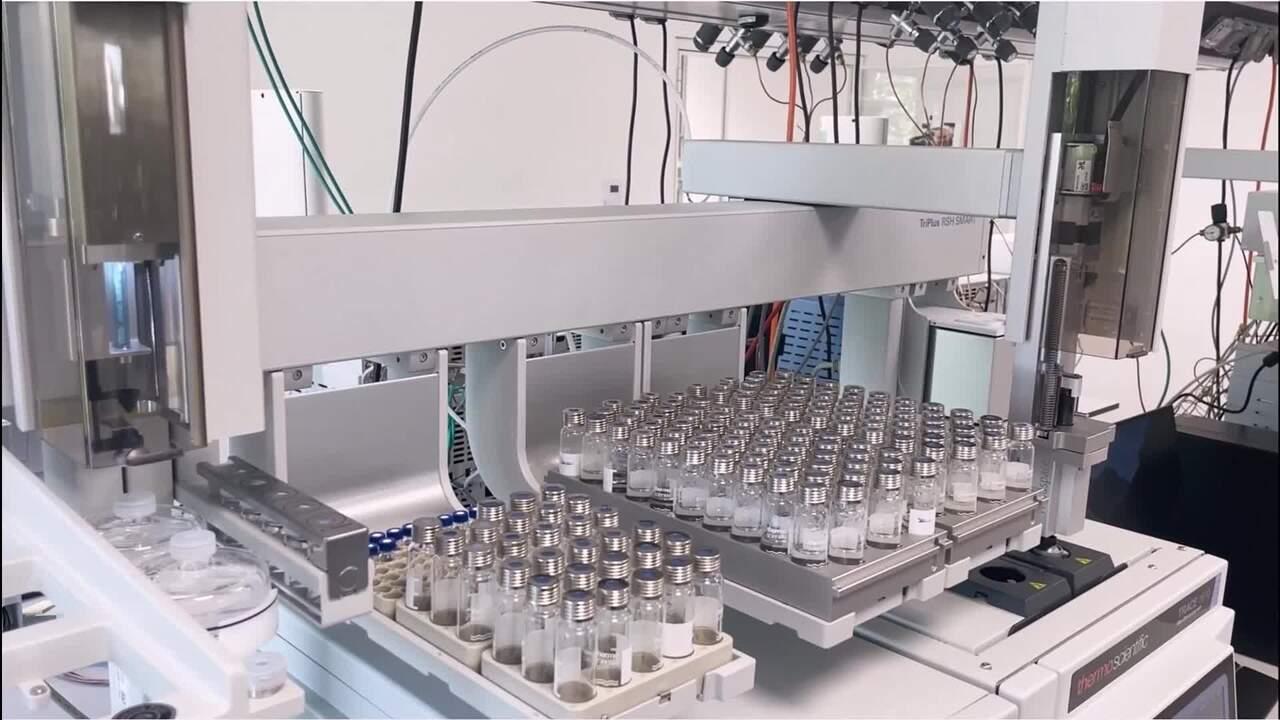
Automate sample handling with the TriPlus RSH SMART Autosampler
Before a sample can be analyzed by gas chromatography (GC) or gas chromatography-mass spectrometry (GC-MS), it needs to be prepared using a multi-step process that helps make it amenable for analysis. The sample preparation process can also be used to enrich for analytes and increase sensitivity or simply prepare standard solutions for instrument calibration.
Sample preparation steps, which can account for more than 60% of the time spent on chromatographic analysis, generally include extraction, clean-up, dilution, standard addition, derivatization, mixing, and heating. The Thermo Scientific TriPlus RSH SMART Autosampler and TriPlus RSH Sampling Workflow Editor can eliminate the sample preparation bottleneck in GC and GC-MS analytical workflows for a variety of analytical applications using a robotic autosampler platform capable of combining highly versatile sample introduction with automated sample preparation procedures
Gain control of your Autosampler
Let the robotic capabilities of the TriPlus RSH SMART Autosampler perform daily sample preparation workflows for you, including:
- sequential dilution
- calibration dilution
- standard addition
- sample derivatization
- heating/mixing
- vortexing at ambient temperature
- ambient temperature headspace*
- ambient temperature SPME*
- µSPE clean-up

Error-free sample handling
Automatic Tool Change (ATC) provides the foundation for automated basic and advanced sample handling and sample preparation procedures, with up to six interchangeable syringe tools to execute the most complex workflows. Additional modules are available to reliably automate the most common sample preparation procedures, including dilution, standard addition, heating, vortexing and more.
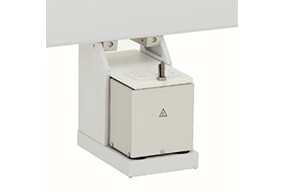
Agitator and Heated Oven
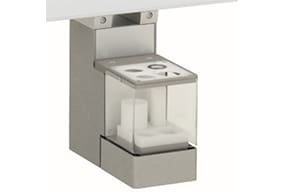
Vortex for Intensive Sample Mix
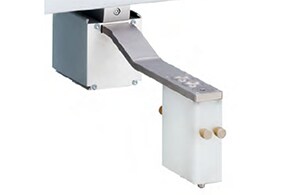
Fast Wash Station
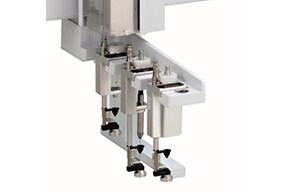
Automatic Tool Change
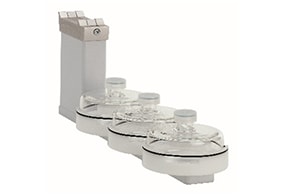
Large Solvent Station
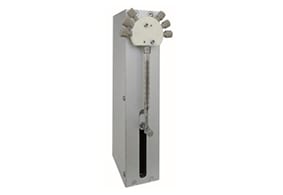
Dilutor With Large Reservoir
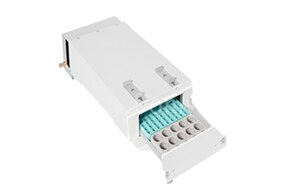
Peltier Heating or Cooling of Samples
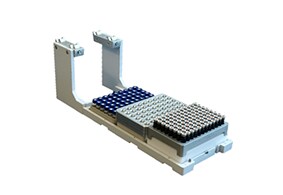
microSPE tray
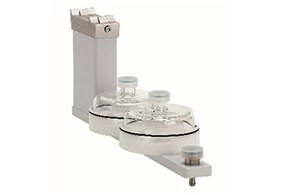
Large Wash Station
TriPlus RSH SMART VOC Sample Prep Station
Streamline Volatile Organic Compounds (VOC) headspace analysis with automated internal standard addition for repeatable results in compliance with official regulations. Automate calibration standard preparation and internal standard addition just before sample incubation to maintain cycle time optimization, with the Thermo Scientific TriPlus RSH SMART in the dedicated dual-head configuration.
Remove manual operations uncertainty and benefit from enhanced data precision and higher confidence for quantitative results. Experience ppt level sensitivity for VOC in water samples when coupled with the Thermo Scientific ISQ 7610 Single Quadrupole GC-MS.
Resources
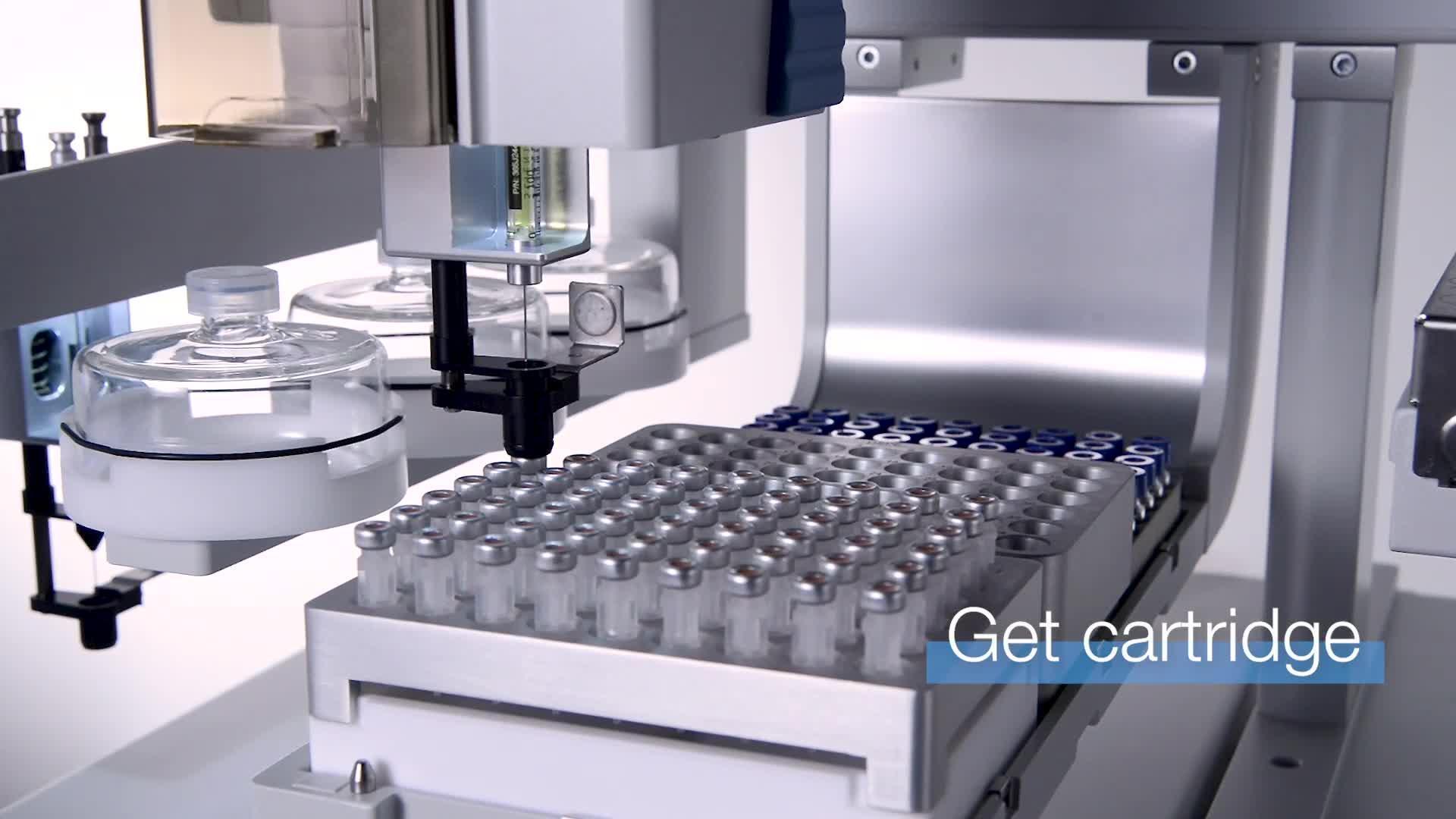
µSPE Clean-up Tool for TriPlus RSH and TriPlus RSH SMART Autosamplers
Helping laboratories achieve reliable, high-throughput GC-MS analysis of pesticides, the automated cartridge-based micro Solid Phase Extraction (µSPE) Clean-up Tool for QuEChERS extracts is available for the TriPlus RSH and TriPlus RSH SMART Autosamplers. This tool offers a fully automated on-line approach for clean-up of QuEChERS extracts and replaces the manual dispersive SPE procedure. Suitable for a wide variety of food matrices, even those with high lipid content, the µSPE tool offers a unified method for GC-MS analysis of hundreds of pesticides and organic contaminants. Using a miniaturized cartridge, this tool also reduces sample volume and solvent usage.
Resources
Articles
Automated workflow solutions for MCPDe
Monochloropropane-1,2-diols (MCPD), such as 3-MCPD, 2-MCPD and glycidyl fatty acid esters, are the most common of the chemical food contaminants known as chloropropanols. They can be found in edible oils, where they are generated at high temperatures during refining processes, resulting in a contaminated product.
Automated workflow solutions for MCPDe sample prep enable simplified determination of these contaminants. The automated sample prep workflow uses the TriPlus RSH SMART Autosampler in combination with Thermo Scientific SureSTART GOLD-Grade Glass Vials and magnetic caps for vial transportation. We offer methods that will meet both your current needs and your future requirements.

Resources
In-vial liquid-liquid extraction
The determination of semivolatile organic contaminants, such as pesticides, PAHs, PCBs, and OCBs in water-based matrices, is often based on liquid-liquid extractions (LLEs) combined with concentration by evaporating the organic solvent followed by analysis with capillary gas chromatography.
Automating the liquid-liquid extraction workflow minimizes cost and effort by reducing sample and solvent consumption. Combining automated in-vial LLE with large-volume injection and a highly sensitive GC-MS/MS system enables the detection of different classes of contaminants at ultra-low levels on a single analytical system. This automated workflow reduces sample handling time and improves laboratory safety by requiring less handling of samples and solvents.

Liquid-liquid extraction sample prep using an automated workflow with the TriPlus RSH SMART Autosampler and TriPlus RSH Sampling Workflow Editor.
Resources
Automated workflow solutions for FAMEs
Fatty acid analysis is common in many industries, but particularly in the food industry. These analyses provide critical information on the nutritional properties of fatty foods, as well as the quality and trading value of vegetable oils. Although gas chromatography is the predominant technique used to analyze fatty acids, GC analysis requires transforming the fatty acids into more volatile, nonpolar derivatives. One way this is commonly done is to convert the fatty acids in the corresponding methyl esters (FAMEs) to ensure compatibility and improved separation with gas chromatography. It is a two-step process involving the saponification of the triglycerides followed by esterification of the free fatty acids. Automating the entire workflow reduces the human exposure to hazardous chemicals, reduces solvent consumption and increases sample throughput while offering high precision, better recoveries, and more accurate calibration than manual procedures.

FAMEs sample prep using an automated workflow with the TriPlus RSH SMART Autosampler and TriPlus RSH Sampling Workflow Editor.
Resources
Maximize sample performance
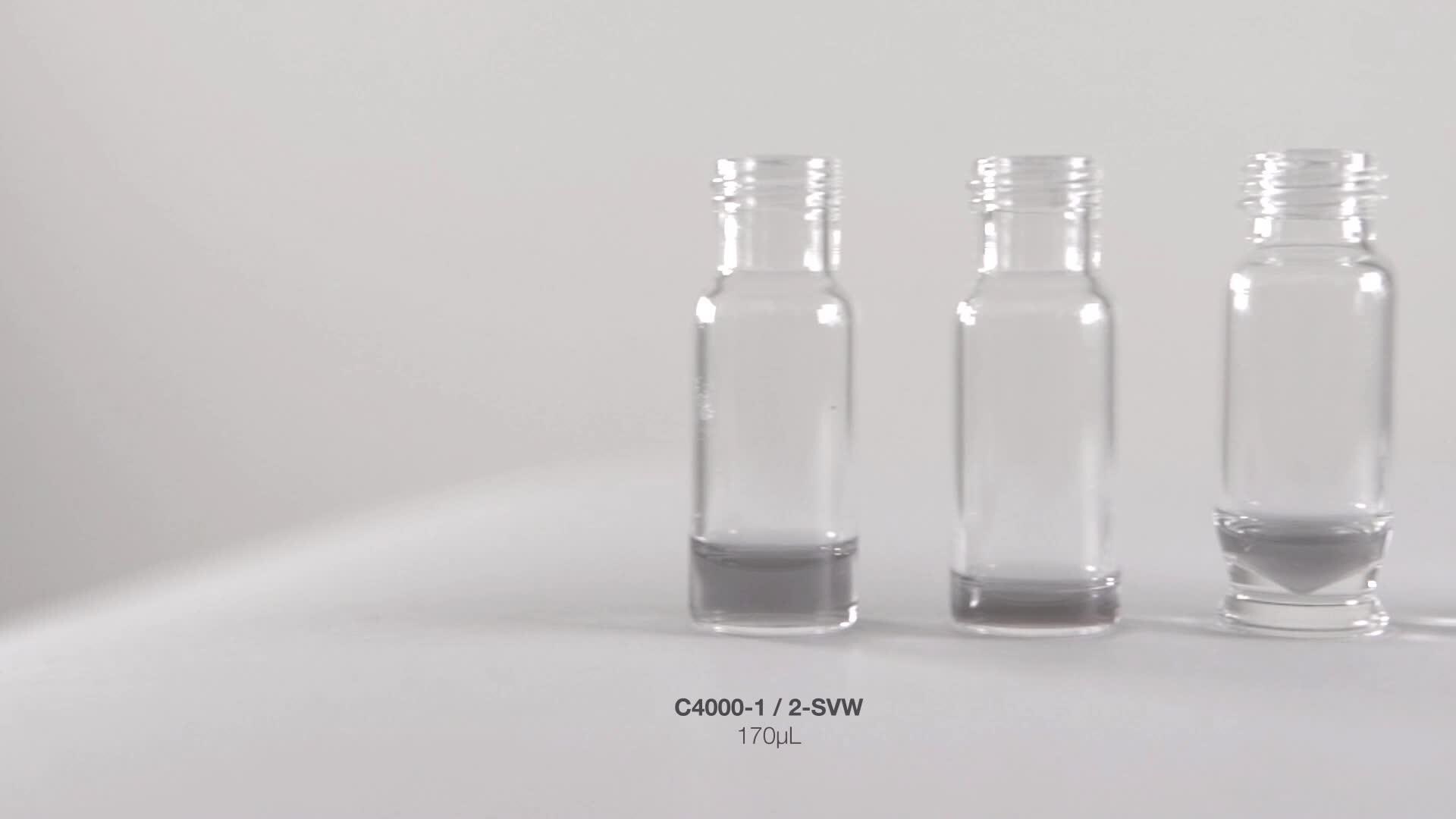
Increasingly sensitive chromatography and mass spectrometry systems demand reliable vials that can routinely deliver the highest purity and the lowest surface activity possible. Only the highest quality glass vials can deliver the sample security and data integrity that are paramount in trace analysis.
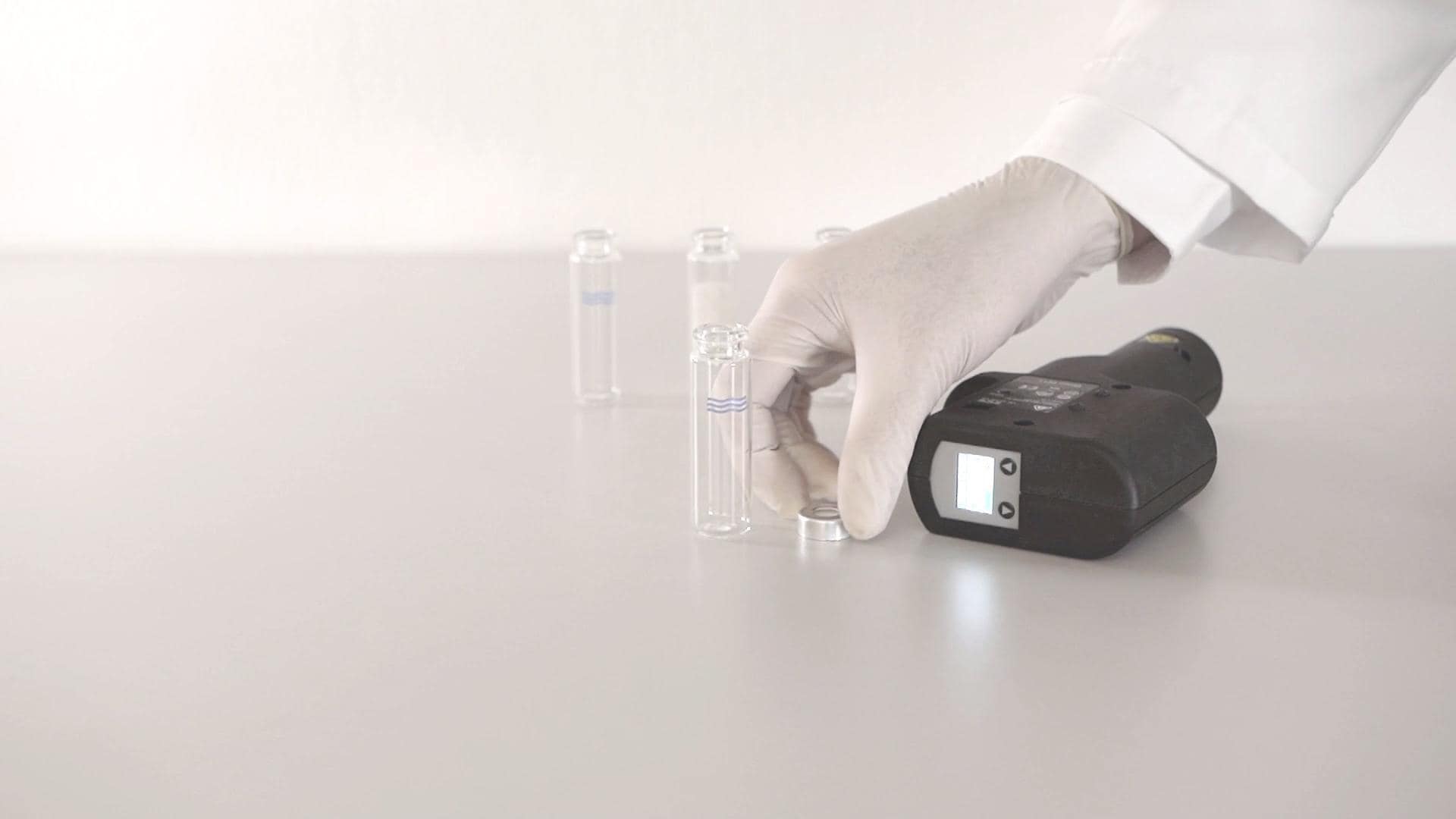
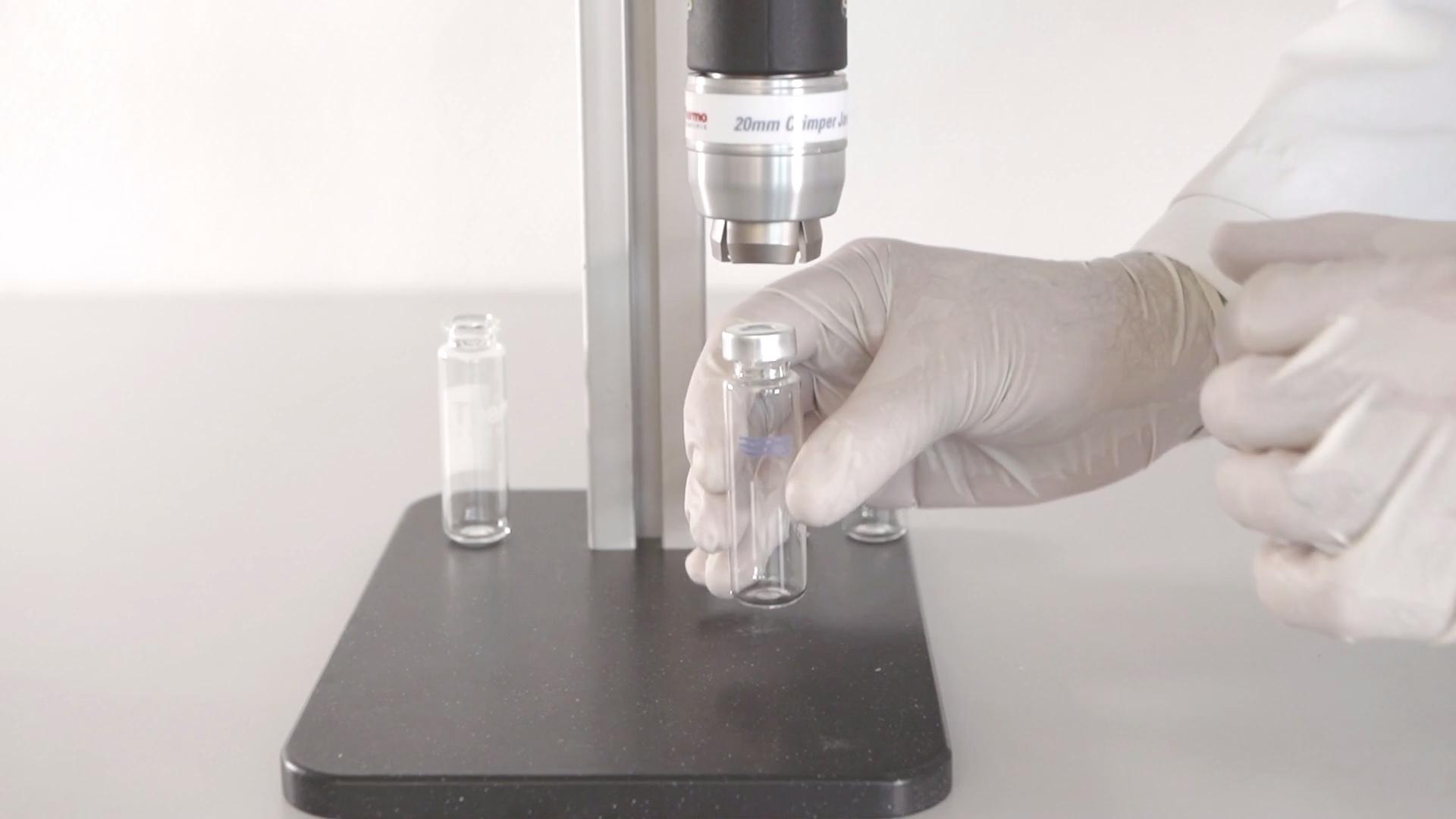
Maximize your sample performance and perform more successful assays with the Thermo Scientific SureSTART performance level 3 GOLD-grade glass vials, 9 mm magnetic screw caps and 11 mm magnetic crimp caps.
Looking for your Thermo Scientific Chromacol, National Scientific and SunSri new part number? Use the consumables cross reference tool to find the SureSTART collection equivalent. Search now ›
Resources
TriPlus RSH SMART VOC Sample Prep Station
Streamline Volatile Organic Compounds (VOC) headspace analysis with automated internal standard addition for repeatable results in compliance with official regulations. Automate calibration standard preparation and internal standard addition just before sample incubation to maintain cycle time optimization, with the Thermo Scientific TriPlus RSH SMART in the dedicated dual-head configuration.
Remove manual operations uncertainty and benefit from enhanced data precision and higher confidence for quantitative results. Experience ppt level sensitivity for VOC in water samples when coupled with the Thermo Scientific ISQ 7610 Single Quadrupole GC-MS.
Resources
µSPE Clean-up Tool for TriPlus RSH and TriPlus RSH SMART Autosamplers
Helping laboratories achieve reliable, high-throughput GC-MS analysis of pesticides, the automated cartridge-based micro Solid Phase Extraction (µSPE) Clean-up Tool for QuEChERS extracts is available for the TriPlus RSH and TriPlus RSH SMART Autosamplers. This tool offers a fully automated on-line approach for clean-up of QuEChERS extracts and replaces the manual dispersive SPE procedure. Suitable for a wide variety of food matrices, even those with high lipid content, the µSPE tool offers a unified method for GC-MS analysis of hundreds of pesticides and organic contaminants. Using a miniaturized cartridge, this tool also reduces sample volume and solvent usage.
Resources
Articles
Automated workflow solutions for MCPDe
Monochloropropane-1,2-diols (MCPD), such as 3-MCPD, 2-MCPD and glycidyl fatty acid esters, are the most common of the chemical food contaminants known as chloropropanols. They can be found in edible oils, where they are generated at high temperatures during refining processes, resulting in a contaminated product.
Automated workflow solutions for MCPDe sample prep enable simplified determination of these contaminants. The automated sample prep workflow uses the TriPlus RSH SMART Autosampler in combination with Thermo Scientific SureSTART GOLD-Grade Glass Vials and magnetic caps for vial transportation. We offer methods that will meet both your current needs and your future requirements.
Resources
In-vial liquid-liquid extraction
The determination of semivolatile organic contaminants, such as pesticides, PAHs, PCBs, and OCBs in water-based matrices, is often based on liquid-liquid extractions (LLEs) combined with concentration by evaporating the organic solvent followed by analysis with capillary gas chromatography.
Automating the liquid-liquid extraction workflow minimizes cost and effort by reducing sample and solvent consumption. Combining automated in-vial LLE with large-volume injection and a highly sensitive GC-MS/MS system enables the detection of different classes of contaminants at ultra-low levels on a single analytical system. This automated workflow reduces sample handling time and improves laboratory safety by requiring less handling of samples and solvents.
Liquid-liquid extraction sample prep using an automated workflow with the TriPlus RSH SMART Autosampler and TriPlus RSH Sampling Workflow Editor.
Resources
Automated workflow solutions for FAMEs
Fatty acid analysis is common in many industries, but particularly in the food industry. These analyses provide critical information on the nutritional properties of fatty foods, as well as the quality and trading value of vegetable oils. Although gas chromatography is the predominant technique used to analyze fatty acids, GC analysis requires transforming the fatty acids into more volatile, nonpolar derivatives. One way this is commonly done is to convert the fatty acids in the corresponding methyl esters (FAMEs) to ensure compatibility and improved separation with gas chromatography. It is a two-step process involving the saponification of the triglycerides followed by esterification of the free fatty acids. Automating the entire workflow reduces the human exposure to hazardous chemicals, reduces solvent consumption and increases sample throughput while offering high precision, better recoveries, and more accurate calibration than manual procedures.
FAMEs sample prep using an automated workflow with the TriPlus RSH SMART Autosampler and TriPlus RSH Sampling Workflow Editor.
Resources
Maximize sample performance
Increasingly sensitive chromatography and mass spectrometry systems demand reliable vials that can routinely deliver the highest purity and the lowest surface activity possible. Only the highest quality glass vials can deliver the sample security and data integrity that are paramount in trace analysis.
Maximize your sample performance and perform more successful assays with the Thermo Scientific SureSTART performance level 3 GOLD-grade glass vials, 9 mm magnetic screw caps and 11 mm magnetic crimp caps.
Looking for your Thermo Scientific Chromacol, National Scientific and SunSri new part number? Use the consumables cross reference tool to find the SureSTART collection equivalent. Search now ›
Resources



Chromatography consumables now available to order online!
Ordering your columns and other chromatography consumables is now easier than ever.
Once you have set up an online account, simply add your favourite chromatography consumables to your basket, check out online and have your items delivered straight to your door.
Speak to a Sales Specialist
Please complete the form below to request for a specialist or sales representative to contact you.