Search
Invitrogen
CD146 Monoclonal Antibody (OJ79c), FITC
{{$productOrderCtrl.translations['antibody.pdp.commerceCard.promotion.promotions']}}
{{$productOrderCtrl.translations['antibody.pdp.commerceCard.promotion.promocode']}}: {{promo.promoCode}} {{promo.promoTitle}} {{promo.promoDescription}}. {{$productOrderCtrl.translations['antibody.pdp.commerceCard.promotion.learnmore']}}
{{$ctrl.translations['antibody.pdp.skuNotes.additionalInformation']}}:
产品信息
MA1-35910
应用
建议稀释比
已发表文章
产品规格
种属反应
Dog,
Human,
Pig
已发表种属
Human
宿主/亚型
Mouse
/ IgG1
分类
Monoclonal
类型
Antibody
克隆号
OJ79c
抗原
Recombinant human MUC18 (D1-D5) Fc protein.
偶联物
FITC
FITC
FITC
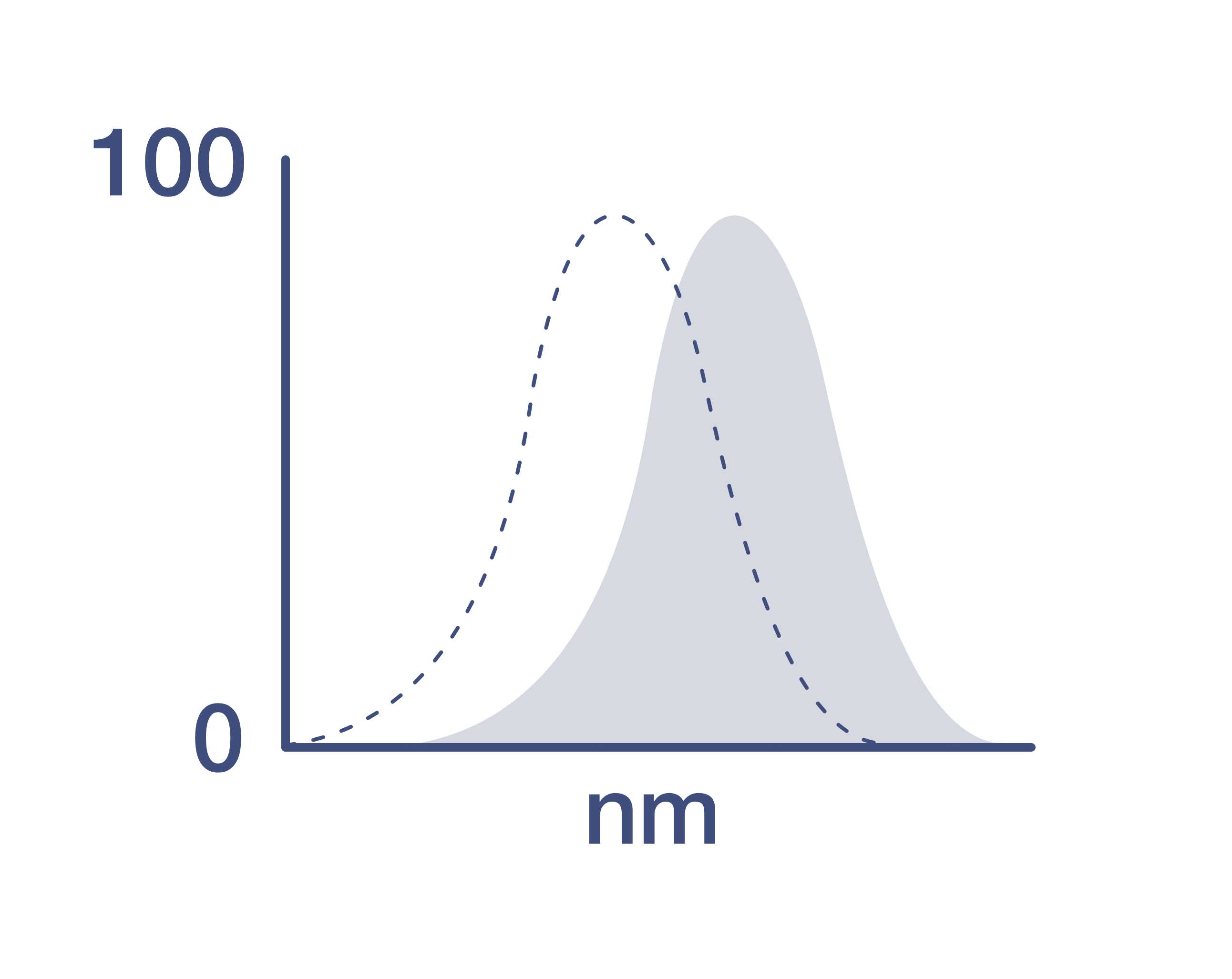
激发/发射光谱
498/517 nm
查看光谱
形式
Liquid
浓度
0.1 mg/mL
规格
100 µg
纯化类型
purified
保存液
PBS with 1% BSA
内含物
0.09% sodium azide
保存条件
4°C, store in dark
运输条件
Ambient (domestic); Wet ice (international)
RRID
产品详细信息
OJ79c recognizes human Cell surface glycoprotein MUC18, also known as CD146, Cell surface glycoprotein P1H12, Melanoma cell adhesion molecule (MCAM) or S-endo 1 endothelial-associated antigen. CD146 is a 646 amino acid single pass type 1 transmembrane glycoprotein with a calculated molecular mass of ~72 kDa. However due to extensive N-linked glycosylation CD146 migrates in polyacrylamide gels with an apparent molecular mass of ~118 kDa. CD146 is a member of the immunoglobulin superfamily bearing 2 V-type Ig-like and 3 C-type Ig-like domains. CD146 is expressed by all endothelial cells and by melanoma cells and appears to act as an adhesion molecule (UniProt: P43121). Expression in melanoma may be linked to tumor progression (Lehmann et al. 1989).Mouse anti Human CD146 antibody, clone OJ79c is highly expressed on pericytes and has been utilized for the identification of perivascular mesenchymal precursor cells from cardiac muscle using flow cytometry (Chen et al. 2014).
靶标信息
CD146, also known as MCAM (Melanoma Cell Adhesion Molecule), is an integral membrane glycoprotein belonging to the immunoglobulin superfamily. It is heavily glycosylated, with more than 50% of its mass derived from carbohydrates. CD146 is primarily expressed on endothelial cells at cell-cell junctions, playing a crucial role in cell adhesion and the cohesion of the endothelial monolayer in vascular tissue. In addition to endothelial cells, CD146 is expressed on bone marrow fibroblasts, mesenchymal stromal cells, endometrial stromal cells, and some tumors, particularly melanoma. It has also been observed on a subset of circulating T cells and activated lymphocytes, but not on circulating endothelial cells, as indicated by the absence of other endothelial markers such as CD31 and CD51/61. CD146 functions as a calcium-independent cell adhesion molecule and may also act as a signal transduction molecule. It is involved in the recruitment of Fyn kinase and the subsequent tyrosine phosphorylation of intracellular proteins, which are important for actin cytoskeleton assembly. This signaling role includes triggering tyrosine phosphorylation of FYN and PTK2 and causing a transient increase in intracellular calcium concentration. In the context of cancer, CD146 expression may facilitate the interaction of melanoma cells with the vascular system, enhancing hematogenous tumor spread. Additionally, CD146 could serve as an adhesion molecule active in neural crest cells during embryonic development, highlighting its diverse roles in both normal physiological processes and disease states.
仅用于科研。不用于诊断过程。未经明确授权不得转售。
How to use the Panel Builder
Watch the video to learn how to use the Invitrogen Flow Cytometry Panel Builder to build your next flow cytometry panel in 5 easy steps.
生物信息学
蛋白别名: CD146; cell surface glycoprotein P1H12; Gicerin; melanoma adhesion molecule; melanoma-associated antigen A32; melanoma-associated antigen MUC18; P1H12 antigen; S-endo 1 endothelial-associated antigen; unnamed protein product
基因别名: CD146; HEMCAM; MelCAM; METCAM; MUC18
UniProt ID: (Human) P43121
Entrez Gene ID: (Human) 4162, (Pig) 733617, (Dog) 489368
Disclaimer

Clicking the images or links will redirect you to a website hosted by BenchSci that provides third-party scientific content. Neither the content nor the BenchSci technology and processes for selection have been evaluated by us; we are providing them as-is and without warranty of any kind, including for use or application of the Thermo Fisher Scientific products presented.

