Search
Invitrogen
CD44 Monoclonal Antibody (IM7), eVolve™ 605, eBioscience™
{{$productOrderCtrl.translations['antibody.pdp.commerceCard.promotion.promotions']}}
{{$productOrderCtrl.translations['antibody.pdp.commerceCard.promotion.promocode']}}: {{promo.promoCode}} {{promo.promoTitle}} {{promo.promoDescription}}. {{$productOrderCtrl.translations['antibody.pdp.commerceCard.promotion.learnmore']}}
{{$ctrl.translations['antibody.pdp.skuNotes.additionalInformation']}}:
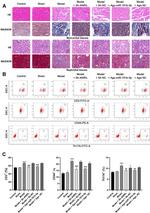
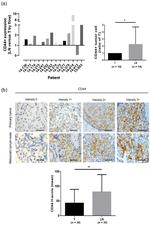
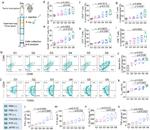
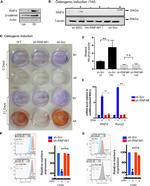
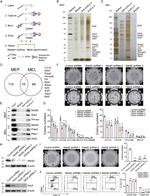
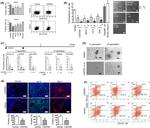
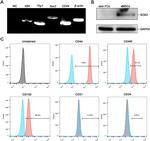
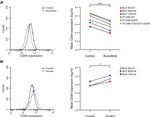
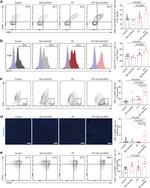
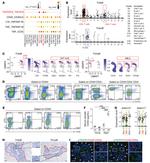
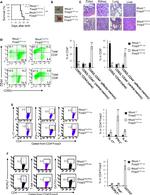
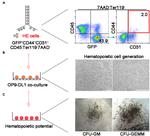
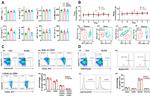
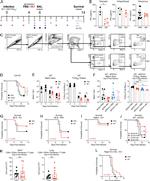
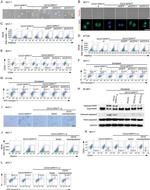
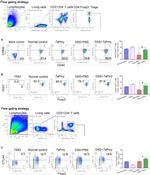

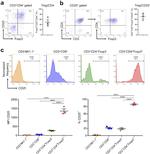
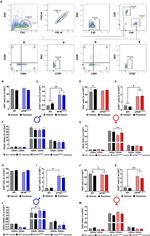
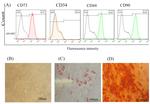
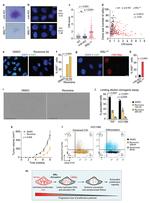
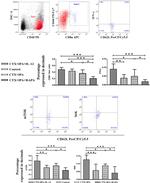
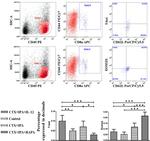
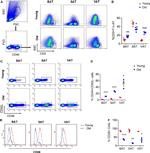
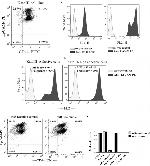
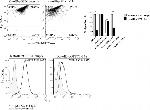
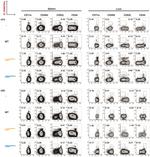
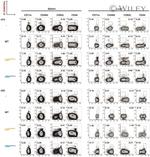
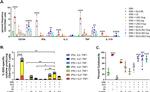

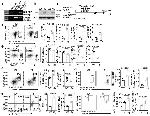
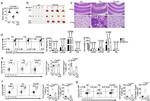
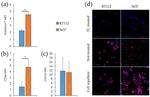
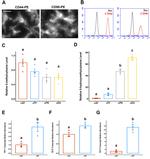
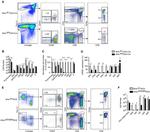
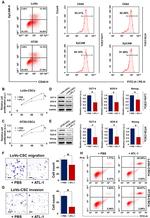
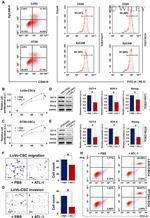
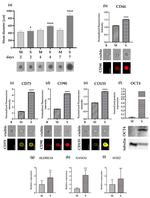
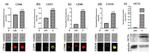
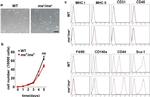
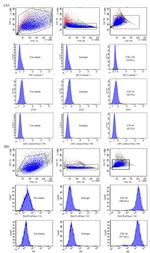
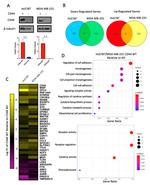
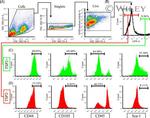
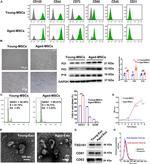
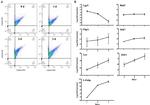
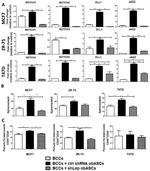
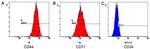
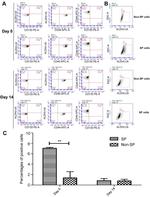
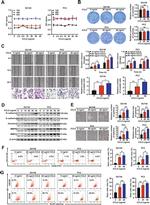
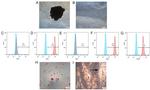
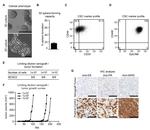

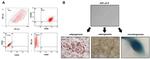
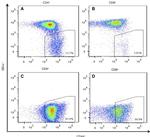
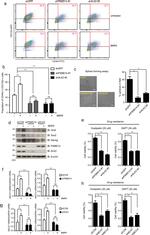
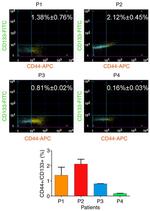
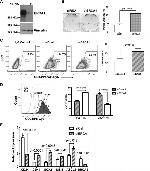
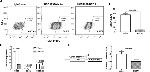
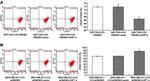
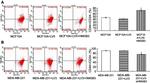
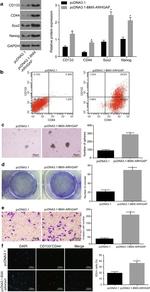
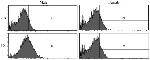
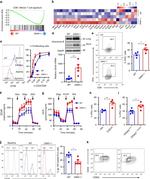
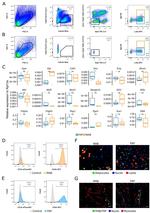
Please note: We are reviewing Western blot images included in the antibody testing data in our catalog, including those provided by third parties. Unless expressly labeled or annotated as “raw-unedited”, Western blot images included in the antibody testing data in our catalog may have been edited, optimized or otherwise adjusted for presentation.







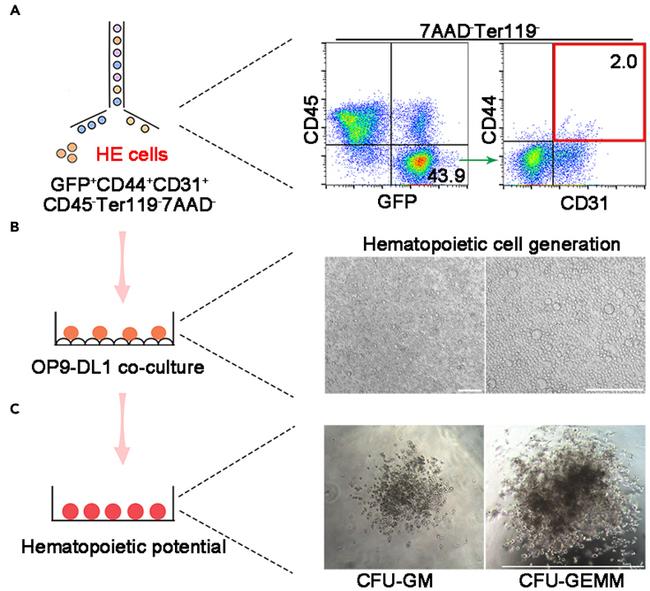

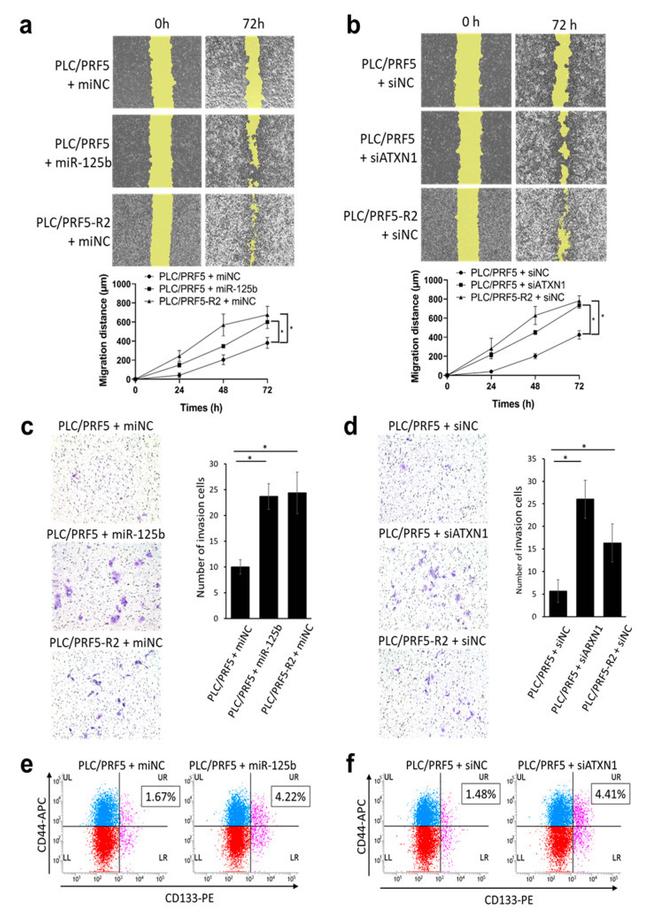
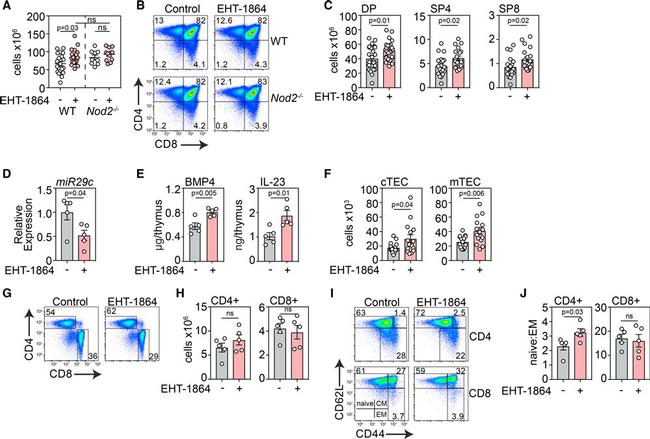

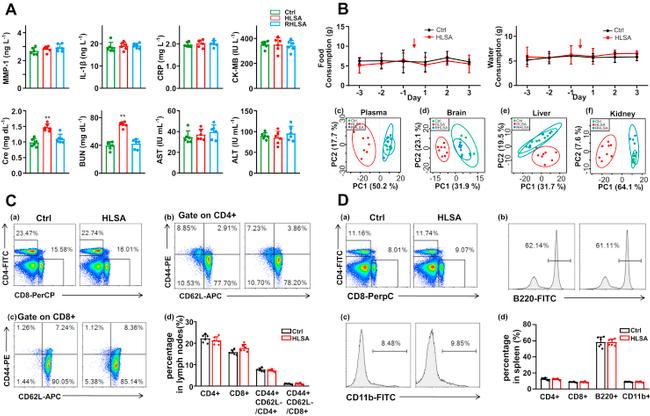








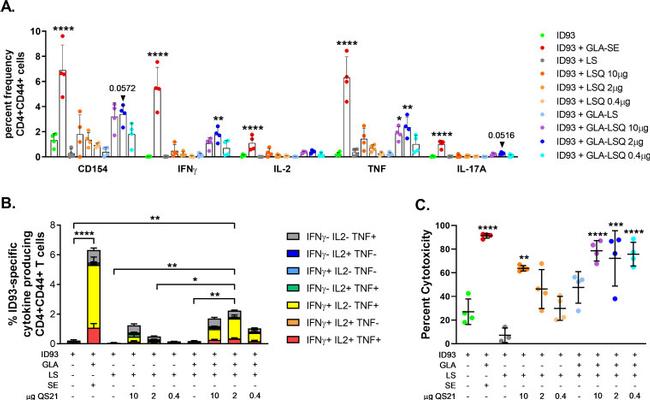
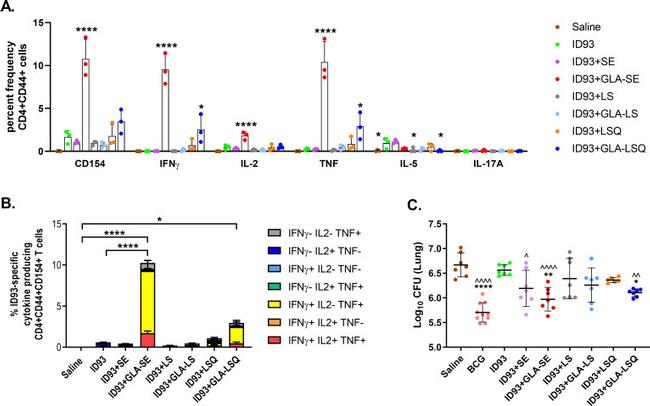

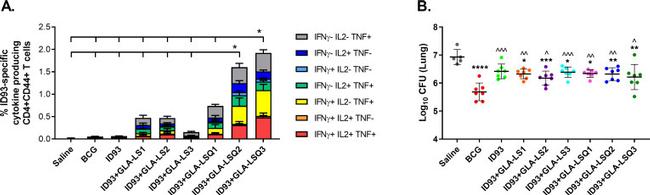

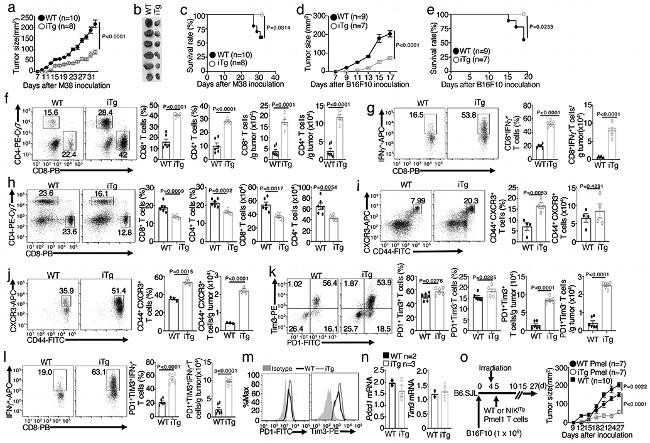
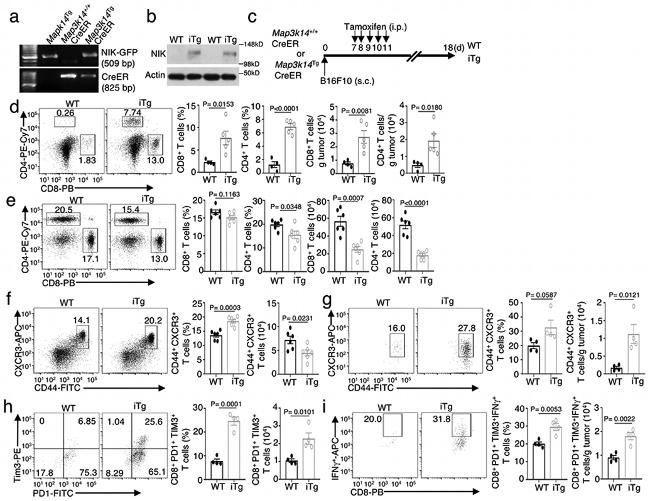
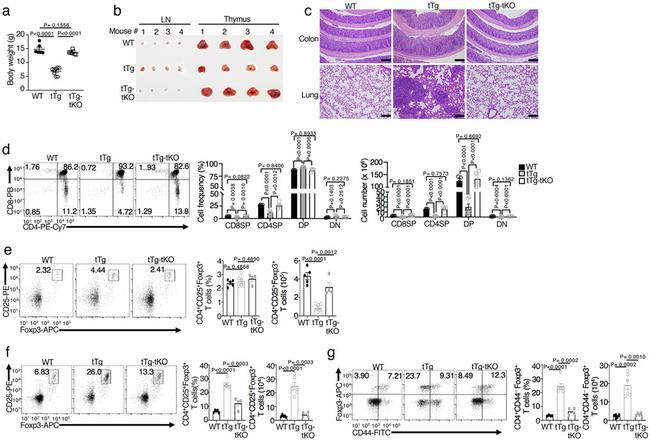
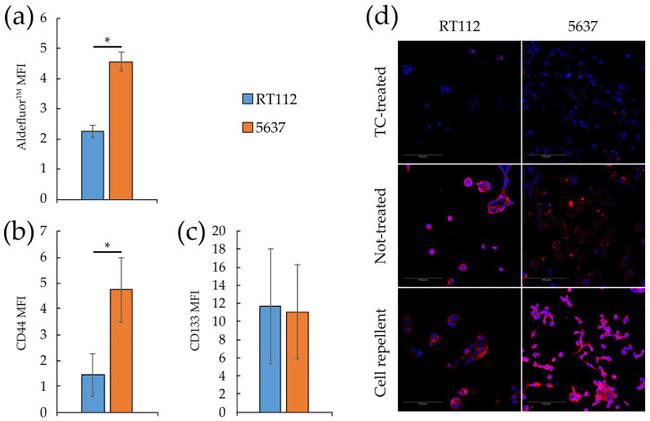

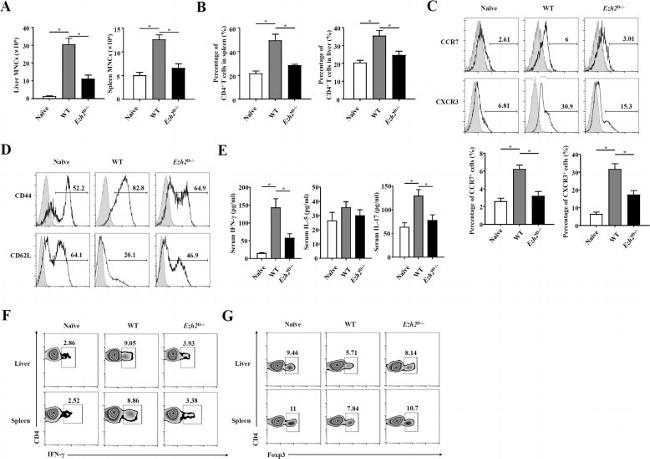

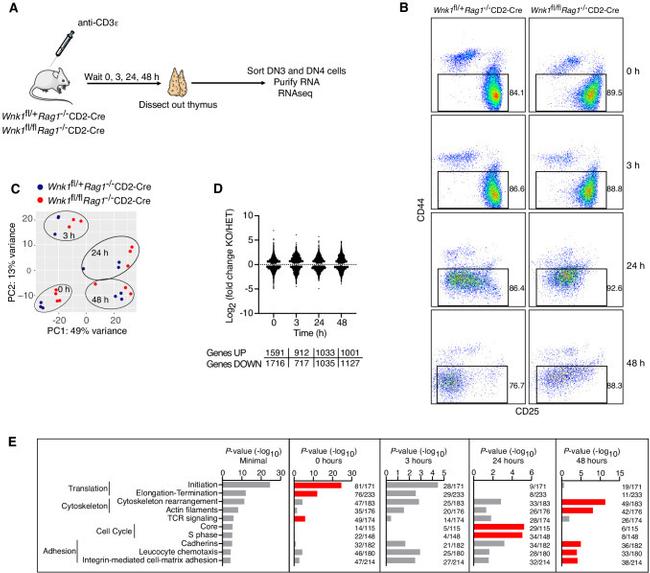


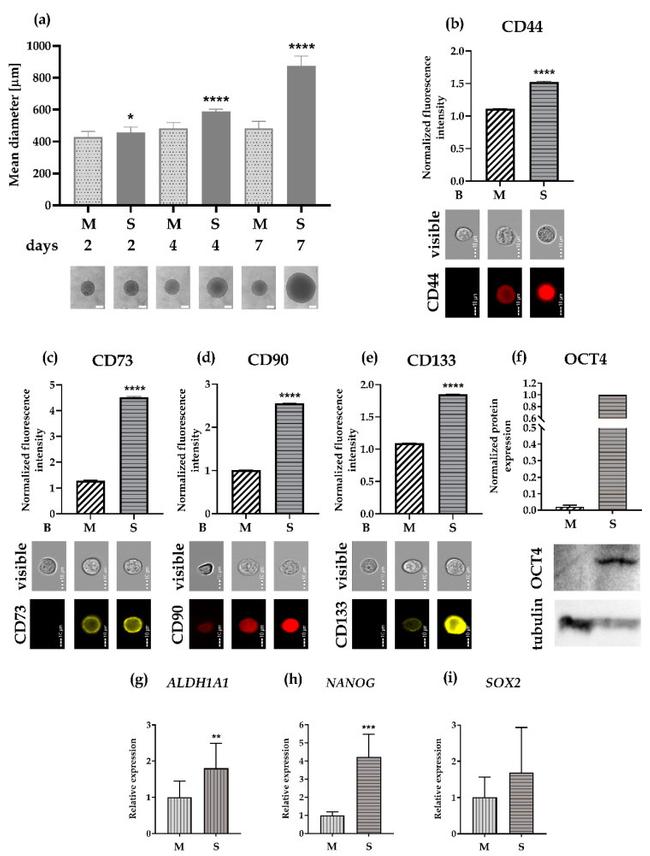


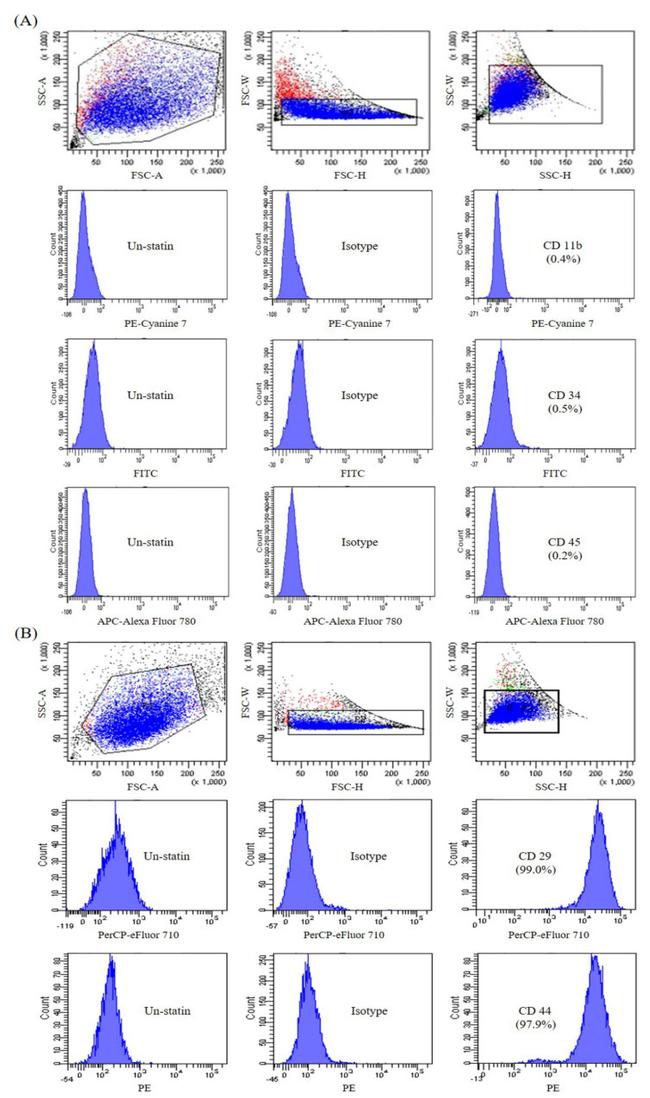
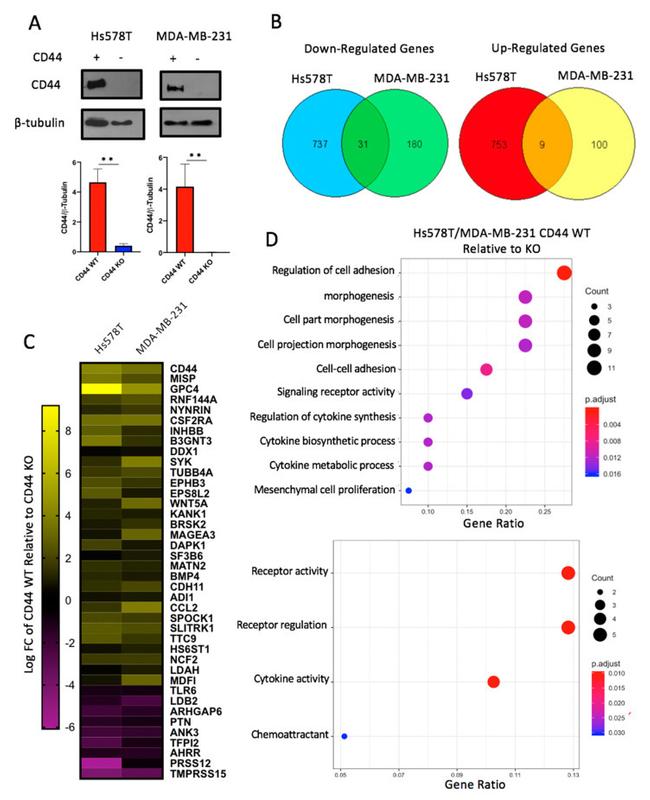










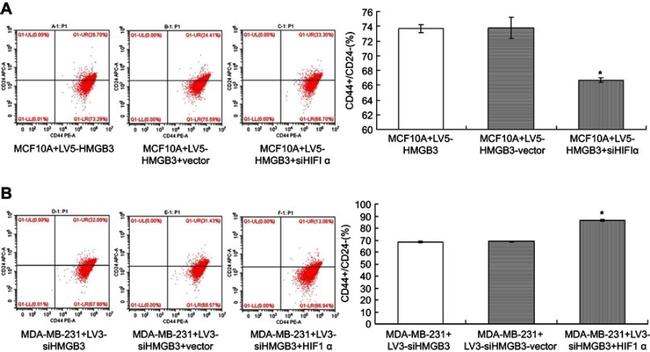

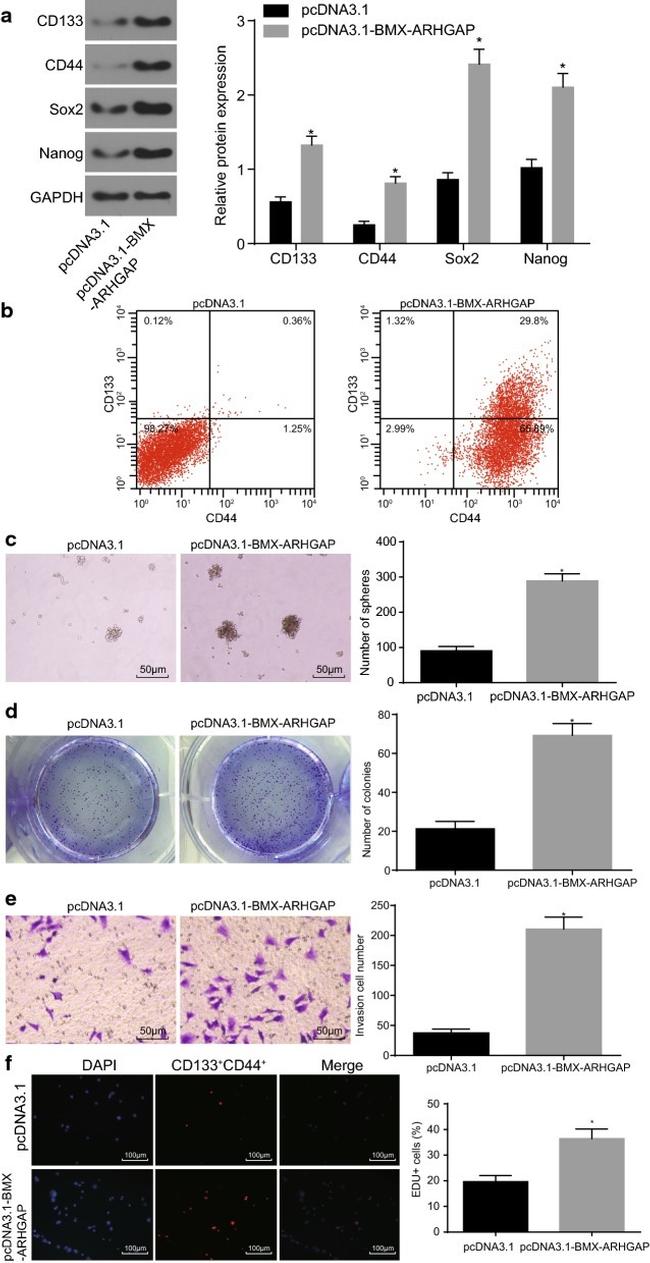
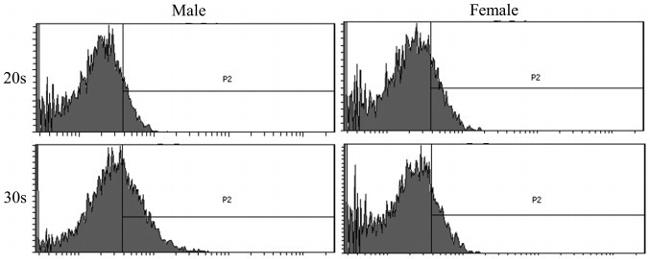
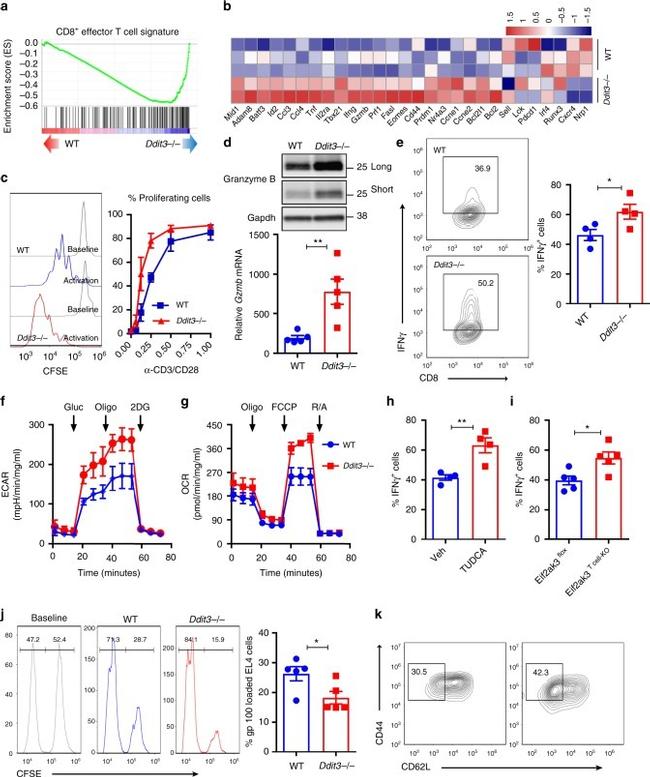

产品信息
83-0441-42
产品规格
宿主/亚型
Rat
/ IgG2b, kappa
分类
Monoclonal
类型
Antibody
克隆号
IM7
偶联物
eVolve™ 605
eVolve™ 605
eVolve™ 605
形式
Liquid
浓度
5 µL/Test
保存条件
4°C, store in dark, DO NOT FREEZE!
运输条件
Wet ice
RRID
产品详细信息
Notice: The eVolve™ line of antibody conjugates will be discontinued at the end of February, 2018 and replaced with our improved Invitrogen™ eBioscience™ Super Bright conjugated antibodies for flow cytometry. Individual eVovle catalog numbers will become unavailable as inventory depletes. This item has a corresponding Super Bright 600 format available - please see Product # 63-0441-42. We will continue to offer a selection of Qdot conjugated antibodies.
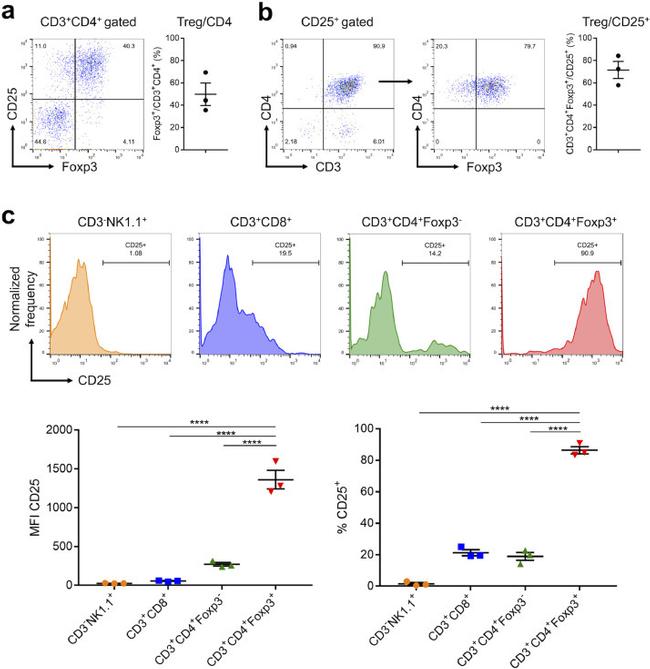
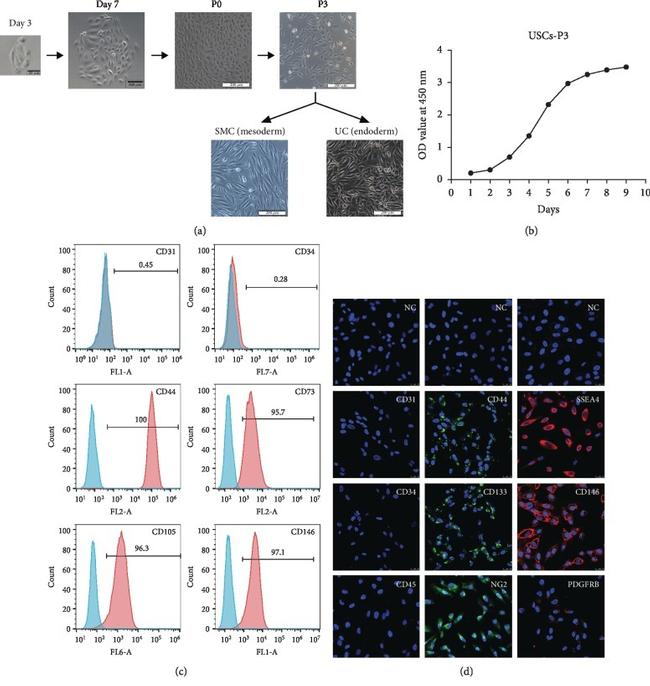
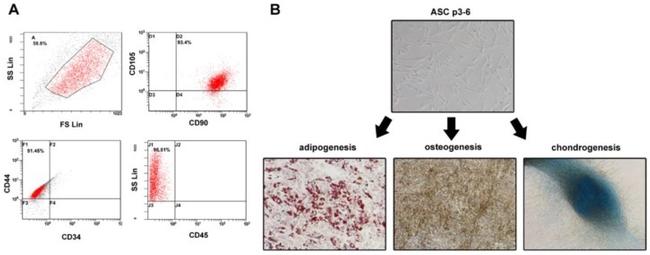
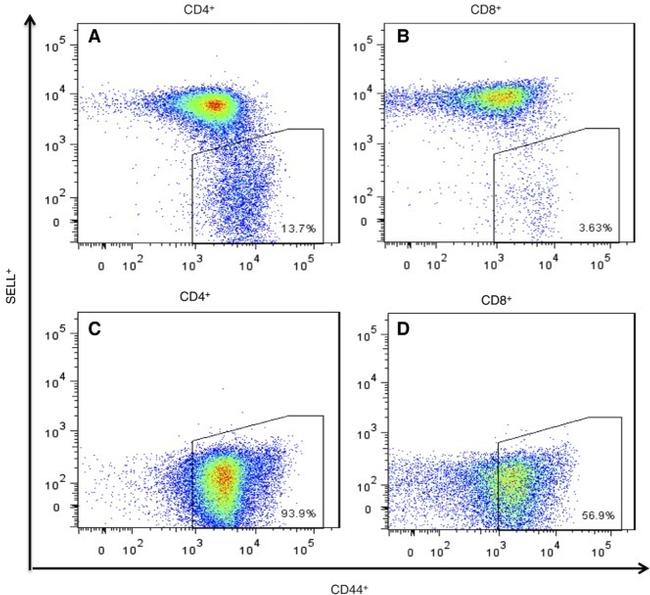
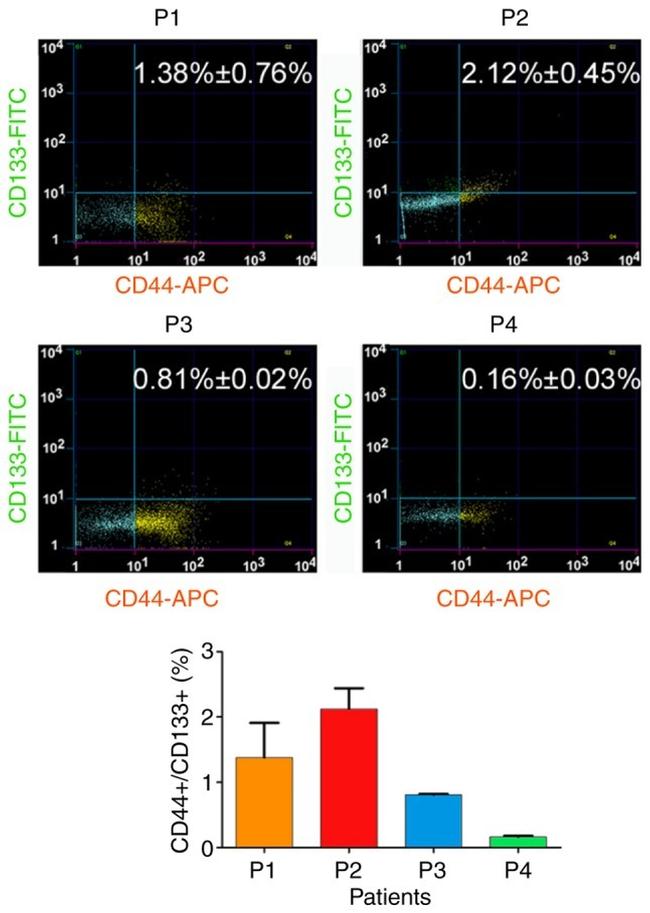
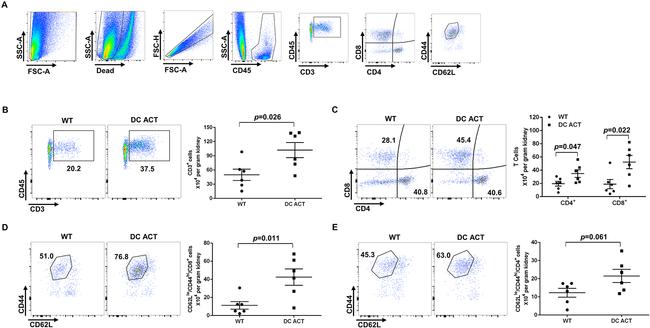
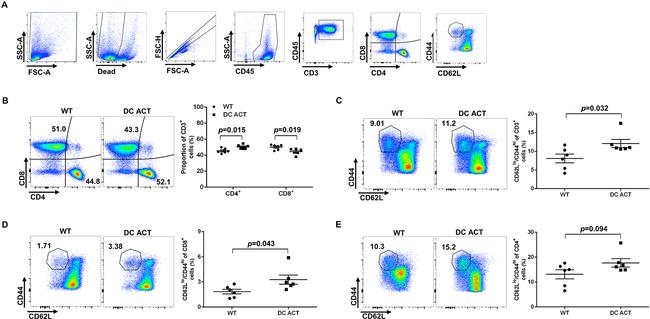
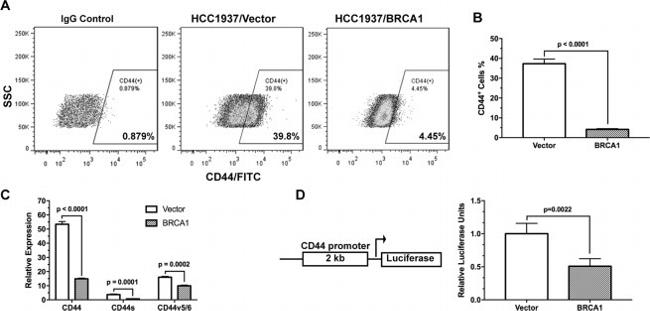
Description: The IM7 monoclonal antibody reacts with all isoforms of mouse CD44 (Pgp-1). CD44 is expressed by hematopoietic and non-hematopoietic cells. Bone marrow myeloid cells and memory T cells highly express this antigen and peripheral B and T cells can upregulate the expression of CD44. CD44 functions as an adhesion molecule through its binding to hyaluronate, an extracellular matrix component.
Applications Reported: This IM7 antibody has been reported for use in flow cytometric analysis.
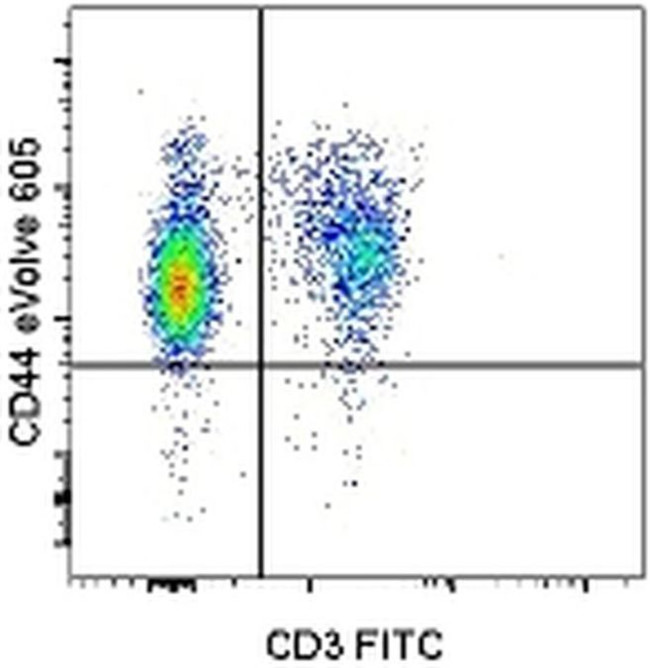
Applications Tested: This IM7 antibody has been pre-titrated and tested by flow cytometric analysis of mouse splenocytes. This can be used at 5 µL per test. A test is defined as the amount of antibody that will stain a cell sample in a final volume of 100 µL. Cell number should be determined empirically but can range from 10^5 to 10^8 cells/test.
For best results when using antibodies conjugated to eVolve™, we recommend a quick spin of the vial before use and avoid touching the bottom of the vial with the pipet tip.
Laser/Filter Recommendation: eVolve™ 605 can be optimally excited with laser lines from 325-405 nm, and emits near 610 nm. We recommend using the violet (405 nm) laser line for excitation and a 595LP with a 605/40 or 610/20 bandpass filter, or equivalent, for detection.
Fixation Recommendation: Antibodies conjugated to eVolve™ are compatible with eBioscience's fixation and permeabilization buffers.
Excitation: 350-590 nm; Emission: 605 nm; Laser: Ultraviolet Laser, Violet Laser
Storage and handling: For best results when using antibodies conjugated to eVolve™, we recommend a quick spin of the vial before use and avoid touching the bottom of the vial with the pipet tip.
靶标信息
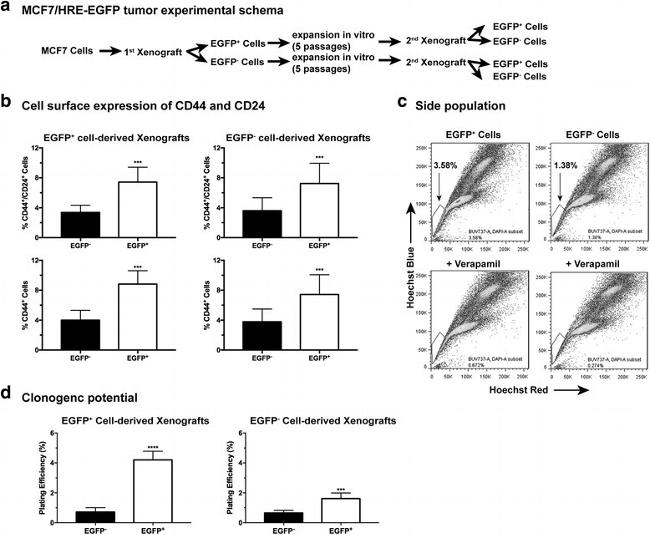
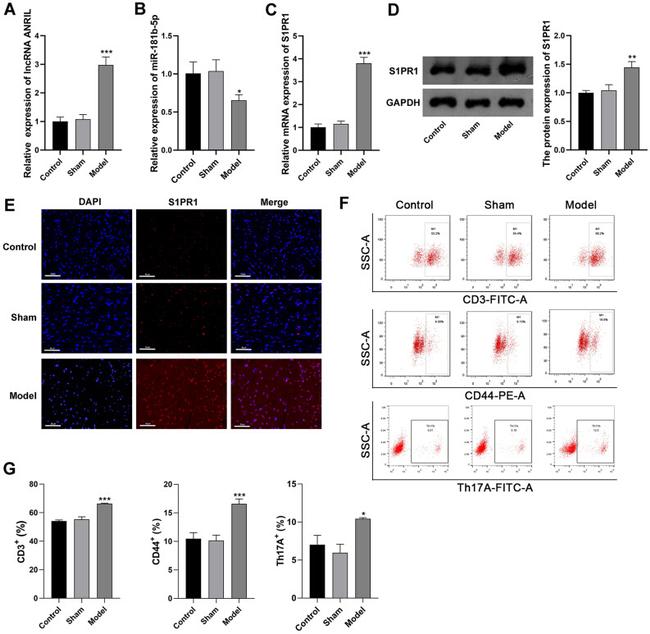
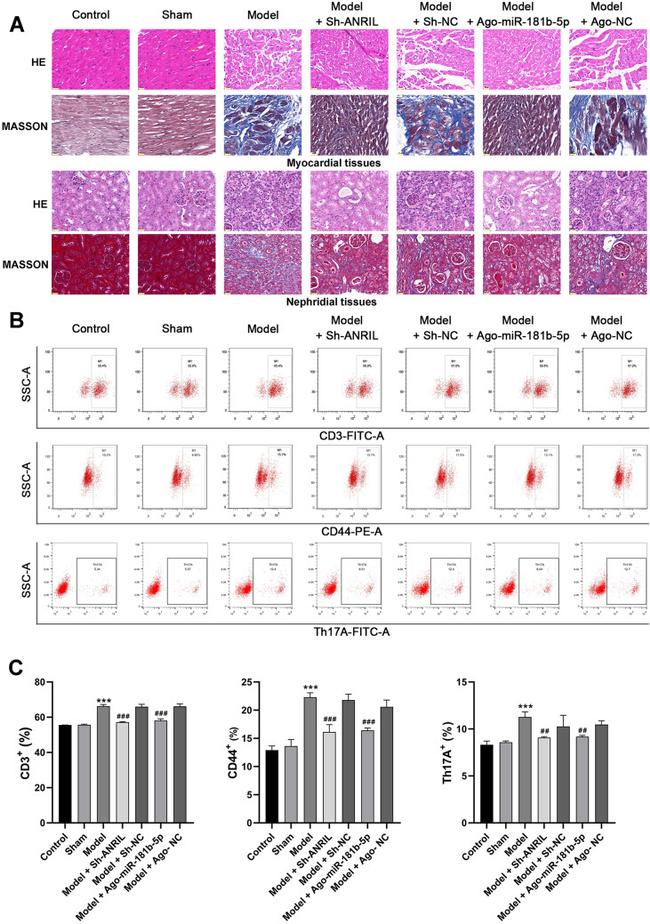
CD44 cell surface antigen is a 100 kDa type 1 transmembrane glycoprotein widely expressed on human leucocytes, white matter of the brain and by some epithelial cells of the intestine and breast. Several isoforms of CD44 exist, including the predominant CD44H isoform detected in many normal tissues. CD44 is a receptor for hyaluronic acid (HA) and is involved in cell-cell interactions, cell adhesion and migration. CD44 also participates in a wide variety of cellular functions including lymphocyte activation, recirculation and homing. CD44 expression may be up-regulated upon some carcinomas, and it has been speculated that this may be related to metastatic potential. CD44 is expressed by hematopoietic, non-hematopoietic cells, epithelial tissues, and to filopodia in cultured keratinocytes. Further, bone marrow myeloid cells and memory T cells express CD44 at high levels, and peripheral B and T cells can upregulate the expression of CD44 in response to certain stimulatory events. Transcripts for the CD44 gene undergo complex alternative splicing that results in many functionally distinct isoforms, however, the full-length nature of some of these variants have not been determined. Alternative splicing is the basis for the structural and functional diversity of the CD44 protein. Diseases associated with CD44 dysfunction include superficial keratitis and lichen sclerosus. CD44 also may be related to tumor metastasis formation.
仅用于科研。不用于诊断过程。未经明确授权不得转售。
Disclaimer

Clicking the images or links will redirect you to a website hosted by BenchSci that provides third-party scientific content. Neither the content nor the BenchSci technology and processes for selection have been evaluated by us; we are providing them as-is and without warranty of any kind, including for use or application of the Thermo Fisher Scientific products presented.

