Search
Disclaimer

Clicking the images or links will redirect you to a website hosted by BenchSci that provides third-party scientific content. Neither the content nor the BenchSci technology and processes for selection have been evaluated by us; we are providing them as-is and without warranty of any kind, including for use or application of the Thermo Fisher Scientific products presented.
Invitrogen
CD85j (ILT2) Monoclonal Antibody (HP-F1), NovaFluor™ Red 700, eBioscience™
{{$productOrderCtrl.translations['antibody.pdp.commerceCard.promotion.promotions']}}
{{$productOrderCtrl.translations['antibody.pdp.commerceCard.promotion.viewpromo']}}
{{$productOrderCtrl.translations['antibody.pdp.commerceCard.promotion.promocode']}}: {{promo.promoCode}} {{promo.promoTitle}} {{promo.promoDescription}}. {{$productOrderCtrl.translations['antibody.pdp.commerceCard.promotion.learnmore']}}
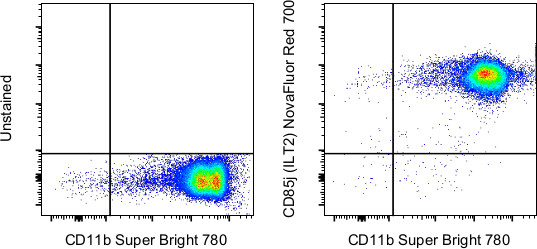
图: 1 / 2
CD85j (ILT2) Antibody (H043T03R03) in Flow
Normal human peripheral blood cells were unstained (left) or stained with CD85j (ILT2) Monoclonal Antibody, NovaFluor Red 700 (Product # H043T03R03) (right). All cells were co-stained with CD11b Monoclonal Antibody, Super Bright 780 (Product # 78-0118-42). Total viable cells in the monocyte gate were used for analysis, as determined by LIVE/DEAD Blue (Product # L34962). Data was acquired on a 5-laser Cytek Aurora and unmixed with autofluorescence extraction.




产品信息
H043T03R03
产品规格
宿主/亚型
Mouse
/ IgG1, kappa
分类
Monoclonal
类型
Antibody
克隆号
HP-F1
偶联物
激发/发射光谱
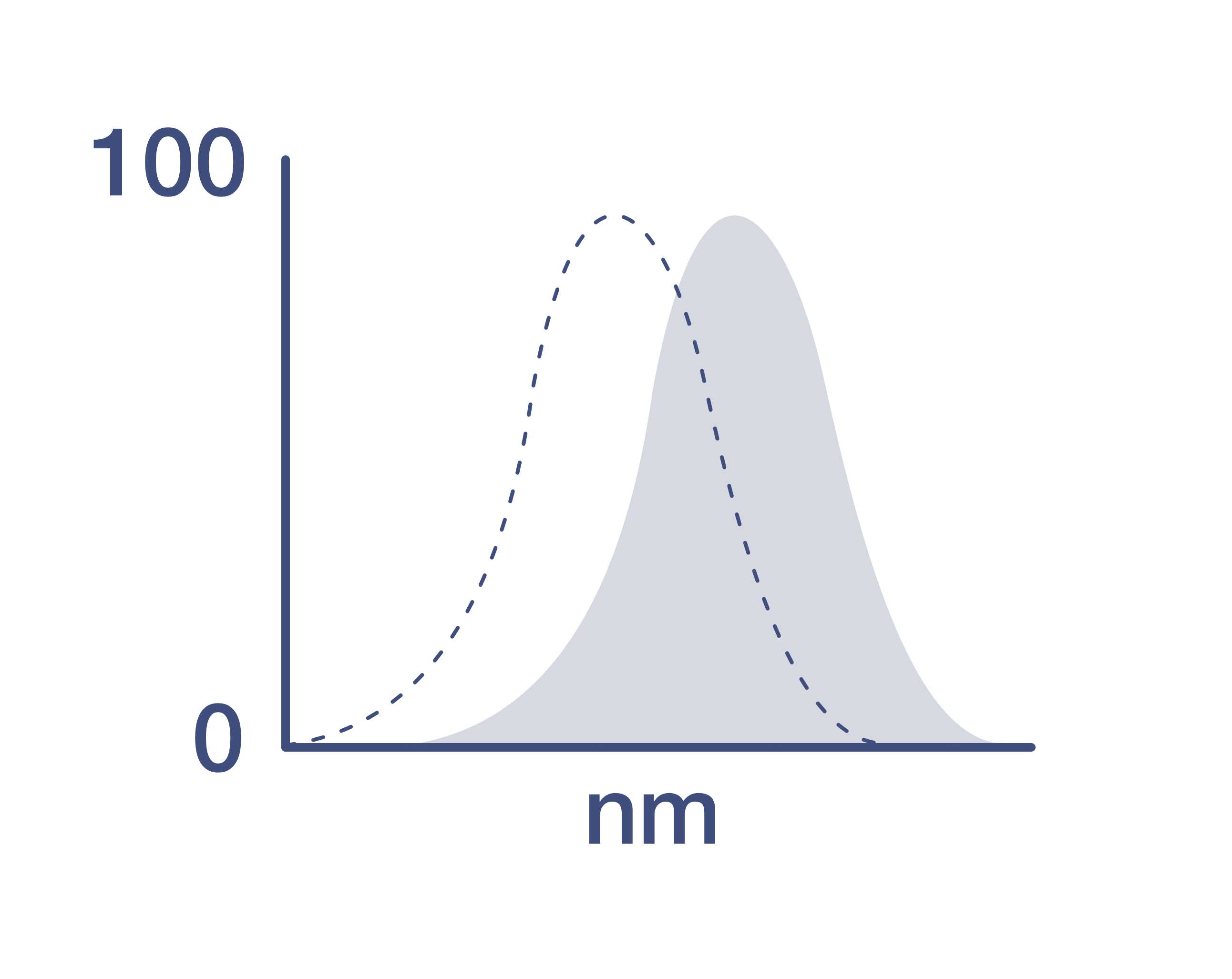
637/701 nm
查看光谱
形式
Liquid
浓度
5 µL/Test
保存条件
4°C, store in dark, DO NOT FREEZE!
运输条件
Ambient (domestic); Wet ice (international)
RRID
产品详细信息
Description: The monoclonal antibody HP-F1 recognizes CD85j, also known as ILT2, LILRB1, and LIR1. CD85j is a member of the ILT (immunoglobulin-like transcript)/LIR (leukocyte Ig-like receptor)/MIR (monocyte Ig-like receptor) family. CD85j is a single transmembrane glycoprotein with a long cytoplasmic domain containing 4 ITIMs which signal through interactions with SHP-1. Expression is found on myeloid cells (monocytes and dendritic cells) and some lymphoid cells including, subsets of NK, T and B cells. Expression has been correlated with leukemias such as ALL and CLL. Expression on CD8+ cells correlates with effector cell function and plays an important role in viral infections, including HIV, Ebstein Barr and CMV. The ligands for CD85j are MHC Class I molecules such as HLA-G, A, F, B27, E and F. The monoclonal antibody HP-F1 has been shown to reduce the amount of CD16- dependent cytolytic activity of functional NK cells.
Applications Reported: This HP-F1 antibody has been reported for use in flow cytometric analysis.
Applications Tested: This HP-F1 antibody has been pre-diluted and tested by flow cytometric analysis of normal human peripheral blood cells. This may be used at 5 µL (0.25 µg) per test. A test is defined as the amount (µg) of antibody that will stain a cell sample in a final volume of 100 µL. Cell number should be determined empirically but can range from 10^5 to 10^8 cells/test.
NovaFluor dyes are not compatible with DNA intercalating viability dyes. Do not use viability dyes such as propidium iodide, 7-actinomycin D (7-AAD) and DAPI. Invitrogen LIVE/DEAD Fixable Dead Cell stains are recommended for use with NovaFluor dyes.
Each NovaFluor conjugate or kit is shipped with CellBlox Blocking Buffer. Use this buffer whenever staining with NovaFluor conjugates, including single-color compensation controls using cells. Whenever possible, we recommend adding CellBlox Blocking Buffer to antibody cocktails/master mixes prior to combining with cells. Add 5 µL per sample (regardless of the number of NovaFluors in your panel) to use the antibody cocktail as intended. For single-color controls, use 5 µL of CellBlox Blocking Buffer per 100µL of cell sample containing 10^3 to 10^8 cells.
NovaFluor conjugates are based on Phiton™ technology utilizing novel nucleic acid dye structures that allow for engineered fluorescent signatures with consideration for spillover and spread impacts. Learn more
Excitation: 639 nm; Emission: 700 nm; Laser: 633-640 nm (Red) Laser
靶标信息
CD85j, also known as a member of the leukocyte immunoglobulin-like receptor (LIR) family, is a single transmembrane glycoprotein with a long cytoplasmic domain containing four immunoreceptor tyrosine-based inhibitory motifs (ITIMs). These motifs signal through interactions with SHP-1, transducing negative signals that inhibit immune response stimulation. CD85j is expressed on myeloid cells such as monocytes and dendritic cells, as well as on subsets of lymphoid cells including NK, T, and B cells. The expression of CD85j is correlated with leukemias such as acute lymphoblastic leukemia (ALL) and chronic lymphocytic leukemia (CLL). On CD8+ cells, CD85j expression is associated with effector cell function and plays a significant role in viral infections, including HIV, Epstein-Barr virus, and cytomegalovirus (CMV). CD85j binds to MHC class I molecules, including HLA-G, A, F, B27, E, and F, on antigen-presenting cells. The receptor helps control inflammatory responses and cytotoxicity, focusing the immune response and limiting autoreactivity. CD85j belongs to the subfamily B class of LIR receptors, which contain two or four extracellular immunoglobulin domains, a transmembrane domain, and multiple transcript variants encoding different isoforms have been identified for this gene. Its gene is located in a cluster at chromosomal region 19q13.4.
仅用于科研。不用于诊断过程。未经明确授权不得转售。
How to use the Panel Builder
Watch the video to learn how to use the Invitrogen Flow Cytometry Panel Builder to build your next flow cytometry panel in 5 easy steps.
篇参考文献 (0)
您是否在文献中引用过该产品?请点击下方按钮邮件告知我们。

