Search
Disclaimer

Clicking the images or links will redirect you to a website hosted by BenchSci that provides third-party scientific content. Neither the content nor the BenchSci technology and processes for selection have been evaluated by us; we are providing them as-is and without warranty of any kind, including for use or application of the Thermo Fisher Scientific products presented.
Invitrogen
Cytokeratin 1/5/6/8 Monoclonal Antibody (PCK-26), FITC
{{$productOrderCtrl.translations['antibody.pdp.commerceCard.promotion.promotions']}}
{{$productOrderCtrl.translations['antibody.pdp.commerceCard.promotion.viewpromo']}}
{{$productOrderCtrl.translations['antibody.pdp.commerceCard.promotion.promocode']}}: {{promo.promoCode}} {{promo.promoTitle}} {{promo.promoDescription}}. {{$productOrderCtrl.translations['antibody.pdp.commerceCard.promotion.learnmore']}}
产品信息
MA1-25027
产品规格
种属反应
Bovine,
Dog,
Chicken,
Cat,
Fish,
Guinea pig,
Goat,
Hamster,
Human,
Lizard,
Mouse,
Sheep,
Pig,
Rabbit,
Reptile,
Rat
宿主/亚型
Mouse
/ IgG1
分类
Monoclonal
类型
Antibody
克隆号
PCK-26
抗原
Cytokeratin from human epidermis.
偶联物
激发/发射光谱
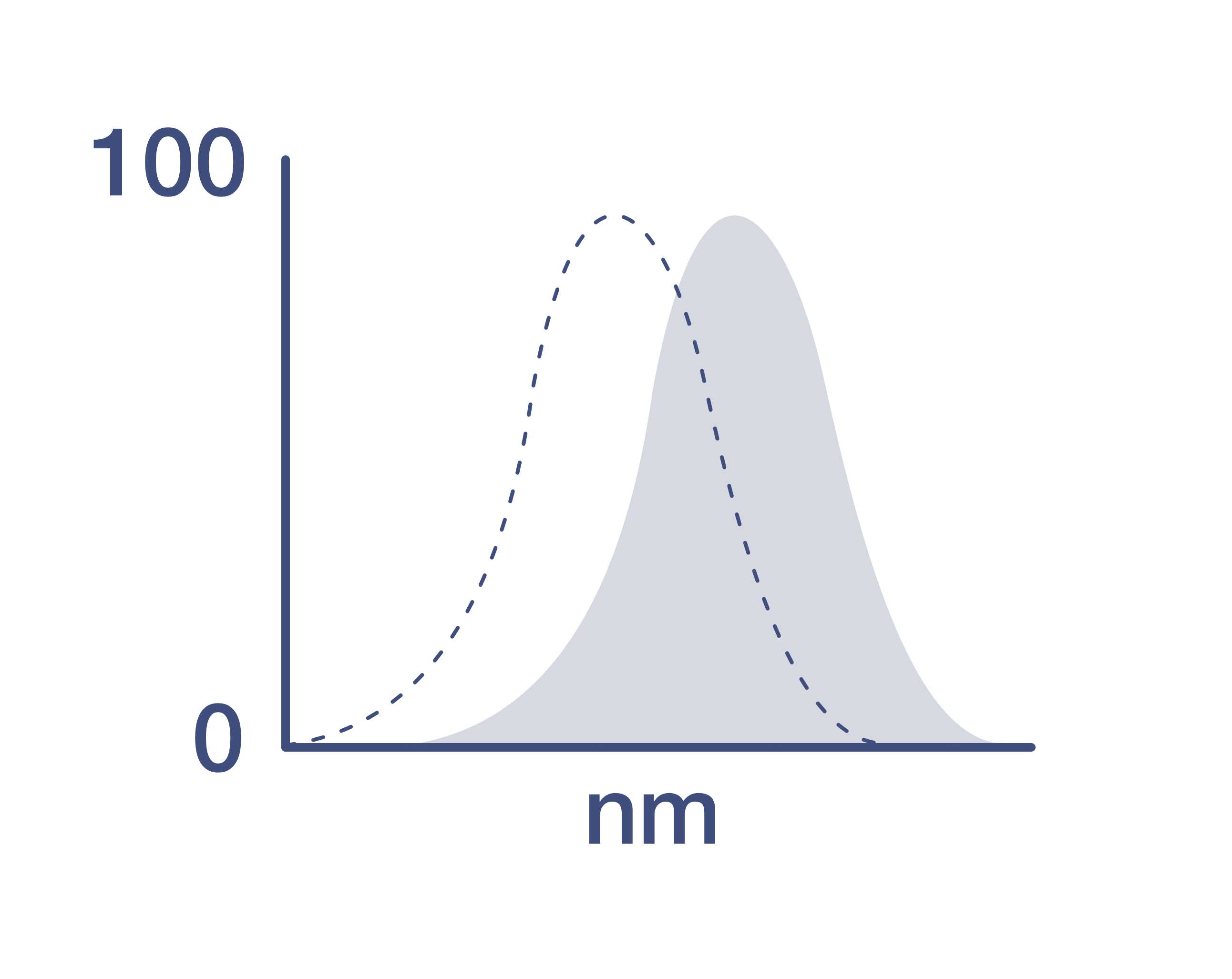
498/517 nm
查看光谱
形式
Liquid
浓度
3 mg/mL
纯化类型
IgG fraction
保存液
PBS, pH 7.4, with 1% BSA
内含物
15mM sodium azide
保存条件
Store at 4°C short term. For long term storage, store at -20°C, avoiding freeze/thaw cycles. Store in the dark.
运输条件
Ambient (domestic); Wet ice (international)
RRID
产品详细信息
Western blot detects a band approximately 58 kDa (cytokeratin 5), 56 kD (cytokeratin 6) and 52 kD (cytokeratin 8).
Store product as a concentrated solution. Centrifuge briefly prior to opening the vial.
靶标信息
Cytokeratins are a subclass of intermediate filament proteins that play a crucial role in the structural integrity and function of epithelial cells. They are grouped based on their molecular weight and isoelectric points into Type I (acidic) and Type II (basic to neutral) cytokeratins. Cytokeratin 1 (CK1) and Cytokeratin 5 (CK5) are primarily expressed in the basal layer of stratified epithelia, contributing to the mechanical stability and resilience of the tissue. CK5 is often co-expressed with CK14, marking basal cell populations, while CK6 is an inducible cytokeratin found in proliferative and regenerative epidermis, often co-expressed with CK16 and CK17. In the context of carcinomas, CK5/6 expression is utilized as a marker for squamous cell carcinomas and other squamous variants. Cytokeratin 8 (CK8) is a Type II cytokeratin that partners with Cytokeratin 18 (CK18) and is predominantly found in simple epithelial cells, playing a key role in the cytoskeletal organization and intracellular signaling pathways. The diagnostic utility of these cytokeratin's lies in their tissue-specific expression patterns, which are exploited in immunohistochemistry to differentiate between various types of epithelial carcinomas.
仅用于科研。不用于诊断过程。未经明确授权不得转售。
篇参考文献 (0)
您是否在文献中引用过该产品?请点击下方按钮邮件告知我们。

