Search
Invitrogen
EGFR Recombinant Rabbit Monoclonal Antibody (30H45L48), Alexa Fluor™ 514
{{$productOrderCtrl.translations['antibody.pdp.commerceCard.promotion.promotions']}}
{{$productOrderCtrl.translations['antibody.pdp.commerceCard.promotion.promocode']}}: {{promo.promoCode}} {{promo.promoTitle}} {{promo.promoDescription}}. {{$productOrderCtrl.translations['antibody.pdp.commerceCard.promotion.learnmore']}}
{{$ctrl.translations['antibody.pdp.skuNotes.additionalInformation']}}:
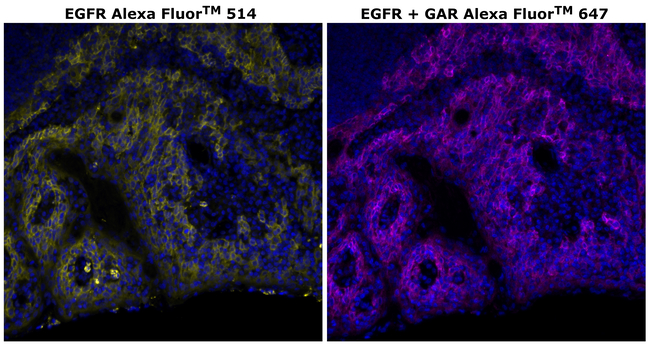
图: 1 / 3
EGFR Antibody (753-8804-94) in IHC (P)
Immunohistochemical analysis of EGFR was performed on FFPE human tonsil tissue. To expose the target protein, HIER was performed on de-paraffinized sections using BOND Epitope Retrieval Solution 2 (pH 9) for 20-mins, followed by a 5-min cool down, a 1-min wash with ddH2O, and then transferred to 1X PBS. Tissues were permeabilized with 0.1% Triton X-100 in 1X PBS for 30-mins, washed thrice with 1X PBS and bl... View More
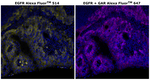
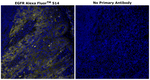
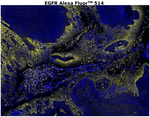
Please note: We are reviewing Western blot images included in the antibody testing data in our catalog, including those provided by third parties. Unless expressly labeled or annotated as “raw-unedited”, Western blot images included in the antibody testing data in our catalog may have been edited, optimized or otherwise adjusted for presentation.


产品信息
753-8804-94
产品规格
种属反应
Human
宿主/亚型
Rabbit
/ IgG
分类
Recombinant Monoclonal
类型
Antibody
克隆号
30H45L48
抗原
proprietary
偶联物
Alexa Fluor™ 514
Alexa Fluor™ 514
Alexa Fluor™ 514
激发/发射光谱
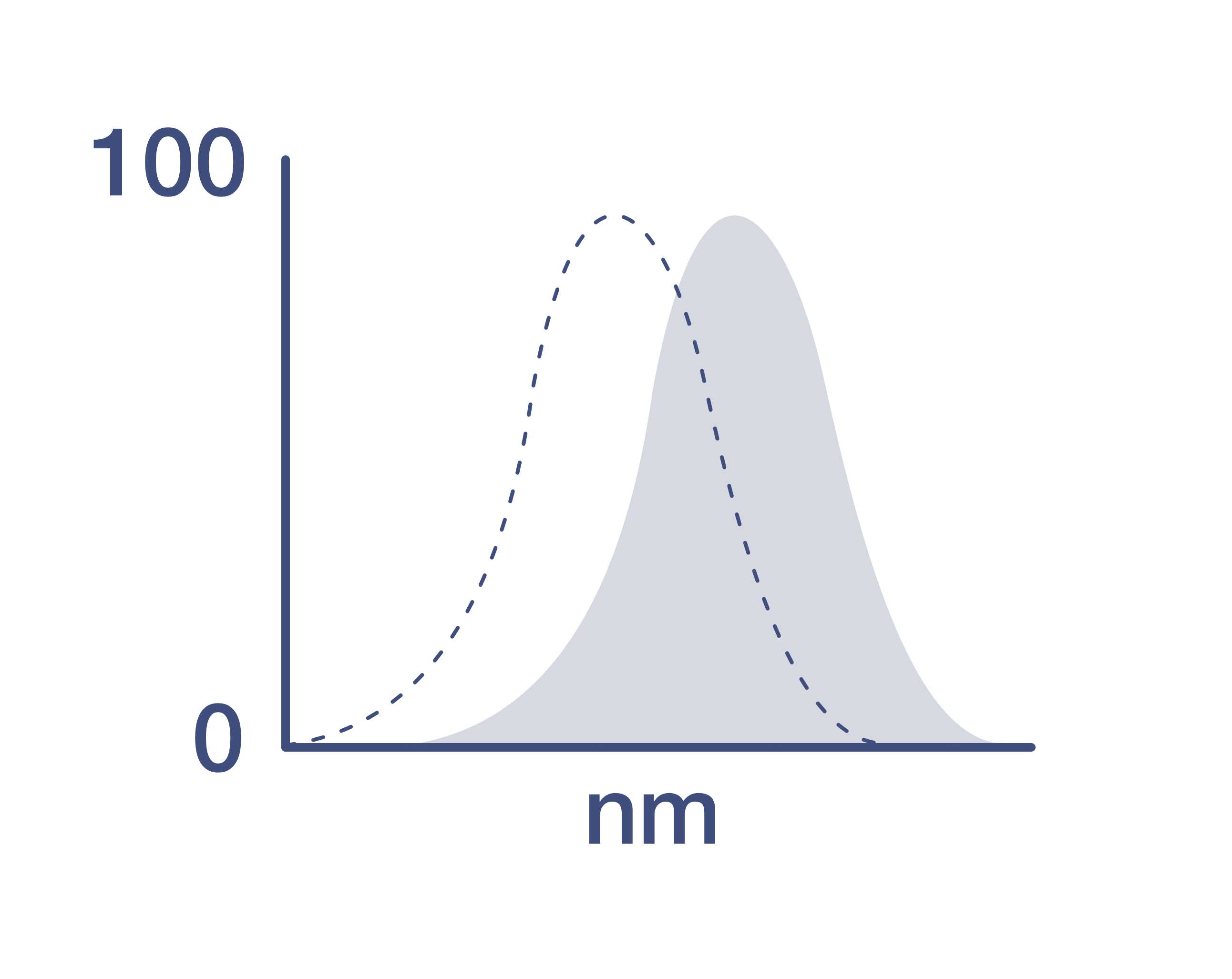
518/543 nm
查看光谱
形式
Liquid
浓度
0.2 mg/mL
规格
100 µg
纯化类型
Affinity chromatography
保存液
PBS, pH 7.2, with 0.5% BSA, 10% proprietary stabilizer
内含物
0.05% sodium azide
保存条件
4°C, store in dark
运输条件
Wet ice
产品详细信息
Description: This antibody is predicted to react with canine, mouse and rat based on sequence homology.
Intact IgG appears on a non-reducing gel as ~150 kDa band and upon reduction generating a ~25 kDa light chain band and a ~50 kDa heavy chain.
Applications Reported: This 30H45L48 antibody has been reported for use in western blotting, immunocytochemistry and Chromatin immunoprecipation.
Applications Tested: This 30H45L48 antibody has been tested by immunohistochemical staining of formalin-fixed paraffin embedded human tissue using high pH antigen retrieval and can be used at 2 µg/mL. It is recommended that the antibody be carefully titrated for optimal performance in the assay of interest.
Using conjugate solutions: Centrifuge the protein conjugate solution briefly in a microcentrifuge before use; add only the supernatant to the experiment. This step will help eliminate any protein aggregates that may have formed during storage, thereby reducing nonspecific background staining.
靶标信息
EGFR, epidermal growth factor receptor, is a receptor tyrosine kinases that signals in response to various growth factors. Overexpression has been linked to numerous types of cancer and EGFR is the target of both biological and small molecular therapeutics. EGFR is encoded by the EGFR gene located on chromosome 7 in humans. EGFR belongs to the HER/ERbB family of proteins that includes three other receptor tyrosine kinases, ERbB2, ERbB3, ERbB4. EGFR is a transmembrane receptor and binding of its cognate ligands such as EGF (Epidermal Growth Factor) and TGF alpha (Transforming Growth Factor alpha) to the extracellular domain leads to EGFR dimerization followed by autophosphorylation of the tyrosine residues in the cytoplasmic domain. Overexpression is observed in tumors of the head and neck, brain, bladder, stomach, breast, lung, endometrium, cervix, vulva, ovary, esophagus, stomach and in squamous cell carcinoma.
仅用于科研。不用于诊断过程。未经明确授权不得转售。
篇参考文献 (0)
您是否在文献中引用过该产品?请点击下方按钮邮件告知我们。
生物信息学
蛋白别名: 2.7.10.1; avian erythroblastic leukemia viral (v-erb-b) oncogene homolog; cell growth inhibiting protein 40; cell proliferation-inducing protein 61; contains extracellular domain; EC 2.7.10.1; epidermal growth factor receptor tyrosine kinase domain; erb-b2 receptor tyrosine kinase 1; GIG40; kinase EGFR; membrane protein; Oncogene ERBB; PIG61; proto-oncogene c-ErbB-1; receptor tyrosine-protein kinase erbB-1; unnamed protein product; Urogastrone
基因别名: ERBB; ERBB1; ERRP; HER1; mENA; NISBD2; NNCIS; PIG61
UniProt ID: (Human) P00533
Entrez Gene ID: (Human) 1956
chromatin binding
double-stranded DNA binding
protein kinase activity
MAP kinase kinase kinase activity
protein tyrosine kinase activity
transmembrane receptor protein tyrosine kinase activity
transmembrane signaling receptor activity
epidermal growth factor-activated receptor activity
protein binding
ATP binding
kinase activity
enzyme binding
kinase binding
protein phosphatase binding
protein tyrosine kinase activator activity
ubiquitin protein ligase binding
identical protein binding
cadherin binding
epidermal growth factor binding
actin filament binding
ATPase binding
MAPK cascade
ossification
positive regulation of protein phosphorylation
signal transduction
cell surface receptor signaling pathway
transmembrane receptor protein tyrosine kinase signaling pathway
epidermal growth factor receptor signaling pathway
learning or memory
positive regulation of cell proliferation
negative regulation of macroautophagy
neuron differentiation
positive regulation of cell growth
positive regulation of cell migration
positive regulation of peptidyl-serine phosphorylation
positive regulation of toll-like receptor 9 signaling pathway
ERBB2-EGFR signaling pathway
negative regulation of epidermal growth factor receptor signaling pathway
negative regulation of protein catabolic process
positive regulation of phosphorylation
negative regulation of apoptotic process
positive regulation of MAPK cascade
protein kinase B signaling
positive regulation of DNA repair
positive regulation of DNA replication
positive regulation of transcription from RNA polymerase II promoter
positive regulation of fibroblast proliferation
positive regulation of epithelial cell proliferation
regulation of peptidyl-tyrosine phosphorylation
protein insertion into membrane
positive regulation of protein kinase B signaling
response to UV-A
positive regulation of ERK1 and ERK2 cascade
cellular response to amino acid stimulus
cellular response to epidermal growth factor stimulus
cellular response to estradiol stimulus
positive regulation of protein kinase C signaling
positive regulation of canonical Wnt signaling pathway
cell-cell adhesion
positive regulation of cGAS/STING signaling pathway
positive regulation of G1/S transition of mitotic cell cycle
positive regulation of pri-miRNA transcription from RNA polymerase II promoter
positive regulation of protein localization to plasma membrane
negative regulation of cardiocyte differentiation
Disclaimer

Clicking the images or links will redirect you to a website hosted by BenchSci that provides third-party scientific content. Neither the content nor the BenchSci technology and processes for selection have been evaluated by us; we are providing them as-is and without warranty of any kind, including for use or application of the Thermo Fisher Scientific products presented.

