Search
Invitrogen
GFAP Monoclonal Antibody (GA5), eFluor™ 570, eBioscience™
{{$productOrderCtrl.translations['antibody.pdp.commerceCard.promotion.promotions']}}
{{$productOrderCtrl.translations['antibody.pdp.commerceCard.promotion.promocode']}}: {{promo.promoCode}} {{promo.promoTitle}} {{promo.promoDescription}}. {{$productOrderCtrl.translations['antibody.pdp.commerceCard.promotion.learnmore']}}
{{$ctrl.translations['antibody.pdp.skuNotes.additionalInformation']}}:
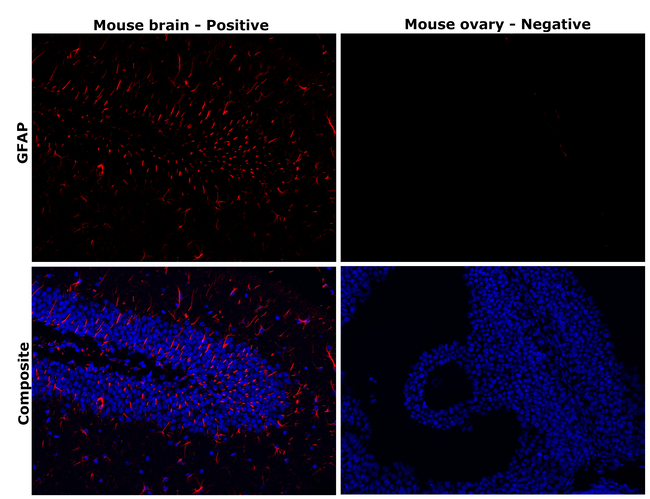
图: 1 / 40
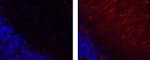
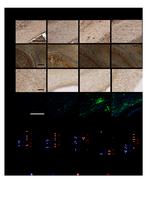
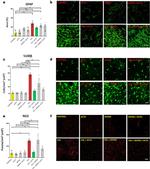
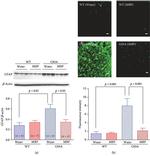
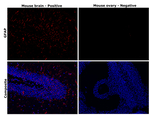
GFAP Antibody (41-9892-82) in IHC (P)
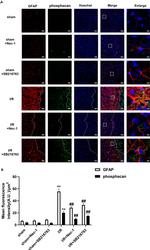
Immunohistochemical analysis of GFAP was performed using formalin-fixed paraffin-embedded mouse brain and mouse ovary tissue sections. To expose the target protein, heat-induced epitope retrieval was performed on de-paraffinized sections using eBioscience™ IHC Antigen Retrieval Solution - High pH (10X) (Product # 00-4956-58) diluted to 1X solution in water in a decloaking chamber at 110 degree Celsius for 1... View More
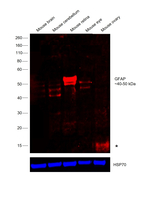
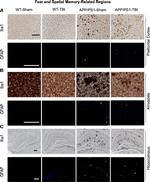
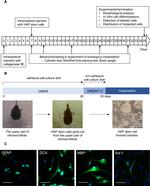
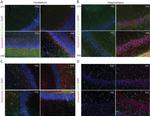
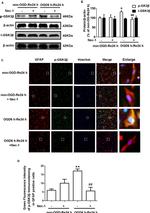
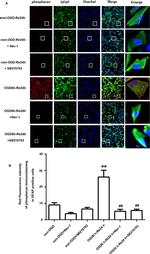
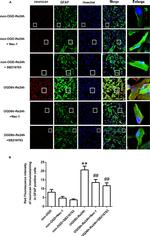
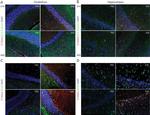
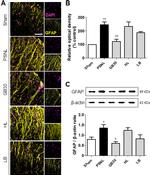
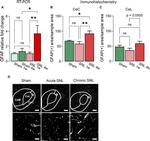
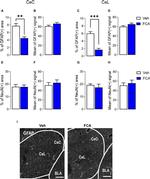
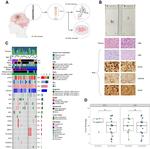
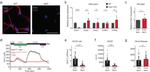
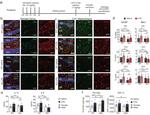
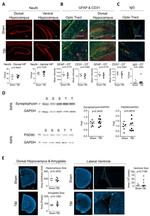
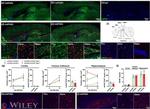
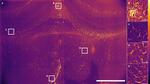
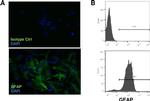
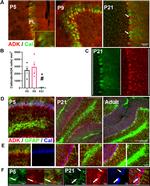
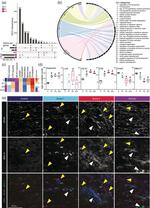
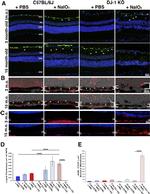
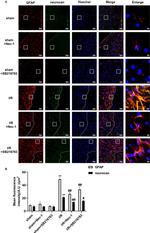
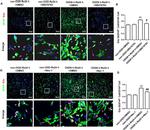
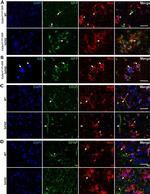
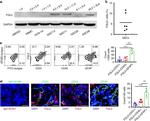
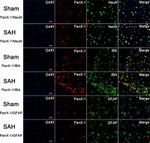
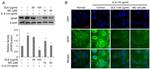
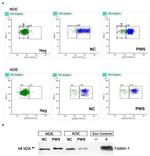
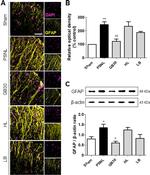
Please note: We are reviewing Western blot images included in the antibody testing data in our catalog, including those provided by third parties. Unless expressly labeled or annotated as “raw-unedited”, Western blot images included in the antibody testing data in our catalog may have been edited, optimized or otherwise adjusted for presentation.








产品信息
41-9892-82
应用
建议稀释比
已发表文章
产品规格
种属反应
Chicken,
Human,
Mouse,
Pig,
Rabbit,
Rat
已发表种属
Human,
Mouse
宿主/亚型
Mouse
/ IgG1
分类
Monoclonal
类型
Antibody
克隆号
GA5
偶联物
eFluor™ 570
eFluor™ 570
eFluor™ 570
激发/发射光谱
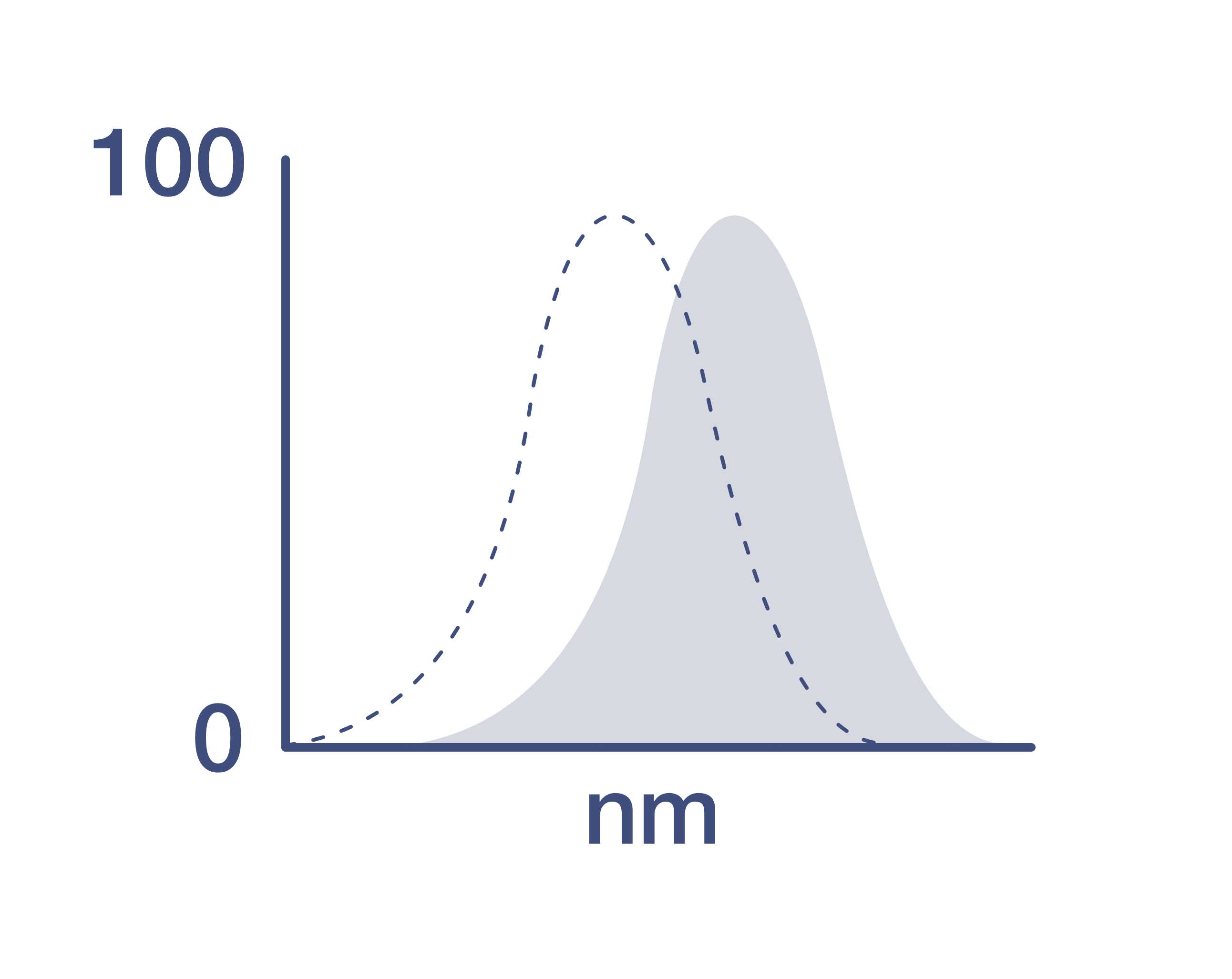
556/569 nm
查看光谱
形式
Liquid
浓度
0.2 mg/mL
规格
100 µg
纯化类型
Affinity chromatography
保存液
PBS, pH 7.2
内含物
0.09% sodium azide
保存条件
4°C, store in dark, DO NOT FREEZE!
运输条件
Ambient (domestic); Wet ice (international)
RRID
产品详细信息
Description: This GA5 monoclonal antibody reacts with human, mouse, rat, chicken, rabbit, and pig glial fibrillary acidic protein (GFAP). This 49-kDa type III intermediate filament protein is expressed in neural tissues and distinguishes astrocytes from other glial cells during central nervous system development. Three alternative splice variants of GFAP exist; however, alpha-GFAP is the predominant form expressed in astrocytes. GFAP can co-assemble with vimentin and nestin in astrocytes, but such associations are not required for assembly. Like other intermediate filaments, GFAP assembly is dependent on phosphorylation and dephosphorylation of the N-terminal domain. Studies have demonstrated that mutations in the GFAP gene lead to Alexander disease. Moreover, GFAP has also been shown to be overexpressed in certain glial-derived tumors.
Applications Reported: This GA5 antibody has been reported for use in immunohistochemical staining of formalin-fixed paraffin embedded tissue sections, microscopy, and immunocytochemistry.
Applications Tested: This GA5 antibody has been tested by immunohistochemistry of formalin-fixed paraffin embedded human tissue using low pH antigen retrieval. The antibody can be used at less than or equal to 1 µg/mL. It is recommended that the antibody be carefully titrated for optimal performance in the assay of interest.
Filter Recommendation: When using this eFluor™ 570 antibody conjugate, we recommend a filter that will capture the 570 emission wavelength (for example, Excitation 545/25, 565LP, Emission 605/70). A standard Alexa Fluor™ 555 or TRITC filter is acceptable.
Excitation: 555 nm; Emission: 570 nm
靶标信息
GFAP (Glial fibrillary acidic protein) is a member of the class III intermediate filament protein family. GFAP is heavily and specifically expressed in astrocytes and certain astroglia of the central nervous system, in satellite cells of peripheral ganglia, and in non-myelinating Schwann cells of peripheral nerves. In addition, neural stem cells strongly express GFAP. Antibodies to GFAP are very useful as markers of astrocytic cells. In addition, many types of brain tumor, presumably derived from astrocytic cells, heavily express GFAP. GFAP is also found in the lens epithelium, Kupffer cells of the liver, in some cells in salivary tumors and has been reported in erythrocytes. GFAP is used as a marker to distinguish astrocytes from other glial cells during development. Mutations in this gene cause Alexander disease, a rare disorder of astrocytes in the central nervous system. Alternative splicing of the GFAP gene results in multiple transcript variants encoding distinct isoforms.
仅用于科研。不用于诊断过程。未经明确授权不得转售。
生物信息学
蛋白别名: Astrocyte or Intermediate Filament Protein; FLJ45472; GFAP; GFAP epsilon; glial fibrillary acidic protein; Glial Fibrillary Acidic Protein (GFAP); glial fibrillary acidic protein alpha; glial fibrillary acidic protein delta; intermediate filament; intermediate filament protein; unnamed protein product
基因别名: ALXDRD
UniProt ID: (Human) P14136, (Mouse) P03995, (Rat) P47819
Entrez Gene ID: (Human) 2670, (Rabbit) 100352532, (Pig) 396562, (Chicken) 419969, (Mouse) 14580, (Rat) 24387
neural crest cell migration
regulation of protein complex assembly
intermediate filament organization
response to ethanol
enteric nervous system development
positive regulation of glial cell proliferation
regulation of chaperone-mediated autophagy
intracellular protein transport
gene expression
positive regulation of Schwann cell proliferation
negative regulation of neuron projection development
astrocyte development
extracellular matrix organization
neuron projection regeneration
intermediate filament-based process
regulation of neurotransmitter uptake
Bergmann glial cell differentiation
long-term synaptic potentiation
D-aspartate import
Disclaimer

Clicking the images or links will redirect you to a website hosted by BenchSci that provides third-party scientific content. Neither the content nor the BenchSci technology and processes for selection have been evaluated by us; we are providing them as-is and without warranty of any kind, including for use or application of the Thermo Fisher Scientific products presented.

