Search
Rockland
MYC Epitope Tag Polyclonal Antibody, DyLight™ 549
{{$productOrderCtrl.translations['antibody.pdp.commerceCard.promotion.promotions']}}
{{$productOrderCtrl.translations['antibody.pdp.commerceCard.promotion.viewpromo']}}
{{$productOrderCtrl.translations['antibody.pdp.commerceCard.promotion.promocode']}}: {{promo.promoCode}} {{promo.promoTitle}} {{promo.promoDescription}}. {{$productOrderCtrl.translations['antibody.pdp.commerceCard.promotion.learnmore']}}
Additional Information:
{{banner.description}}
产品信息
600-442-381
应用
建议稀释比
已发表文章
产品规格
种属反应
Tag
宿主/亚型
Rabbit
/ IgG
分类
Polyclonal
类型
Antibody
抗原
This antibody was purified from whole rabbit serum prepared by repeated immunizations with MYC epitope tag peptide, E-Q-K-L-I-S-E-E-D-L, conjugated to KLH using maleimide. The sequence corresponds to amino acids 410-419 of human c-Myc.
偶联物
DyLight™ 549
DyLight™ 549
DyLight™ 549
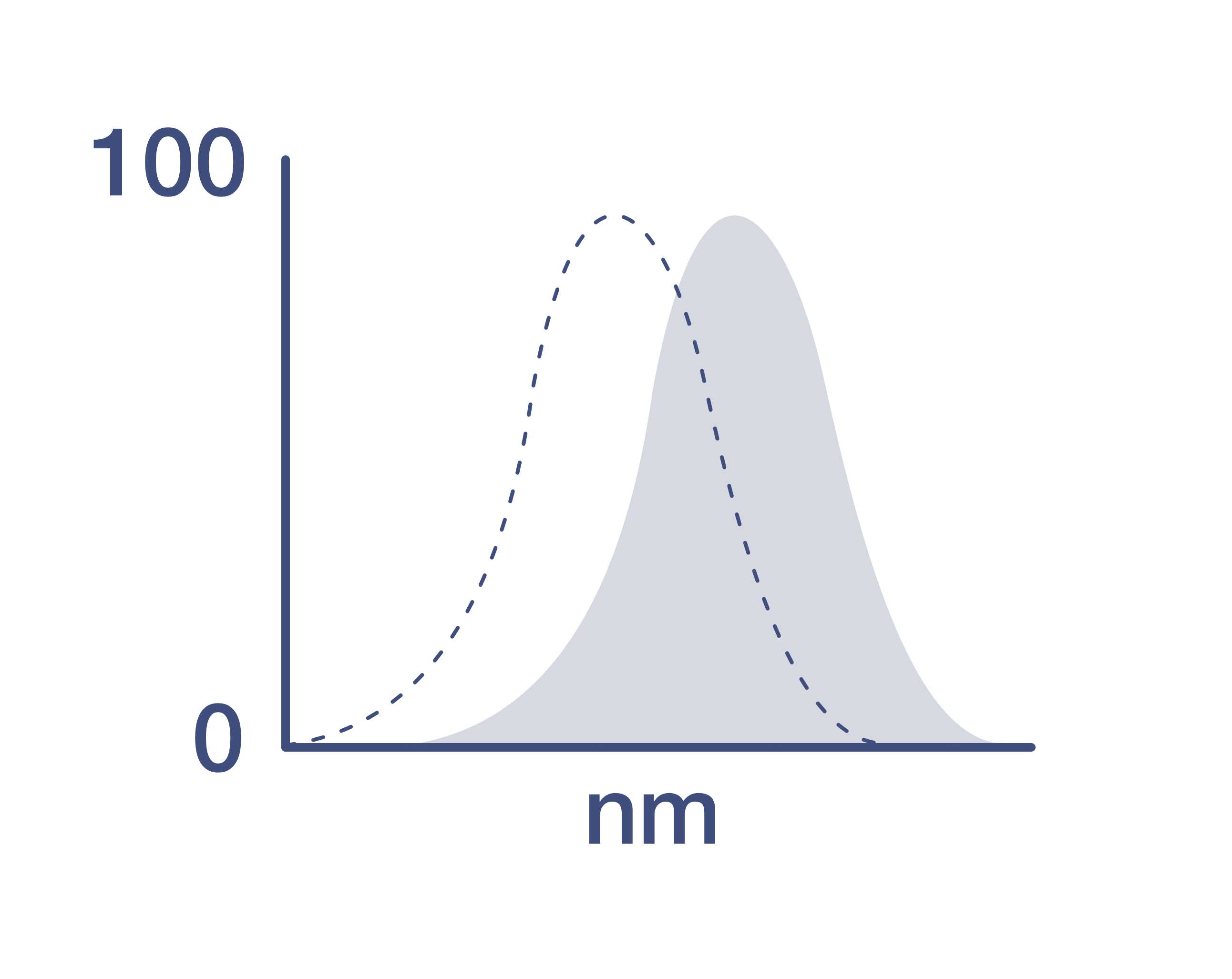
激发/发射光谱
556/570 nm
查看光谱
形式
Lyophilized
浓度
1 mg/mL
规格
100 µg
纯化类型
Affinity chromatography
保存液
0.02M potassium phosphate, pH 7.2, with 10mg/mL BSA, 0.15M NaCl
内含物
0.01% sodium azide
保存条件
Store at 4°C short term. For long term storage, store at -20°C, avoiding freeze/thaw cycles.
运输条件
Ambient (domestic); Wet ice (international)
产品详细信息
Store vial at 4° C prior to restoration. For extended storage aliquot contents and freeze at -20° C or below. Avoid cycles of freezing and thawing. Centrifuge product if not completely clear after standing at room temperature. This product is stable for several weeks at 4° C as an undiluted liquid. Dilute only prior to immediate use.
This affinity purified antibody is directed against the MYC epitope tag and is useful in determining its presence in over expressed proteins in various assays. The antibody recognizes the MYC epitope tag -tag (Glu-Gln-Lys-Leu-Ile-Ser-Glu-Glu-Asp-Leu) fused to either the amino- or carboxy- termini of targeted proteins in transfected or transformed cells.
靶标信息
Myc is a proto-oncogene and encodes a nuclear phosphoprotein that plays a role in cell cycle progression, apoptosis and cellular transformation. The encoded protein forms a heterodimer with the related transcription factor MAX. This complex binds to the E box DNA consensus sequence and regulates the transcription of specific target genes. Amplification of this gene is frequently observed in numerous human cancers. Translocations involving this gene are associated with Burkitt lymphoma and multiple myeloma in human patients. There is evidence to show that translation initiates both from an upstream, in-frame non-AUG (CUG) and a downstream AUG start site, resulting in the production of two isoforms with distinct N-termini.
仅用于科研。不用于诊断过程。未经明确授权不得转售。
篇参考文献 (0)
您是否在文献中引用过该产品?请点击下方按钮邮件告知我们。
生物信息学
蛋白别名: 46-0603; c Myc; c-myc epitope tag; cmyc; Myc protein; Myc Tag; R950-25; R95025
Disclaimer

Clicking the images or links will redirect you to a website hosted by BenchSci that provides third-party scientific content. Neither the content nor the BenchSci technology and processes for selection have been evaluated by us; we are providing them as-is and without warranty of any kind, including for use or application of the Thermo Fisher Scientific products presented.

