Search
{{$ctrl.translations['antibody.pdp.skuNotes.additionalInformation']}}:
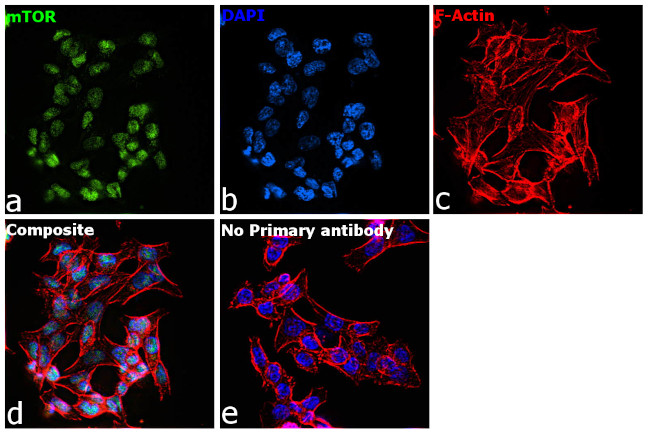
图: 1 / 6
mTOR Antibody (710408) in ICC/IF
Immunofluorescence analysis of mTOR was performed using 70% confluent log phase HCT 116 cells. The cells were fixed with 4% paraformaldehyde for 10 minutes, permeabilized with 0.1% Triton™ X-100 for 15 minutes, and blocked with 2% BSA for 45 minutes at room temperature. The cells were labeled with mTOR Recombinant Rabbit Superclonal™ Antibody (7HCLC) (Product # 710408, 0.5 µg/mL) in 0.1% BSA, incubated at 4 degree celsius overnight and then labeled with Donkey anti-Rabbit IgG (H+L) Highly Cross-Adsorbed Secondary Antibody, Alexa Fluor™ Plu... View More
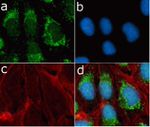
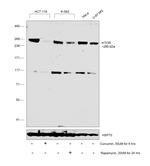
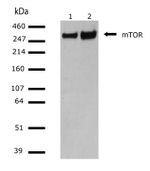
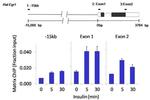
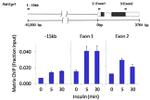
Please note: We are reviewing Western blot images included in the antibody testing data in our catalog, including those provided by third parties. Unless expressly labeled or annotated as “raw-unedited”, Western blot images included in the antibody testing data in our catalog may have been edited, optimized or otherwise adjusted for presentation.


产品信息
710408
产品规格
种属反应
Human,
Rat
宿主/亚型
Rabbit
/ IgG
Expression System
Expi293
分类
Recombinant Superclonal
类型
Antibody
克隆号
7HCLC
抗原
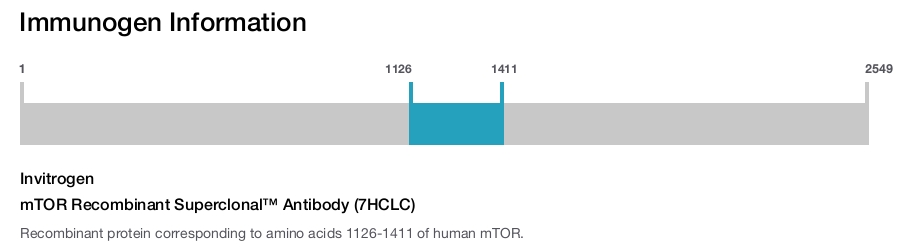
Recombinant protein corresponding to amino acids 1126-1411 of human mTOR.
偶联物
Unconjugated
Unconjugated
Unconjugated
形式
Liquid
浓度
0.5 mg/mL
规格
100 µg
纯化类型
Protein A
保存液
PBS, pH 7.2-7.4
内含物
0.09% sodium azide
保存条件
Store at 4°C short term. For long term storage, store at -20°C, avoiding freeze/thaw cycles.
运输条件
Wet ice
RRID
产品详细信息
Recombinant rabbit Superclonal™ antibodies are unique offerings from Thermo Fisher Scientific. They are comprised of a selection of multiple different recombinant monoclonal antibodies, providing the best of both worlds - the sensitivity of polyclonal antibodies with the specificity of monoclonal antibodies - all delivered with the consistency only found in a recombinant antibody. While functionally the same as a polyclonal antibody - recognizing multiple epitope sites on the target and producing higher detection sensitivity for low abundance targets - a recombinant rabbit Superclonal™ antibody has a known mixture of light and heavy chains. The exact population can be produced in every lot, circumventing the biological variability typically associated with polyclonal antibody production. Note: Formerly called “Recombinant polyclonal antibody”, this product is now rebranded as “Recombinant Superclonal™ antibody”. The physical product and the performance remain unchanged.
靶标信息
FRAP1 (mTOR) is a serine/threonine kinase that plays a critical role in cellular growth and proliferation. Perturbations in the mTOR/PI3-kinase/AKT pathway are associated with numerous forms of cancer. FRAP1 is also the target of rapamycin and its analogues, which are currently used as immunosuppressants and cancer therapeutics. Mutations affecting the gene results in Smith-Kingsmore syndrome.
仅用于科研。不用于诊断过程。未经明确授权不得转售。
篇参考文献 (0)
您是否在文献中引用过该产品?请点击下方按钮邮件告知我们。
生物信息学
蛋白别名: FK506 binding protein 12-rapamycin associated protein 1; FK506 binding protein 12-rapamycin associated protein 2; FK506-binding protein 12-rapamycin complex-associated protein 1; FKBP-rapamycin associated protein; FKBP12-rapamycin complex-associated protein; FKBP12-rapamycin complex-associated protein 1; m-TOR; mammalian target of rapamycin; mechanistic target of rapamycin (serine/threonine kinase); mTORC1; rapamycin and FKBP12 target 1; rapamycin and FKBP12 target-1 protein; rapamycin associated protein FRAP2; rapamycin target protein 1; RAPT1; tyrosine-protein kinase mTOR; unnamed protein product
基因别名: FRAP; FRAP1; FRAP2; RAFT1; RAPT1; SKS
UniProt ID: (Human) P42345, (Rat) P42346
Entrez Gene ID: (Human) 2475, (Rat) 56718
inositol hexakisphosphate binding
RNA polymerase III type 1 promoter sequence-specific DNA binding
RNA polymerase III type 2 promoter sequence-specific DNA binding
RNA polymerase III type 3 promoter sequence-specific DNA binding
TFIIIC-class transcription factor binding
protein kinase activity
protein serine/threonine kinase activity
protein tyrosine kinase activity
non-membrane spanning protein tyrosine kinase activity
protein binding
kinase activity
identical protein binding
ribosome binding
ion channel binding
macromolecular complex binding
phosphoprotein binding
protein serine kinase activity
protein kinase binding
protein domain specific binding
regulation of cell growth
T-helper 1 cell lineage commitment
'de novo' pyrimidine nucleobase biosynthetic process
protein phosphorylation
inflammatory response
cellular response to DNA damage stimulus
cytoskeleton organization
regulation of cell size
cellular response to starvation
response to heat
regulation of autophagy
negative regulation of autophagy
positive regulation of epithelial to mesenchymal transition
regulation of macroautophagy
negative regulation of macroautophagy
regulation of lipid metabolic process
neuronal action potential
positive regulation of cell growth
T cell costimulation
response to nutrient levels
cellular response to nutrient levels
cellular response to nutrient
TOR signaling
cellular response to insulin stimulus
regulation of actin cytoskeleton organization
cellular response to amino acid starvation
TORC1 signaling
TORC2 signaling
regulation of circadian rhythm
negative regulation of apoptotic process
response to amino acid
anoikis
protein kinase B signaling
positive regulation of cell differentiation
regulation of osteoclast differentiation
positive regulation of translation
positive regulation of glycolytic process
positive regulation of protein kinase activity
positive regulation of transcription from RNA polymerase III promoter
positive regulation of translational initiation
negative regulation of insulin receptor signaling pathway
positive regulation of lipid biosynthetic process
behavioral response to pain
protein stabilization
positive regulation of multicellular organismal process
positive regulation of keratinocyte migration
regulation of protein kinase B signaling
positive regulation of protein kinase B signaling
cardiac cell development
cellular response to methionine
positive regulation of SCF-dependent proteasomal ubiquitin-dependent catabolic process
cellular response to amino acid stimulus
cellular response to leucine
cellular response to hypoxia
cellular response to osmotic stress
regulation of cellular response to stress
vascular endothelial cell response to laminar fluid shear stress
regulation of cellular response to heat
negative regulation of protein localization to nucleus
regulation of signal transduction by p53 class mediator
positive regulation of transcription of nuclear large rRNA transcript from RNA polymerase I promoter
positive regulation of wound healing, spreading of epidermal cells
regulation of locomotor rhythm
positive regulation of cytoplasmic translational initiation
regulation of lysosome organization
negative regulation of lysosome organization
positive regulation of pentose-phosphate shunt
cellular response to leucine starvation
positive regulation of protein ubiquitination involved in ubiquitin-dependent protein catabolic process
regulation of autophagosome assembly
regulation of protein phosphorylation
negative regulation of protein phosphorylation
positive regulation of protein phosphorylation
positive regulation of endothelial cell proliferation
heart morphogenesis
heart valve morphogenesis
regulation of glycogen biosynthetic process
regulation of carbohydrate metabolic process
energy reserve metabolic process
germ cell development
long-term memory
visual learning
response to virus
post-embryonic development
positive regulation of lamellipodium assembly
positive regulation of myotube differentiation
positive regulation of neuron projection development
positive regulation of neuron maturation
negative regulation of muscle atrophy
response to activity
peptidyl-serine phosphorylation
peptidyl-threonine phosphorylation
spinal cord development
cell projection organization
positive regulation of actin filament polymerization
positive regulation of cell projection organization
negative regulation of protein ubiquitination
regulation of myelination
regulation of fatty acid beta-oxidation
regulation of response to food
response to insulin
social behavior
multicellular organism growth
response to cocaine
positive regulation of neuron apoptotic process
regulation of carbohydrate utilization
positive regulation of nitric oxide biosynthetic process
negative regulation of cell size
regulation of protein kinase activity
protein autophosphorylation
mRNA stabilization
positive regulation of smooth muscle cell proliferation
positive regulation of oligodendrocyte differentiation
cardiac muscle tissue development
positive regulation of peptidyl-tyrosine phosphorylation
positive regulation of neurogenesis
regulation of behavior
voluntary musculoskeletal movement
positive regulation of striated muscle cell differentiation
positive regulation of stress fiber assembly
cardiac muscle cell development
cardiac muscle contraction
maternal process involved in female pregnancy
positive regulation of glial cell proliferation
positive regulation of dendritic spine development
positive regulation of cell growth involved in cardiac muscle cell development
negative regulation of calcineurin-NFAT signaling cascade
regulation of brown fat cell differentiation
regulation of membrane permeability
regulation of translation at synapse, modulating synaptic transmission
regulation of plasma membrane bounded cell projection organization
positive regulation of ruffle assembly
positive regulation of eating behavior
positive regulation of epithelial cell apoptotic process
positive regulation of cholangiocyte proliferation
negative regulation of cholangiocyte apoptotic process
positive regulation of granulosa cell proliferation
positive regulation of skeletal muscle hypertrophy
negative regulation of iodide transmembrane transport
positive regulation of cellular senescence
Disclaimer

Clicking the images or links will redirect you to a website hosted by BenchSci that provides third-party scientific content. Neither the content nor the BenchSci technology and processes for selection have been evaluated by us; we are providing them as-is and without warranty of any kind, including for use or application of the Thermo Fisher Scientific products presented.

