Search

Thermo Scientific™
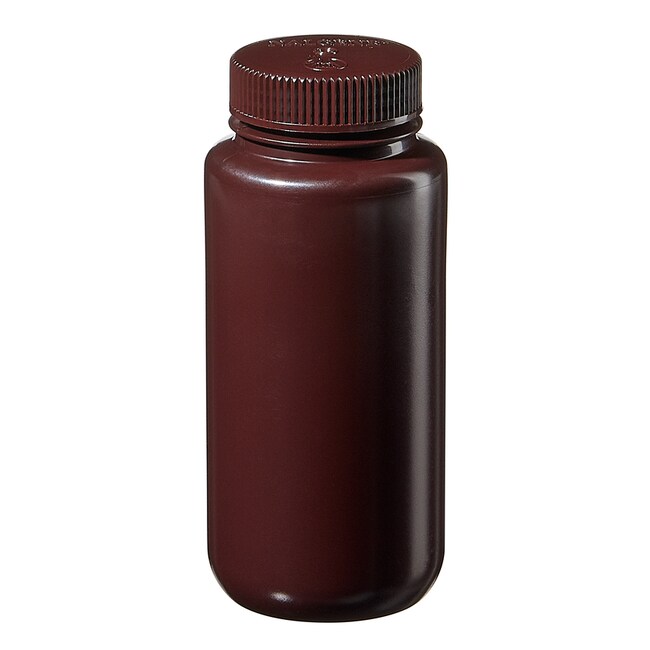
Nalgene™ 实验室级琥珀色 HDPE 广口瓶
该琥珀色广口瓶用于储存、运输并包装光敏内容物,对多数的酸、碱和醇具有出色的耐化学性。
Have Questions?
更改视图

| 货号 | 容量(公制) | 盖子尺寸 | 单位规格 |
|---|---|---|---|
| 2106-0016 | 500mL | 53 mm | Case of 48 |
| 2106-0001 | 30 mL | 28 mm | Case of 72 |
| 2106-0001PK 又称 2106-0001 | 30 mL | 28 mm | Pack of 12 |
| 2106-0002 | 60mL | 28 mm | Case of 72 |
| 2106-0002PK 又称 2106-0002 | 60mL | 28 mm | Pack of 12 |
| 2106-0004 | 125 mL | 38 mm | Case of 72 |
| 2106-0004PK 又称 2106-0004 | 125 mL | 38 mm | Pack of 12 |
| 2106-0008 | 250mL | 43 mm | Case of 72 |
| 2106-0008PK 又称 2106-0008 | 250mL | 43 mm | Pack of 12 |
| 2106-0016PK 又称 2106-0016 | 500mL | 53 mm | Pack of 12 |
| 2106-0032 | 1000mL | 63 mm | Case of 24 |
| 2106-0032PK 又称 2106-0032 | 1000mL | 63 mm | Pack of 6 |
货号 2106-0016
价格(CNY)
2,117.33
飞享价
Ends: 31-Dec-2026
5,293.32共减 3,175.99 (60%)
Case of 48
容量(公制):
500mL
盖子尺寸:
53 mm
Unit Size:
Case of 48
价格(CNY)
2,117.33
飞享价
Ends: 31-Dec-2026
5,293.32共减 3,175.99 (60%)
Case of 48
Thermo Scientific™ Nalgene™ 实验室级琥珀色 HDPE 广口瓶可减少紫外光透射,从而保护光敏液体。适用于储存、运输和包装,对大多数酸、碱和醇具有出色的耐化学腐蚀性。此类高密度聚乙烯瓶采用易于灌注的广口设计,与 Nalgene 瓶盖配合使用时具有防漏†性能。
- 不透明琥珀色能够减少紫外光透射,保护光敏内容物
- 对大多数酸、碱和醇具有出色的耐化学腐蚀性,因此本款瓶在需要限制光暴露的环境中使用广泛
- 可长期储存在低至 -100°C(-148°F)的冷冻冰箱内
- 无内衬瓶盖可确保防漏†性能,未使用会引起褶皱、引起漏液或污染溶液的内衬
- 符合美国药典23关于上限透光率的要求
- 符合美国药典 XXIII 中关于上限透光率的要求。
- 与 Nalgene 瓶盖配合使用时具有防漏†性能
- 瓶和纸箱在大多数社区随即便会被回收
- 由无毒材料制成
包括:
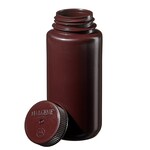
琥珀色聚丙烯螺旋盖
。
循环利用信息:可重复使用的 Nalgene HDPE 瓶在常规实验室条件下经久耐用。然而,与所有耐用型产品一样,它们也难免面临最终停用和被替换的命运。 Nalgene HDPE 瓶及其包装材料随即便会被回收。 请循环利用封装 Nalgene 瓶产品的纸箱和 LDPE 袋。产品到达使用寿命限期时,请洗净并回收利用 Nalgene HDPE 瓶。
† 术语防漏适用于符合以下标准的 Thermo Scientific Nalgene 产品:a) 对于盖尺寸小于 100 mm 的瓶/烧瓶/漏斗密封系统,当注满水后,在 2 psig 的气体压力下,倒置 2 分钟,内部的水不会溢出;b) 对于盖尺寸大于 100 mm 的瓶/漏斗/烧瓶密封系统,当注满水后,将其倒置 15 分钟,内部的水不会溢出。注意:如果使用其他液体进行以上测试,可能会得出不同的结果。为确保使用安全,建议客户在计划的应用条件下测试 Thermo Scientific Nalgene 瓶和盖。Thermo Scientific Nalgene 产品和 Nalgene 密封盖一起使用时,常温常压下防漏。
规格
容量16 oz.,500 mL
容积(英制)16 oz.
认证/合规Meets U.S. Pharmacopoeia 23 requirements for maximum light transmission; Comply with USP XXIII requiremnts for maximum light transmission
盖子颜色棕色
密封盖内衬Unlined
盖子材料聚丙烯
盖子尺寸53 mm
盖子类型螺旋盖
描述Lab Quality Amber Wide-Mouth Bottle
直径(公制)73 mm
内颈直径(公制)44 mm
高度(英制)6.62 in.
高度(公制)168 mm
颈口表面53 mm
每箱数量48
每架数量12
产品类型实验室级广口瓶
形状Round
通过密封盖分装否
宽度(英制)2.86 in.
容量(公制)500mL
包括瓶盖是
颜色Amber
带刻度No
材质HDPE
口径广口
无菌Non-sterile
Unit SizeCase of 48