Search

Thermo Scientific™
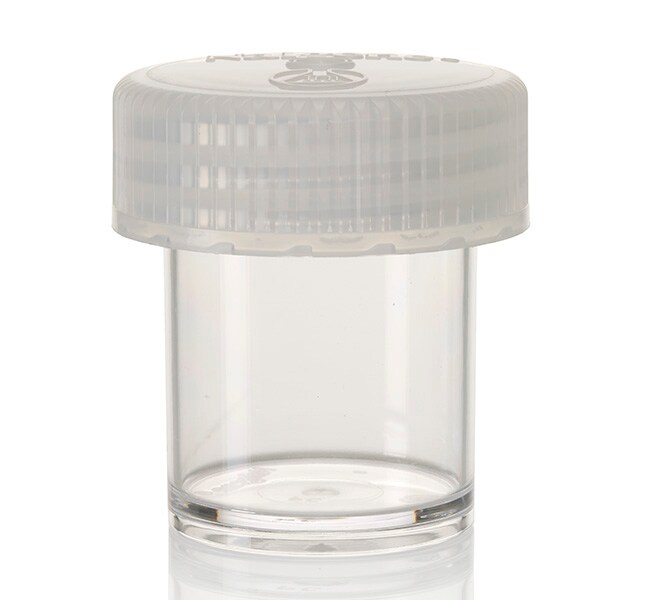
Nalgene™ 聚碳酸酯带盖直身广口瓶
Thermo Scientific Nalgene Polycarbonate直身广口瓶适用于收集和储存糊剂、固体、样品和实验室各种耗材。
Have Questions?
更改视图

| 货号 | 容量(公制) | 盖子尺寸 | 单位规格 |
|---|---|---|---|
| 2116-0015 | 15 mL | 38 mm | Case of 48 |
| 2116-0015PK 又称 2116-0015 | 15 mL | 38 mm | Pack of 4 |
| 2116-0030 | 30 mL | 43 mm | Case of 48 |
| 2116-0030PK 又称 2116-0030 | 30 mL | 43 mm | Pack of 4 |
| 2116-0060 | 60mL | 53 mm | Case of 48 |
| 2116-0060PK 又称 2116-0060 | 60mL | 53 mm | Pack of 4 |
| 2116-0125 | 125 mL | 70 mm | Case of 24 |
| 2116-0125PK 又称 2116-0125 | 125 mL | 70 mm | Pack of 4 |
| 2116-0250 | 250mL | 70 mm | Case of 24 |
| 2116-0250PK 又称 2116-0250 | 250mL | 70 mm | Pack of 4 |
| 2116-0500 | 500mL | 120 mm | Case of 16 |
| 2116-0500PK | 500mL | 120 mm | Pack of 4 |
| 2116-1000 | 1000mL | 120 mm | Case of 16 |
| 2116-1000PK 又称 2116-1000 | 1000mL | 120 mm | Pack of 4 |
货号 2116-0015
价格(CNY)
1,127.74
飞享价
Ends: 31-Dec-2026
2,819.34共减 1,691.60 (60%)
Case of 48
容量(公制):
15 mL
盖子尺寸:
38 mm
Unit Size:
Case of 48
价格(CNY)
1,127.74
飞享价
Ends: 31-Dec-2026
2,819.34共减 1,691.60 (60%)
Case of 48
Thermo Scientific Nalgene Polycarbonate直身广口瓶适用于收集和储存糊剂、固体、样品和实验室各种耗材。
透明的蓝色或绿色广口瓶耐冲击强度高,非常适合冷藏室或者冷冻使用。
- 非常适用于冷室和制冷应用 — 便于查看内容物
- 广口直身设计便于全面接触,能轻松实现样品装取
- 15、30 和 60mL 罐具有自然色聚丙烯瓶盖
- 125mL 至 1L 罐具有白色聚丙烯瓶盖,顶部凹陷,便于堆叠
- 125 和 250mL 规格适用于 Osterizer™ 和具有梅森瓶螺纹的其他搅拌器;建议与液体转移瓶盖 DS2153-0700 配合使用。
- 无液体防漏功能;不建议用于液体运输
- 可与大多数弱酸、脂肪醇和脂肪烃兼容。 不可与溶剂、碱、强酸和其他刺激性实验室化学品一起使用。 查阅 Nalgene 耐化学性指南了解更详细的化学相容性等级。
- 可高温高压灭菌/透明
循环利用信息:
请循环利用封装 Nalgene 产品的纸箱和 LDPE 袋。
对内部研究使用限制的免责声明:关于买方仅可将产品用于内部研究的任何限制事项并不适用于与此声明相关的网页上的产品。
规格
容量0.5 oz.,15 mL
容积(英制)0.5 oz.
透光度Clear
盖子材料聚丙烯
盖子尺寸38 mm
盖子类型螺旋盖
直径(英制)1.2英寸
内颈直径(英制)1.1 in.
直径(公制)31 mm
内颈直径(公制)29 mm
适用于(应用)Storage
高度(英制)1.8 in.
高度(公制)46 mm
包括Cover
每箱数量48
每架数量4
产品类型Straight-sided Jar
形状Round
重量(公制)14 g
容量(公制)15 mL
颜色Clear
材质聚碳酸酯
口径广口
Unit SizeCase of 48