Search


Thermo Scientific™
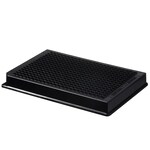
Nunc™ 384 孔浅孔标准高度聚丙烯储存微孔板

使用 384 孔浅孔标准高度聚丙烯微孔板,可降低用于小体积应用的化合物储存成本。
Have Questions?
更改视图

| 货号 | 颜色 | 无菌 | 适用用途 |
|---|---|---|---|
| 267461 | 黑色 | 未灭菌 | Certified Quality |
| 267460 | 自然色 | 无菌 | Certified Quality |
| 267462 | 白色 | 未灭菌 | Certified Quality |
货号 267461
价格(CNY)
5,292.98
飞享价
Ends: 31-Dec-2026
13,232.44共减 7,939.46 (60%)
Case of 100
颜色:
黑色
无菌:
未灭菌
适用用途:
Certified Quality
价格(CNY)
5,292.98
飞享价
Ends: 31-Dec-2026
13,232.44共减 7,939.46 (60%)
Case of 100
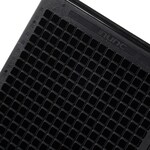
使用 Thermo Scientific™ Nunc™ 384 浅孔标准高度聚丙烯微孔板,可降低用于小体积应用的化合物储存成本。聚丙烯适用于储存板,因为其结合能力较低,可防止蛋白或 DNA 结合,可实现完整的样品回收。可承受 -80°C 至 +121°C 的温度。提供多种颜色,以便快速鉴别储存板。
特点:
- 圆形孔经过优化,可用于混合和样品回收
- 方形圆孔可最大程度减少吸水(毛细管作用)
- 用于储存鉴别或储存比色测定的自然色板
- 用于发光测定的白色板
- 用于荧光测定的黑色板
- 可提供定制条形码服务
对内部研究使用限制的免责声明:购买方仅可将产品用于内部研究的任何限制,不适用于与此声明相关网页页面上的产品。
规格
可高温高压灭菌可高温高压灭菌
结合类型低吸附率 PP
认证/合规经认证不含 RNase 和 DNase。 符合 ANSI。
不含脱氧核糖核酸酶Yes
描述384-well Polypropylene Sample Processing & Storage Plates
适用于(应用)Automation Liquid Handlers, Biobanking, Genomics, Sample Prep, NGS, Sequencing, Long and Short Term Storage, Drug Discovery, Vaccine Research, PCR and qPCR sample preparation
适用于(设备)ALPS 热封仪、Multidrop Combi、离心机、超低温冰箱、液体处理机
产品规格标准
盖无盖
每箱数量100
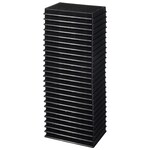
每架数量25
包装100 箱
板尺寸ANSI/ SLAS Standard
产品类型微孔板
数量100 件/箱
不含核糖核酸酶Yes
调控状态仅供科研使用。不可用于诊断程序。
孔容积(公制)55 μL
工作容积(公制)2 至 35 μL
数组16 x 24
条形码无条形码
颜色黑色
适用用途Certified Quality
材质聚丙烯
孔数量384
产品线Nunc
无菌未灭菌
表面处理未经处理
孔形方形
Unit SizeCase of 100