Search

Thermo Scientific™
Pierce™ 蛋白浓缩管 PES,3K 或 5K MWCO,0.5–100 mL
Thermo Scientific™ Pierce™ 蛋白浓缩管 (PES) 为一次性超滤离心管,配有聚醚砜(polyethersulfone,以下简称 PES)膜,用于生物样品的浓缩、脱盐和缓冲液置换了解更多信息
Have Questions?
更改视图

| 货号 | 截留分子量 (MWCO) | 数量 | 样品体积 |
|---|---|---|---|
| 88514 | 3 kDa | 10个浓缩器 | 2 至 6 mL |
| 88512 | 3 kDa | 25个浓缩器 | ≤0.5 mL |
| 88515 | 3 kDa | 24个浓缩器 | 2 至 6 mL |
| 88525 | 3 kDa | 10个浓缩器 | 5 至 20 mL |
| 88526 | 3 kDa | 24个浓缩器 | 5 至 20 mL |
| 88534 | 5 kDa | 4个浓缩器 | 20 至 100 mL |
货号 88514
价格(CNY)
668.00
飞享价
Ends: 31-Dec-2026
1,129.00共减 461.00 (41%)
Each
截留分子量 (MWCO):
3 kDa
数量:
10个浓缩器
样品体积:
2 至 6 mL
价格(CNY)
668.00
飞享价
Ends: 31-Dec-2026
1,129.00共减 461.00 (41%)
Each
Thermo Scientific™ Pierce™ 蛋白浓缩管 (PES) 为一次性超滤离心管,配有聚醚砜(polyethersulfone,以下简称 PES)膜,用于生物样品的浓缩、脱盐和缓冲液置换。PES 膜的分子量截留量(molecular weight cutoff,以下简称 MWCO)为 3K,可处理 5-20 mL 的样品。
Pierce 蛋白浓缩管 (PES) 的特点:
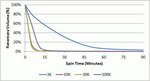
•快速浓缩蛋白—使用 10 K MWCO浓缩管时,在 5-30 分钟内可将样品浓缩 10-30 倍(浓缩所需的时间可能会随截留分子量不同而有所变化)
•蛋白回收效果佳—典型蛋白回收率 >90%
•多功能—可用于生物样品的浓缩、渗滤或缓冲液置换
•兼容性—可与定角转头和吊桶式转头兼容;无需反转离心即可采集和回收样品
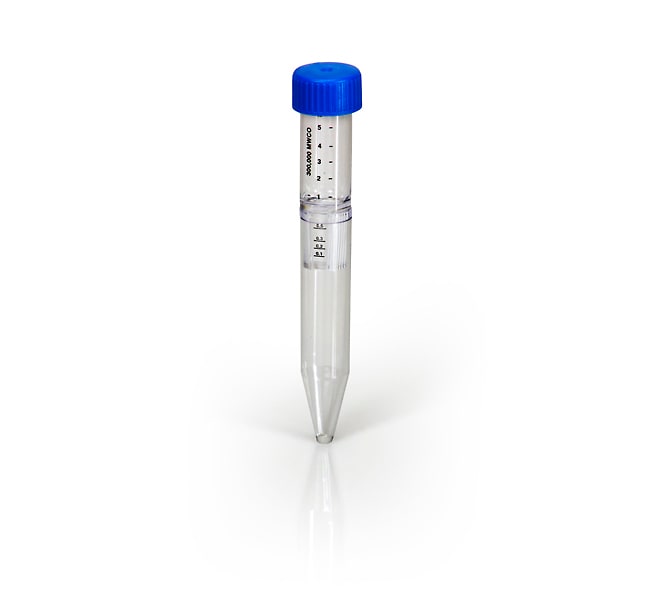
为易于识别,每个装置侧面蚀刻了MWCO值。为利于添加样品和回收,每个管侧面均有带刻度的透明窗口,以便目视测定截留体积。膜的垂直设计可实现高通量率、低非特异性结合和可忽略的膜上蛋白质聚集;并提供了可靠一致的结果。
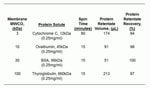
Pierce 蛋白浓缩管 (PES) 包含的膜可用于截留分子量比 PES 膜 MWCO 至少高出 2 倍的分子。使用小于推荐分子量的浓缩管,可能会降低回收率。蛋白回收率会因样品中的特定蛋白质及其起始浓度不同而变化。要实现蛋白回收率 >90%,蛋白样品浓度至少为 0.1 mg/mL。
Pierce 蛋白浓缩管 (PES) 的特点:
•快速浓缩蛋白—使用 10 K MWCO浓缩管时,在 5-30 分钟内可将样品浓缩 10-30 倍(浓缩所需的时间可能会随截留分子量不同而有所变化)
•蛋白回收效果佳—典型蛋白回收率 >90%
•多功能—可用于生物样品的浓缩、渗滤或缓冲液置换
•兼容性—可与定角转头和吊桶式转头兼容;无需反转离心即可采集和回收样品
为易于识别,每个装置侧面蚀刻了MWCO值。为利于添加样品和回收,每个管侧面均有带刻度的透明窗口,以便目视测定截留体积。膜的垂直设计可实现高通量率、低非特异性结合和可忽略的膜上蛋白质聚集;并提供了可靠一致的结果。
Pierce 蛋白浓缩管 (PES) 包含的膜可用于截留分子量比 PES 膜 MWCO 至少高出 2 倍的分子。使用小于推荐分子量的浓缩管,可能会降低回收率。蛋白回收率会因样品中的特定蛋白质及其起始浓度不同而变化。要实现蛋白回收率 >90%,蛋白样品浓度至少为 0.1 mg/mL。
For Research Use Only. Not for use in diagnostic procedures.
规格
描述Pierce™ 蛋白浓缩管 PES,3K MWCO,2-6 mL
产品线Pierce
纯化目标蛋白质
数量10个浓缩器
样品体积2 至 6 mL
运输条件室温
类型过滤器
一次性是
截留分子量 (MWCO)3 kDa
材料(膜)PES
Unit SizeEach
内容与储存
在室温下储存。