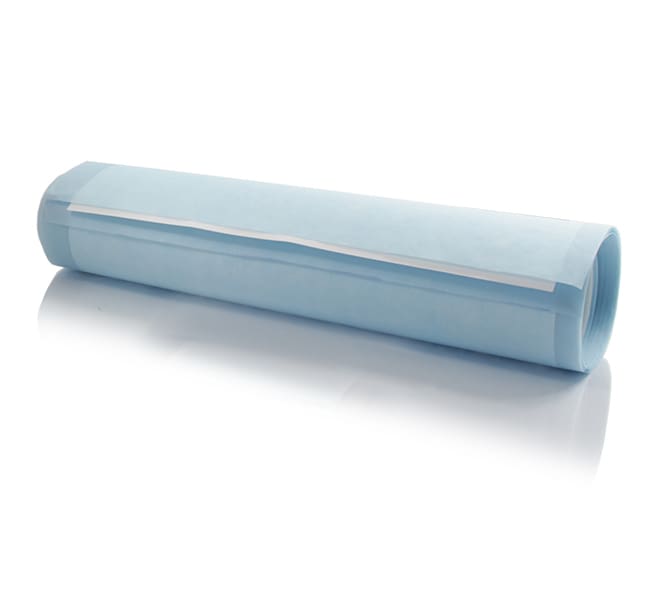
PVDF 转印膜,0.45 μm,10 张预切膜
Invitrogen17万+抗体限时买二赠一,靶点广,灵活用!
PVDF 转印膜,0.45 μm,10 张预切膜
Actual product may vary
Thermo Scientific™

PVDF 转印膜,0.45 μm,10 张预切膜

高质量的聚偏二氟乙烯 (PVDF) 膜,成卷或成片提供,对蛋白质和核酸具有很高的结合能力。
Have Questions?
货号 88585
价格(CNY)
2,440.00
Each
添加至购物车
请求批量或定制报价
价格(CNY)
2,440.00
Each
添加至购物车
Thermo Scientific™ Pierce PVDF 膜为高质量的聚偏二氟乙烯膜,成卷或成片提供,对蛋白质和核酸具有很高的结合能力,可用于 Western、Southern 和 Northern 印迹法。
这些 PVDF(聚偏二氟乙烯)膜比其他市售 PVDF 膜更耐变色,并且比其他用于 Western 印迹法的转移膜(包括硝酸纤维素)具有更好的吸附蛋白保留能力。标准的 0.45 微米孔径膜有预切割膜片和膜卷可供选择。低荧光 PVDF 膜具有 0.2 微米的孔径,且是与荧光探针配合使用的理想选择。与常规 PVDF 或硝酸纤维素膜相比,该膜的背景水平较低,并且对荧光检测的灵敏度更高。

特点:

  • Western 印迹法–为 PVDF 转移膜,生产专用于蛋白转移和 Western 印迹的应用

  • 兼容且耐用–聚偏二氟乙烯 (PVDF) 与大多数有机溶剂、酸和温和碱兼容;不会像硝酸纤维素一样破裂或变脆

  • 易于使用–预切割 PVDF 膜片为即用型膜片,可随时用于标准预制和自制微型凝胶 (SDS-PAGE) 的转移和印迹实验

  • 专用选项–可选择 0.45μm 膜,用于比色和化学发光检测;使用低荧光膜 (0.2 μm),用于荧光印迹法

For Research Use Only. Not for use in diagnostic procedures.
规格
描述Pierce PVDF 转移膜,0.45um,10cm x 10cm
数量10 Pre-cut Membranes
运输条件Room Temperature
尺寸 (长 x 宽)10 x 10 cm
产品规格
长度(公制)10 cm
材质PVDF
孔径0.45 μm
足够用于10 Mini-gel Blots
宽度(公制)10 cm
Unit SizeEach

常见问题解答 (FAQ)

我将蛋白质转印到PVDF膜上后,转印效率很低。你们有何建议?

以下是可能原因和解决方案:

- 转印前对膜的处理不当:应确保使用甲醇或乙醇等极性有机溶剂润湿膜。
- 凝胶与膜的接触不良:应确保用转膜缓冲液浸透滤纸和海绵垫,小心除去组装膜三明治时的所有气泡。凝胶/膜三明治必须牢固装在两部分印迹模块之间。可尝试多加一个海绵垫或将失去弹性的海绵垫换成新的。
- 过度挤压凝胶:过度挤压的一个明显表现是凝胶过于扁平。在三明治被过度挤压的情况下,应适当移除海绵垫,降低对凝胶和膜施加的过多压力然后关闭转印仪。

你们的PVDF和硝化纤维素膜能否用于Li-COR仪器?

可以,我们的PVDF和硝化纤维素膜均可用于Li-COR仪器。

我正在计划做斑点印迹实验,但我的样品中含有乙腈。你们的PVDF和硝化纤维素膜是否耐受乙腈?

我们的PVDF膜可以耐受乙腈,但硝化纤维素膜不能耐受。

我该如何降低PVDF免疫印迹膜的背景?

PVDF膜需要更为严格的封闭步骤。这可通过将封闭剂的浓度增加2-5倍、延长封闭时间并在37℃封闭来实现。封闭剂与无蛋白质结合的位置结合,可防止背景染色,并封闭与膜结合的蛋白质,以减少其与一抗发生非特异性相互作。封闭剂可使用脱脂奶粉、BSA和酪蛋白。

How can I store, strip, and reuse my western blot?

For nitrocellulose or PVDF membrane following Western blot detection using a chemiluminescent or fluorescent substrate system: Following transfer, air dry the membrane and place in an envelope, preferably on top of a supported surface to keep the membrane flat. The blot can be stored indefinitely at -80 degrees C. When ready to reprobe, prewet the PVDF blot with alcohol for a few seconds, followed by a few rinses with pure water to reduce the alcohol concentration. Then proceed as normal with blocking step.

FOR STRIPPING/REPROBING OF MEMBRANES: Harsh protocol (see NOTE below for modifications)

1) Submerge the membrane in stripping buffer (100 mM BME, 2% SDS, 62.5 mM Tris-HCl, pH 6.7) and incubate at 50 degrees C for 30 min with occasional agitation. If more stringent conditions necessary, incubate at 70 degrees C.

2) Wash 2 x 10 min in TBS-T/PBS-T at room temperature.

3) Block the membrane by immersing in 5% blocking reagent TBS-T or PBS-T for 1 hr at room temperature.

4) Immunodetection

NOTE: Often you don't need such harsh conditions to remove antibodies from their proteins. The stringency of one or several of the variables can be decreased: lower the temperature, decrease the time, less BME, less SDS, etc. An especially mild but still often effective stripping protocol is lower pH incubation. Example: pH 2.0 Tris 50-100 mM, 30-60 min incubation (you may do two incubations if you wish). Then rinse and block as usual. If you do not wish to re-use the membrane immediately after stripping, you can store the membrane in plastic wrap (wet, you do not want it to dry out). Another simple, mild stripping buffer is 0.1 M glycine•HCl (pH 2.5-3.0), incubation 30 min to 2 hrs room temperature or 37 degrees C, depending on the antibody.

Find additional tips, troubleshooting help, and resources within our Protein Assays and Analysis Support Center.