Search

Thermo Scientific™
PCR 板,96 孔,矮型,裙边
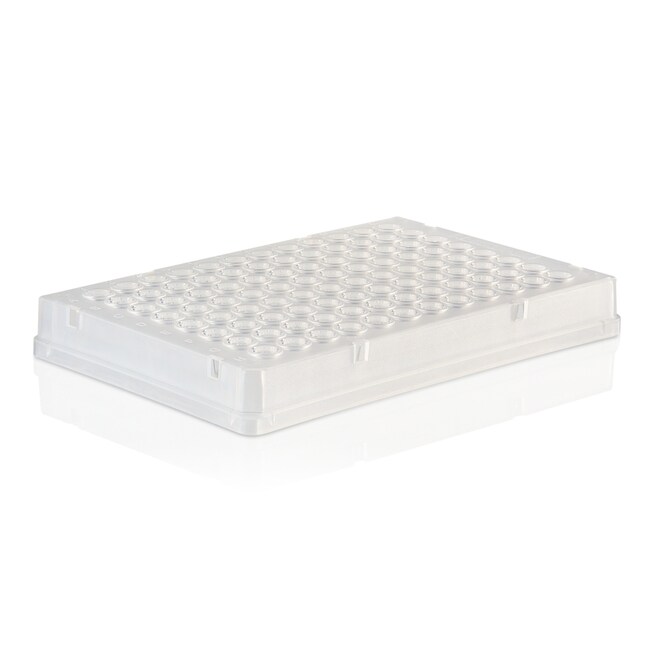
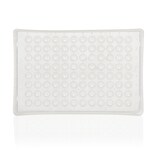
Thermo Scientific 96 孔矮型 PCR 板,25 个板,裙边—Thermo Scientific 96 孔全裙边板具有矮型薄孔壁设计,兼容了解更多信息
Have Questions?
更改视图

| 货号 | 颜色 | 每架数量 |
|---|---|---|
| AB0800 | 透明 | 25 |
| AB0800150 | 透明 | 150 |
货号 AB0800
价格(CNY)
506.00
飞享价
Ends: 26-Sep-2026
1,030.00共减 524.00 (51%)
Each
颜色:
透明
每架数量:
25
价格(CNY)
506.00
飞享价
Ends: 26-Sep-2026
1,030.00共减 524.00 (51%)
Each
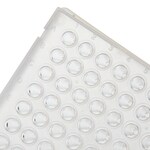
Thermo Scientific 96 孔矮型 PCR 板,25 个板,裙边—Thermo Scientific 96 孔全裙边板具有矮型薄孔壁设计,兼容 PCR 和 qPCR 应用。其特点为 ANSI:SBS 占用空间,板可叠放以用于自动化系统。这些板以 SuperPlate 提供,比标准板更坚硬,使其更易于进行自动处理。96 孔全裙边板的特点为 H1 位置处采用截角。这些板在裙边还有 8 个孔,有助于进行板定位和从热循环仪模块上拆除。全裙边围绕设计可提供平坦表面供机械臂抓握,使板适合与自动化系统配合使用。
Thermo Scientific 96 孔矮型 PCR 板的特点:
• ANSI:SBS 占用空间且可叠放以用于自动化系统
• 矮型,以减少死区并提高 PCR 效率
• 以 SuperPlate 提供,具有 4X 刚性,可进行优良的自动处理
• 0.2 mL 最大孔容量(与封板膜或热封膜配合使用时)
• 透明孔,便于查看样品
• 可使用 Thermo 垫、封板膜和箔、热密封和所有 Thermo Scientific 联排管盖进行密封
• 裙边中有 8 个孔,有助于进行板定位和从热循环仪模块上拆除
• 每个孔周围凸起的边缘设计可固定密封和防护装置以防止蒸发
• 均一的薄孔壁可实现较大且一致的热传递
• 黑色印字版本的特点为黑色字母数字印字,便于孔识别
• 通过提高荧光检测中的灵敏度并降低差异性,针对 qPCR 对白色板进行了优化
• 截角:H1
应用
• PCR
• qPCR/实时 PCR
相关产品
PCR 板(96 孔,矮型,裙边)
PCR 板(96 孔,矮型,裙边,白色)
PCR 板(96 孔,矮型,裙边,蓝色)
PCR 板(96 孔,矮型,裙边,绿色)
PCR 板(96 孔,矮型,裙边,黑色)
PCR 板(96 孔,矮型,裙边,紫色)
PCR 板(96 孔,矮型,裙边,红色)
PCR 板(96 孔,矮型,裙边,黄色)
PCR 板(96 孔,矮型,裙边,黑色印字)
PCR 板(96 孔,矮型,裙边,黑色印字,白色)
PCR 板(96 孔,矮型,裙边,黑色印字,蓝色)
PCR 板(96 孔,矮型,裙边,黑色印字,绿色)
PCR 板(96 孔,矮型,裙边,黑色印字,紫色)
PCR 板(96 孔,矮型,裙边,黑色印字,红色)
PCR 板(96 孔,矮型,裙边,黑色印字,黄色)
Thermo Scientific 96 孔矮型 PCR 板的特点:
• ANSI:SBS 占用空间且可叠放以用于自动化系统
• 矮型,以减少死区并提高 PCR 效率
• 以 SuperPlate 提供,具有 4X 刚性,可进行优良的自动处理
• 0.2 mL 最大孔容量(与封板膜或热封膜配合使用时)
• 透明孔,便于查看样品
• 可使用 Thermo 垫、封板膜和箔、热密封和所有 Thermo Scientific 联排管盖进行密封
• 裙边中有 8 个孔,有助于进行板定位和从热循环仪模块上拆除
• 每个孔周围凸起的边缘设计可固定密封和防护装置以防止蒸发
• 均一的薄孔壁可实现较大且一致的热传递
• 黑色印字版本的特点为黑色字母数字印字,便于孔识别
• 通过提高荧光检测中的灵敏度并降低差异性,针对 qPCR 对白色板进行了优化
• 截角:H1
应用
• PCR
• qPCR/实时 PCR
相关产品
PCR 板(96 孔,矮型,裙边)
PCR 板(96 孔,矮型,裙边,白色)
PCR 板(96 孔,矮型,裙边,蓝色)
PCR 板(96 孔,矮型,裙边,绿色)
PCR 板(96 孔,矮型,裙边,黑色)
PCR 板(96 孔,矮型,裙边,紫色)
PCR 板(96 孔,矮型,裙边,红色)
PCR 板(96 孔,矮型,裙边,黄色)
PCR 板(96 孔,矮型,裙边,黑色印字)
PCR 板(96 孔,矮型,裙边,黑色印字,白色)
PCR 板(96 孔,矮型,裙边,黑色印字,蓝色)
PCR 板(96 孔,矮型,裙边,黑色印字,绿色)
PCR 板(96 孔,矮型,裙边,黑色印字,紫色)
PCR 板(96 孔,矮型,裙边,黑色印字,红色)
PCR 板(96 孔,矮型,裙边,黑色印字,黄色)
规格
认证/合规经过认证,无 RNA 酶/无 DNA 酶
适用于(设备)实时 PCR 系统或热循环仪
每架数量25
包装25 块板
产品类型PCR 微孔板
数量25 plates
反应速度浅孔
边缘样式带有护缘
孔容积(公制)0.2 mL
工作容积(公制)0.1 mL
条形码无条形码
颜色透明
材质聚丙烯
孔数量96
Unit SizeEach