Search


引用和文献 (17)
Invitrogen™
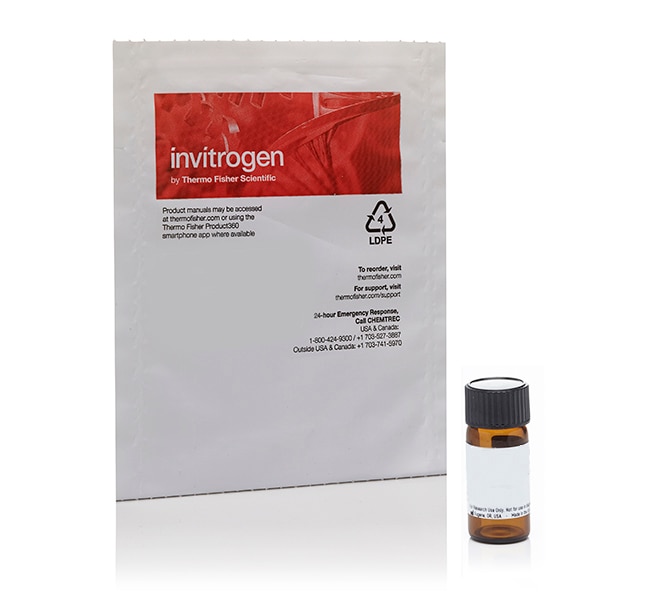
葡聚糖、Cascade Blue™,3000 MW,阴离子,赖氨酸可固定
标记的葡聚糖是最常用于显微镜研究的亲水多糖,用于监测细胞分裂、追踪活细胞的移动并报告细胞质基质的流体动力学特性。标记的葡聚糖通常通过显微注射进入细胞。是否需要不同的发射光谱或更长时间的追踪?查看我们的其他哺乳动物细胞追踪产品。葡聚糖规格:•标记 (Ex/Em):Cascade Blue™ (400/420)•大小:3,000 MW•电荷:阴离子•可固定:通过赖氨酸可固定Molecular Probes™了解更多信息
| 货号 | 数量 |
|---|---|
| D7132 | 10 mg |
货号 D7132
价格(CNY)
4,267.00
飞享价
Ends: 31-Dec-2026
5,926.00共减 1,659.00 (28%)
Each
数量:
10 mg
价格(CNY)
4,267.00
飞享价
Ends: 31-Dec-2026
5,926.00共减 1,659.00 (28%)
Each
标记的葡聚糖是最常用于显微镜研究的亲水多糖,用于监测细胞分裂、追踪活细胞的移动并报告细胞质基质的流体动力学特性。标记的葡聚糖通常通过显微注射进入细胞。
是否需要不同的发射光谱或更长时间的追踪?查看我们的其他哺乳动物细胞追踪产品。
葡聚糖规格:
•标记 (Ex/Em):Cascade Blue™ (400/420)
•大小:3,000 MW
•电荷:阴离子
•可固定:通过赖氨酸可固定
Molecular Probes™ 葡聚糖的高生产标准
我们在若干分子量范围内提供超过 50 种荧光和生物素化葡聚糖偶联物。葡聚糖是亲水性多糖,特征为具有中等至较高分子量,水溶性良好,毒性较低。它们通常也表现出低免疫原性。由于它们较不常见的聚-(α-D-1,6-葡萄糖) 连接(使它们能够耐受大多数内源性细胞糖苷酶的切割),葡聚糖具有生物惰性。
在大多数情况下,与其他来源的葡聚糖相比,Molecular Probes™ 荧光葡聚糖更明亮且负电荷更高。此外,我们使用严格的方法去除尽可能多的未结合染料,然后通过薄层色谱分析测定我们的葡聚糖偶联物,以确保不存在低分子量污染物。
广泛的取代基和分子量选择范围
Molecular Probes™ 葡聚糖偶联到生物素或各种荧光基团,包括我们的七种 Alexa Fluor™ 染料(Molecular Probes 葡聚糖偶联物 - 表 14.4),并可提供以下标示分子量 (MW):3,000;10,000;40,000;70,000;500,000;2,000,000 道尔顿。
葡聚糖净电荷和固定能力
我们利用染料与葡聚糖分子的琥珀酰亚胺偶联,这在大多数情况下会产生中性或阴离子葡聚糖。用于产生 Rhodamine Green™ 和 Alexa Fluor™ 488 葡聚糖的反应可产生中性、阴离子或阳离子最终产物。Alexa Fluor™、Cascade Blue™、荧光黄、荧光素和 Oregon Green™ 葡聚糖本质为阴离子,而大多数用两性离子罗丹明 B、四甲基罗丹明和 Texas Red™ 染料标记的葡聚糖基本为中性。为产生更多的高度阴离子葡聚糖,我们利用专利程序向葡聚糖载体添加了负电荷基团;这些产物为指定的 “聚阴离子”葡聚糖。
某些应用需要用甲醛或戊二醛处理葡聚糖示踪剂,以便用于后续分析。对于这些应用,我们提供大多数荧光基团或生物素葡聚糖偶联物的 “赖氨酸可固定” 版本。这些葡聚糖具有共价结合的赖氨酸残基,允许葡聚糖示踪剂通过醛介导的固定与周围生物分子结合,通过免疫组织化学和超微结构技术进行后续检测。我们还证明我们所有的 10,000 MW Alexa Fluor™ 葡聚糖偶联物均可用醛类固定剂固定。
使用标记的葡聚糖的关键应用
有一系列引用文献描述了标记葡聚糖的用途。一些最常见的用途包括:
•活细胞中的神经元示踪(顺行和逆行)
•活细胞中细胞谱系的示踪
•神经解剖示踪
•检查细胞间通讯(例如,间隙连接、伤口愈合过程以及胚胎发育期间)
•研究血管可透过性和血脑屏障的完整性
•追踪内吞作用
•监测酸化(一些葡聚糖-染料偶联物具有 pH 值敏感性)
•研究细胞质基质的流体动力学特性
仅供研究使用。不得用于任何动物或人类的治疗或诊断。
是否需要不同的发射光谱或更长时间的追踪?查看我们的其他哺乳动物细胞追踪产品。
葡聚糖规格:
•标记 (Ex/Em):Cascade Blue™ (400/420)
•大小:3,000 MW
•电荷:阴离子
•可固定:通过赖氨酸可固定
Molecular Probes™ 葡聚糖的高生产标准
我们在若干分子量范围内提供超过 50 种荧光和生物素化葡聚糖偶联物。葡聚糖是亲水性多糖,特征为具有中等至较高分子量,水溶性良好,毒性较低。它们通常也表现出低免疫原性。由于它们较不常见的聚-(α-D-1,6-葡萄糖) 连接(使它们能够耐受大多数内源性细胞糖苷酶的切割),葡聚糖具有生物惰性。
在大多数情况下,与其他来源的葡聚糖相比,Molecular Probes™ 荧光葡聚糖更明亮且负电荷更高。此外,我们使用严格的方法去除尽可能多的未结合染料,然后通过薄层色谱分析测定我们的葡聚糖偶联物,以确保不存在低分子量污染物。
广泛的取代基和分子量选择范围
Molecular Probes™ 葡聚糖偶联到生物素或各种荧光基团,包括我们的七种 Alexa Fluor™ 染料(Molecular Probes 葡聚糖偶联物 - 表 14.4),并可提供以下标示分子量 (MW):3,000;10,000;40,000;70,000;500,000;2,000,000 道尔顿。
葡聚糖净电荷和固定能力
我们利用染料与葡聚糖分子的琥珀酰亚胺偶联,这在大多数情况下会产生中性或阴离子葡聚糖。用于产生 Rhodamine Green™ 和 Alexa Fluor™ 488 葡聚糖的反应可产生中性、阴离子或阳离子最终产物。Alexa Fluor™、Cascade Blue™、荧光黄、荧光素和 Oregon Green™ 葡聚糖本质为阴离子,而大多数用两性离子罗丹明 B、四甲基罗丹明和 Texas Red™ 染料标记的葡聚糖基本为中性。为产生更多的高度阴离子葡聚糖,我们利用专利程序向葡聚糖载体添加了负电荷基团;这些产物为指定的 “聚阴离子”葡聚糖。
某些应用需要用甲醛或戊二醛处理葡聚糖示踪剂,以便用于后续分析。对于这些应用,我们提供大多数荧光基团或生物素葡聚糖偶联物的 “赖氨酸可固定” 版本。这些葡聚糖具有共价结合的赖氨酸残基,允许葡聚糖示踪剂通过醛介导的固定与周围生物分子结合,通过免疫组织化学和超微结构技术进行后续检测。我们还证明我们所有的 10,000 MW Alexa Fluor™ 葡聚糖偶联物均可用醛类固定剂固定。
使用标记的葡聚糖的关键应用
有一系列引用文献描述了标记葡聚糖的用途。一些最常见的用途包括:
•活细胞中的神经元示踪(顺行和逆行)
•活细胞中细胞谱系的示踪
•神经解剖示踪
•检查细胞间通讯(例如,间隙连接、伤口愈合过程以及胚胎发育期间)
•研究血管可透过性和血脑屏障的完整性
•追踪内吞作用
•监测酸化(一些葡聚糖-染料偶联物具有 pH 值敏感性)
•研究细胞质基质的流体动力学特性
仅供研究使用。不得用于任何动物或人类的治疗或诊断。
仅供科研使用。不可用于诊断程序。
规格
标签或染料其他标记或染料
产品类型葡聚糖
数量10 mg
运输条件室温
激发/发射400/420 nm
产品线CASCADE BLUE
Unit SizeEach
内容与储存
储存在冰箱(-5 至 -30°C)中并避光。
引用和文献 (17)
引用和文献
Abstract
Auto-activation of the apoptosis protein Bax increases mitochondrial membrane permeability and is inhibited by Bcl-2.
Journal:J Biol Chem
PubMed ID:16571718
'Interactions among Bcl-2 family proteins mediated by Bcl-2 homology (BH) regions transform apoptosis signals into actions. The interactions between BH3 region-only proteins and multi-BH region proteins such as Bax and Bcl-2 have been proposed to be the dominant interactions required for initiating apoptosis. Experimental evidence also suggests that both homo-
Membrane translocation of charged residues at the tips of hydrophobic helices in the T domain of diphtheria toxin.
Journal:Biochemistry
PubMed ID:9893993
'The low pH triggered membrane insertion of the T domain of diphtheria toxin is a critical step in the translocation of the C domain of the toxin across membranes in vivo. We previously established that the T domain can interact with membranes in two distinct conformations, one in which the
Improved retrograde axonal transport and subsequent visualization of tetramethylrhodamine (TMR) -dextran amine by means of an acidic injection vehicle and antibodies against TMR.
Journal:J Neurosci Methods
PubMed ID:8740593
'We studied the ability of various dextran amines (DA) to retrogradely label cortical neurons to the full extent of their dendritic configurations. Corticothalamic neurons were labeled by pressure injection of DA into the ventrobasal thalamic nuclei of the rat brain. Of fluorescein-, Texas Red-, Cascade Blue- and tetramethylrhodamine (TMR)-DAs of
Intravital multiphoton microscopy of dynamic renal processes.
Journal:Am J Physiol Renal Physiol
PubMed ID:15883167
'Recent advances in microscopy and optics, computer sciences, and the available fluorophores used to label molecules of interest have empowered investigators to utilize intravital two-photon microscopy to study the dynamic events within the functioning kidney. This emerging technique enables investigators to follow functional and structural alterations with subcellular resolution within
Fast axonal diffusion of 3000 molecular weight dextran amines.
Journal:J Neurosci Methods
PubMed ID:7506342
The distances of anterograde and retrograde axonal movement per hour were examined for dextran amines of 3000, 10,000 and 40,000 molecular weights (MW) conjugated to different fluorochromes (Cascade blue, fluorescein, tetramethylrhodamine, Texas red) or to biotin. Lateral line nerves of Xenopus laevis tadpoles were used as an easily accessible test